What an NN400 Conveyor Belt Is
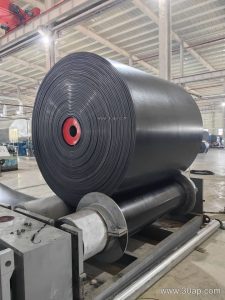
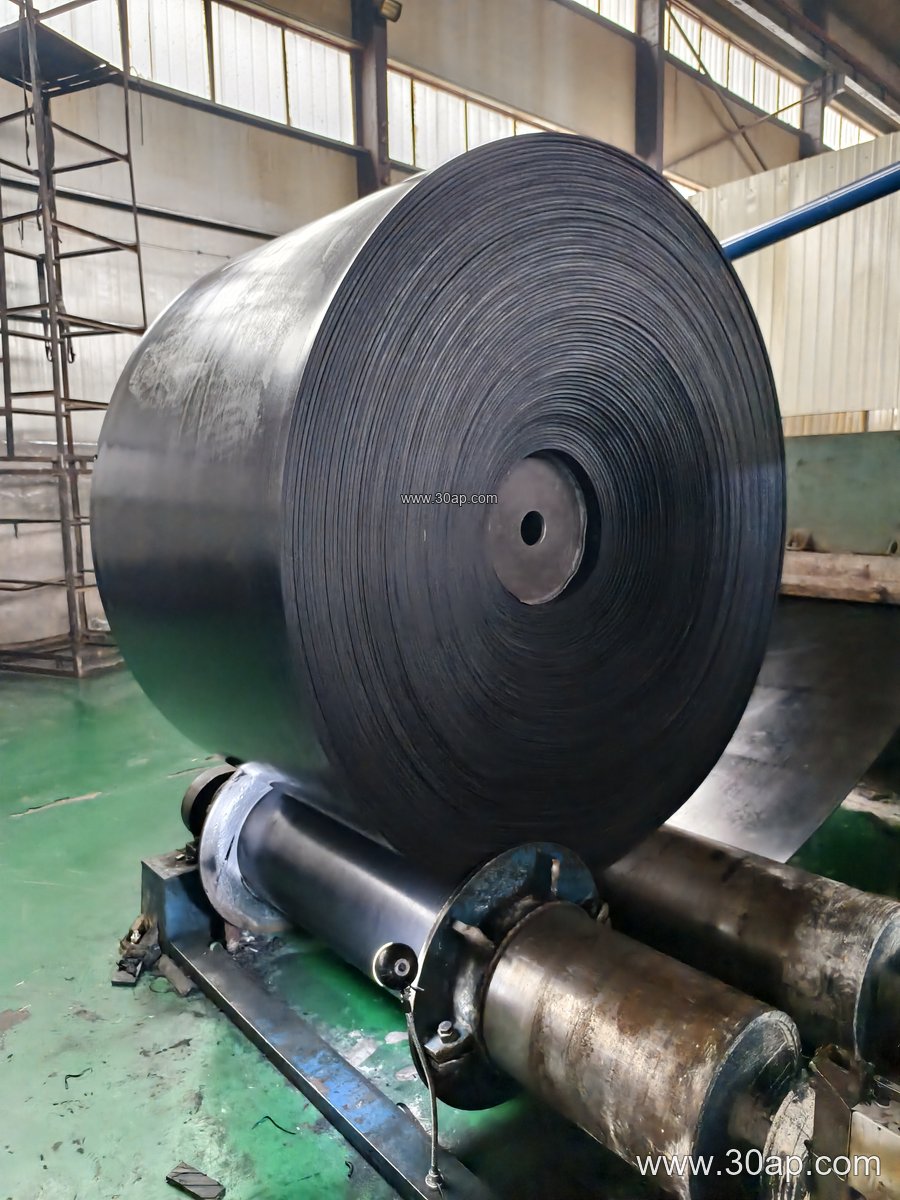
An NN400 Conveyor Belt is a multi-ply fabric core belt built on nylon (NN) warp and weft cords. The number 400 refers to the nominal tensile strength of the carcass, commonly expressed as 400 N/mm per ply in the reference data used for this product family. In practice, buyers treat it as a mid-to-high strength nylon fabric belt for continuous conveying of bulk materials where good flexibility and resistance to impact are needed. It belongs to the broader family of fabric core conveyor belts, which also includes EP (polyester-nylon) constructions. You can see the full range of NN and EP options at www.beltone.example/nn-conveyor-belt if you are comparing carcass types.
Construction and Build
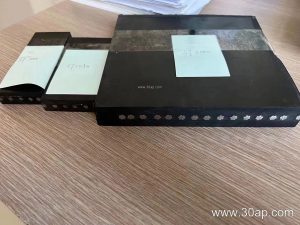
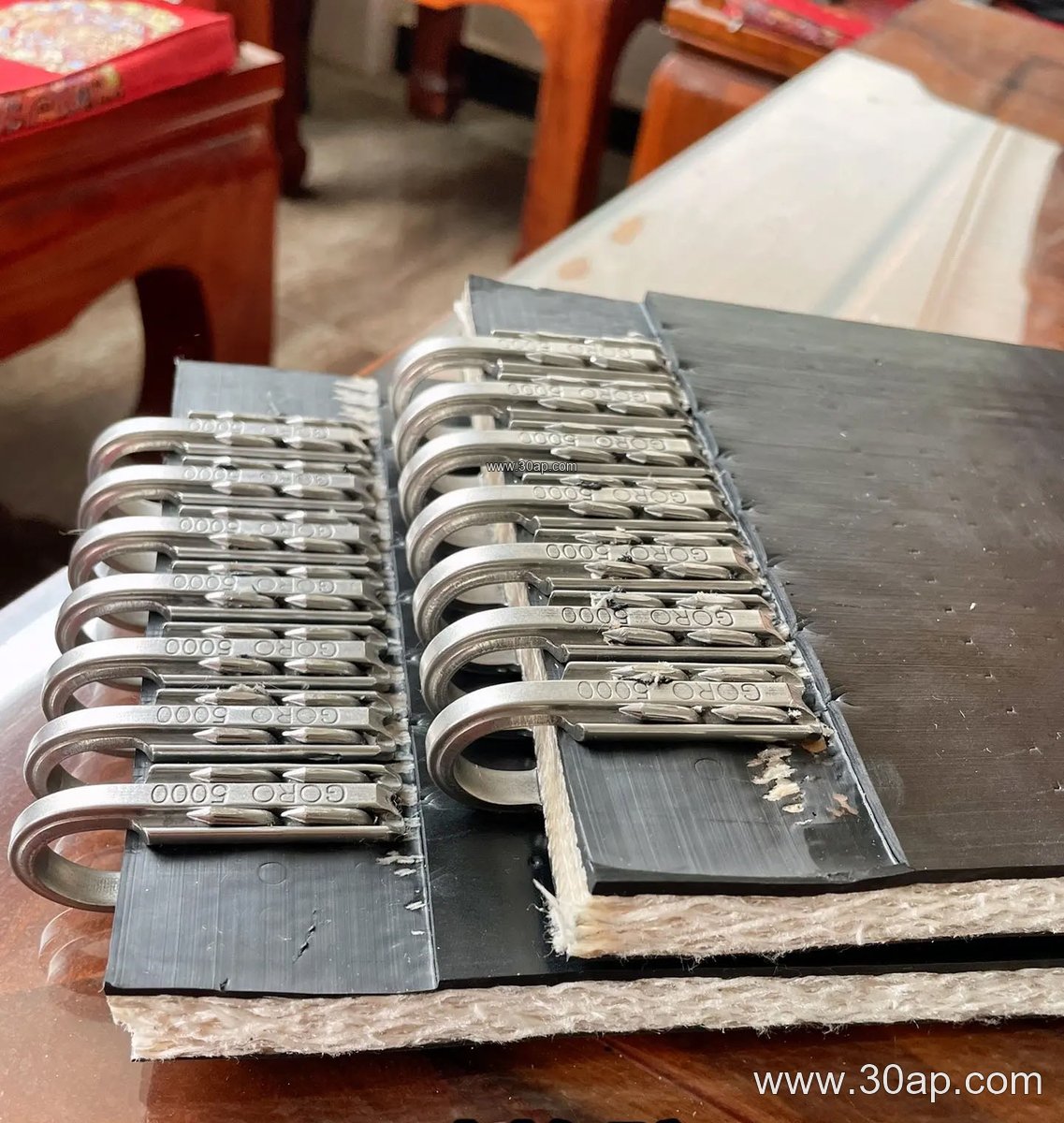
The belt is usually made with two to six plies of nylon fabric, bonded with rubber skim compound and protected by top and bottom cover rubber. Cover thickness is commonly quoted in pairs such as 4+2 mm, 5+2 mm, 6+2 mm or 8+3 mm, depending on the duty. The nylon carcass gives high elongation under load and good troughability, which helps the belt track around conveyor pulleys and idler rollers without excessive stress. Because nylon absorbs impact well, NN400 is often chosen for crusher discharge and transfer points where lump size and drop height are significant.
Typical Working Conditions
NN400 Conveyor Belt is frequently used in mines, coal preparation plants, cement works, power stations, quarries and sand and gravel yards. It moves crushed rock, ore, clinker, aggregate and similar bulk materials. For dusty or enclosed plants, a flame retardant or anti-static version may be requested, and for hot materials a heat resistant cover grade is used. Where oil or chemicals are present, an oil resistant or acid resistant cover should be specified. These are cover compound choices on the same nylon carcass, not different belt families.
Reference Dimensions
The table below lists common reference values for this belt class. Actual supply depends on the manufacturer and the conveyor design, so treat these as guidance rather than fixed promises.
- Strength grades in the NN series: NN100, NN200, NN300, NN400 (the subject of this article)
- Common belt widths: B500, B650, B800, B1000, B1200, B1400, B1600, B1800, B2000
- Cover thickness examples: 3+1.5 mm, 4+2 mm, 5+2 mm, 6+2 mm, 8+3 mm
- Carcass plies: usually 2 to 6, according to design
Width and pulley diameter are matched by the conveyor designer, not by a single rule; a 1000mm wide belt can run on different pulley sizes depending on tension and wrap angle. For a wider view of fabric and steel cord options, see www.beltone.example/conveyor-belt.
Selection Notes for Buyers
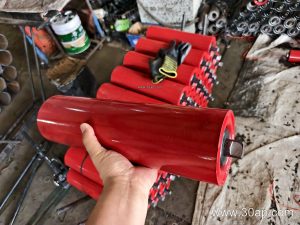
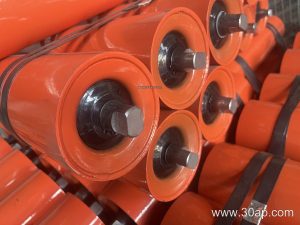
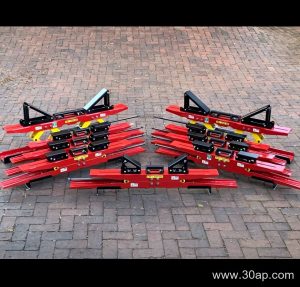
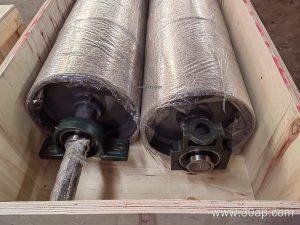
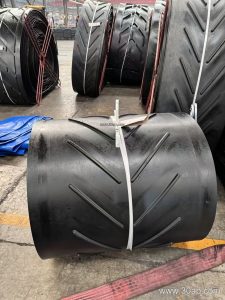
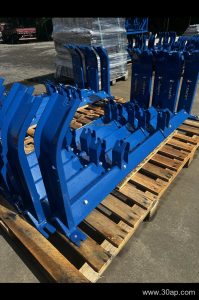
When specifying an NN400 Conveyor Belt, confirm the maximum working tension, the material lump size, the ambient and material temperature, and whether fire resistance or anti-static properties are required. Check the drive pulley, tail pulley and bend pulley diameters against the belt manufacturer’s minimum recommendations, and make sure the idler roller spacing suits the belt sag. The conveyor bracket and frame condition also matter, because a worn structure can shorten belt life. If the route needs steep angles, a chevron conveyor belt or corrugated sidewall belt may be more suitable than a flat NN belt, and for very long high-tension lines a steel cord conveyor belt is often preferred.
Care and Maintenance
Keep the belt clean, check cover wear at loading points, and inspect splices regularly. Misalignment often comes from uneven loading or seized idler rollers rather than the belt itself. Store spare rolls in a dry, shaded place and avoid tight bending. With reasonable care, an NN400 belt can serve reliably in demanding mining and aggregate duty. More guidance on fabric core belts is available at www.beltone.example/fabric-core-conveyor-belt.