What an EP Fabric Core Conveyor Belt Is
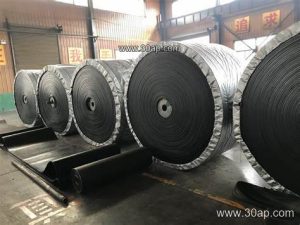
An EP Fabric Core Conveyor Belt is a multi-ply conveyor belt built with polyester (E) warp and nylon (P) weft fabrics embedded in rubber. This construction gives the belt high tensile strength, low elongation, and excellent resistance to impact and flexing fatigue. Known also as an EP rubber conveyor belt or simply EP conveyor belt, it is a versatile solution for moving bulk materials in mining, cement, power plants, quarries, and ports. The fabric core provides dimensional stability, while the rubber covers protect the carcass from abrasion, heat, oil, or flames depending on the compound selected. For operations that require a balance of strength and troughability, the EP fabric core conveyor belt often outperforms heavier steel cord designs in medium-duty applications.
Construction and Key Components
The belt consists of a fabric core made from interwoven polyester and nylon yarns, typically 2 to 6 plies, bonded with rubber skim layers between plies and covered with top and bottom rubber covers. Cover thickness is commonly specified as 3+1.5 mm, 4+2 mm, 5+2 mm, 6+2 mm, or 8+3 mm to suit different wear conditions. The fabric core is saturated with rubber compound to prevent ply separation and moisture ingress. Edge construction can be cut-edge or molded-edge, with cut-edge offering better flexibility for smaller pulleys. The belt’s tensile strength is denoted by EP grades such as EP200, EP315, EP400, EP500, EP630, EP800, EP1000, EP1250, EP1600, and EP2000. These values represent the breaking strength in N/mm, and the appropriate grade is selected based on the conveyor’s maximum tension, load support, and safety factor.
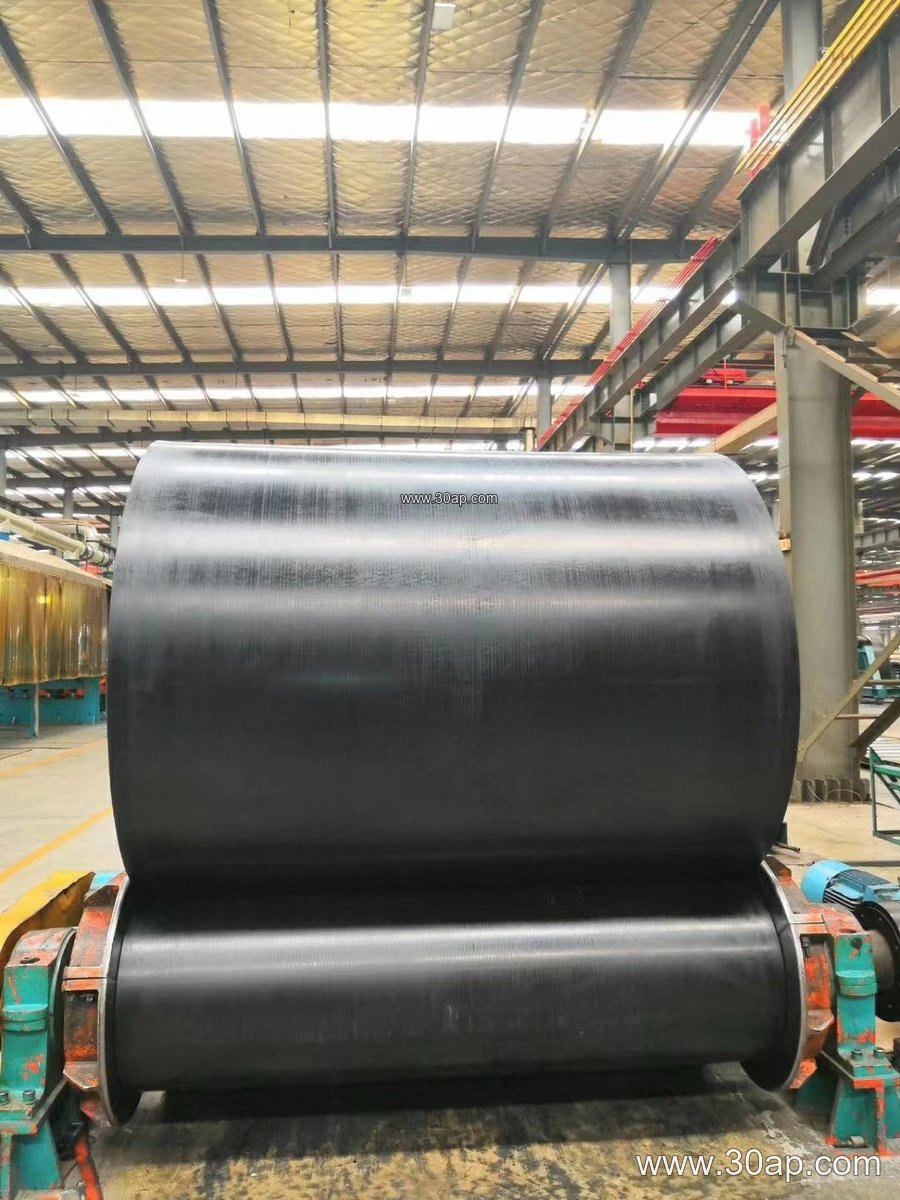
Where EP Fabric Core Belts Are Used
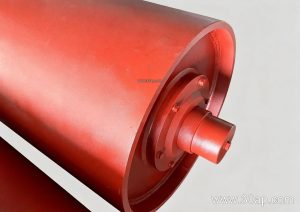
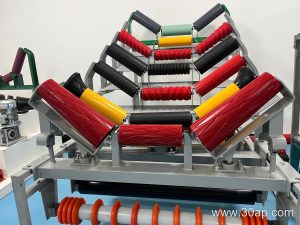
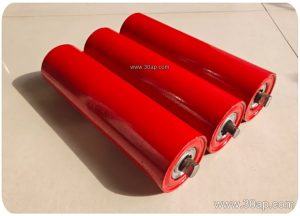
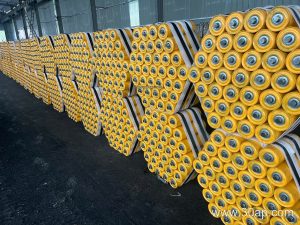
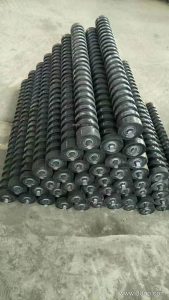
The EP fabric core conveyor belt is widely deployed in industries that handle abrasive, heavy, or hot materials. In mining, it transports ore, coal, and waste rock; in cement plants, it moves clinker, limestone, and raw meal; power plants use it for coal and ash handling; quarries and aggregate operations rely on it for crushed stone and sand. The belt also appears in steel plants, ports, and recycling facilities. When conditions demand specific protection, variants such as flame retardant conveyor belt, heat resistant conveyor belt, oil resistant conveyor belt, and abrasion resistant conveyor belt are available with the same EP carcass. For underground coal mining, PVG conveyor belt or PVC mining conveyor belt may be compared, but the EP fabric core belt remains a strong candidate for main haulage where fire resistance is not the primary requirement. In gravel and sand plants, the EP belt pairs well with idler rollers, conveyor pulleys, and conveyor brackets to form a complete conveying system.
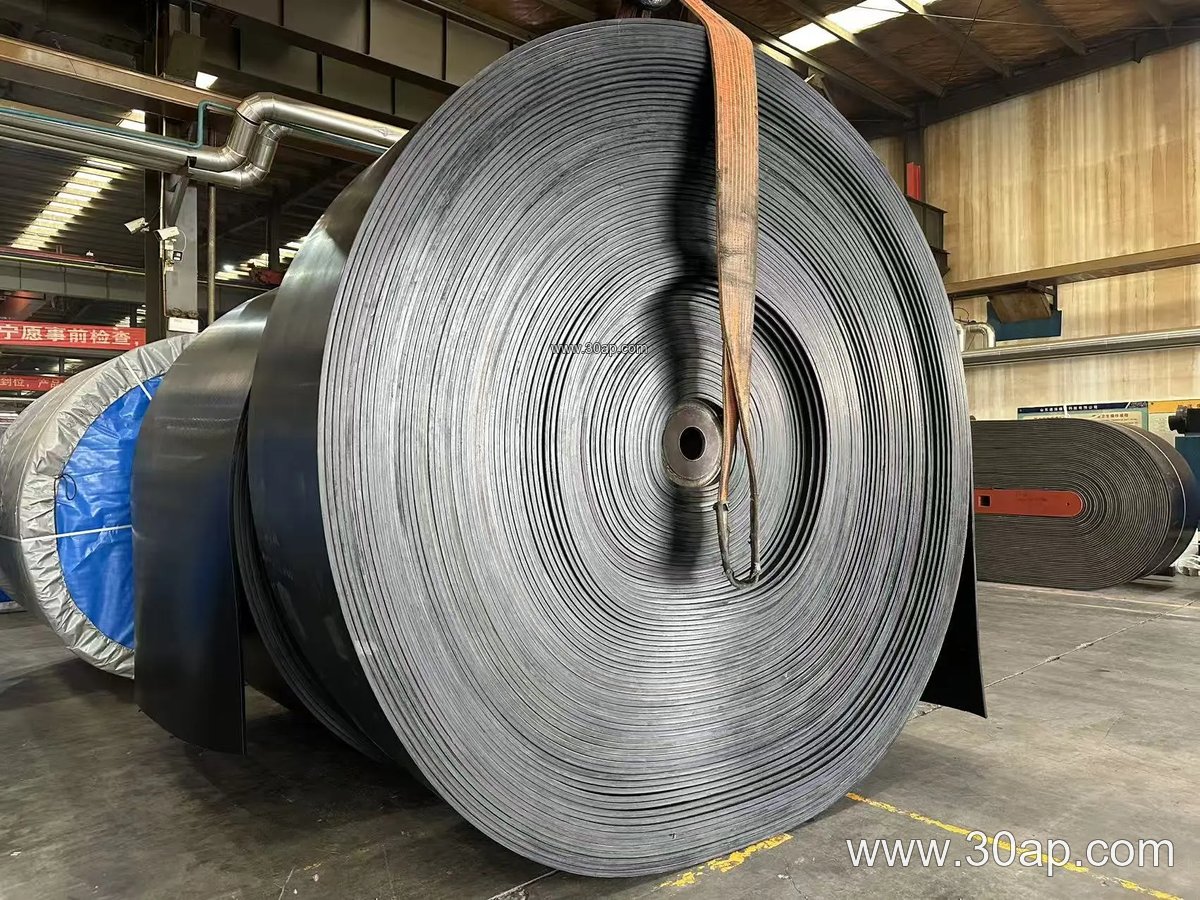
Available Types and Specifications
EP fabric core belts come in a range of strengths, widths, and cover compounds. The table below lists common reference values; actual supply depends on the manufacturer and application. Widths are typically designated as B500, B650, B800, B1000, B1200, B1400, B1600, B1800, and B2000. Narrower belts like 500mm conveyor belt or 650mm conveyor belt suit light-duty lines, while 1200mm wide conveyor belt or 1800mm wide conveyor belt are common in high-capacity mining and port conveyors. The belt thickness depends on cover gauge and number of plies; for example, an EP conveyor belt, 10mm thick might have 4 plies with 4+2 mm covers.
| Property | Common Range |
|---|---|
| Strength grades | EP200, EP315, EP400, EP500, EP630, EP800, EP1000, EP1250, EP1600, EP2000 |
| Number of plies | 2 to 6 |
| Belt widths | B500, B650, B800, B1000, B1200, B1400, B1600, B1800, B2000 |
| Cover thickness (top+bottom) | 3+1.5 mm, 4+2 mm, 5+2 mm, 6+2 mm, 8+3 mm |
| Special properties | Abrasion resistant, heat resistant, oil resistant, flame retardant, anti-static, cold resistant |
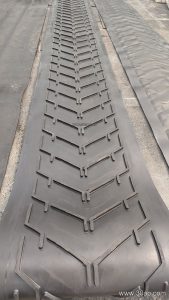
Specialty versions include chevron conveyor belt for inclined transport, corrugated sidewall conveyor belt for steep angles, and pipe conveyor belt for enclosed handling. These are distinct subtypes; the EP fabric core belt remains the base construction.
Selection and Maintenance Tips
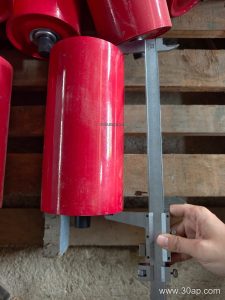
Choosing the right EP fabric core conveyor belt involves matching the belt strength to the maximum operating tension, considering the load weight, incline, and start-stop frequency. The cover compound should reflect the material: abrasive stone calls for high abrasion resistant conveyor belt, hot clinker requires heat resistant conveyor belt, and coal with fire risk may need flame retardant conveyor belt. Belt width must be sufficient to carry the load without spillage, and the number of plies should support the material lump size and impact energy. For heavy-duty mining conveyor belt applications, a higher EP grade and thicker covers are advisable. Proper maintenance includes checking belt tracking, maintaining pulley alignment, and inspecting idler rollers for seized bearings. Conveyor pulleys, both drive and tail, should be sized to avoid excessive bending stress on the belt. Regular cleaning of conveyor brackets and frames prevents material buildup that can damage the belt edges. Storing belts in a cool, dry place away from sunlight extends service life.
For more information on EP conveyor belts and related components, visit our site at www.example.com/ep-conveyor-belt or www.example.com/conveyor-components.