What the Q235 Conveyor Bracket Does
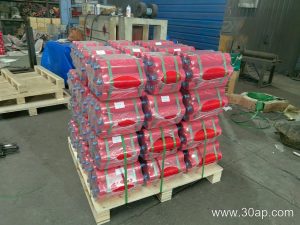
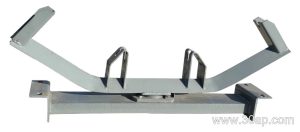
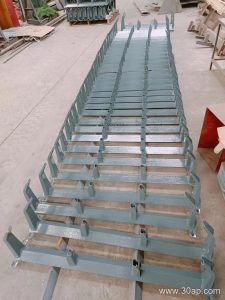
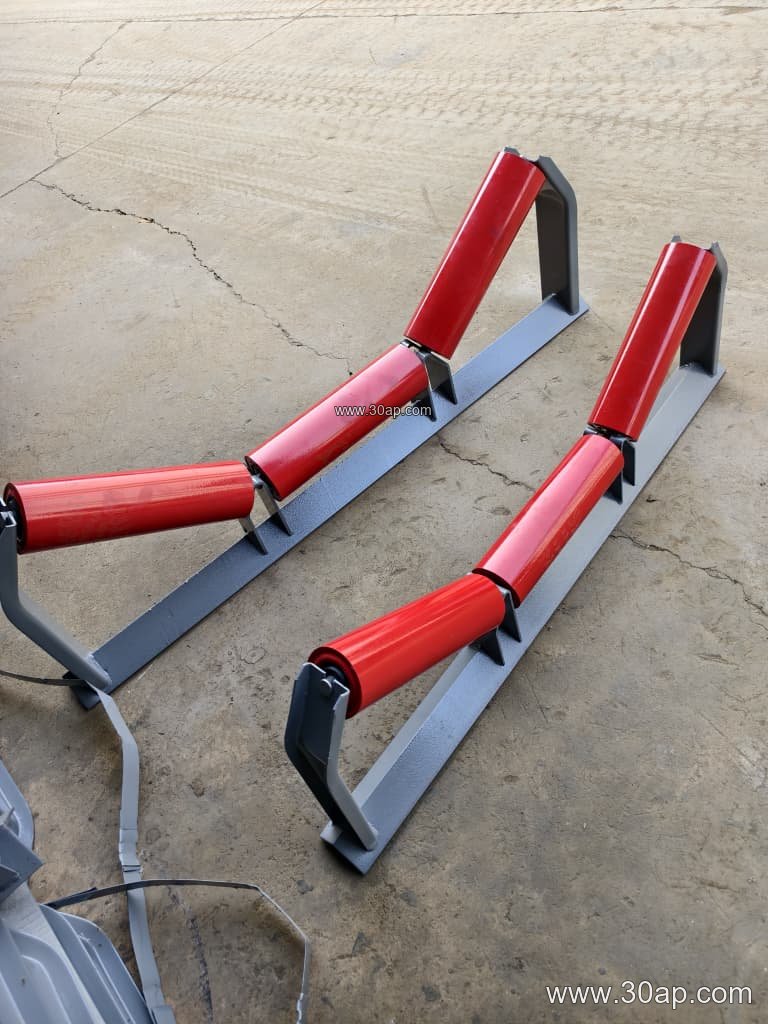
A Q235 conveyor bracket is the steel support that holds idlers in place along a conveyor. Often called a Q235 conveyor idler bracket or Q235 bracket frame, it keeps the conveyor belt at the right profile so material stays on the line. The Q235 grade is a common carbon structural steel, chosen for its weldability and cost balance in general conveying duties. In a quarry, cement plant, or power plant coal yard, these brackets are part of the everyday structure that carries the belt and its load.
How It Is Built
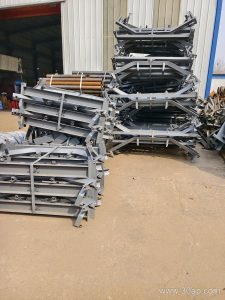
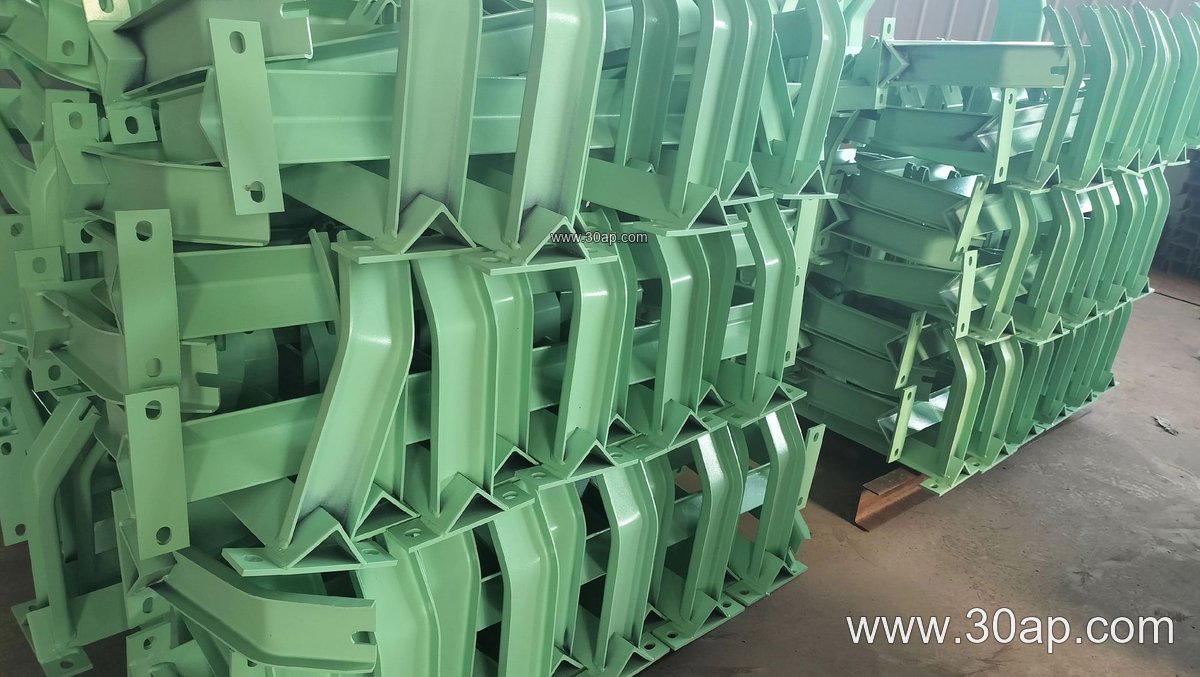
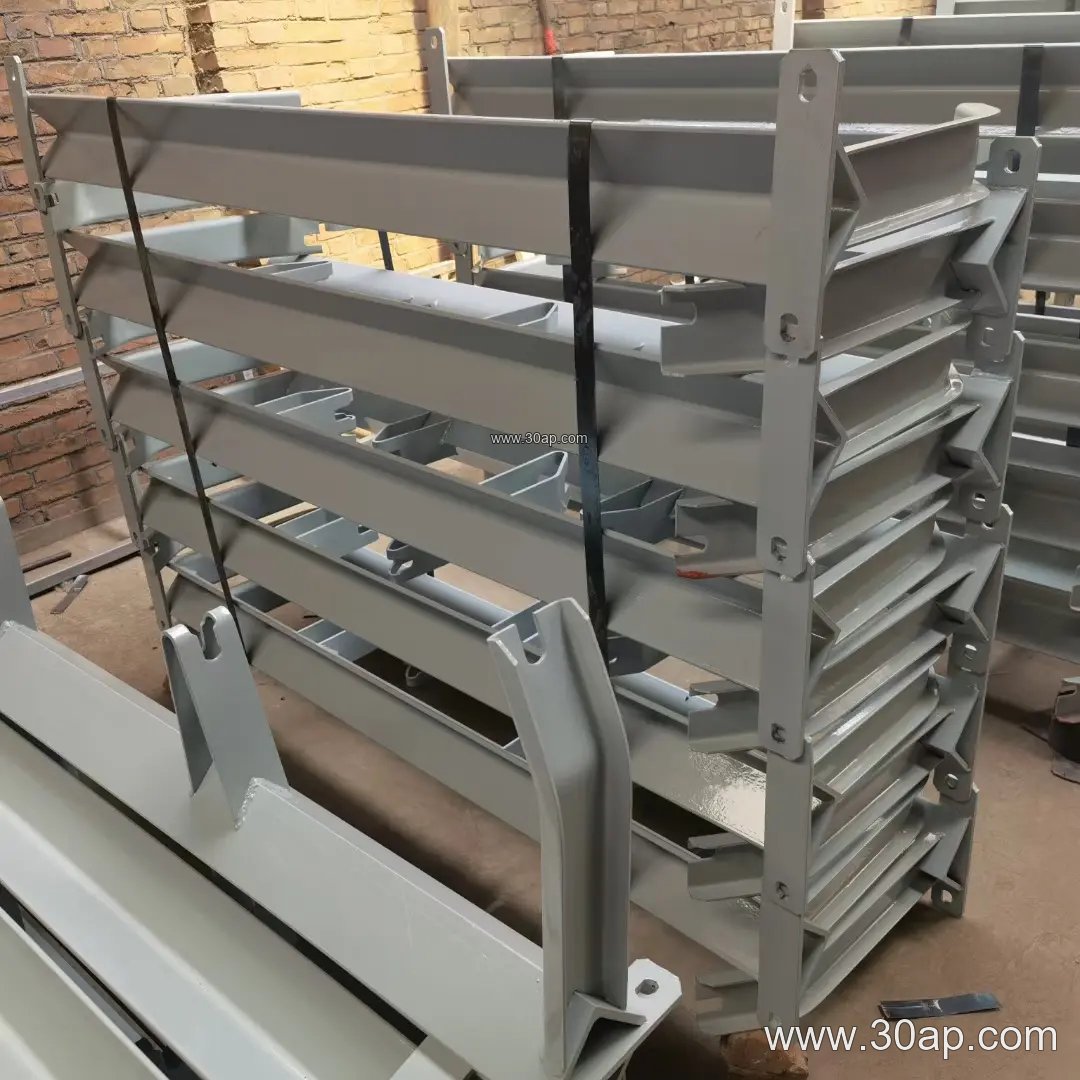
Most Q235 conveyor brackets are fabricated from angle steel, channel steel, or folded steel plate. The fabrication route depends on the bracket type. A fixed trough bracket is often a welded assembly with pre-set angles, while an adjustable bracket uses slotted or bolted joints so the trough angle can be changed on site. The mounting hole spacing and crossbeam length follow the belt width and trough angle, so they are determined by design rather than treated as fixed numbers. Common belt widths for these brackets include B500, B650, B800, B1000, B1200, B1400, B1600, B1800, B2000, B2200, and the bracket is matched to the belt and idler layout.
Types and Where They Sit
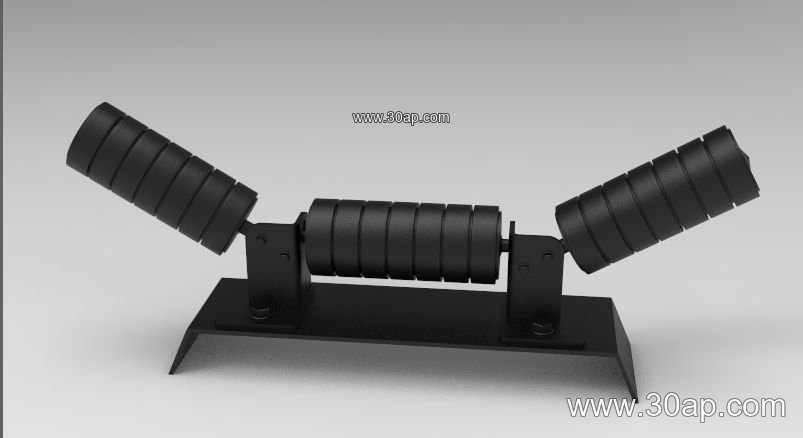
The bracket family covers more than one position on a conveyor. Trough brackets carry the upper run; return brackets and V-return brackets support the lower run. Transition brackets sit near pulleys where the belt changes shape, and impact brackets are used at load points. Self-aligning brackets help correct belt wander, and suspended brackets suit certain structures. The table below gives common reference ranges; final values depend on the conveyor design.
| Bracket type | Common belt width range | Typical trough angle | Common idler diameter |
|---|---|---|---|
| Trough bracket (upper) | B500 to B2200 | 20, 30, 35, 45 degrees | Ø89, Ø108, Ø133, Ø159 |
| Transition bracket | B650 to B1800 | Varies by design | Ø89 to Ø159 |
| Return bracket / V-return | B500 to B2000 | Not applicable | Ø89, Ø108, Ø133 |
| Impact bracket | B800 to B1600 | 20 to 45 degrees | Ø108, Ø133, Ø159 |
Examples such as B800 with 35 degrees and Ø108, or B1200 with 45 degrees and Ø133, are common combinations in design drawings, but they are not the only valid matches. A forward-leaning bracket, often about 1.5 to 2 degrees, is used to help belt tracking in some layouts.
Where It Fits in the Plant
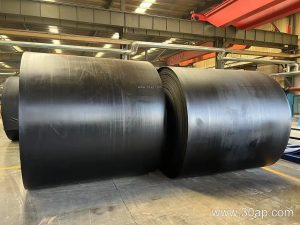
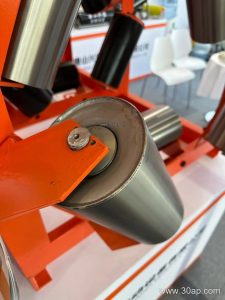
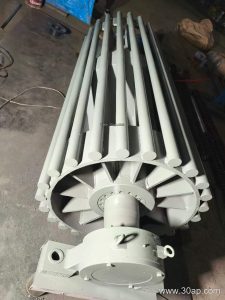
These brackets appear in crushing and screening lines, aggregate yards, cement plants, and power plant coal handling. In a sand and gravel line, a trough bracket keeps the belt cupped under a load of stone; at a transfer point, an impact bracket protects the belt from falling rock. In a coal yard, flame retardant conveyor belt and anti-static conveyor belt are often paired with sturdy brackets to handle the duty. The bracket itself is only one part of the system; it works with the conveyor belt, idler roller, and conveyor pulley to keep the line running. A well-matched Q235 bracket also helps control belt sag and reduces spillage along the run.
Buyer Checklist
- Confirm the belt width, trough angle, and idler diameter before ordering; do not assume one belt width limits the pulley or idler size.
- Check the mounting hole spacing and crossbeam length against the conveyor frame drawing.
- Decide between fixed and adjustable brackets based on whether the trough angle may need changing later.
- Match the bracket to the load point; impact brackets are not a substitute for transition or return brackets.
- Review the steel grade and surface treatment for the site environment, especially in wet or dusty conditions.
For more on related components, see the conveyor belt and idler roller pages at our site, and compare bracket options with the conveyor pulley layout before finalizing the order.