What an Underground Coal Mining Conveyor Belt Does
An underground coal mining conveyor belt is the load-carrying element of a continuous haulage system that moves cut coal from the face area, transfer points and drift sections to the surface or to a preparation plant. Because the route is confined, often wet, dusty and ventilated only by the mine airflow, the belt is asked to do more than carry material. It must resist abrasion from sharp coal and rock, control static charge, and in most coal mines meet flame retardant requirements so that a friction or electrical incident does not turn the belt itself into a fire path.
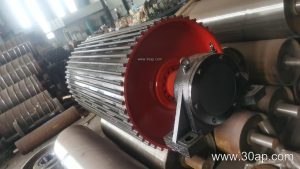
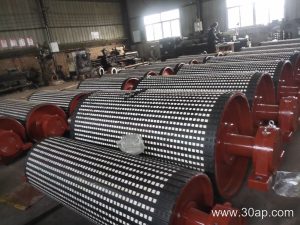
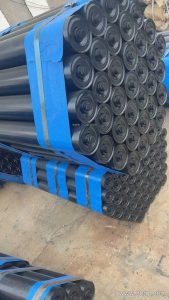
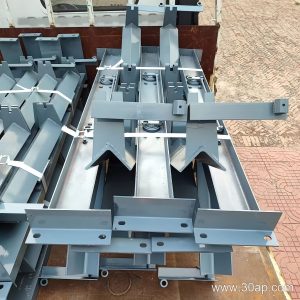
In practice the belt works as part of a chain that includes the conveyor pulley at the drive and tail, idler roller sets that support the trough, and conveyor bracket assemblies that hold the idlers in alignment. A belt that is well matched to the structure and the duty will run straighter, track better and last longer than a heavier belt forced onto an unsuitable frame.
Construction and Common Constructions
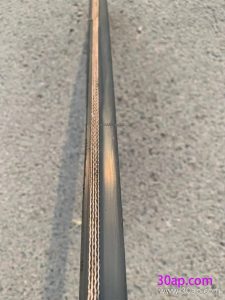
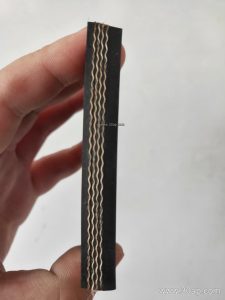
Most underground coal belts are fabric-cored or steel-cord reinforced, with rubber or PVC covers. The carcass carries tension; the covers protect the carcass from cutting, impact and moisture. For coal service, two families are widely used.
Fabric core options
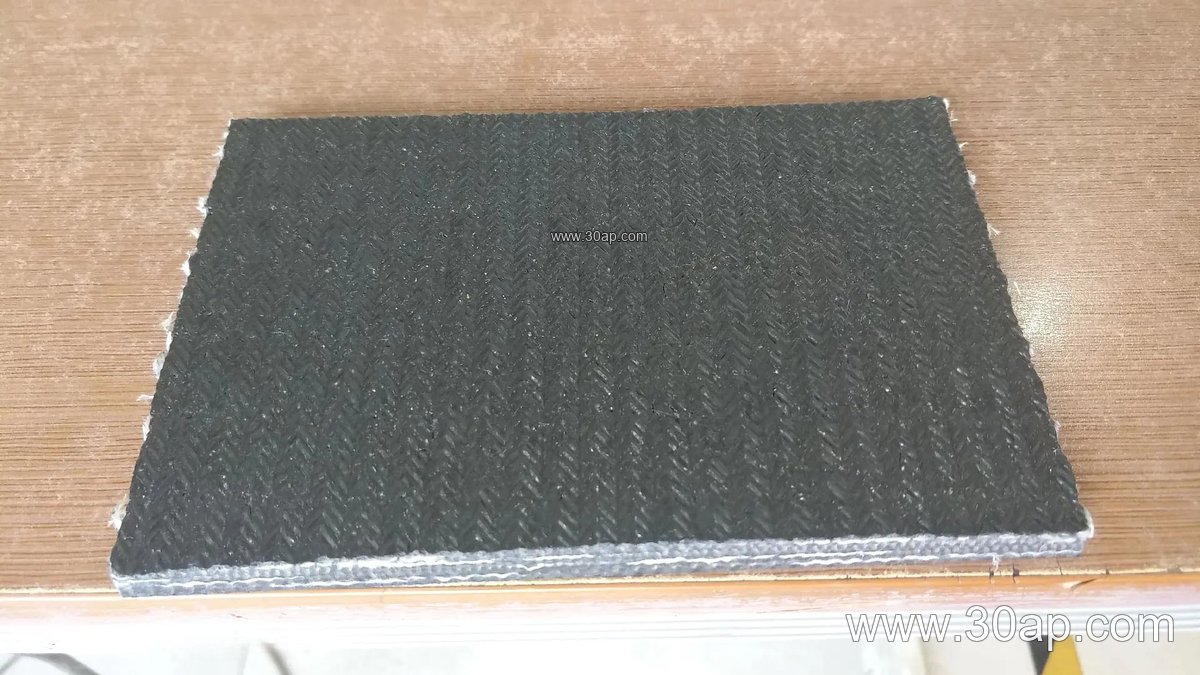
EP Conveyor Belt (polyester warp, nylon weft) and NN Conveyor Belt (nylon warp and weft) are common. A Multi-Ply Fabric Core Conveyor Belt of two to four plies suits many secondary and gathering conveyors, while heavier main lines may use more plies or higher strength grades. PVG Conveyor Belt with a solid-woven or fabric core and PVC-based covers is also common in underground coal work, and PVG800S is a grade often referenced for flame retardant service.
Steel cord options
For long, high-tension main haulage, a Steel Cord Conveyor Belt such as ST1000 or ST1250 can replace multiple fabric plies while keeping the belt thinner. This reduces splice complexity and can improve troughability, but it demands careful pulley and idler alignment because steel cord belts tolerate less edge damage.
| Item | Common reference range | Notes |
|---|---|---|
| Belt type | EP, NN, PVG, steel cord | Select by tension, fire duty and splice method |
| Strength grade | EP200 to EP2000; ST1000 to ST1600 typical for coal mainlines | Confirm by design calculation |
| Belt width | B650, B800, B1000, B1200, B1400, B1600 | Match to lump size and required capacity |
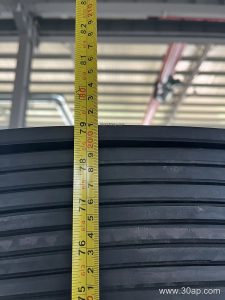
| Cover thickness | 4+2, 5+2, 6+2, 8+3 mm | Top cover depends on impact and abrasion |
| Ply count | 2 to 6 plies for fabric cores | Higher plies for higher tension |
These figures are reference ranges, not universal specifications. Final values should come from the conveyor design, and a given belt width does not dictate one pulley diameter or one shaft size.
Where It Is Used
Underground coal is the main application, but the same belt family appears in other confined or heavy-duty duties. A Mining Conveyor Belt of this class may also run in a cement plant, a power plant coal yard, a quarry or an aggregate operation where flame retardant and abrasion resistant properties are requested. In a coal preparation plant, a Fire Resistant Conveyor Belt or Flame Retardant Conveyor Belt is typically specified on the basis of the site’s fire safety plan, while an Abrasion Resistant Conveyor Belt is chosen where sharp run-of-mine coal shortens cover life.
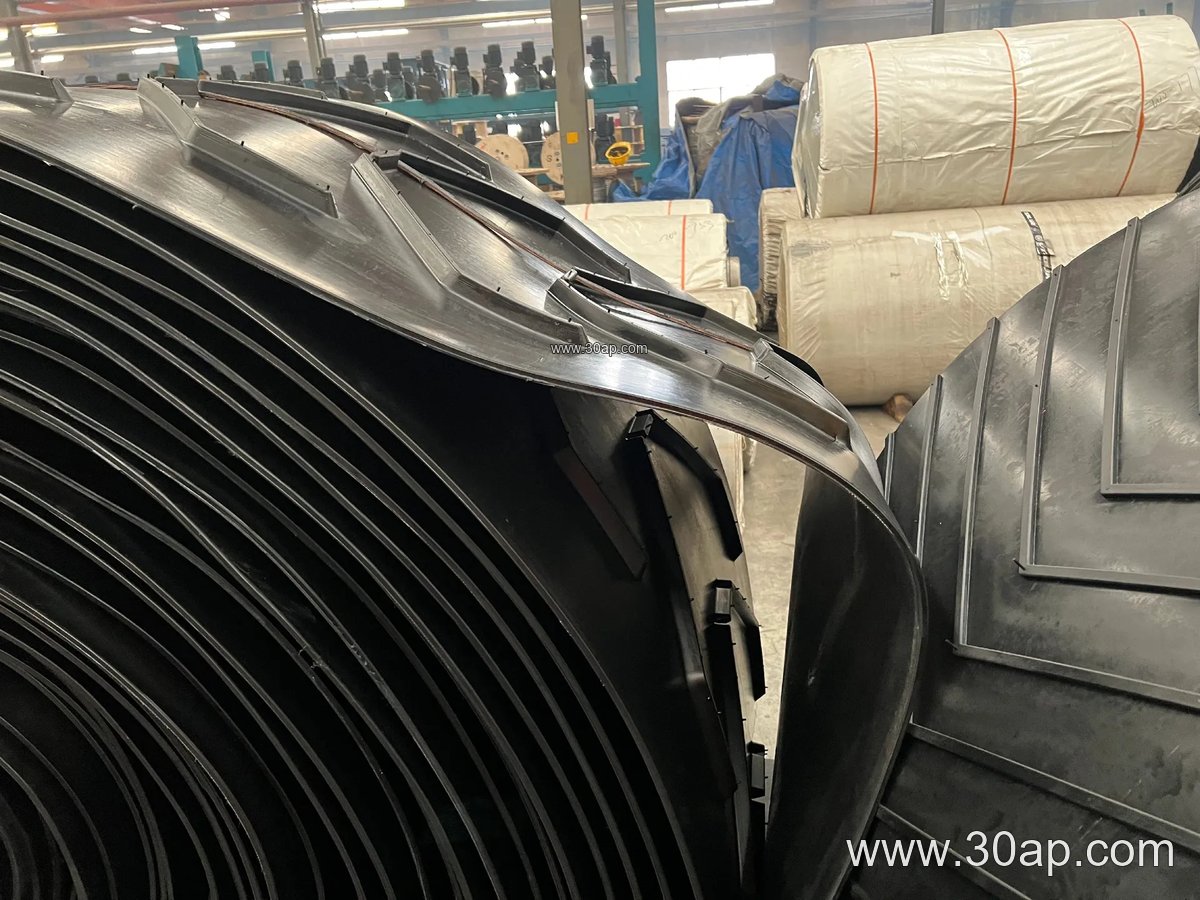
Where the route climbs steeply, a Chevron Conveyor Belt or a Corrugated Sidewall Conveyor Belt may be considered for the inclined section, but these are different belt constructions and should not be treated as direct substitutes for a flat underground coal belt. Similarly, a Pipe Conveyor Belt is used where spillage and dust control along a curved route matter more than simple troughing.
Selection Points for Buyers
- Confirm the fire rating required by the mine’s ventilation and safety plan, and ask for the belt’s flame retardant and anti-static performance in writing.
- Check the tension calculation against the actual conveyor length, lift, starting duty and splice efficiency; do not size by width alone.
- Match cover thickness to impact at transfer points. A 6+2 or 8+3 mm cover may be justified where large lumps drop from height.
- Review pulley diameters, idler roller spacing and conveyor bracket condition before fitting a new belt. Worn or misaligned components shorten belt life regardless of grade.
- For long mainlines, compare a steel cord belt against a multi-ply fabric belt on splice time, spare parts and expected cover wear.
- Ask how the belt will be spliced underground, since limited space affects the choice between vulcanized and mechanical joints.
Care in Service
Track alignment, keep the tail area clear of spillage, and inspect the belt edge and cover for cuts after each shift. A small edge nick on a steel cord belt can admit moisture and corrode the cords, so early repair matters. Store spare belt rolls away from direct sunlight and oil, and record the belt’s grade and cover thickness so replacement sections match. Buyers who treat the belt, idler roller and conveyor pulley as one system usually get more predictable service than those who change only the belt.