What a Parallel Idler Is
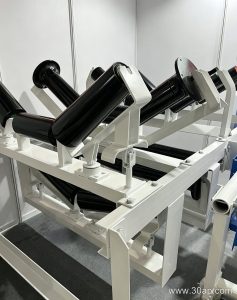
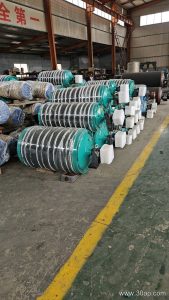
A parallel idler is a carrying or return roller whose axis sits parallel to the conveyor frame rather than at an angle. In practice, the term is used for the plain, straight rollers that support the belt on flat sections and at loading or transition zones, as well as for the flat return rollers under the belt. It is a simple, robust component, but it has a direct effect on belt tracking, energy use, and the service life of the whole conveyor line.
The parallel idler is often grouped with troughing and impact rollers, but it is not a substitute for them. A three-roll troughing set shapes the belt into a trough, while a parallel idler keeps the belt flat. That difference matters on the tail section, at the discharge, and on the return strand where a flat profile is required.
Construction and Common Forms
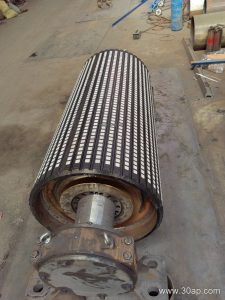
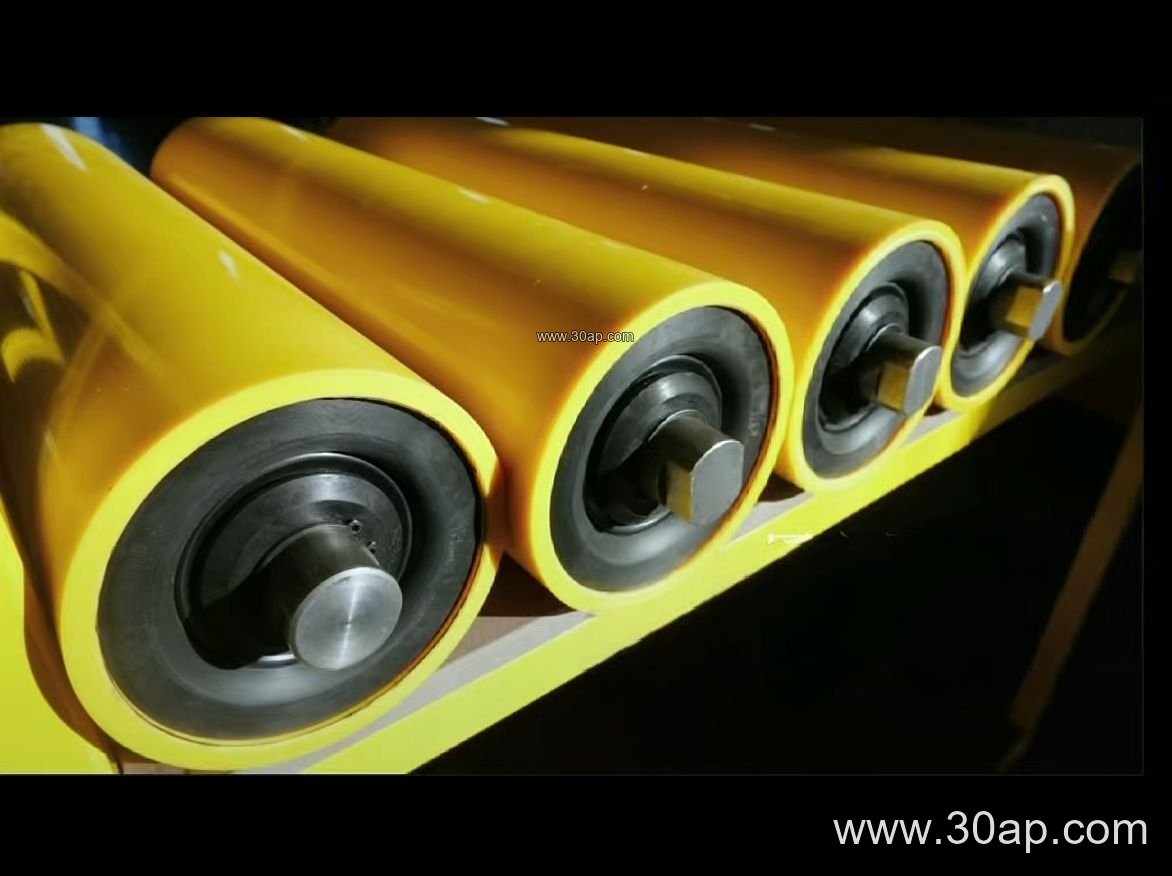
Most parallel idlers share a basic build. A steel tube shell, usually with a machined or painted surface, rotates on a shaft through sealed bearings. Bearing housings are pressed into the tube ends, and a labyrinth or lip seal keeps dust and water out. Shell materials include steel, nylon, and ceramic-coated steel, and rubber rings can be added where impact or noise is a concern.
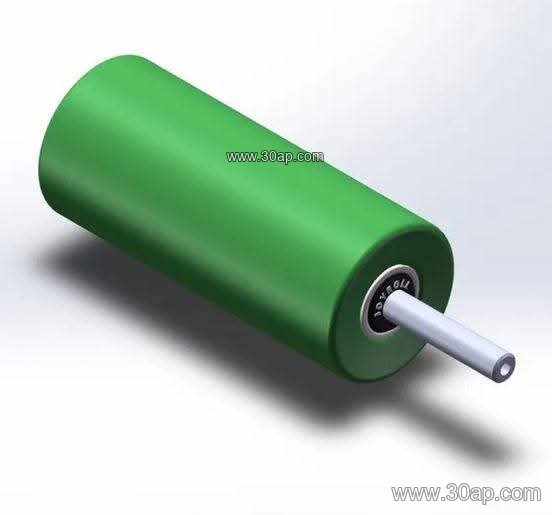
Common roller diameters include Ø63, Ø76, Ø89, Ø102, Ø108, Ø127, Ø133, Ø159, and larger sizes up to Ø219 mm, chosen according to belt width and load. Bearings are typically 6204, 6205, 6305, 6306, 6308, or 6310, but no single bearing is tied to one diameter. Roller length follows the belt width and the frame design.
| Belt width | Typical parallel idler roller length (reference) |
|---|---|
| B500 | about 200 mm |
| B650 | about 250 mm |
| B800 | about 315 mm |
| B1000 | about 380 mm |
| B1200 | about 465 mm |
| B1400 | about 530 mm |
| B1600 | about 600 mm |
| B1800 | about 670 mm |
These figures are common examples only. Side rollers and center rollers can differ, and the final length is set by the conveyor design.
Where Parallel Idlers Fit on a Conveyor
On a flat carrying run, parallel idlers support the belt directly and keep the load stable. At the tail end, they guide the belt as it opens from the head or bend pulley. On the return strand, flat return idlers support the empty belt and reduce sag. In a quarry or aggregate line, they are often found near the crusher discharge and along the flat sections between inclines.
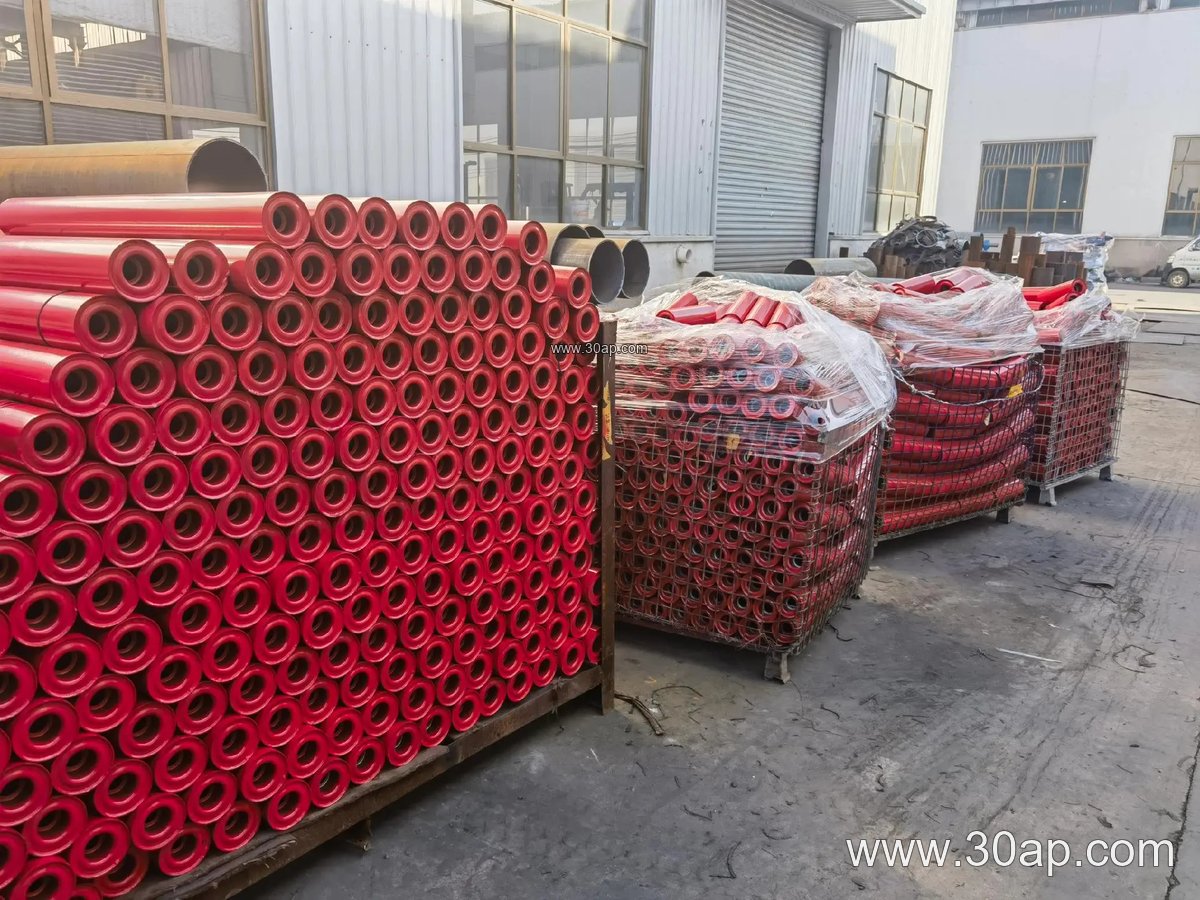
The choice of belt also influences the idler layout. A heavy-duty mining conveyor belt on an underground coal mining conveyor may need closely spaced rollers, while a fabric core conveyor belt on a shorter run can use wider spacing. In cement plants and power plant coal handling, dust and fines make sealing quality important, and a well-sealed parallel idler keeps bearing drag low.
Selection Points for Buyers
Start with belt width, belt weight, and the load per meter. The roller diameter should suit the belt speed and the load, and the shaft and bearing size should match the frame bracket. Check that the idler fits the conveyor bracket without shimming, and confirm the seal type for the environment.
- Dusty or wet sites: choose a protected seal and a smooth shell.
- High impact zones: consider rubber-ring or impact-resistant rollers nearby.
- Long return runs: check spacing and roller straightness to limit belt wander.
- Hot material: use heat-resistant rollers and keep them clear of the hot zone.
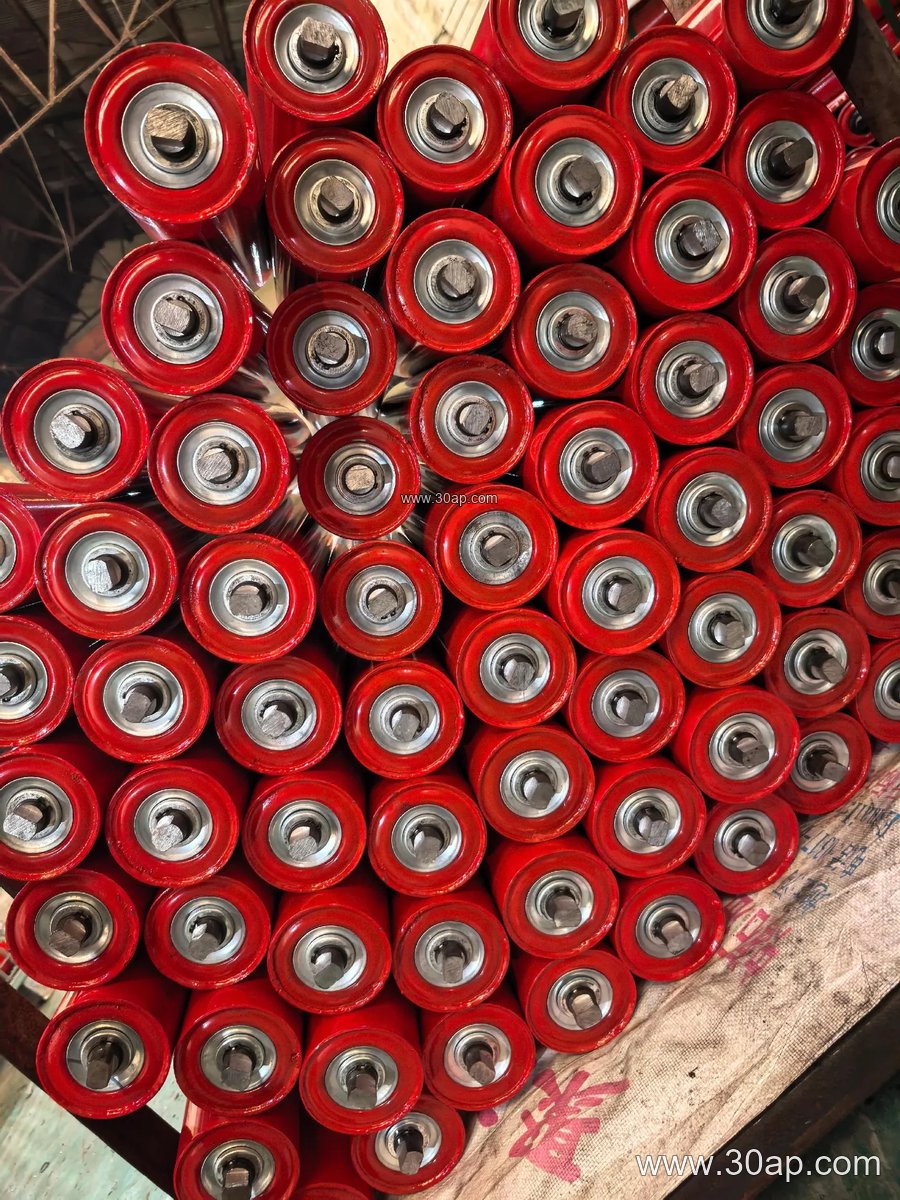
The idler should run freely by hand, sit square to the frame, and align with the belt centerline. A misaligned parallel idler can cause edge wear on the conveyor belt and uneven loading.
Maintenance and Troubleshooting
Parallel idlers are low-maintenance parts, but they are not maintenance-free. Listen for squealing or rumbling, watch for a stopped roller, and check for material build-up on the shell. A roller that no longer turns will flat-spot the belt and raise power demand. Replace seized or badly worn idlers in matched sets where possible, and recheck alignment after replacement.
Keep the area around the loading point clean, because spillage can lift the belt off the idlers. On a pipe conveyor belt or a corrugated sidewall belt, the idler layout is different, so do not mix parallel idler spacing with those designs without checking the drawing.
Summary
A parallel idler is a straightforward but important part of a conveyor. Matching its diameter, length, bearing, and seal to the belt width and working environment keeps the belt running flat, true, and efficiently in mines, quarries, cement plants, and power stations.