What an Acid Resistant Conveyor Belt Is
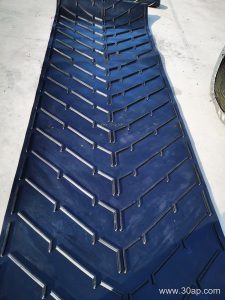
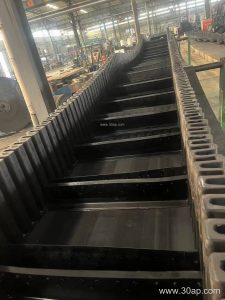
An Acid Resistant Conveyor Belt is a fabric-reinforced rubber belt engineered for conveying materials that release acids, acidic wash water, or aggressive chemical dust. It is one branch of the broader chemical resistant conveyor belt family, and it keeps its own identity: the cover compound and the carcass are chosen so that the belt resists swelling, hardening, cracking, and premature cover loss when mild acids, acidic slurries, or fertilizer residues are present.
The belt is not a universal chemical barrier. Concentrated mineral acids, strong oxidizers, and hot acid solutions usually need a different compound or a specialist belt, so the acid type and concentration should always be confirmed before selection.
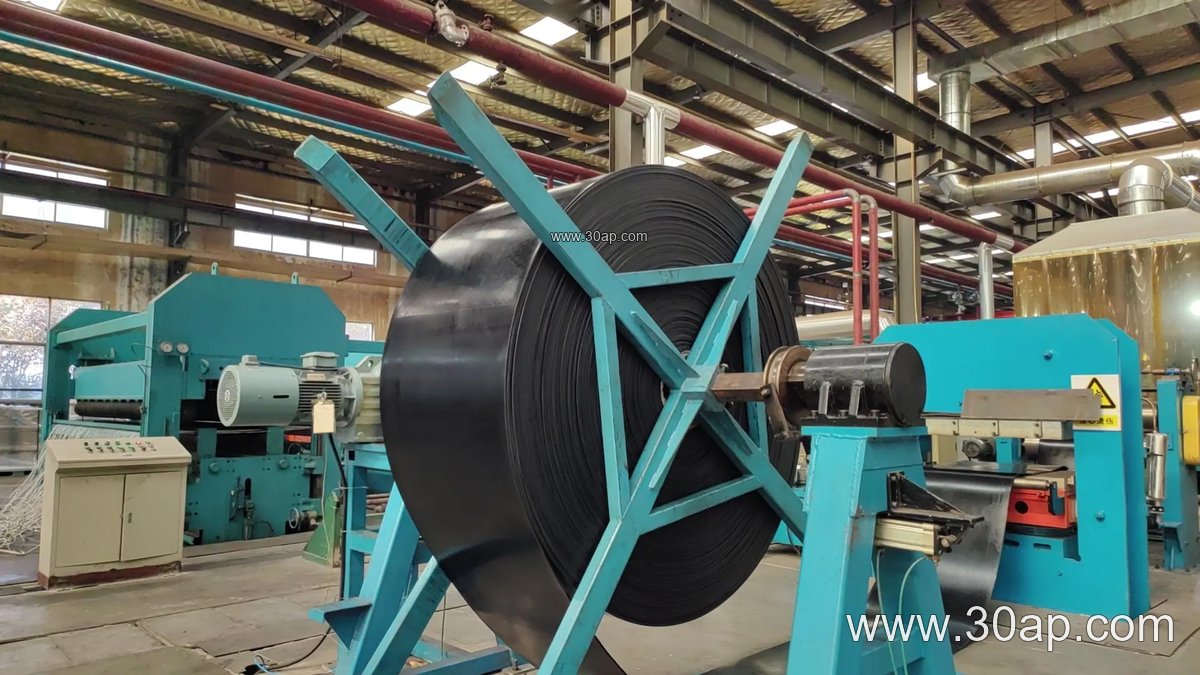
Construction and Materials
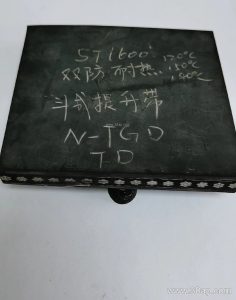
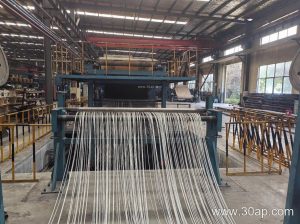
A typical Acid Resistant Conveyor Belt uses an EP or NN fabric core, with two to six plies common depending on the duty. The cover rubber is formulated for acid exposure, usually with a tighter, less permeable surface and careful choice of fillers and curing system. Cover thickness is often quoted as top plus bottom, for example 4+2 mm or 5+2 mm, while heavier duties may use 6+2 mm or 8+3 mm.
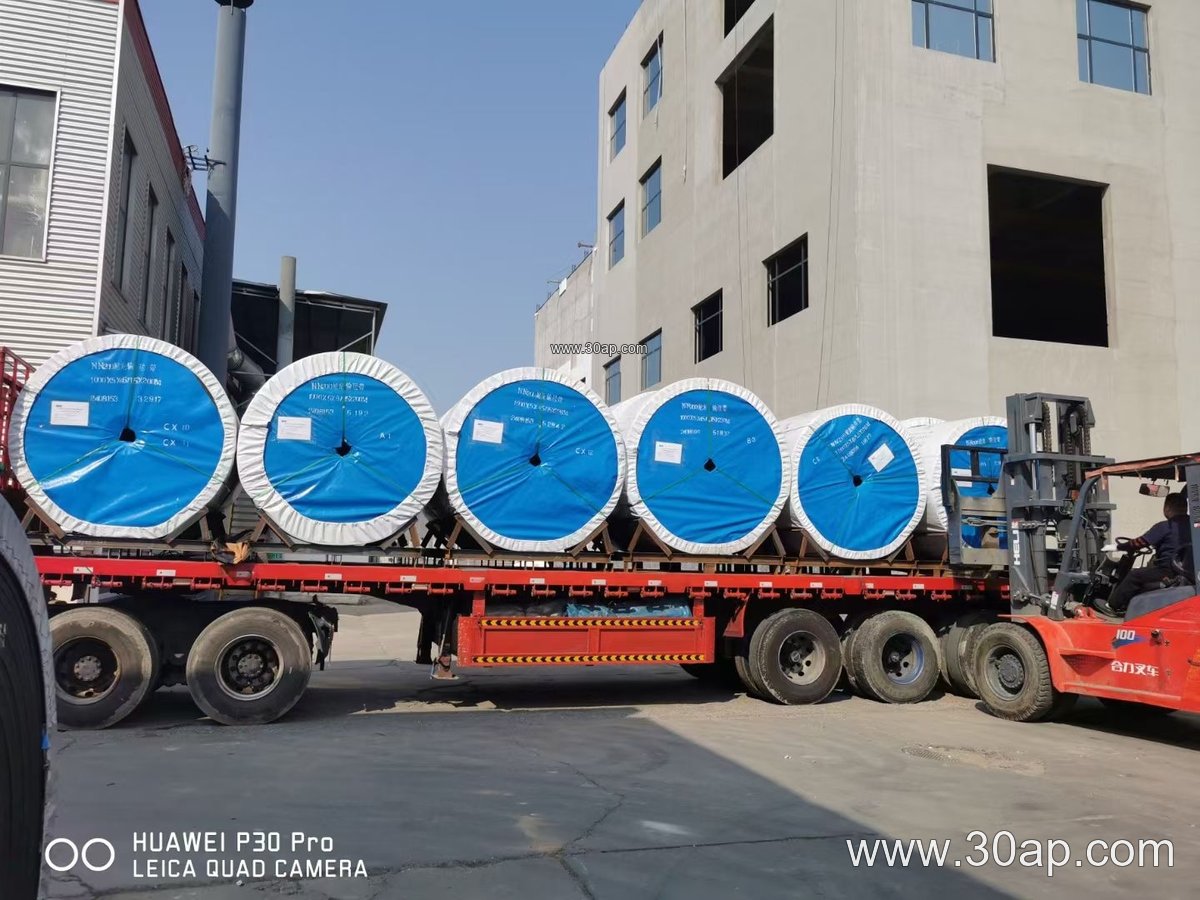
Belt edges, splices, and the pulley side all matter. A well-made acid resistant belt keeps the carcass dry, because acid that reaches the fabric plies can weaken the core long before the top cover looks worn.
| Item | Common reference values |
|---|---|
| Core type | EP fabric, NN fabric |
| Strength grades | EP200, EP400, EP630, EP800, EP1000 |
| Belt width | B500, B650, B800, B1000, B1200, B1400, B1600 |
| Cover combination | 3+1.5, 4+2, 5+2, 6+2, 8+3 mm |
| Ply count | 2 to 6 plies, by design |
These figures are reference data; actual construction is confirmed per application and per manufacturer.
Where It Fits in the Plant
Acid-resistant belts appear in fertilizer plants, phosphoric acid and sulfuric acid areas, chemical warehouses, and mineral processing lines where acidic slurry or damp acidic fines travel on the belt. They also turn up in wastewater treatment, metal pickling and surface treatment lines, and some port or bulk terminal installations handling acidic cargo residues.
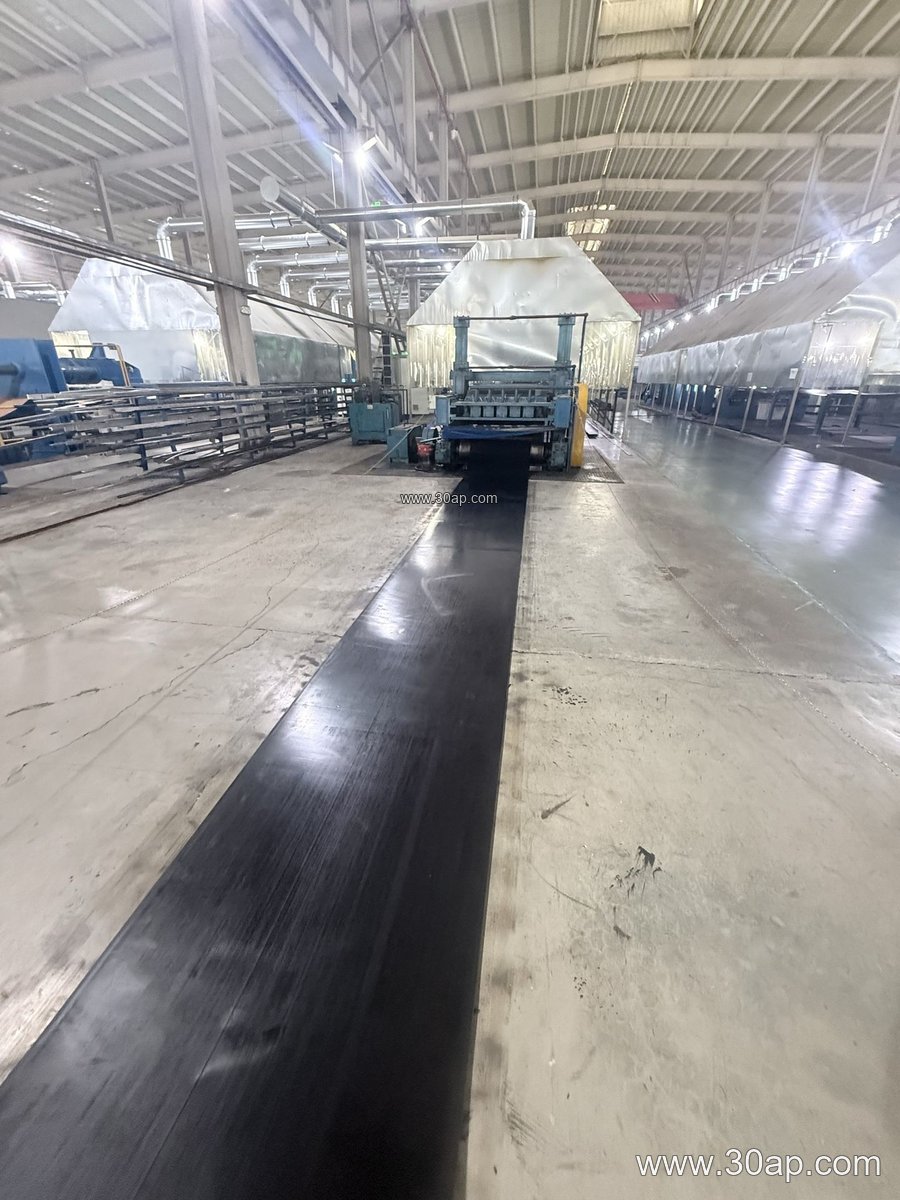
In mines and quarries the belt is usually a secondary choice, since abrasion and impact dominate there; a high abrasion resistant conveyor belt or a heavy-duty mining conveyor belt is more typical. In cement plants and power plants, heat and flame protection often lead, so a heat resistant conveyor belt or flame retardant conveyor belt may be the primary specification. When acid exposure is the defining risk, the acid resistant grade takes priority.
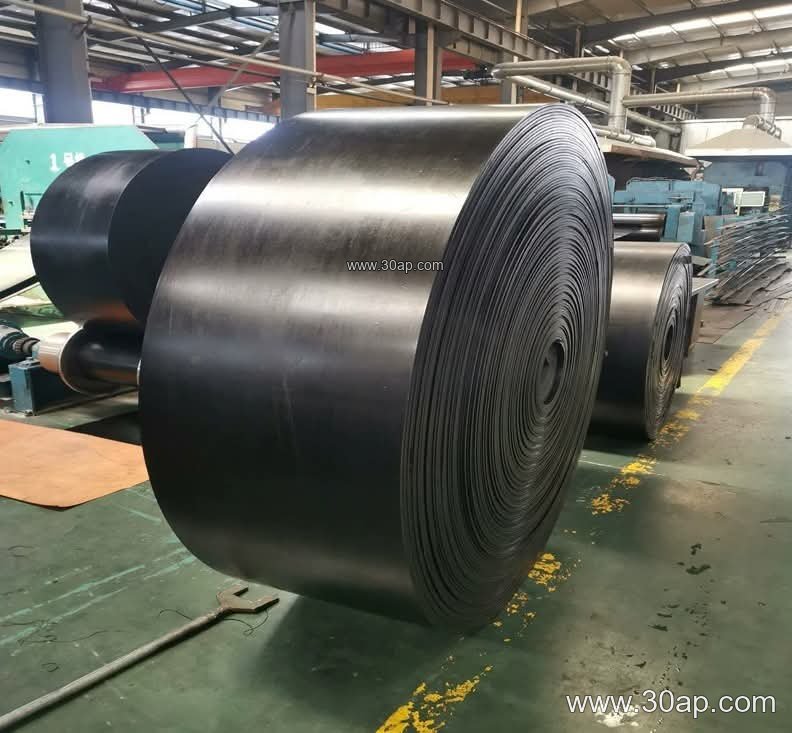
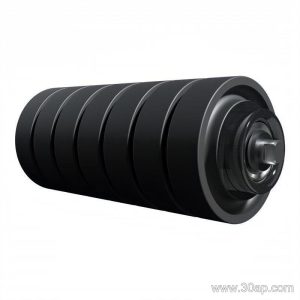
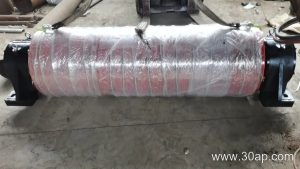
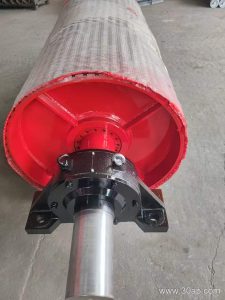
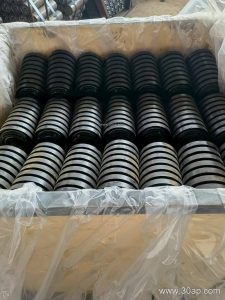
An Acid Resistant Conveyor Belt runs on standard conveyor hardware: conveyor pulleys at the head and tail, idler rollers supporting the carry side, and conveyor brackets holding the frame. Drive, tail, and bend pulleys are separate duties and should not be treated as interchangeable in layout or specification.
Selection Points for Buyers
- Identify the acid, its concentration, and the temperature at the belt surface; these three facts drive compound choice.
- Check whether the acid arrives as splash, spray, immersion, or vapor, since each demands a different level of protection.
- Confirm the required tensile grade and width against the actual conveyor design, not a catalogue default.
- Specify cover thickness and ply count together; a thick cover does not compensate for a weak carcass.
- Review the splice method, because an acid-resistant cover is only as good as its joint.
- Consider edge protection if the belt is likely to mistrack against structure.
Maintenance and Belt Care
Wash-down is the main enemy of long service. Acid residue left on the cover migrates into splices and edges, so routine rinsing and neutralization where appropriate will extend life. Inspect the pulley side and the bottom cover for softening or blistering, and check the idler rollers for acid build-up that can score the belt. Keep the tail area clean, verify that the conveyor pulley lagging is compatible with the chemical environment, and re-tension or re-splice at the first sign of edge lifting.
Store spare belts away from acid drums and out of direct sunlight. When a belt is replaced, record the acid exposure history so the next specification starts from real data rather than guesswork.