What a Loading Point Impact Idler Does
A loading point impact idler is a heavy-duty roller assembly installed directly beneath the chute or transfer point where bulk material first lands on the conveyor belt. Its main job is to absorb the kinetic energy of falling rock, ore, or aggregate and spread that force across a wider belt area, protecting the belt carcass and reducing the chance of punctures, edge damage, and splice failure. In quarry, iron ore, and coal handling circuits, this idler is often the first line of defense for the conveyor belt itself.
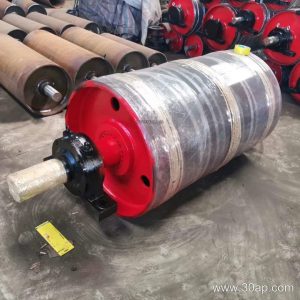
The product is also known as a buffer idler or impact roller, and those terms describe the same item: a roller station built with shock-absorbing elements to cushion the load zone. It should not be confused with a conveyor pulley at the drive, tail, or bend position, which performs a different mechanical function.
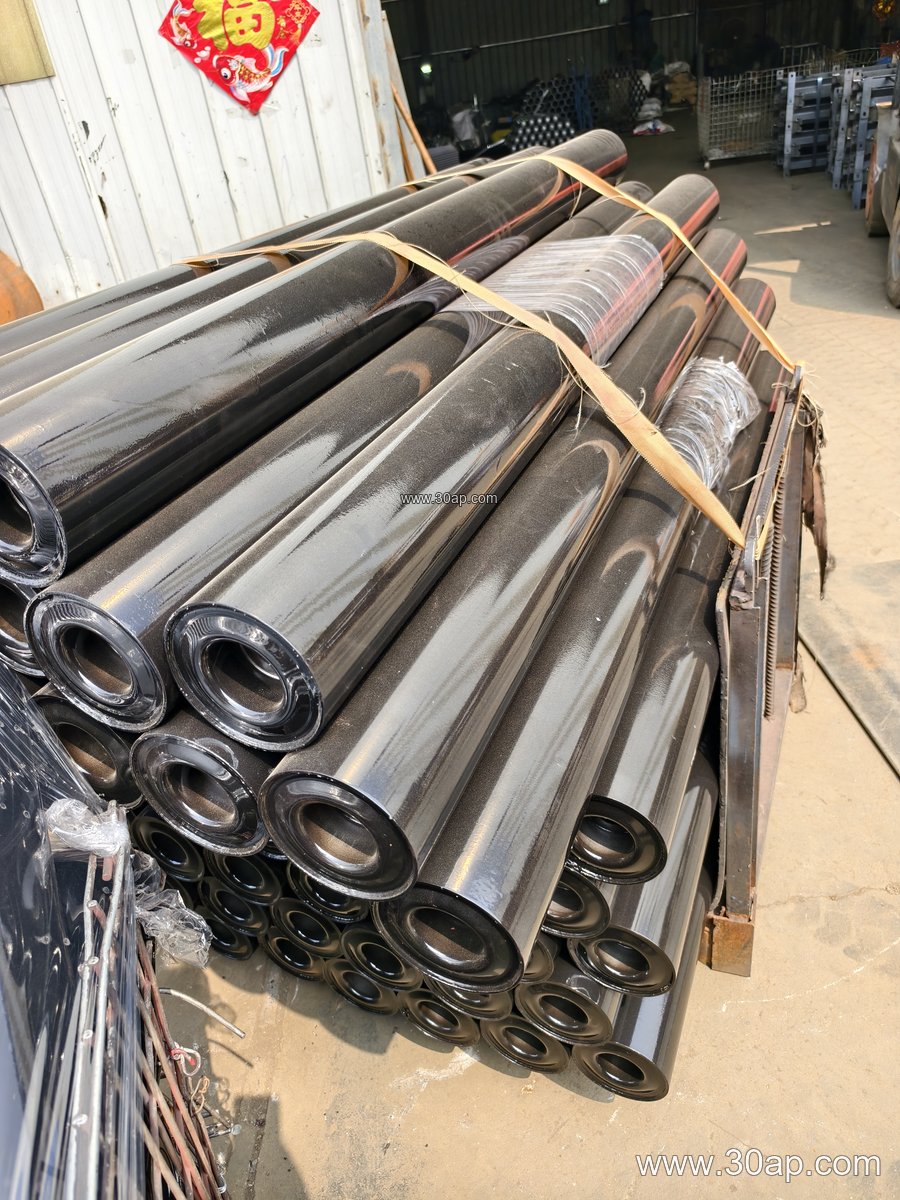
Construction and Key Components
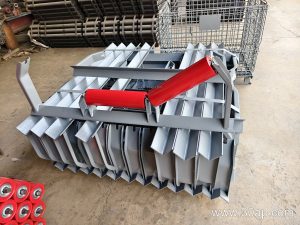
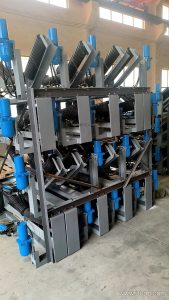
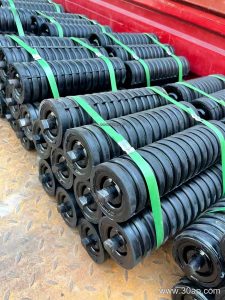
A typical loading point impact idler uses a steel tube body fitted with rubber rings or rubber discs along the roller surface. These rubber elements are the contact point for the belt and provide the cushioning effect. The roller shaft runs through sealed bearings, usually in a 6204, 6205, 6305, 6306, or 6308 size range depending on the load and roller diameter, and the whole assembly is mounted in a sturdy conveyor bracket or frame.
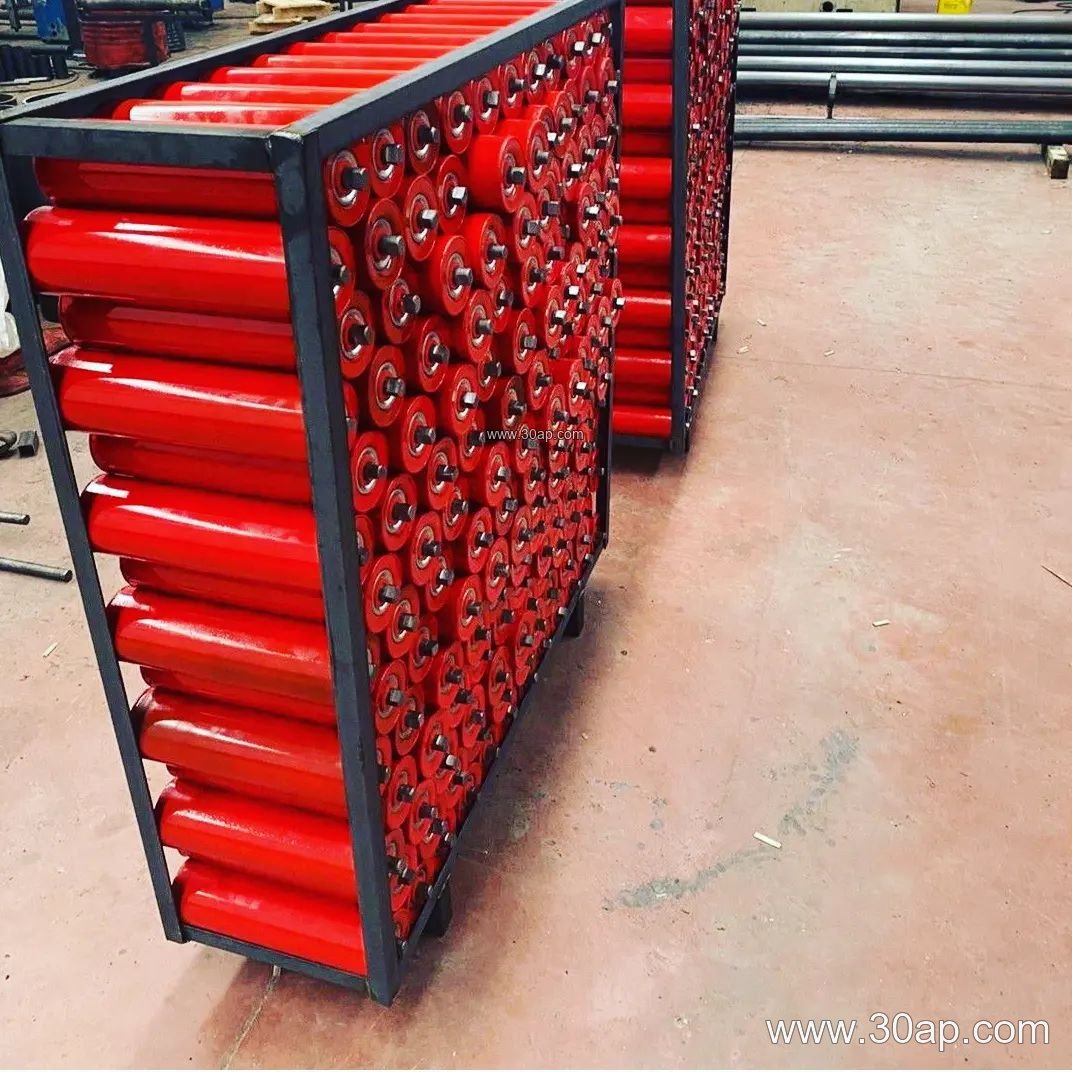
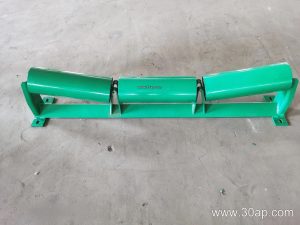
Common roller diameters for this duty include Ø89, Ø108, Ø127, Ø133, Ø159, and Ø178 mm. The roller length and the number of rollers per station follow the belt width and trough angle. For example, a three-roller trough set on a B800 belt often uses side rollers around 315 mm long, while a B1200 belt may call for roughly 465 mm rollers. These are reference examples, not fixed matches; final dimensions are set by the conveyor design.
Where It Fits on the Conveyor
The loading point impact idler sits in the impact zone, usually just downstream of the feed chute and before the first regular carrying idler. It is most common in primary crushing stations, screening plants, and transfer towers. In a sand and gravel line, it protects the belt under the crusher discharge. In a coal preparation plant or power plant coal yard, it shields the belt from lump coal and rejects. The same buffer roller arrangement is used in limestone mines, copper ore handling, and tunnel spoil removal.
Compared with a standard trough idler, the impact version has a thicker roller shell, rubber-covered surface, and often a reinforced frame. A standard carrying idler supports the belt and maintains the trough profile; the impact idler adds energy absorption at the point of impact. Both are needed on the same conveyor, but they are not interchangeable.
Selection Details Buyers Should Check
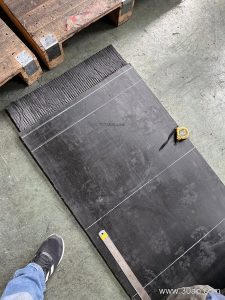
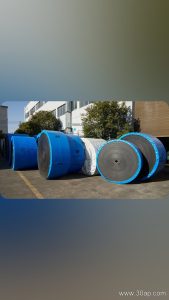
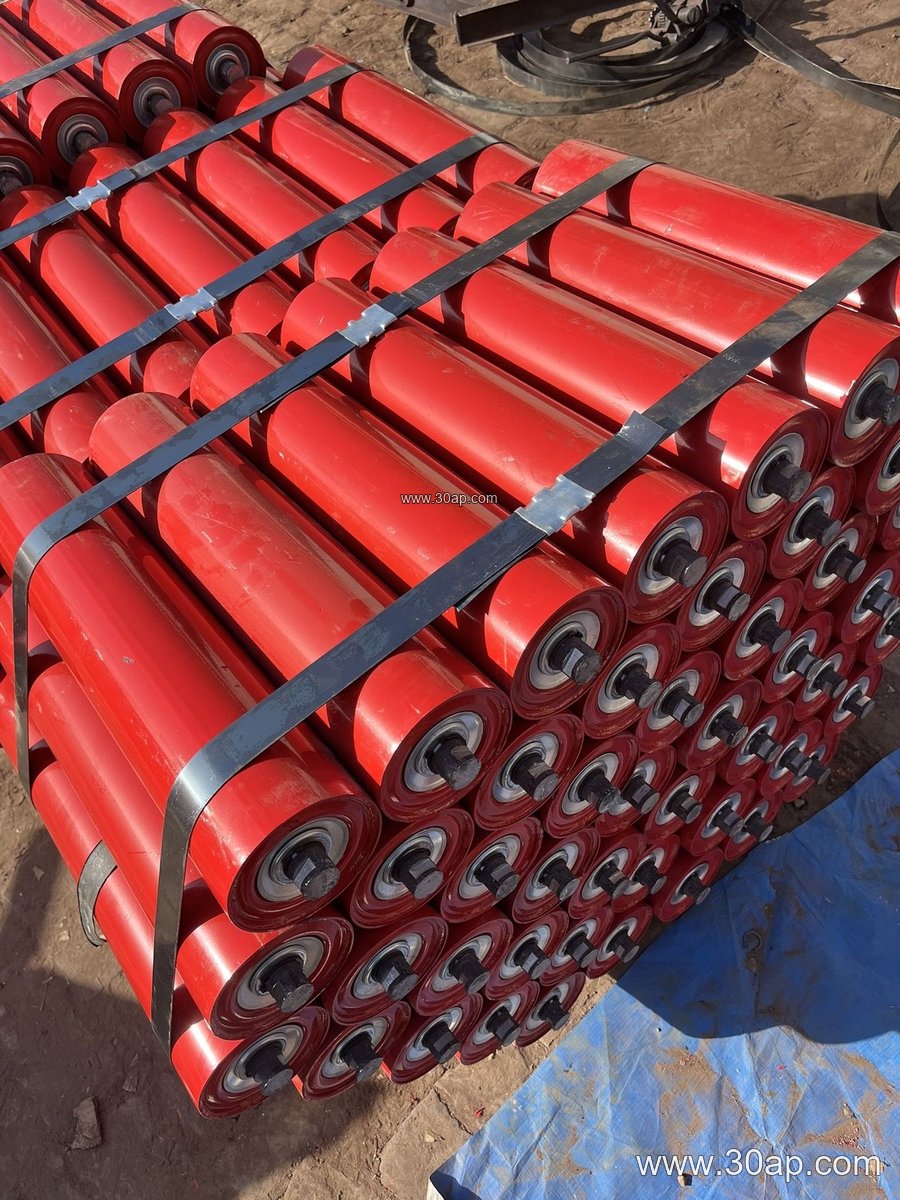
When specifying a loading point impact idler, confirm the belt width, the trough angle (20, 30, 35, or 45 degrees), the material lump size, and the drop height. The belt itself matters too: a heavy-duty mining conveyor belt or abrasion resistant conveyor belt may tolerate more impact, while a thinner EP conveyor belt or NN conveyor belt needs more cushioning. For hot materials such as cement clinker, a heat resistant conveyor belt may be used, and the idler rubber should be chosen accordingly.
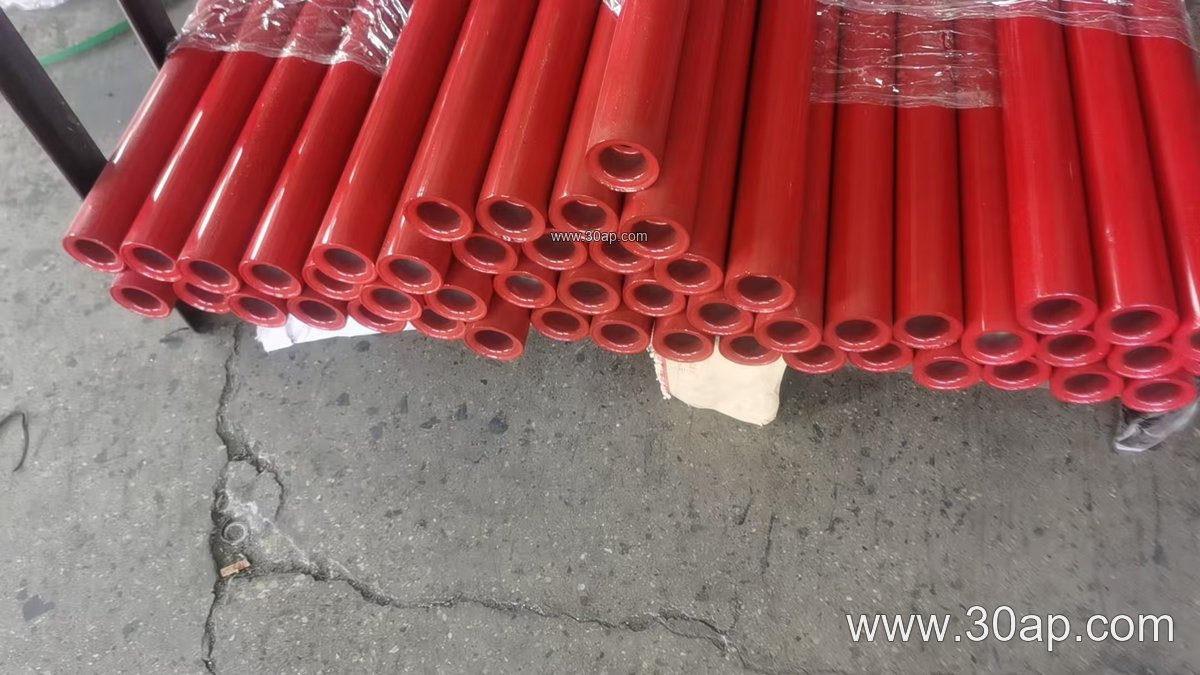
- Roller diameter and wall thickness
- Rubber ring hardness and spacing
- Bearing size and sealing arrangement
- Frame mounting dimensions and bracket type
- Belt width and trough angle compatibility
Buyers should also ask whether the idler is designed for a single-roller, two-roller, or three-roller station, and whether the impact zone needs a transition idler nearby to ease the belt into the trough. In a port or ship loading conveyor, the loading point may be relatively gentle, while a primary crusher discharge in a quarry is far more punishing. The idler specification should reflect that difference.
Maintenance and Service Life
Inspect the impact idler for worn or missing rubber rings, seized bearings, and frame distortion. A worn rubber surface transfers more shock to the belt, so replacing rings on schedule is cheaper than replacing a torn conveyor belt. Keep the loading chute aligned so material lands centrally, and check that the conveyor bracket bolts remain tight. On a steel cord conveyor belt or a high strength conveyor belt carrying large ore, the impact idler is a low-cost component protecting a high-cost belt, so routine checks pay off.
For more information on conveyor components and belt selection, visit the resources at www.beltconveyorparts.com and www.conveyoridler.com.