What a Plain Lagged Pulley Does
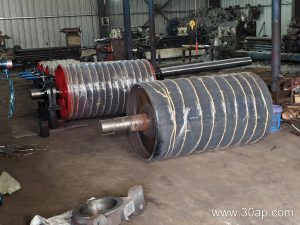
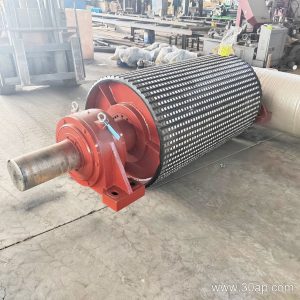
A plain lagged pulley is a conveyor pulley whose shell is covered with a smooth, unpatterned rubber or elastomer layer. The word “plain” describes the lagging surface, not the pulley’s role in the conveyor. This pulley is often the drive pulley at the head of a belt conveyor, where it transmits torque to the conveyor belt. Its smooth lagging improves grip on the belt, protects the shell from wear, and helps reduce belt slip under load. Buyers may also see it called a smooth lagged pulley or a plain rubber lagged pulley, meaning the same product.
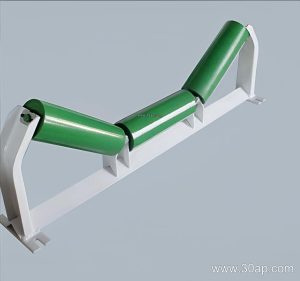
In a bulk handling line, the pulley works together with the conveyor belt, idler roller, and conveyor bracket. The plain lagging is a practical choice where the belt back is clean and the main goal is steady friction rather than aggressive traction. It is not a tail pulley or a bend pulley by default; those are separate positions with different duties. A plain lagged pulley can be used as a drive pulley, but the position and the surface should be selected independently.
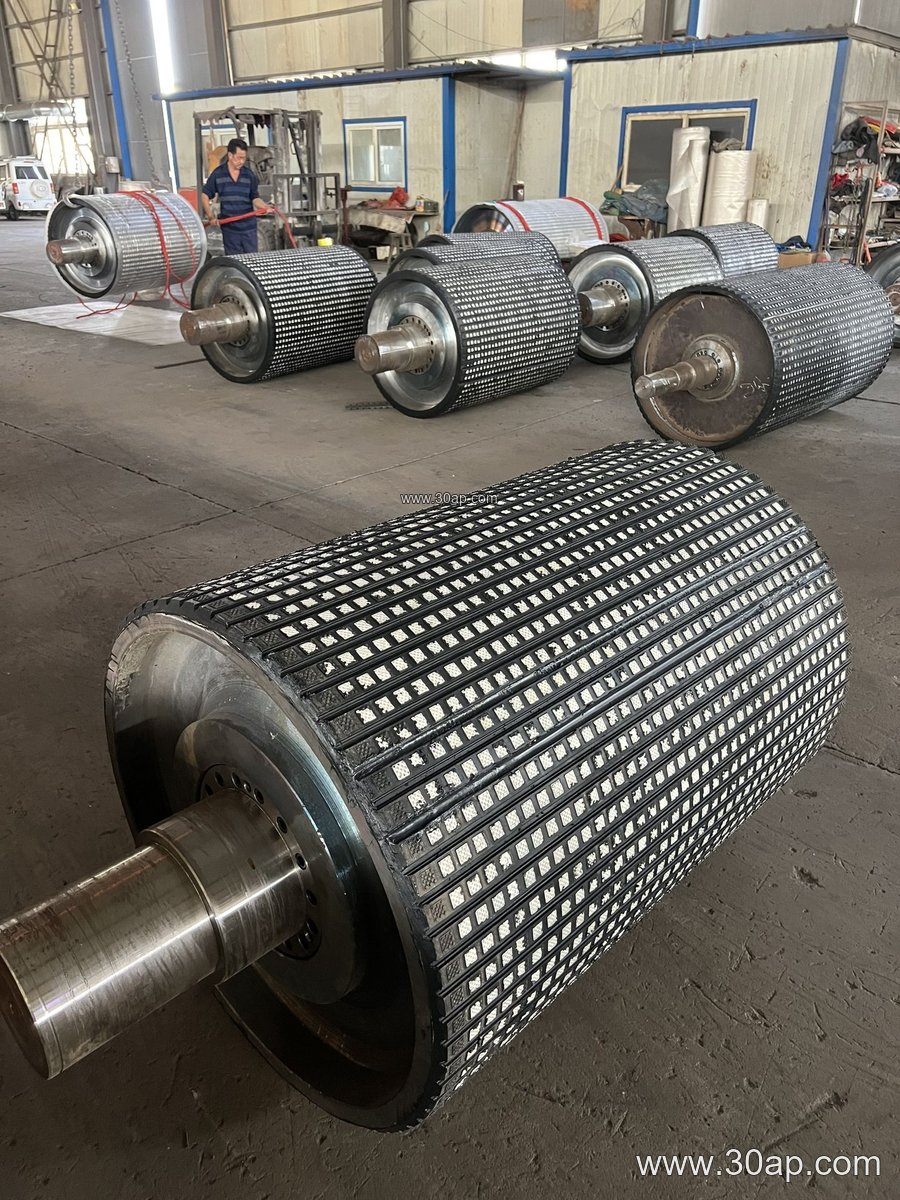
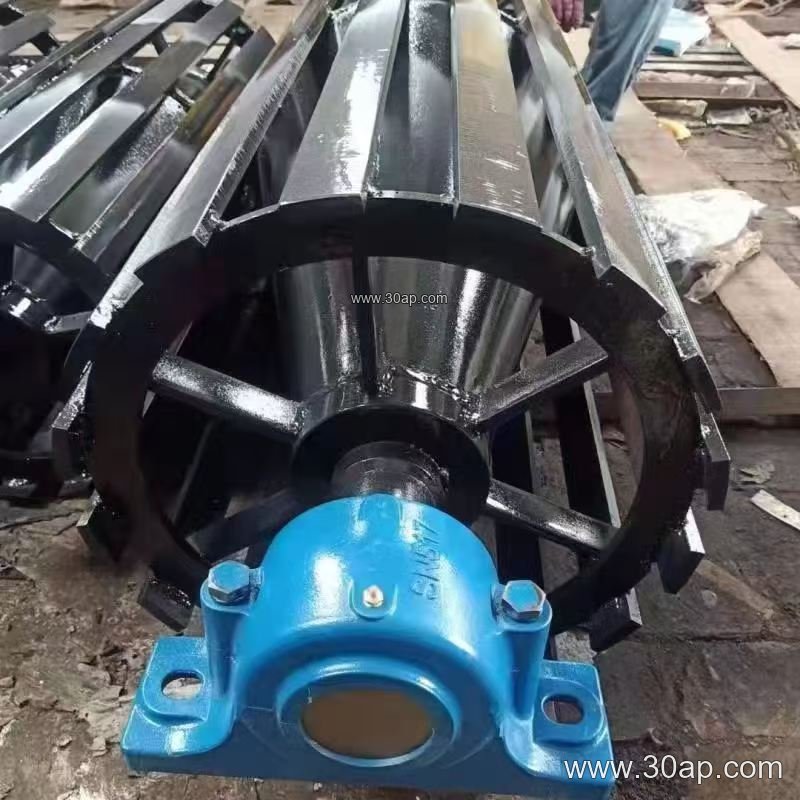
Construction and Surface Details
The pulley body usually starts as a steel shell with welded end discs and a shaft. Lagging is applied as a plain rubber sheet or a plain rubber layer, bonded by cold adhesive or hot vulcanization. Common lagging thicknesses are 8, 10, 12, 15, and 20 mm, chosen according to belt tension, duty, and expected wear. The face width is normally wider than the belt; for example, a B800 belt often runs on a pulley face around 950 mm, and a B1200 belt on roughly 1400 mm. These are reference patterns, not fixed rules.
Shaft diameter is determined by torque and load, not by belt width alone. Common shaft sizes include Ø80, Ø100, Ø120, Ø140, and Ø160 mm, but the final value comes from the conveyor design. A plain lagged pulley may be supplied with a smooth rubber cover in a single hardness or in a grooved version; the plain form remains the reference here. Where extra traction is needed, a diamond or herringbone pattern may be compared, but those are different surface forms, not replacements for the plain lagged pulley.
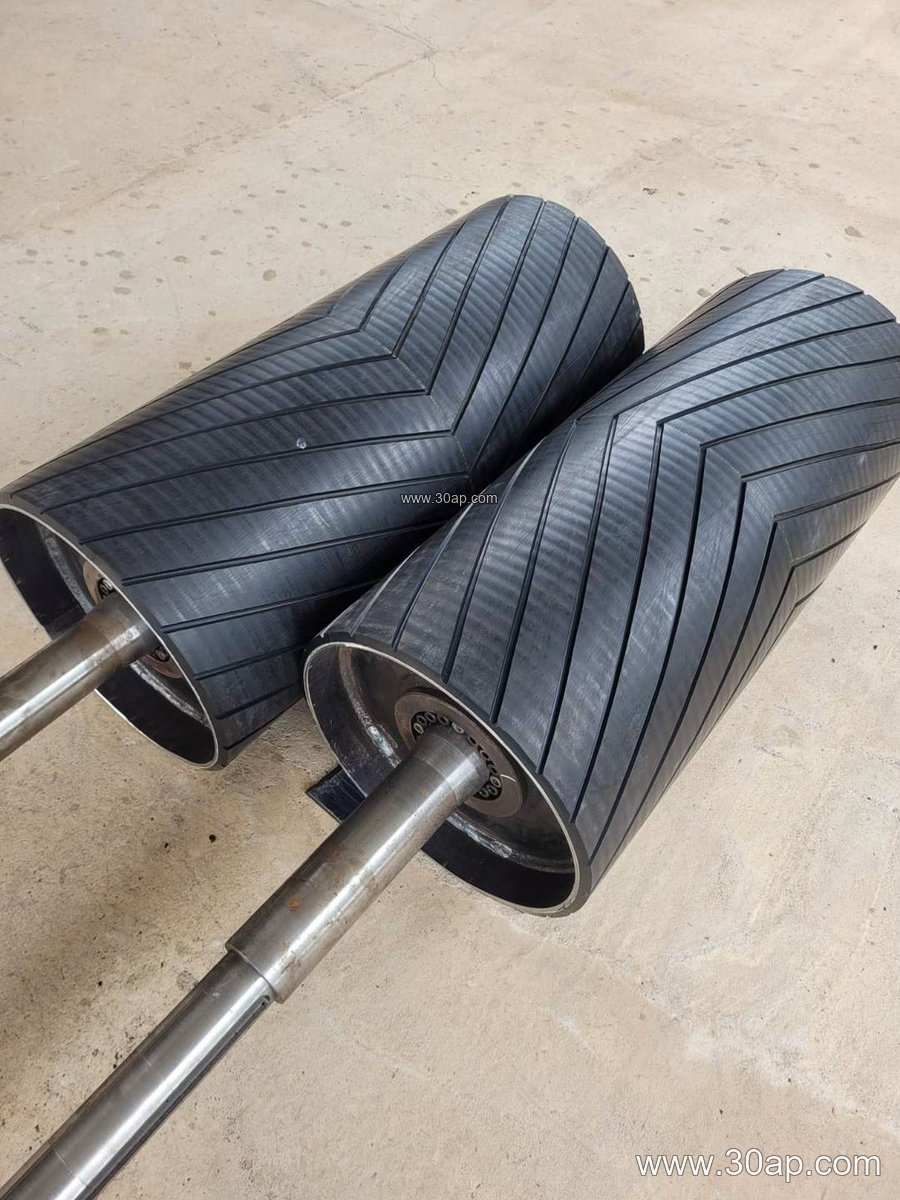
Where It Fits in the Plant
Plain lagged pulleys appear in quarry conveying, limestone and iron ore handling, coal preparation, cement clinker lines, and power plant coal feed systems. In a sand and aggregate plant, a plain lagged drive pulley may run behind a crusher conveyor belt or a screen feed belt. In a port bulk terminal, it can serve on a ship loading conveyor where the belt is kept reasonably clean. The smooth cover is also common on medium-duty lines that use an EP conveyor belt or a multi-ply fabric core belt and need reliable friction without an aggressive pattern.
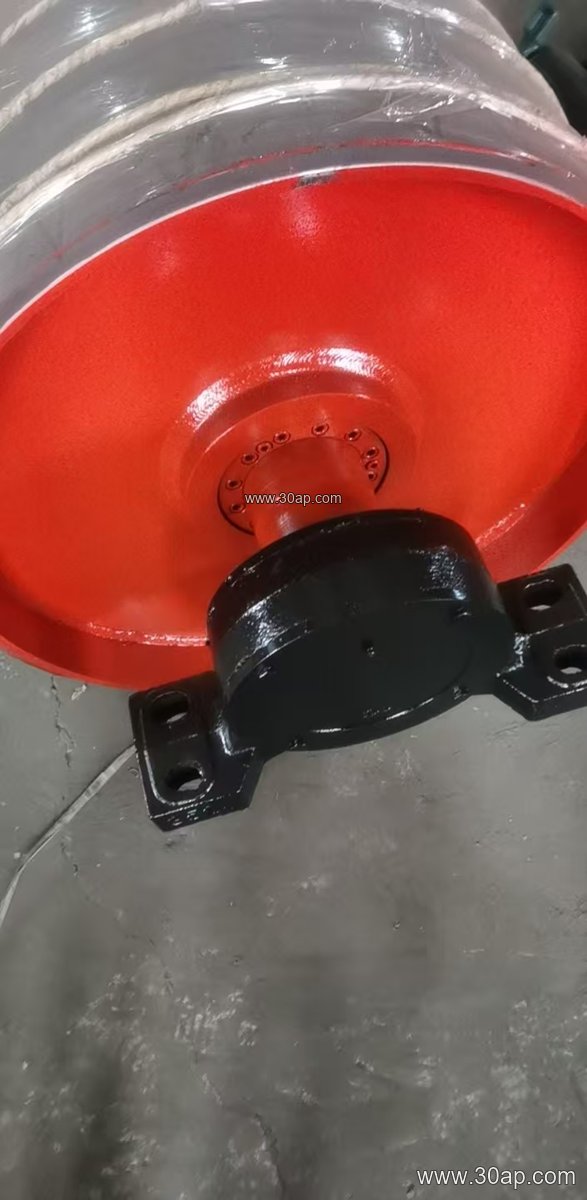
Heavier duties may call for a steel cord conveyor belt or a high strength conveyor belt, and the pulley lagging then needs enough thickness and bond strength for the tension. In underground coal mining, flame retardant conveyor belt and anti-static conveyor belt requirements affect the whole conveyor, including the rubber cover. The plain lagged pulley should be specified together with the belt, not in isolation.
Selection Points for Buyers
Start with the pulley position and duty, then confirm the belt width, face width, shell diameter, shaft size, and lagging thickness. A B1000 belt might run on a Ø800 or Ø1000 pulley, while a B1400 belt may use a Ø1000 or Ø1250 shell; these are examples only. Check the bearing type, locking assembly, and whether the pulley is welded or removable-end. For maintenance, inspect the plain lagging for wear, cuts, and unbonded edges, and keep the belt tracking correct so the cover wears evenly.
Ask for the lagging material, hardness, and bonding method, and confirm that the pulley drawing matches the conveyor bracket and shaft connection. A plain lagged pulley is a simple component, but its fit with the conveyor belt, idler roller, and frame determines how well the drive performs.