What Rubber Pulley Lagging Does on a Conveyor
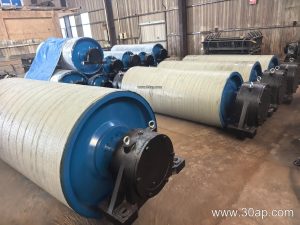
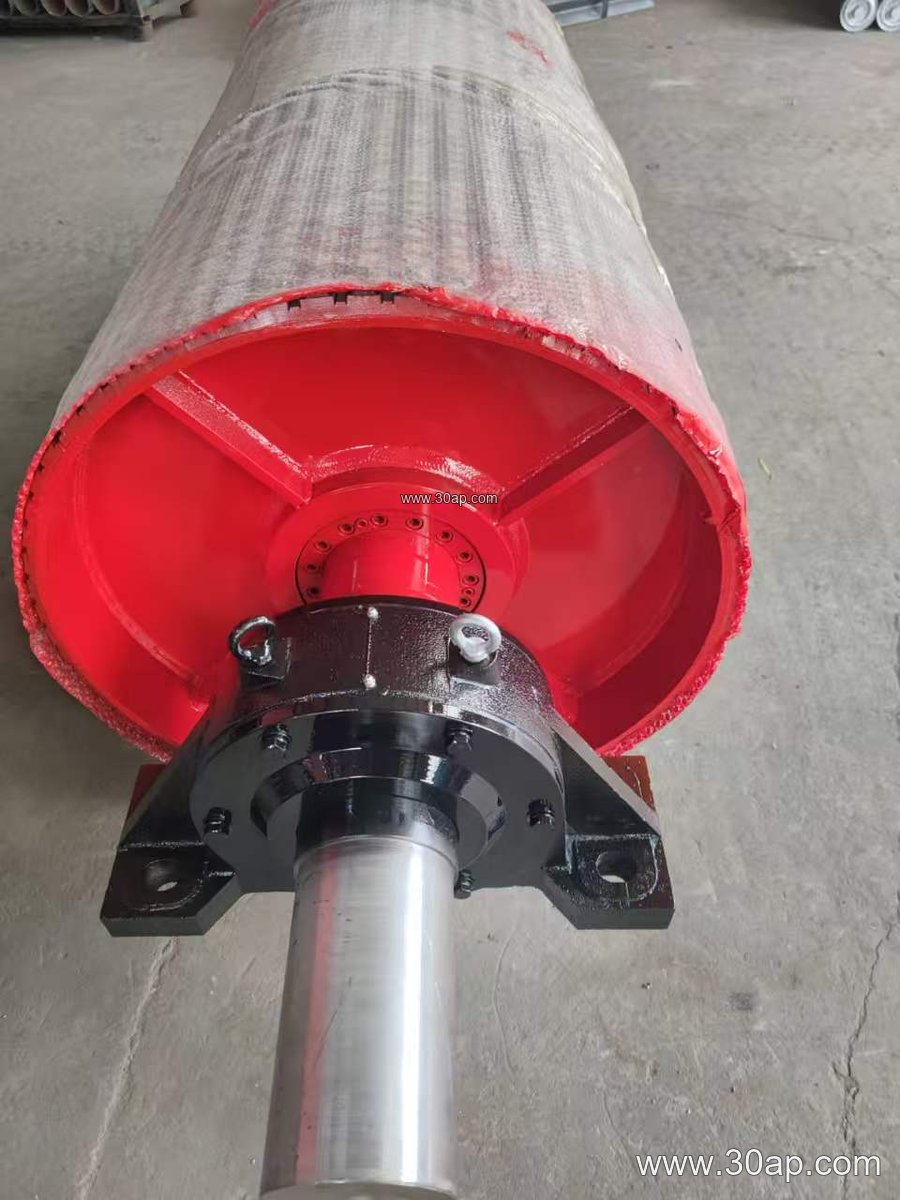
Rubber pulley lagging is the rubber layer bonded to the shell of a conveyor pulley to raise friction between the drum and the conveyor belt. Without it, a bare steel shell can slip once the belt carries wet, dusty or oily material, and slip means heat, wear and shortened belt life. The lagging also cushions the belt at the contact point and protects the pulley shell from abrasion. On a quarry conveyor or a cement plant clinker line, this small rubber layer often decides whether the drive pulls steadily or keeps stalling.
Suppliers describe the same product as pulley rubber lagging, drum lagging or rubber pulley covering. These names refer to one item, and the subtype matters: drive pulley lagging, tail pulley lagging and bend pulley lagging are different jobs and are not interchangeable.
How the Lagging Is Built
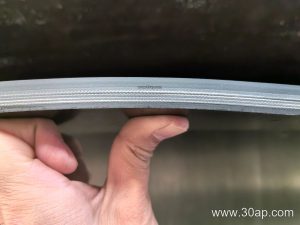
Most rubber pulley lagging is supplied either as precured rubber sheets with a bonding layer or as uncured rubber that is applied and vulcanized in place. A typical build includes:
- An abrasion resistant rubber top layer, often 8, 10, 12, 15 or 20 mm thick, chosen by duty rather than by habit.
- A bonding system, either cold-bond adhesive or hot vulcanization, matched to the pulley shell preparation.
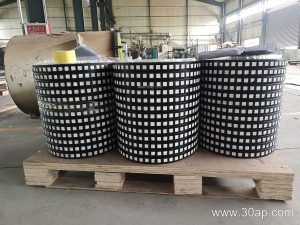
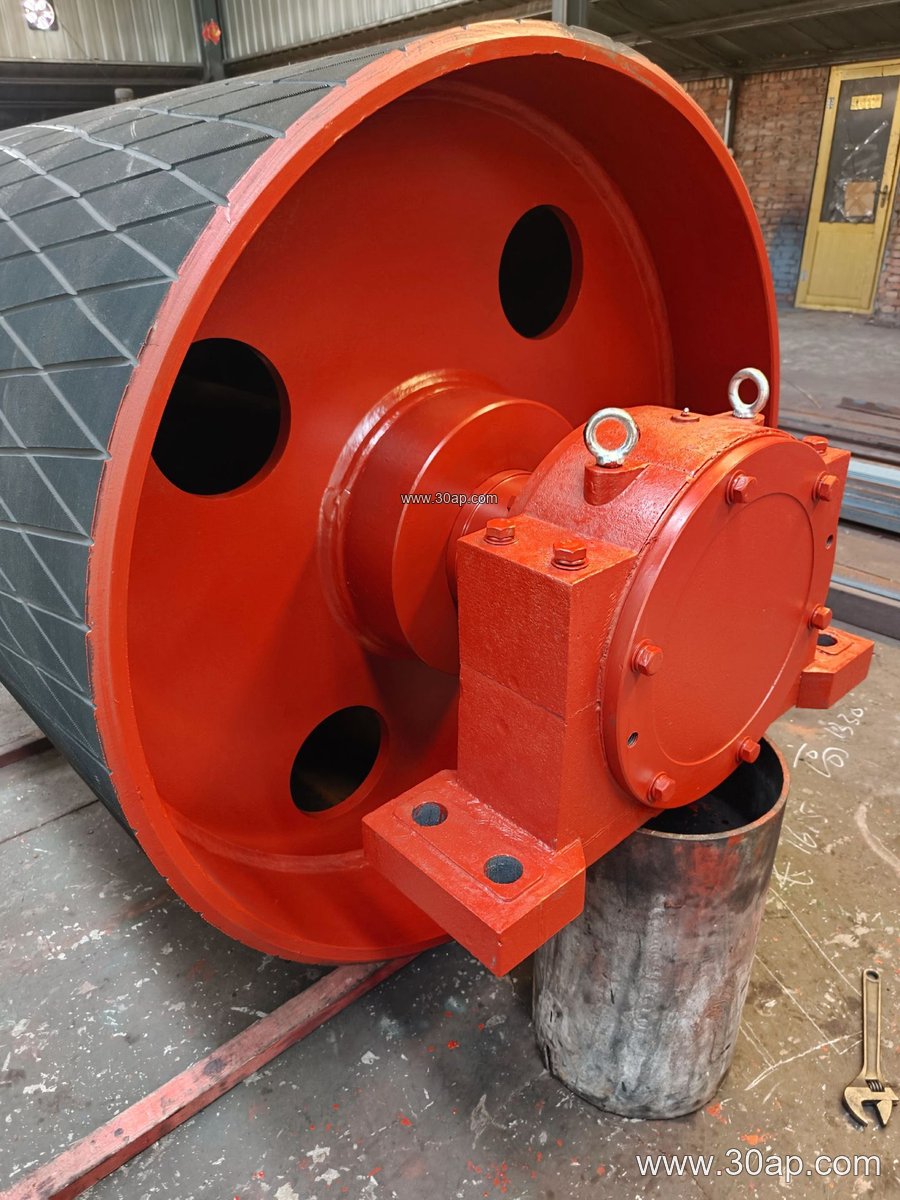
- Optional surface patterns such as diamond lagging, herringbone lagging or plain sheet, plus ceramic lagging for very high grip demands.
Cold-bonded rubber is easier to install on site, while hot-vulcanized lagging usually gives a stronger bond for heavy-duty mining conveyor pulleys. Both need a clean, dry, correctly prepared shell.
Where It Is Used
Rubber lagging appears wherever a belt wraps a drum under load. In a limestone mine, drive pulley lagging keeps the head end pulling when rock dust coats the belt. In a coal washing plant, tail pulley lagging helps the return side track without slip, while bend pulley lagging guides the belt through a snub or take-up arrangement. Power plant coal handling and port bulk terminals also rely on it, especially where belts run wet.
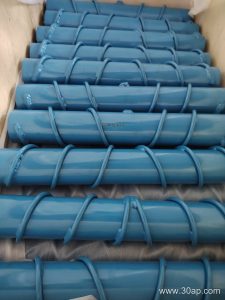
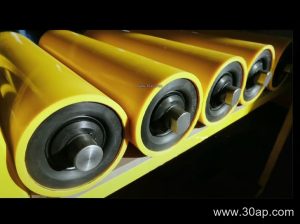
It works alongside the rest of the conveyor: a Rubber Conveyor Belt, idler roller and conveyor bracket all influence how evenly the belt meets the pulley. A poorly tracked belt wears lagging on one edge first, so alignment matters as much as the rubber itself.
Surface Forms and Where They Fit
Plain sheet is common on tail and bend pulleys where the aim is protection rather than maximum grip. Diamond and herringbone patterns shed water and fines and are popular on drive pulleys. Ceramic lagging suits high-torque drives with abrasive slurries. Thickness should follow the load and the belt tension, not a single universal rule.
Common Reference Dimensions
These values are typical references and are confirmed by design for each pulley. They are not fixed pairings.
| Belt width (B) | Typical shell face width | Example pulley diameter |
|---|---|---|
| B400 | about 500 mm | Ø200 to Ø315 |
| B500 | about 600 mm | Ø250 to Ø400 |
| B650 | about 750 mm | Ø315 to Ø500 |
| B800 | about 950 mm | Ø400 to Ø630 |
| B1000 | about 1150 mm | Ø500 to Ø800 |
| B1200 | about 1400 mm | Ø630 to Ø1000 |
| B1400 | about 1600 mm | Ø800 to Ø1250 |
| B1600 | about 1800 mm | Ø1000 to Ø1400 |
Common shaft diameters run from Ø50 to Ø200, but shaft size follows torque and bearing load, never belt width alone. A B1200 pulley may use Ø1000 or another diameter depending on belt speed and wrap angle.
Buyer Checklist
- Identify the pulley position first: drive, tail, bend, take-up or snub. Each needs different grip and wear resistance.
- Confirm shell diameter, face width and shaft diameter from the existing drawing.
- State the material handled: wet ore, hot clinker, oily scrap or fine aggregate changes the rubber compound.
- Choose the bonding method based on site capability. Hot vulcanization needs equipment; cold bond needs dry weather and careful prep.
- Ask how the lagging is finished at the edges, since belt tracking depends on a clean shoulder.
For a full conveyor package, buyers often compare pulley lagging together with an EP Conveyor Belt, a Steel Cord Conveyor Belt or a Flame Retardant Conveyor Belt, and check idler roller spacing before ordering. Matching the lagging to the whole system avoids premature wear and keeps the drive running quietly.