What a Conveyor Belt Idler Actually Does
A conveyor belt idler is the rotating support that carries the belt and the material load along the length of a conveyor. In everyday plant language it is often called an idler roller, and the two terms describe the same component. The idler does not drive the belt; that job belongs to the conveyor pulley at the head end. Instead, the idler keeps the belt in a stable trough, limits sag between support points, and reduces friction so the drive system does not waste energy dragging the belt over a fixed surface.
Because a typical conveyor may use hundreds of idlers, small differences in rolling resistance, sealing quality and alignment add up over a full shift. This is why buyers in a quarry, a cement plant or a power plant coal yard often treat idler selection as a reliability decision rather than a simple spare-part purchase.
How an Idler Roller Is Built
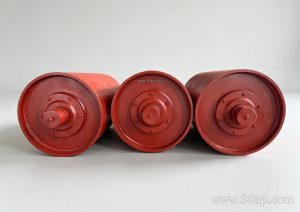
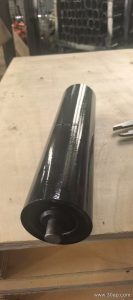
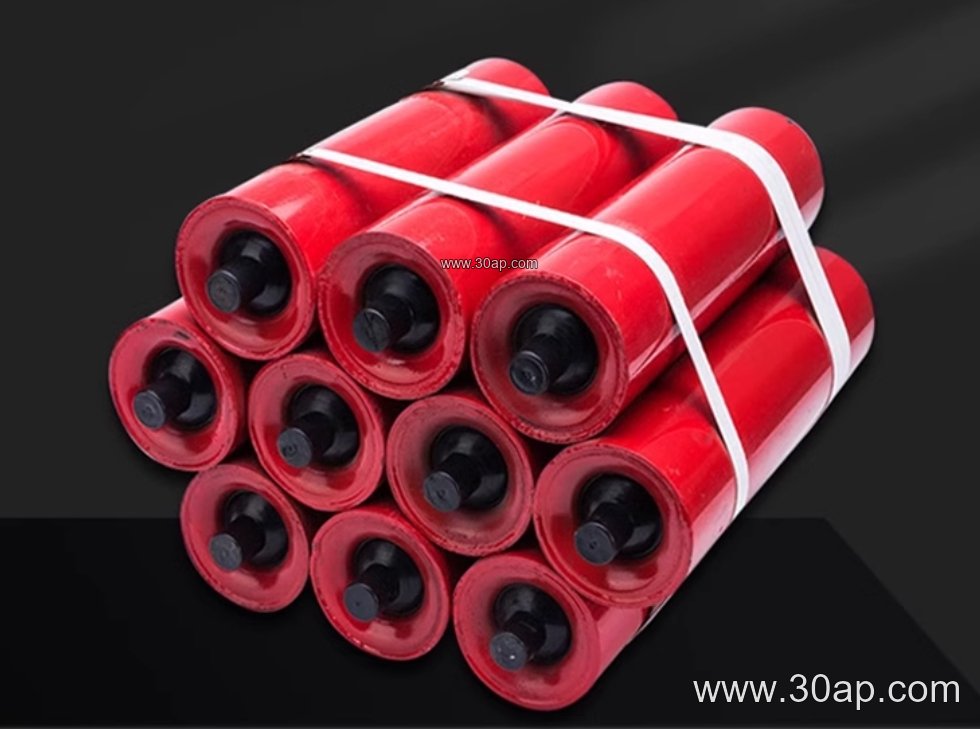
Most idlers share a common architecture: a steel tube shell, a shaft that runs through the centre, bearing housings at each end, and a sealing arrangement that keeps dust and water away from the bearings. The shell may be plain steel, nylon-coated, ceramic-covered or fitted with rubber rings for impact absorption. Bearing size is matched to the load and speed of the application rather than to a single tube diameter, so common bearings such as 6204, 6205, 6305, 6306, 6308 and 6310 appear across a range of roller sizes.
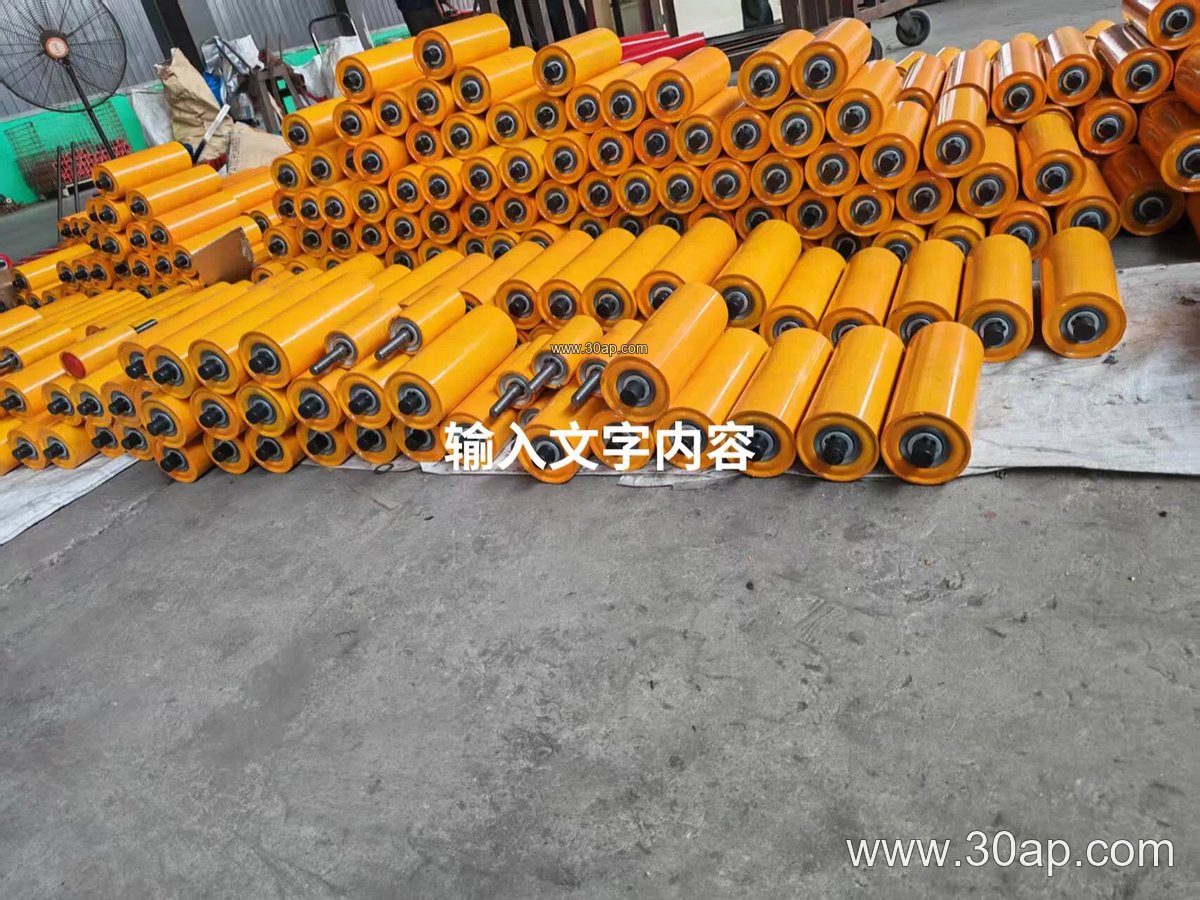
Sealing is the detail that separates a long-service idler from a short one. In a stone crushing line or an iron ore transfer point, fine abrasive dust will find any weak point in the labyrinth. A well-designed seal path, combined with adequate grease retention, is often more important than a thicker shell.
Common Idler Types and Where They Sit
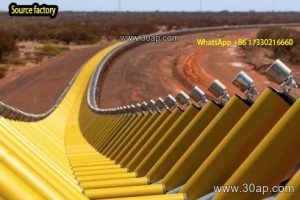
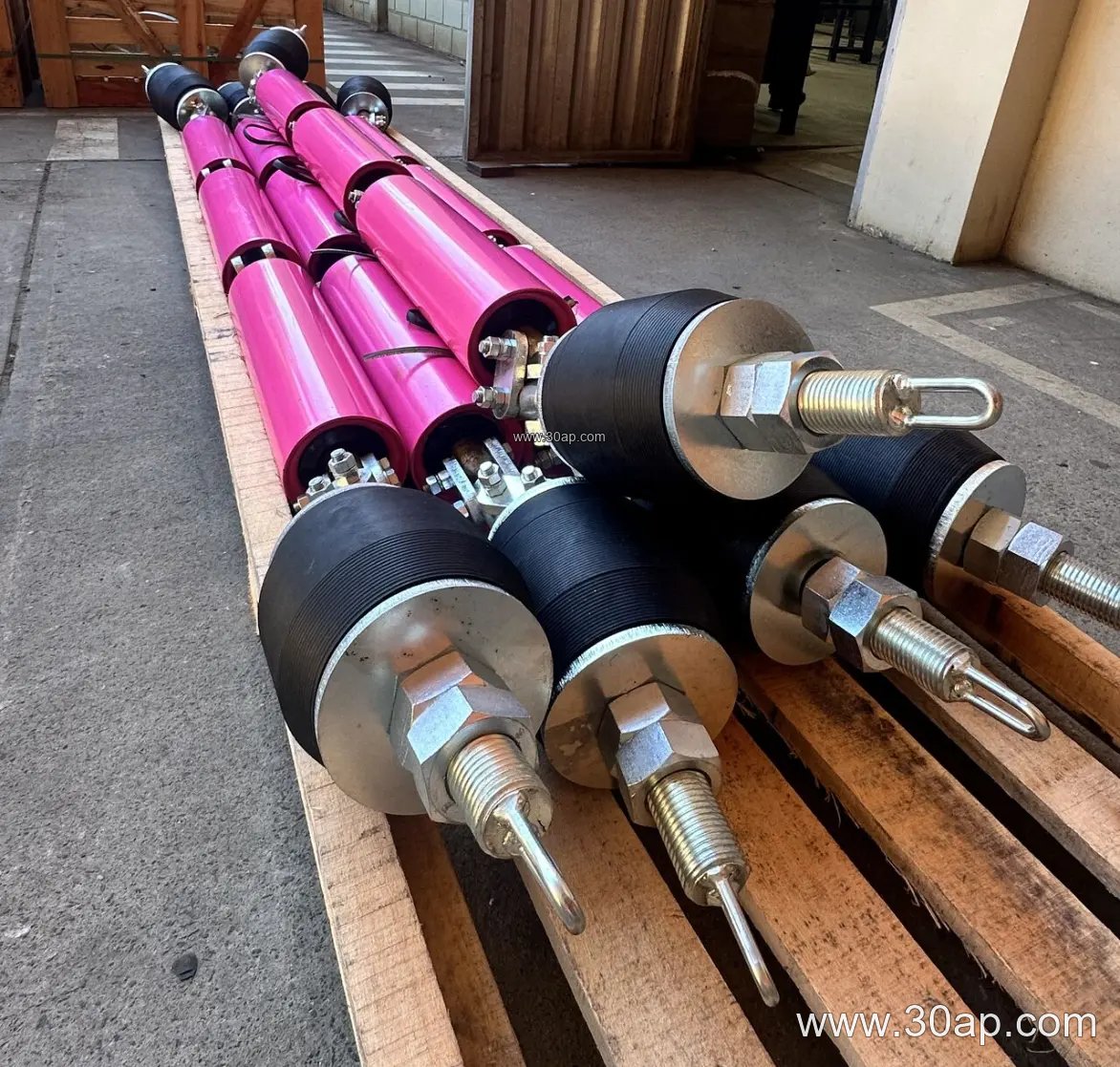
The carrying side of a belt usually runs on three-roll troughing sets, while the return side runs on flat or V-shaped return idlers. Impact zones under a crusher discharge call for impact idlers, sometimes with rubber rings, to absorb the energy of falling rock. Self-aligning idlers help correct belt wander on long conveyors, and spiral or comb-type rollers can be used where sticky material tends to build up on the shell.
- Troughing idlers: support the loaded belt in a trough, commonly at 20, 30, 35 or 45 degrees.
- Impact idlers: placed at load points to cushion lump impact.
- Return idlers: flat or V-shaped, supporting the empty belt.
- Self-aligning idlers: used to control belt tracking on long runs.
These types are not interchangeable with each other, and none of them replaces the drive, tail or bend pulley. A conveyor pulley transmits power or changes belt direction; an idler only supports and guides.
Matching Roller Diameter, Belt Width and Trough Angle
Roller diameter and belt width are related through the conveyor design, not through a fixed rule. A wider belt generally needs a larger idler set and longer rolls, but the exact shaft, bearing and shell thickness are set by load, speed and belt tension. Typical roll lengths for three-roll troughing sets are often quoted around 200 mm for B500, 250 mm for B650, 315 mm for B800, 380 mm for B1000, 465 mm for B1200, 530 mm for B1400, 600 mm for B1600, 670 mm for B1800 and 750 mm for B2000, with side rolls and centre rolls able to differ. These are common examples, not universal pairings.
| Reference item | Common range |
|---|---|
| Roller diameter | Ø63, Ø76, Ø89, Ø102, Ø108, Ø127, Ø133, Ø159, Ø178, Ø194, Ø219 |
| Belt width | B400, B500, B650, B800, B1000, B1200, B1400, B1600, B1800, B2000, B2200, B2400 |
| Trough angle | 20°, 30°, 35°, 45° |
| Shell surface | Steel, nylon, ceramic, rubber rings |
The trough angle affects how the material sits on the belt. A deeper trough holds a larger load and reduces spillage on a high-capacity coal mining conveyor belt, but it also increases belt bending stress at the transition. Forward-leaning idlers, usually around 1.5 to 2 degrees, are sometimes specified to improve tracking rather than to change capacity.
Where Idlers Earn Their Keep
In a limestone quarry, dust and moisture are constant companions, so sealed idlers with abrasion-resistant shells tend to last longer. In a power plant coal yard, the combination of a flame retardant conveyor belt and well-aligned troughing idlers keeps the belt centred and reduces edge wear. A cement plant handling hot clinker may pair heat resistant conveyor belt sections with idlers that can tolerate elevated temperatures without losing bearing grease.
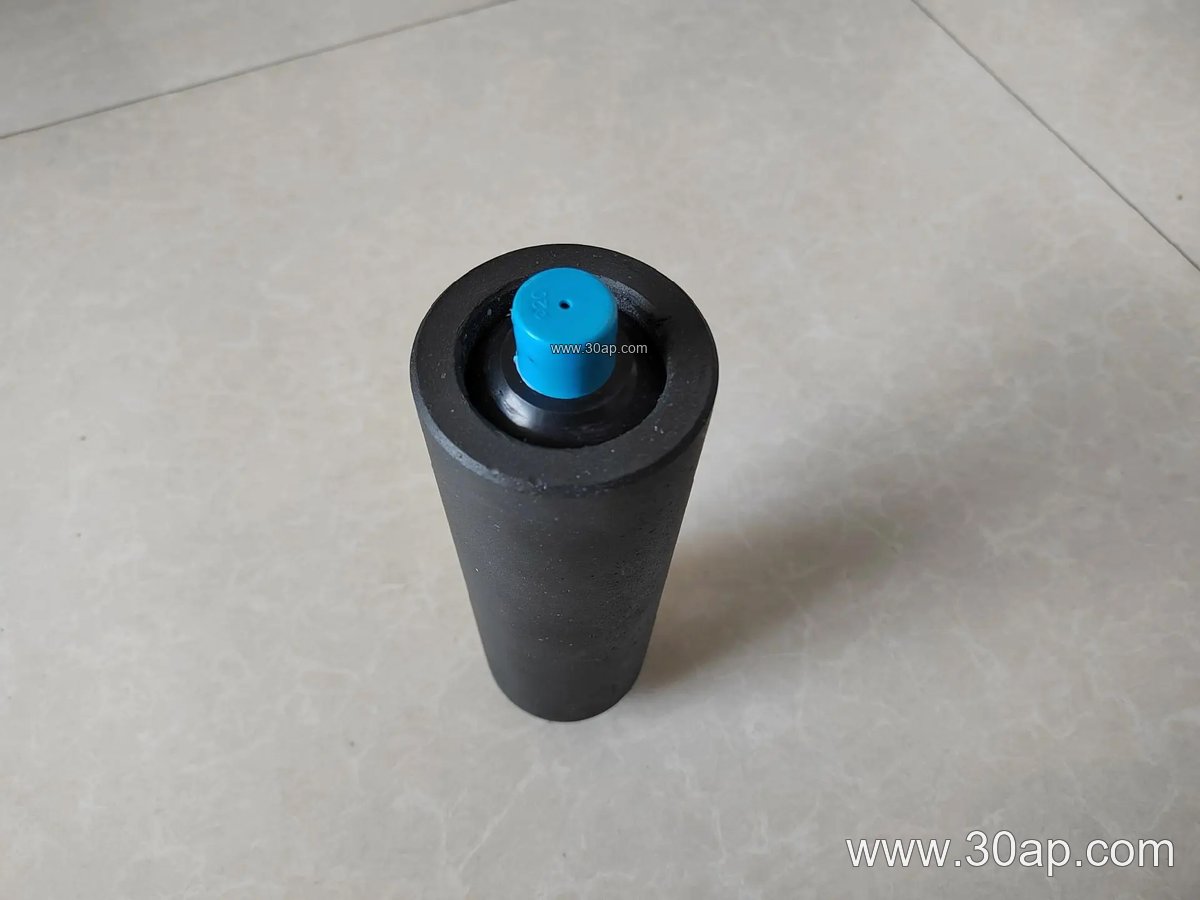
On a heavy-duty mining conveyor belt carrying copper ore or gold ore, impact idlers at the transfer chute protect both the belt and the downstream structure. In a port ship-loading line, long overland runs depend on low rolling resistance, so idler drag directly affects power consumption.
What Buyers Should Check Before Ordering
Start with the belt width and the existing troughing frame, then confirm roller diameter, shaft ends and mounting dimensions. Check the conveyor bracket pattern so the new idlers fit without modification. Ask about the seal design, bearing brand or grade, and shell wall thickness. For dusty or wet sites, specify the sealing class clearly. For impact zones, state the lump size and drop height so the supplier can recommend rubber-ring or cushioning options.
Finally, keep a small stock of the most-used idler sizes. Replacing a seized roller early prevents belt edge damage and avoids a breakdown that can stop a whole crushing or conveying circuit. Well-chosen conveyor belt idlers are inexpensive compared with the cost of an unplanned shutdown.