What a Quarry Conveyor Belt Is
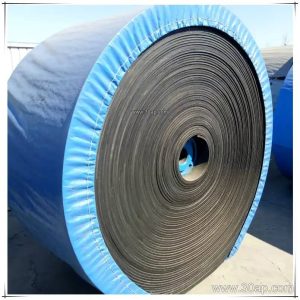
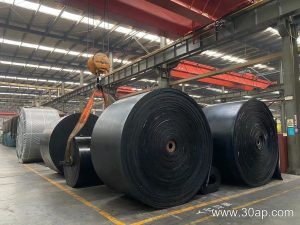
A quarry conveyor belt is the load-carrying element of a bulk handling system that moves blasted rock, crushed stone, sand, gravel and screened aggregate between the crusher, screen deck, stockpile and loadout point. It is built as a composite: a tension-bearing carcass, top and bottom rubber covers, and bonded edges. In quarry duty the belt must survive sharp lump impact at the crusher discharge, continuous abrasion from silica-bearing stone, and dust that works into every joint.
The same product is often called an aggregate conveyor belt or a rock conveyor belt, and buyers in cement plants, power plants and iron ore operations describe it in much the same way. Whatever the name, the selection logic is the same: match carcass strength, cover grade and width to the duty.
Construction and Carcass Options
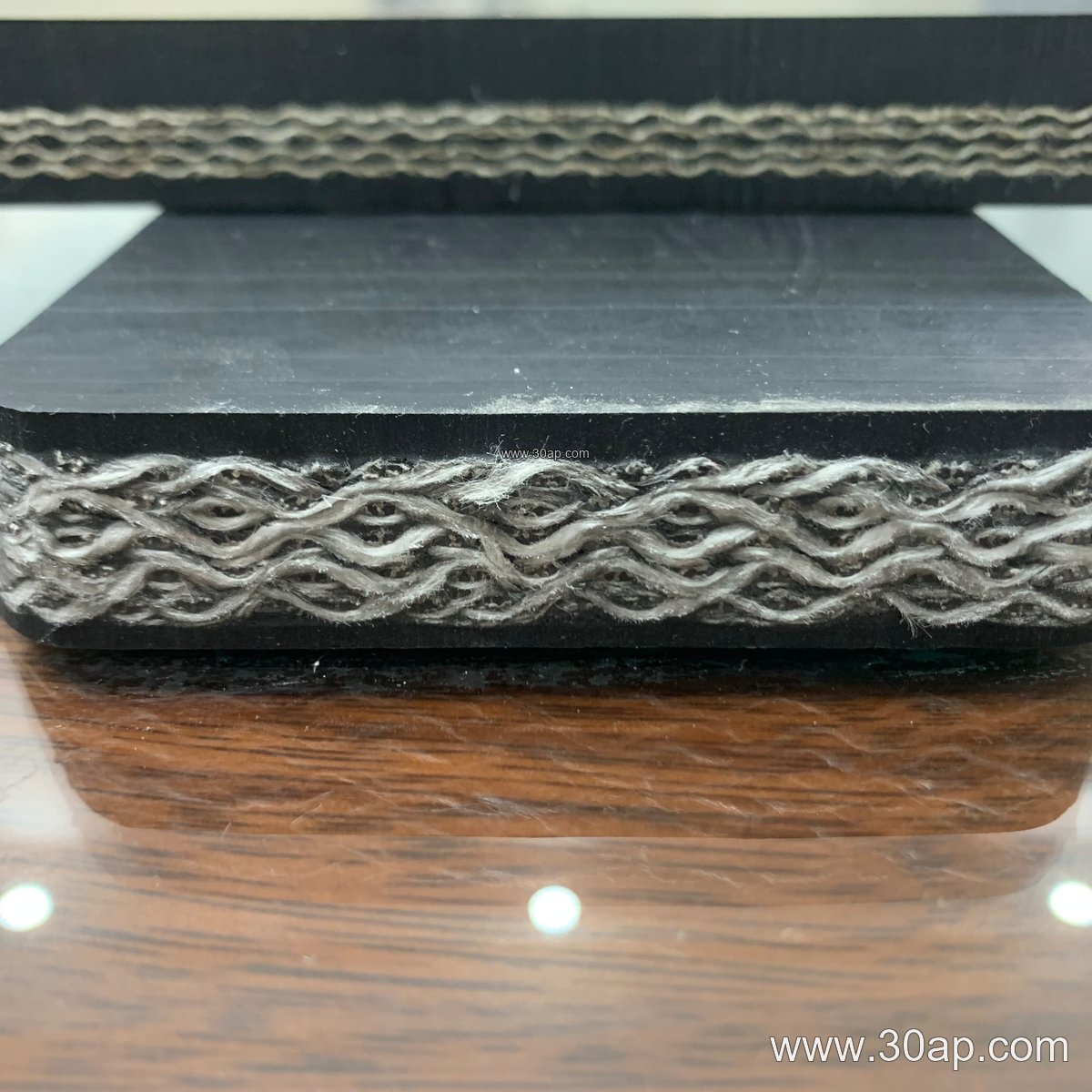
Most quarry lines run a fabric-cored belt. EP conveyor belt uses polyester warp and nylon weft, giving low stretch and good troughability. NN conveyor belt uses nylon in both directions for higher flexibility and impact tolerance. Multi-ply fabric core conveyor belt with two to six plies is common in shorter, heavily loaded runs. For long overland haulage or high lift, steel cord conveyor belt offers much higher strength in a thinner profile.
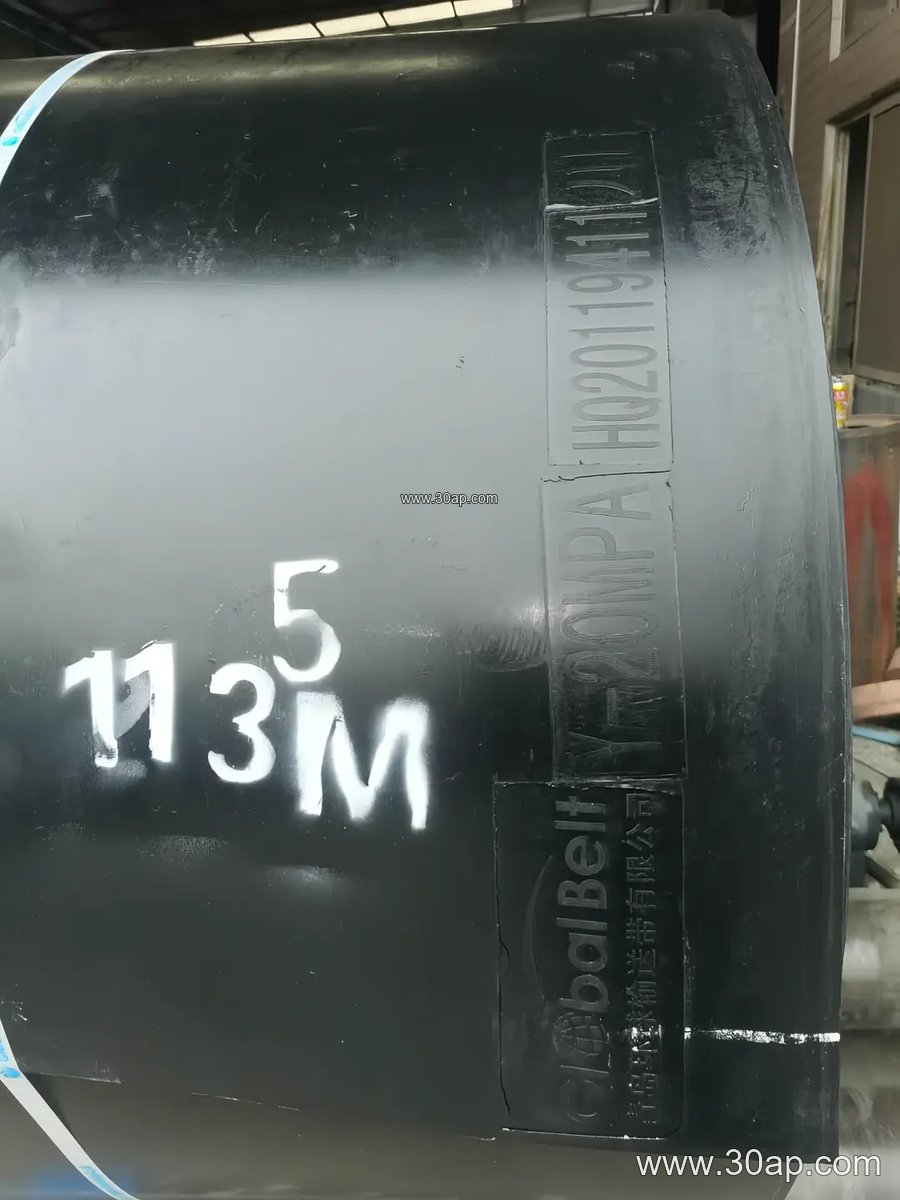
Cover compound matters as much as the carcass. An abrasion resistant conveyor belt is the default for granite, basalt and gravel. Heat resistant conveyor belt suits clinker and hot sinter; flame retardant conveyor belt and fire resistant conveyor belt are required in coal handling; oil resistant conveyor belt handles recycled material and oily feedstock. Cold resistant grades serve winter stockpiles, and anti-static grades help where dust ignition is a concern.
| Item | Typical reference values |
|---|---|
| Fabric carcass grades | EP200, EP315, EP400, EP500, EP630, EP800, EP1000, EP1250 |
| Nylon carcass grades | NN100, NN200, NN300, NN400 |
| Steel cord grades | ST1000, ST1250, ST1600, ST2000 |
| Belt widths | B500, B650, B800, B1000, B1200, B1400, B1600, B1800 |
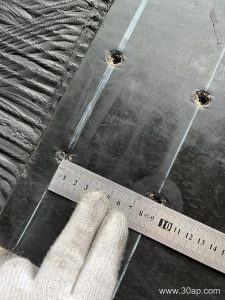
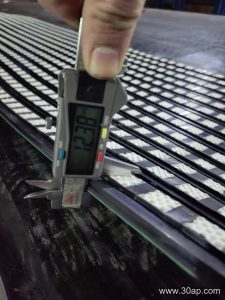
| Cover thickness (top + bottom) | 4+2, 5+2, 6+2, 8+3 mm |
These figures are reference data only. Final grade and cover gauge are set by the conveyor design, lump size and throughput.
Where It Works
Hard rock quarries use it from the primary crusher to the secondary and tertiary stages, then to the screen house and radial stackers. Sand and gravel pits rely on it for washed material where water and fines increase carryback. Cement plants move limestone, clay and clinker; power plants handle coal and ash; steel plants convey ore and coke. Underground mining conveyor belt layouts add flame retardant and anti-static requirements that surface quarry belts may not need.
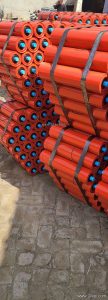
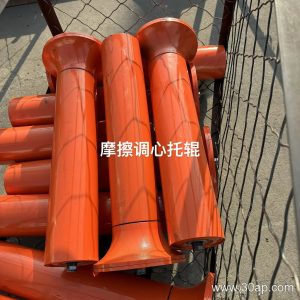
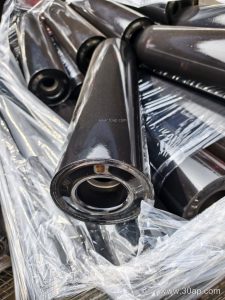
Accessories are part of the same system. Idler roller sets support the belt and set the trough angle; the conveyor pulley at the drive and tail ends transfers power and maintains tracking; the conveyor bracket and frame hold everything in alignment.
Selection Points for Buyers
- Lump size and drop height. Large primary-crusher discharge calls for thicker covers, more plies or a steel cord carcass, and impact cradles under the loading point.
- Strength margin. Calculate the working tension from capacity, lift and length, then choose a carcass grade with a sensible safety factor rather than the lightest option.
- Width versus pulley. Belt width is not tied to one pulley diameter. Drive, tail and bend pulleys are separate components sized by tension and shaft load, and a given width can work with several pulley diameters.
- Environmental duty. Wet, dusty, hot or oily conditions each point to a different cover compound.
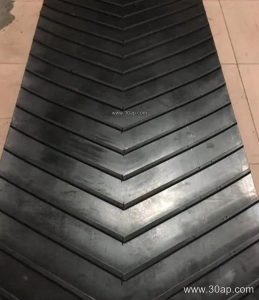
- Special profiles. Steep inclines may need chevron conveyor belt or corrugated sidewall conveyor belt; enclosed routes may use pipe conveyor belt; long single runs may favor an endless conveyor belt spliced on site.
Installation and Maintenance Notes
Correct splicing is critical. A poorly vulcanized joint becomes the first failure point under repeated impact. Check pulley lagging, idler roller rotation and skirt rubber regularly, since a seized roller can cut a cover in hours. Keep the belt centered; edge damage from mistracking is a common cause of premature replacement. Store spare rolls indoors, away from ozone and sunlight, and rotate stock.
For quarry operators comparing options, visit www.jiuhengconveyor.com/quarry-conveyor-belt for belt construction details and www.jiuhengconveyor.com/abrasion-resistant-conveyor-belt for cover grade guidance. Matching the belt to the actual rock, tonnage and layout is what keeps a quarry line running.