What a Stone Crushing Conveyor Belt Does
A stone crushing conveyor belt is the heavy-duty rubber belt that moves blasted rock, crushed aggregate, and screened stone from the primary crusher through secondary and tertiary crushing to stockpiles and load-out points. In a quarry, sand and gravel pit, or mine, this belt is the continuous link between the crusher, the screens, and the transfer towers. It is often described by its duty rather than a single model name, and buyers may refer to it as a crusher conveyor belt or a rock conveyor belt. The same belt may also handle ore in an iron ore or copper ore circuit, or carry clinker and limestone in a cement plant.
The working conditions are harsh. Material is sharp, heavy, and sometimes hot; dust is constant; and the belt may run outdoors in cold or wet weather. For these reasons, a general-purpose belt is rarely the best choice. The specification should follow the rock type, the lump size, the drop height, and the daily operating hours.
Construction and Belt Types
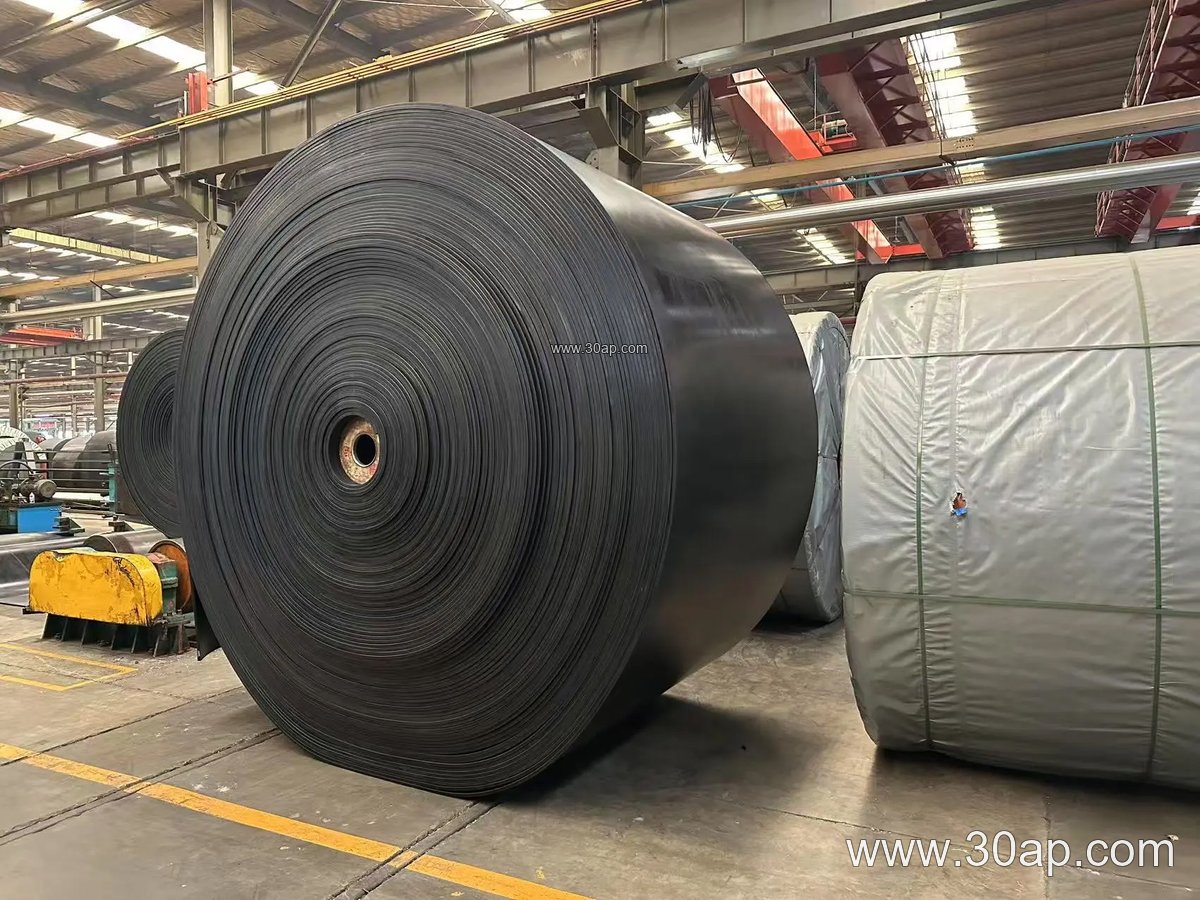
Most stone crushing belts are fabric-cored or steel-cord reinforced. The carcass provides tensile strength, while the rubber covers protect the carcass from abrasion, impact, and moisture.
- EP conveyor belt – polyester fabric core, common in quarry and aggregate duty. Typical strength grades include EP200, EP400, EP630, and EP1000, with higher grades available for long or steep runs.
- NN conveyor belt – nylon fabric core, offering good flexibility and impact absorption on shorter transfers. NN200 and NN300 are frequently seen in crushing circuits.
- Steel cord conveyor belt – used for very long overland runs and high tonnage. ST1250 and ST1600 are examples of strength classes.
- Abrasion resistant conveyor belt – the usual cover choice for crushed stone, with a high-abrasion rubber surface.
- Impact resistant conveyor belt – useful under the crusher discharge where large lumps fall onto the belt.
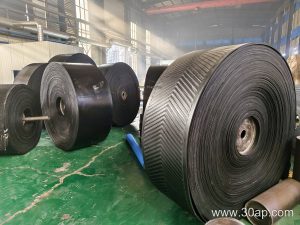
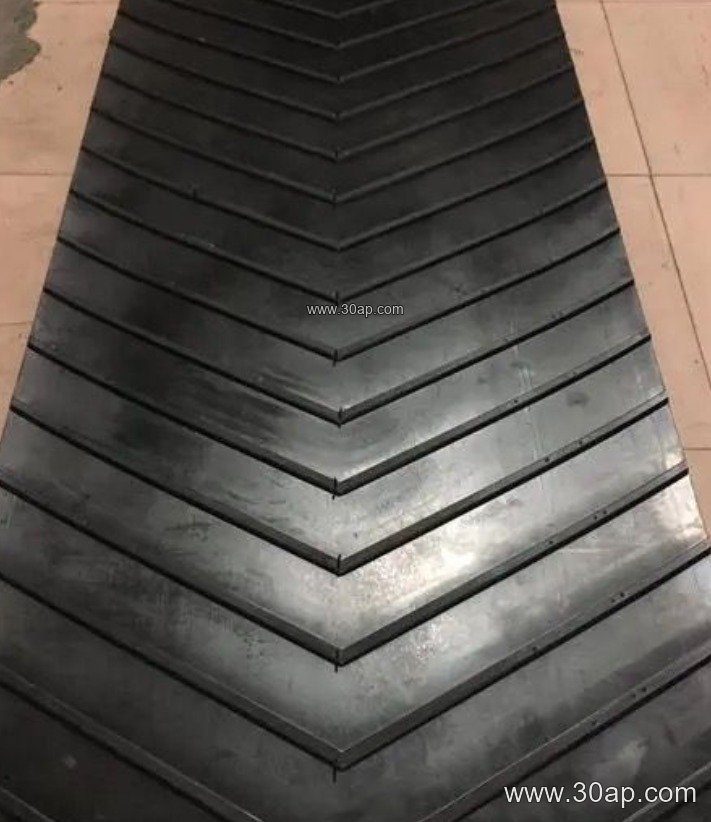
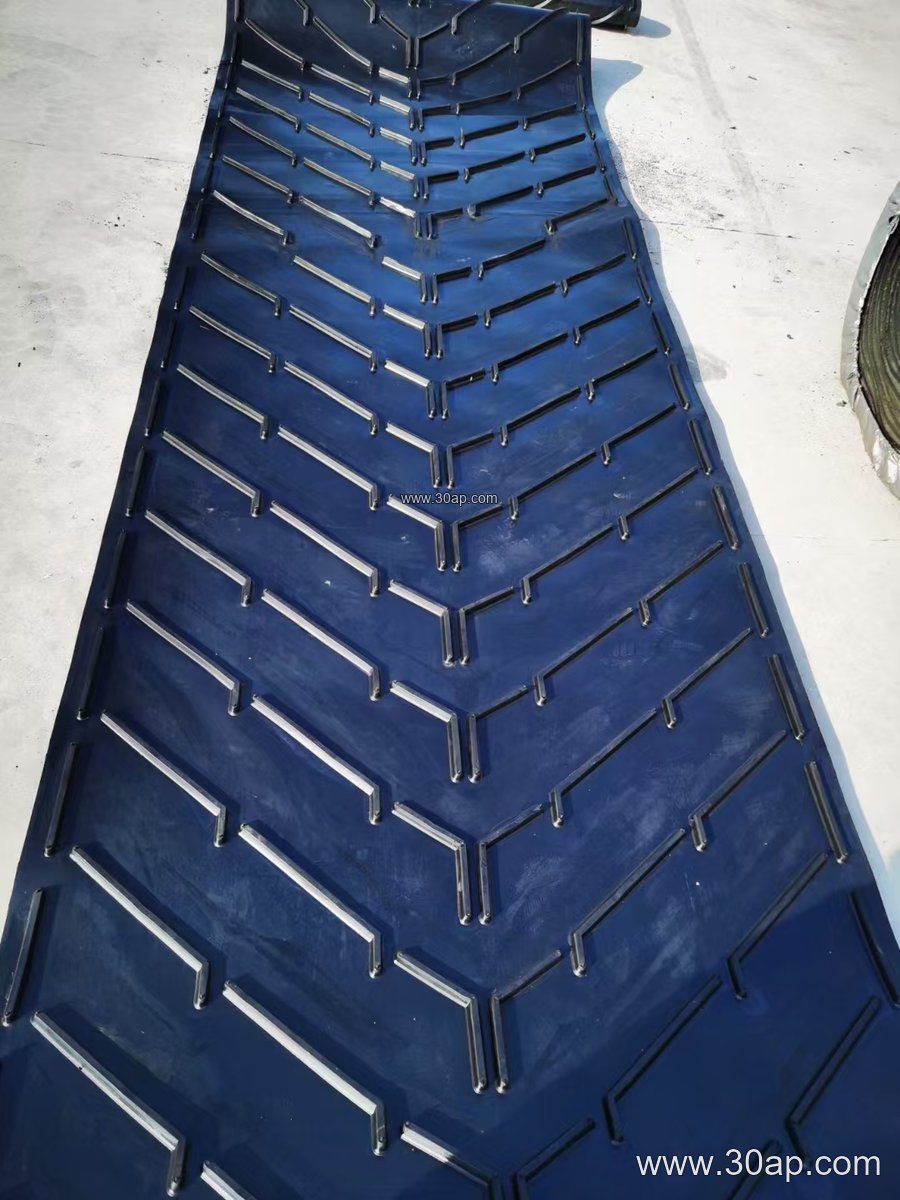
Specialty options include heat resistant conveyor belt for hot clinker, flame retardant conveyor belt for coal mining conveyor belt systems, and oil resistant conveyor belt where lubricants or oily material are present. A chevron conveyor belt or corrugated sidewall conveyor belt may be considered for steep inclines, but these are different belt designs and should not be treated as direct replacements for a standard flat stone crushing belt.
Common Dimensions and Cover Grades
Belt width is matched to the tonnage and the largest lump size, not chosen from a fixed rule. Common widths in stone crushing plants include B650, B800, B1000, B1200, and B1400, with wider belts such as B1600 and B1800 used on high-capacity main lines. Cover thickness is often expressed as top plus bottom cover, for example 4+2 mm, 5+2 mm, or 6+2 mm. Carcass layers usually range from two to six plies depending on the strength grade.
Reference Data for Selection
The following values are common references only; actual specifications are determined by the conveyor design and the manufacturer.
| Item | Common Range or Example |
|---|---|
| Belt width | B650, B800, B1000, B1200, B1400, B1600 |
| EP strength grade | EP200, EP400, EP630, EP1000, EP1250 |
| NN strength grade | NN200, NN300, NN400 |
| Steel cord grade | ST1250, ST1600, ST2000 |
| Cover thickness | 4+2 mm, 5+2 mm, 6+2 mm, 8+3 mm |
| Carcass plies | 2 to 6 layers, depending on grade |
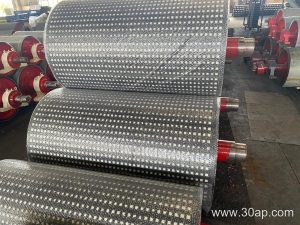
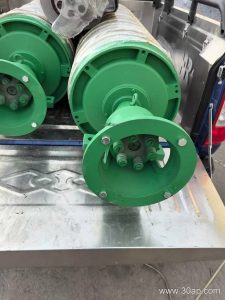
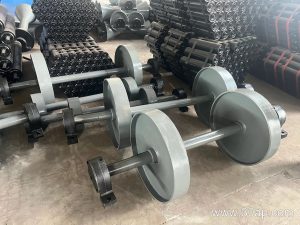
Width alone does not fix pulley diameter or shaft size. Those are set by the conveyor engineer together with the belt tension, pulley face width, and drive layout. Drive pulleys, tail pulleys, and bend pulleys each have their own role and are not interchangeable.
Where It Is Used
Stone crushing conveyor belts appear across several industries:
- Quarry and aggregate plants moving crushed stone and sand.
- Mines handling ore, waste rock, and overburden.
- Cement plants transporting limestone, clinker, and additives.
- Power plants and steel plants moving coal, coke, and slag.
- Ports and ship loading facilities where bulk material conveyor belt lines transfer stone and ore.
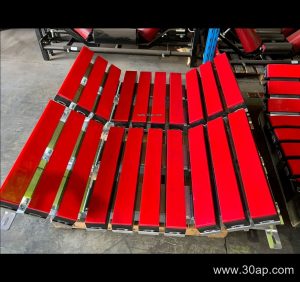
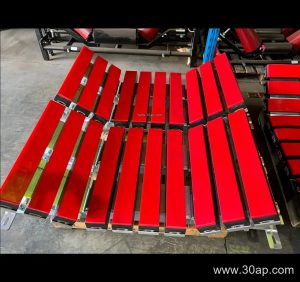
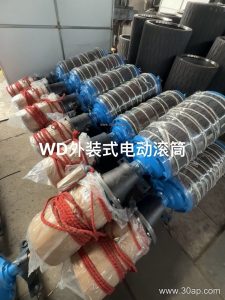
In each setting, the belt works with conveyor pulleys, idler rollers, and conveyor brackets that support the load and keep tracking stable. A worn idler roller or a misaligned bend pulley can shorten belt life even when the belt itself is correctly specified.
What Buyers Should Check
Before ordering, confirm the material type, maximum lump size, tonnage per hour, incline angle, and ambient temperature. Ask for the cover grade and carcass construction in writing, and check that the belt width and strength class suit the existing conveyor frame. For coal or underground use, confirm flame retardant and anti-static properties. For cold climates, a cold resistant conveyor belt may be needed. Spare belts should be stored away from sunlight and heat, and splicing should follow the belt maker’s method. A practical spare parts plan usually includes belt, idler roller, and pulley inspections rather than belt replacement alone.
For more information on stone crushing conveyor belt options and matching conveyor components, visit example.com/stone-crushing-conveyor-belt.