What a Cast-Welded Pulley Is
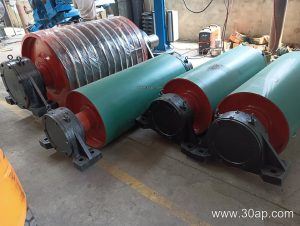
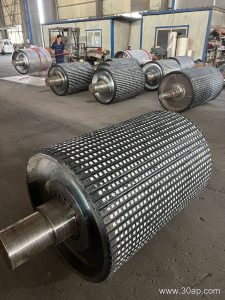
A cast-welded pulley is a conveyor pulley whose shell is produced by casting and then joined to the end discs and hub assembly by welding. This construction combines the wear resistance of a cast shell with the structural flexibility of a welded hub, making it a practical choice for heavy-duty conveyor systems in quarries, coal washing plants, cement works, and power station coal handling. The cast-welded pulley is often specified as a drive pulley at the head station or as a tail pulley at the return end, depending on the belt tension and torque requirements of the conveyor.
In the field, this component is also called a cast-welded conveyor drum or cast-welded belt pulley. These names refer to the same product. A drive pulley and a tail pulley are not interchangeable; each has its own load profile and surface requirement.
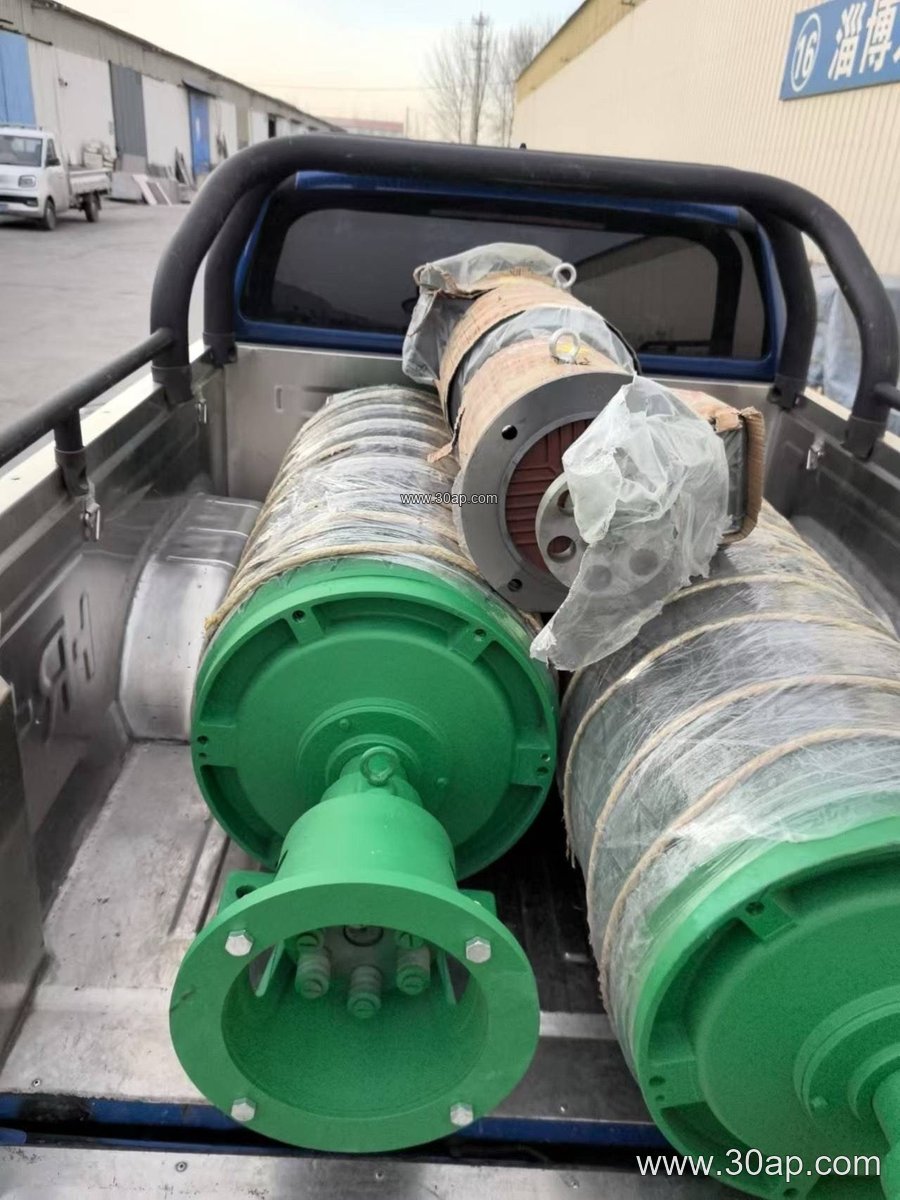
Construction Details
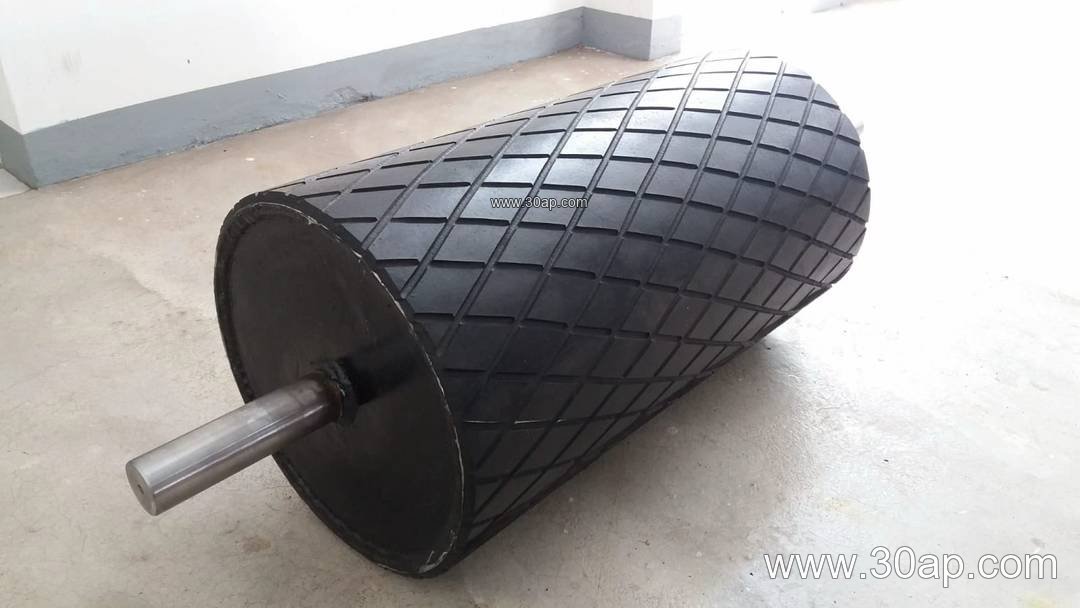
The shell is cast from suitable steel or iron grade to achieve a thick, wear-resistant surface. The end discs are welded to the shell and to the hub, and the shaft is fitted through the hub with a keyway or shrink fit. The weld seams are typically continuous and may be stress-relieved depending on the duty. Common shell diameters include Ø500, Ø630, Ø800, Ø1000, and Ø1250, while face widths are usually wider than the belt to protect the belt edges. For example, a B800 belt may run on a pulley with a face width of about 950 mm, and a B1200 belt on a face width of about 1400 mm. These are reference dimensions, not fixed rules.
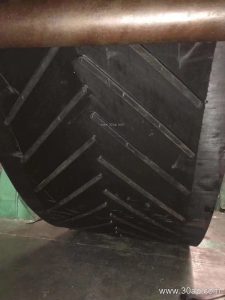
Surface options include plain, cast rubber, cold-bonded rubber, hot-vulcanized rubber, diamond grooving, herringbone grooving, and ceramic lagging. Lagging thickness commonly ranges from 8 mm to 20 mm. The shaft diameter is selected by torque and load calculation, with common sizes such as Ø80, Ø100, Ø120, Ø140, and Ø160; it should not be chosen from belt width alone.
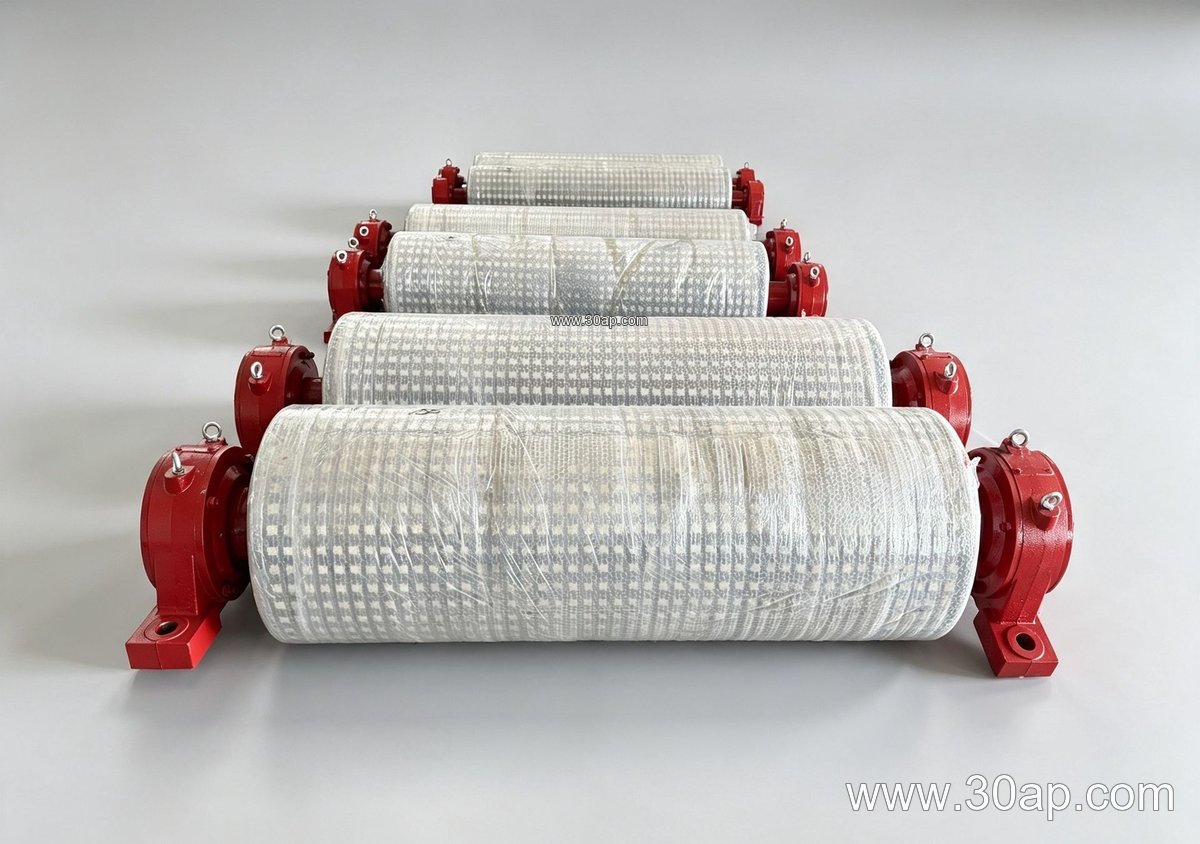
Where It Fits in the Conveyor
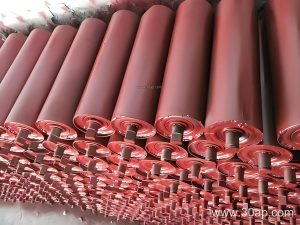
At the head station, a cast-welded pulley transmits drive torque to the belt and must handle the full tension of the loaded strand. At the tail station, it guides the belt and may be fitted with a self-cleaning surface. Tension pulleys and bend pulleys also use cast-welded designs where the layout requires a robust drum with a welded hub. In a coal mining conveyor, a flame retardant conveyor belt and a cast-welded pulley work together to reduce slip and wear; in a cement plant, an abrasion resistant conveyor belt pairs well with a lagged pulley surface. A quarry conveyor belt carrying sharp rock benefits from a thick cast shell and ceramic lagging, while a port conveyor belt handling bulk material may use a plain or diamond-grooved surface to shed water.
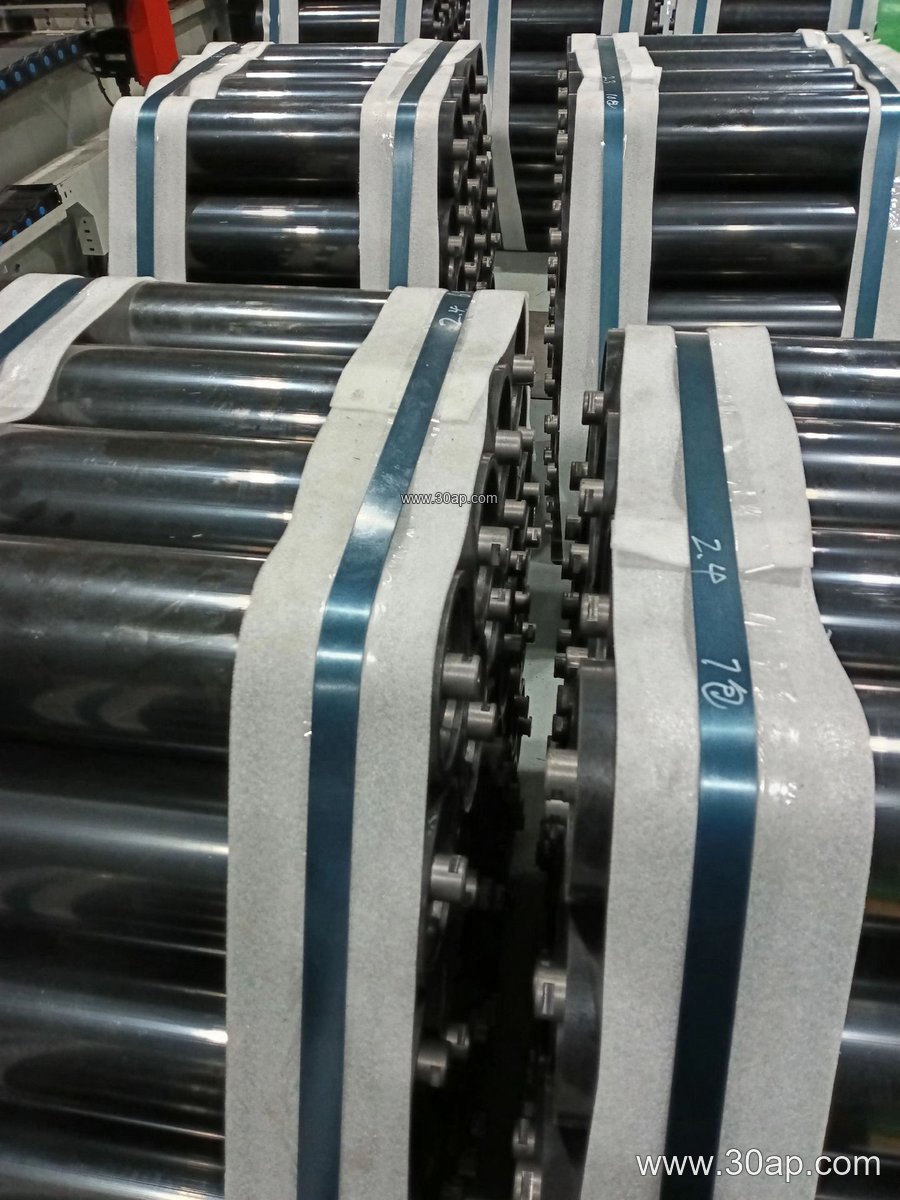
Typical Sizes and Surface Combinations
The table below shows common reference combinations. Actual selection depends on belt tension, speed, and load.
| Belt width | Pulley face width (approx.) | Common shell diameter | Surface example |
|---|---|---|---|
| B500 | 600 mm | Ø320, Ø400 | Plain or 10 mm rubber |
| B650 | 750 mm | Ø400, Ø500 | Diamond lagging 12 mm |
| B800 | 950 mm | Ø500, Ø630 | Cast rubber 15 mm |
| B1000 | 1150 mm | Ø630, Ø800 | Herringbone 15 mm |
| B1200 | 1400 mm | Ø800, Ø1000 | Ceramic lagging 20 mm |
| B1400 | 1600 mm | Ø1000, Ø1250 | Hot-vulcanized rubber 15 mm |
These values are indicative. A B1200 belt may use a Ø800 pulley in one conveyor and a Ø1000 pulley in another, depending on the drive power and belt speed.
Buyer Checklist
- Confirm the pulley position: drive, tail, bend, or tension. Each position has different torque and tension demands.
- Specify belt width and required face width, and state the belt type, such as EP conveyor belt, steel cord conveyor belt, or flame retardant conveyor belt, because belt stiffness affects pulley diameter.
- State the lagging type and thickness; for wet or dirty conditions, consider ceramic or grooved lagging.
- Provide shaft diameter and hub details, or ask the manufacturer to calculate them from torque and load.
- Check that the cast-welded pulley is balanced for the intended belt speed and that weld seams are accessible for inspection.
- For underground coal mining conveyor belt systems, confirm that the pulley surface and materials suit the local fire safety requirements.
A cast-welded pulley is not a universal part. Matching it to the conveyor belt, the idler roller set, and the conveyor bracket layout at the station is the best way to avoid premature belt wear and pulley failure. Visit www.example.com/cast-welded-pulley for more information on conveyor pulley options.