What an Aggregate Conveyor Belt Does
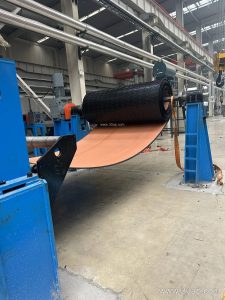
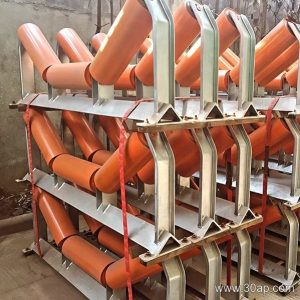
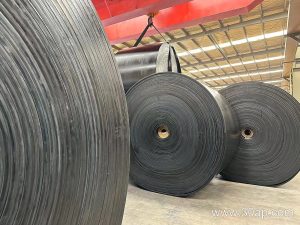
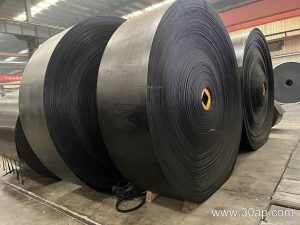
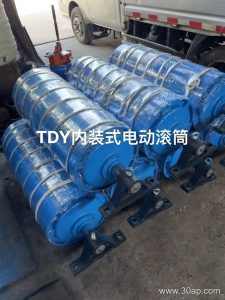
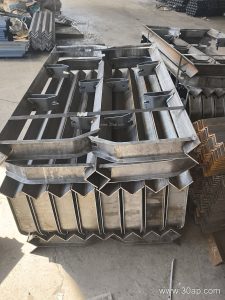
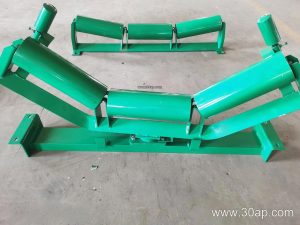
An aggregate conveyor belt is the moving surface that carries crushed stone, sand, gravel and screened rock between a crusher, a screen deck and a stockpile. In a quarry or sand making plant the belt is part of a chain that usually includes a conveyor pulley at the head and tail, idler roller sets along the carry side, and a conveyor bracket that holds the whole assembly in line. The belt itself is a composite: a fabric or steel cord carcass gives it tensile strength, and rubber covers protect the carcass from sharp, abrasive stone.
Because the load is heavy, lumpy and often wet, the aggregate conveyor belt is normally a heavy-duty rubber belt rather than a light PVC type. Buyers searching for a quarry conveyor belt or a crusher conveyor belt are usually looking at the same family of products, sized for continuous duty and high impact.
Construction and Common Specifications
Most aggregate belts use a multi-ply fabric core. EP (polyester-cotton) and NN (nylon-nylon) carcasses are common because they resist fatigue and hold splice strength well. Steel cord construction appears where the conveyor is long or the tonnage is high. Cover rubber is usually an abrasion resistant grade, and the top cover is thicker than the bottom cover to absorb impact from the crusher discharge.
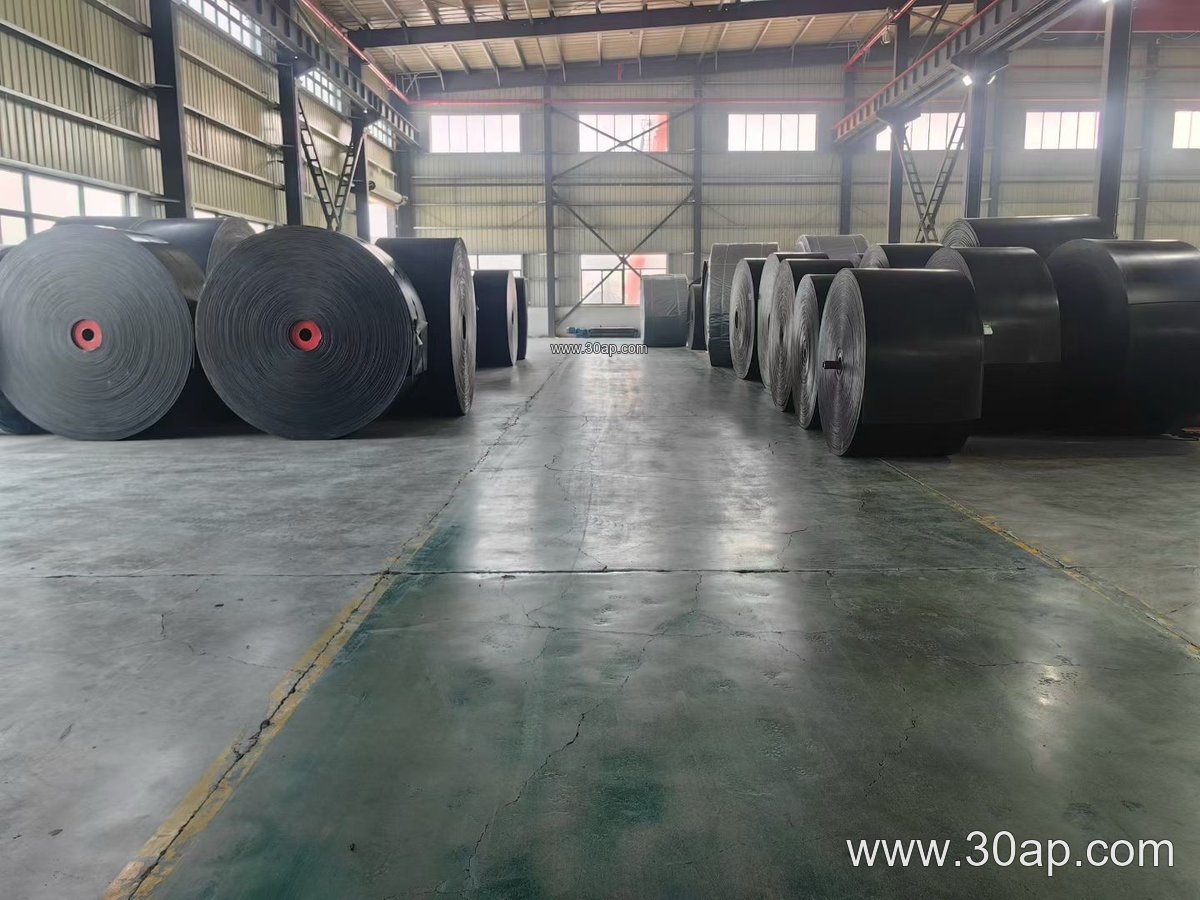
The table below shows typical reference values only; actual selection depends on the conveyor design, and different manufacturers offer different ranges.
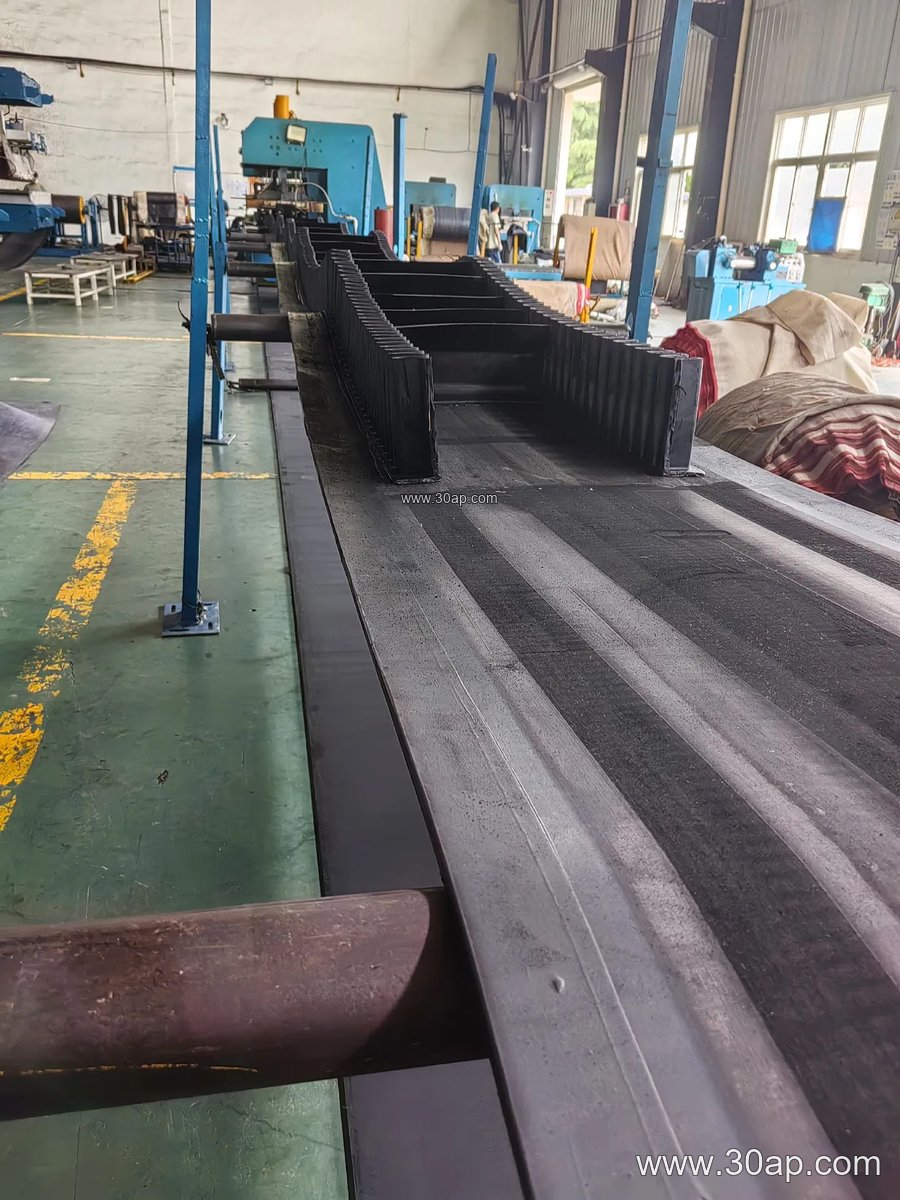
- Type: EP conveyor belt, NN conveyor belt, steel cord conveyor belt, abrasion resistant conveyor belt, chevron conveyor belt for inclined sections
- Strength grades commonly quoted: EP200, EP315, EP400, EP500, EP630, EP800, EP1000, EP1250
- Belt widths often used: B500, B650, B800, B1000, B1200, B1400, B1600
- Cover thickness examples: 4+2 mm, 5+2 mm, 6+2 mm, 8+3 mm
- Carcass plies: usually 2 to 6 layers for fabric core belts
Width and pulley size are matched by the conveyor designer, not by a fixed rule. A 1000mm wide aggregate conveyor belt may run on a head pulley of one diameter on a short transfer and a larger one on a long, high-tension conveyor. Shaft diameter follows the calculated load, so it should never be guessed from belt width alone.
Where These Belts Are Used
Aggregate handling spans several industries. In a stone crushing plant the belt moves material from the primary crusher to the secondary screen. In a cement plant it feeds limestone and clinker. In a power plant it may handle coal or limestone for flue gas treatment. Sand and gravel pits, port stockyards and recycling lines also rely on this belt type. When the material is hot, an oil resistant or heat resistant conveyor belt may be needed; when the conveyor runs underground or in a coal yard, a flame retardant conveyor belt is often specified.
Inclined sections are a special case. A standard smooth belt can let wet stone slide back, so a chevron conveyor belt or a corrugated sidewall conveyor belt is used to hold the load. These are variations of the same product, not replacements for the flat aggregate belt on horizontal runs.
What to Check Before Buying
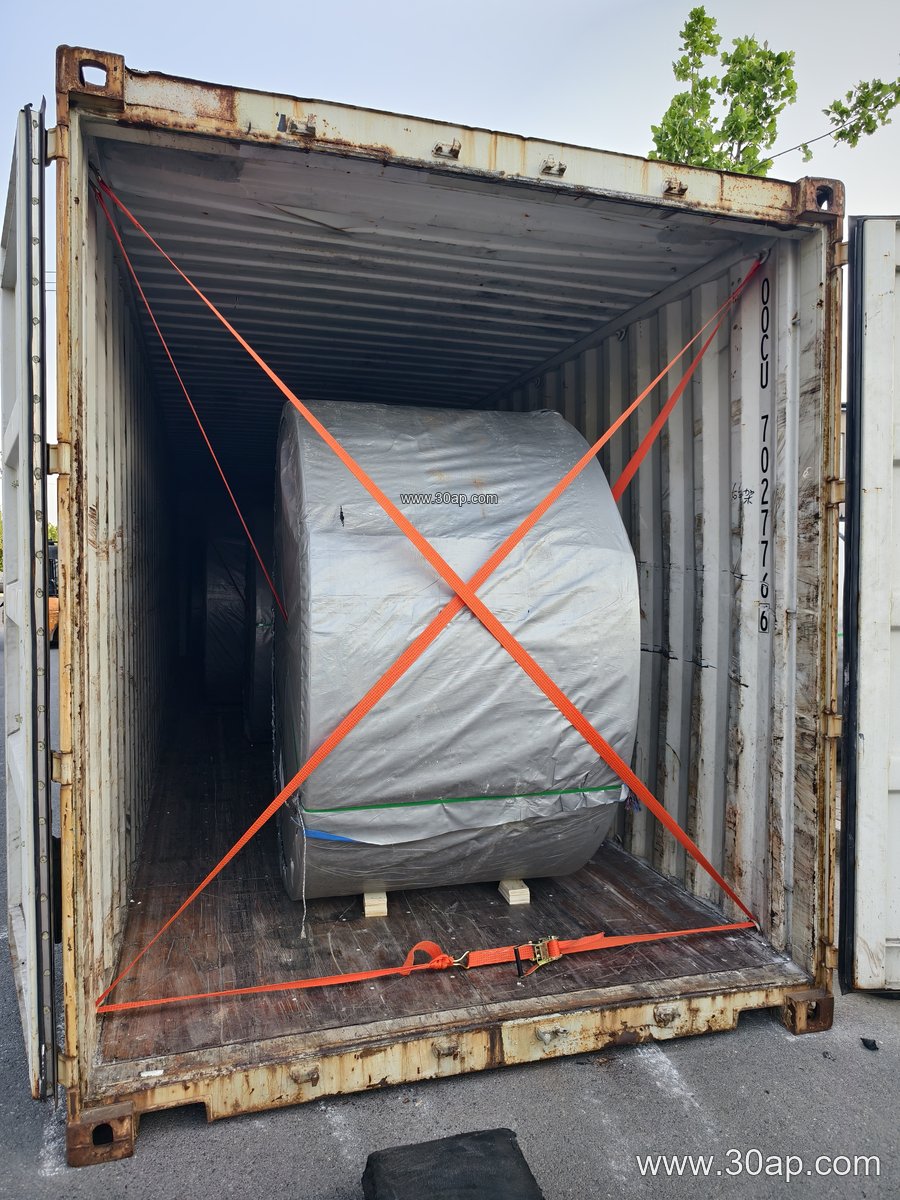
Start with the duty: tonnage per hour, lump size, drop height and whether the stone is wet or dry. Then confirm the belt width and strength grade against the conveyor’s calculated tension. Ask for the cover grade and thickness, since abrasion resistance drives service life in hard rock quarries. Check the splice method, because a poorly made joint fails before the belt does.
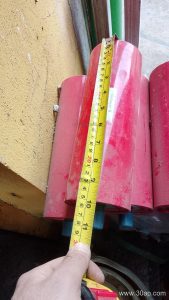
Also inspect the supporting hardware. Worn idler rollers cause edge damage and mistracking. A misaligned conveyor pulley or a loose conveyor bracket can shorten belt life quickly. On-site, keep the belt clean, adjust the training idlers, and watch for cover wear at the loading point.
For buyers comparing options, our aggregate conveyor belt range at conveyorbelt5.com covers fabric and steel cord constructions, and related pages on conveyorbelt5.com explain how idler roller and conveyor pulley choices affect belt performance. Matching the belt, the rollers and the pulleys as one system is the most reliable way to keep a quarry or sand plant running.