What Idler Procurement Covers
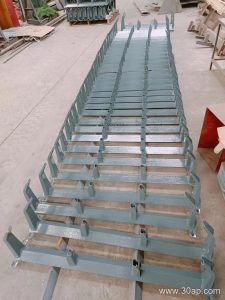
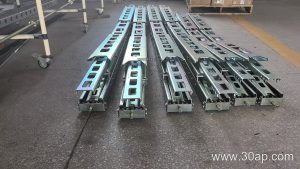
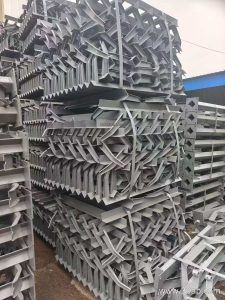
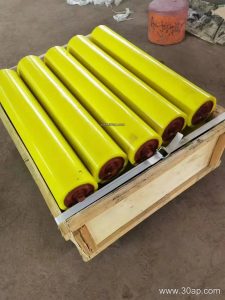
Idler procurement is the process of sourcing the rollers that support and guide a conveyor belt along its carrying and return runs. These components, often called conveyor idlers or idler rollers, are mounted on a conveyor bracket or frame and are essential for keeping the belt aligned, reducing friction, and extending belt life. A well-planned procurement strategy considers the specific demands of the site, whether it is a quarry, a coal preparation plant, a cement kiln line, or a power station coal yard.
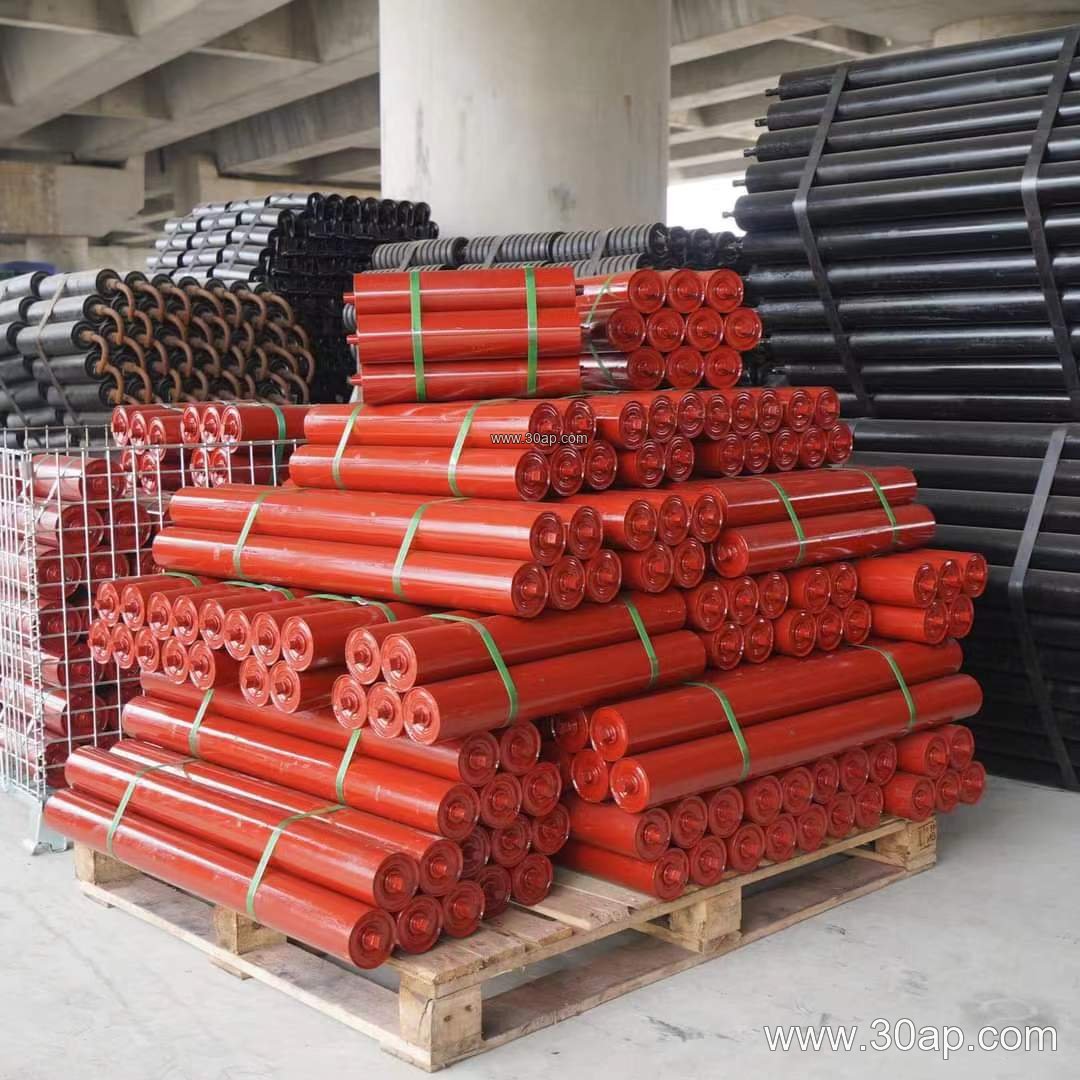
The term covers a family of roller assemblies, not a single part. Buyers typically specify troughing idlers, return idlers, impact idlers, and self-aligning idlers, each with its own role. For example, a troughing set with three rolls forms the belt into a trough to contain bulk material, while a flat return idler supports the empty belt on its way back. Understanding these distinctions is the first step in building a reliable inquiry.
Construction and Key Components
A typical idler roller consists of a steel tube shell, bearing housings, a shaft, and a sealing arrangement. The shell may be plain steel, nylon-coated, or fitted with rubber rings for impact absorption. Bearings such as 6204, 6205, 6305, 6306, 6308, or 6310 are common, but the bearing size is matched to the roller diameter and load rating, not to the belt width alone. Seals are critical in dusty environments like a limestone mine or a sand and gravel plant, where fine particles can quickly destroy unprotected bearings.
The roller diameter is usually selected from a range that includes Ø63, Ø76, Ø89, Ø102, Ø108, Ø127, Ø133, Ø159, Ø178, Ø194, and Ø219 mm. Smaller diameters suit lighter duty, while larger diameters handle higher loads and longer spans. Roll length varies with belt width, trough angle, and the idler arrangement. For a three-roll troughing set, common roll lengths are roughly 200 mm for B500, 250 mm for B650, 315 mm for B800, 380 mm for B1000, 465 mm for B1200, 530 mm for B1400, 600 mm for B1600, 670 mm for B1800, and 750 mm for B2000. These are examples only; side rolls and center rolls can differ, and final dimensions are confirmed by design.
Matching Idlers to the Conveyor Duty
Procurement should start with the conveyor duty. A heavy-duty mining conveyor belt carrying iron ore or copper ore will demand robust idlers with thick shells and reliable seals. In a coal mining conveyor belt system, flame retardant properties may be required for the belt, and idlers should be selected to resist coal dust and moisture. A cement plant conveyor belt handling clinker or limestone may call for abrasion resistant conveyor belt and impact idlers at transfer points.
Trough angle is another key factor. Common angles are 20, 30, 35, and 45 degrees. A 35-degree trough is widely used for bulk materials, while a 45-degree trough may be chosen for higher capacity or to prevent spillage on steep inclines. The trough angle affects how the belt sits and how the material is contained, so it must match the belt and the loading conditions. Self-aligning idlers, including friction and tapered types, help correct belt misalignment on long runs, while spiral or comb idlers can shed sticky material in wet or muddy conditions.
Specification and Inquiry Tips
When preparing an idler procurement request, provide the belt width (B400 to B2400 are common references), the desired roller diameter, the trough angle, and the idler type. State the application, such as a quarry conveyor belt, a power plant coal conveyor, or a port ship loading system. Mention the belt type if known, for example an EP conveyor belt, a steel cord conveyor belt, or a heat resistant conveyor belt, because belt stiffness and load can influence idler selection.
Also include the bearing preference if there is one, the sealing requirement, and any surface treatment like rubber rings for impact zones. Avoid assuming that a given belt width fixes the shaft diameter; shaft size is determined by load and design. A clear, complete inquiry helps suppliers propose suitable idler rollers without over- or under-specifying.
Quality and Maintenance Considerations
Good idler procurement looks beyond the initial price. Check that the roller rotates freely, that seals are effective, and that the shell is straight and balanced. In abrasive environments such as a stone crushing plant or an aggregate conveyor belt line, worn idlers can damage the belt and cause downtime. Keeping a small stock of common sizes and types, like troughing and return idlers, helps maintenance teams respond quickly.
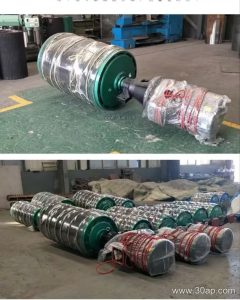
During operation, listen for noisy bearings and watch for belt tracking issues. Replacing a failed idler early prevents belt edge damage and reduces the risk of a shutdown. For anyone sourcing conveyor components, remembering that idler rollers, conveyor pulleys, and conveyor brackets work as a system will lead to better decisions and longer service life.