What a Carbon Steel Conveyor Bracket Does
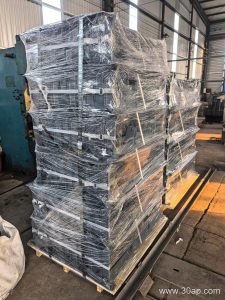
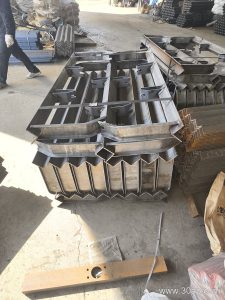
A carbon steel conveyor bracket is the structural support that holds the idler roller in position under or above the conveyor belt. It carries the weight of the belt and the material, keeps the idlers at the correct angle, and transfers the load into the conveyor frame. In a quarry, a coal handling plant, or a cement kiln feed line, the bracket is one of the least visible parts of the system, yet it decides how evenly the belt runs and how long the rollers last.
The same component is often called a carbon steel idler support bracket or a conveyor idler frame bracket. These are equivalent names for the same item. The bracket is not the same as a conveyor pulley; drive, tail, and bend pulleys are separate parts with separate duties.
How the Bracket Is Built
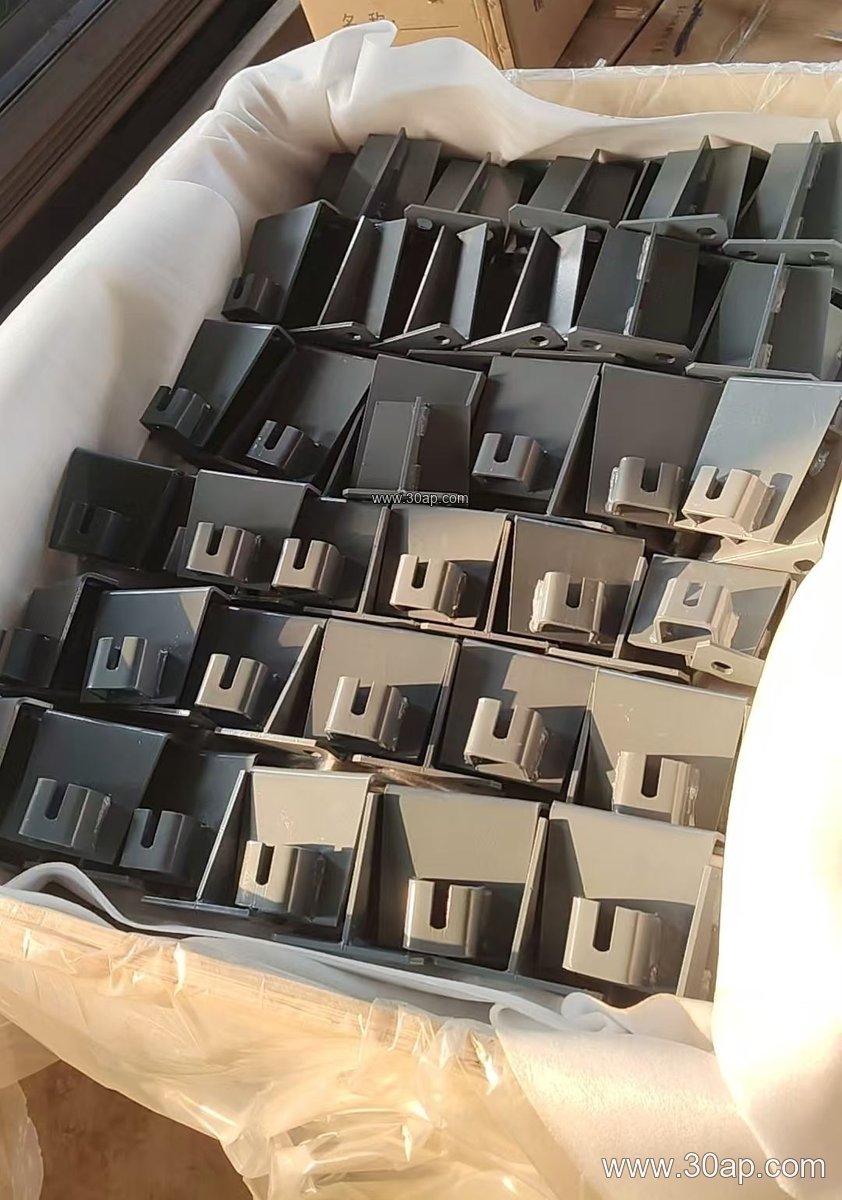
Most brackets are fabricated from angle steel, channel steel, or folded steel plate. The grade of carbon steel and the plate thickness are chosen according to the belt width, the load, and the environment. Fabrication usually involves cutting, punching or drilling the mounting holes, bending, and then welding the legs or gussets. A welded bracket should be checked for squareness so the idlers sit in one plane and the belt does not track to one side.
Surface treatment matters in wet or dusty service. Painting, galvanizing, or powder coating are common choices; the correct option depends on the site conditions rather than on a single rule. In a coal preparation plant or a port terminal, corrosion protection deserves early attention.
Common Bracket Types and Where They Sit
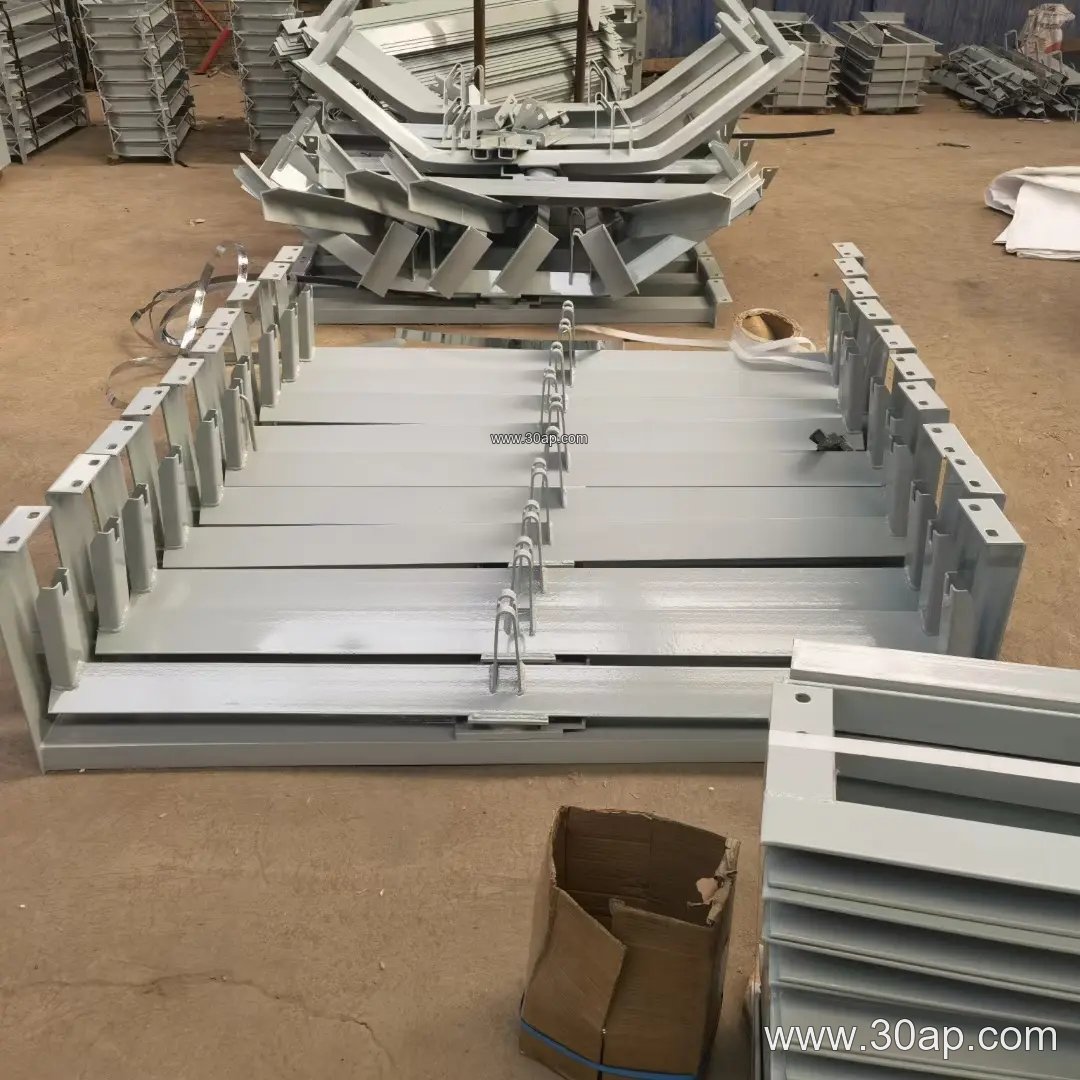
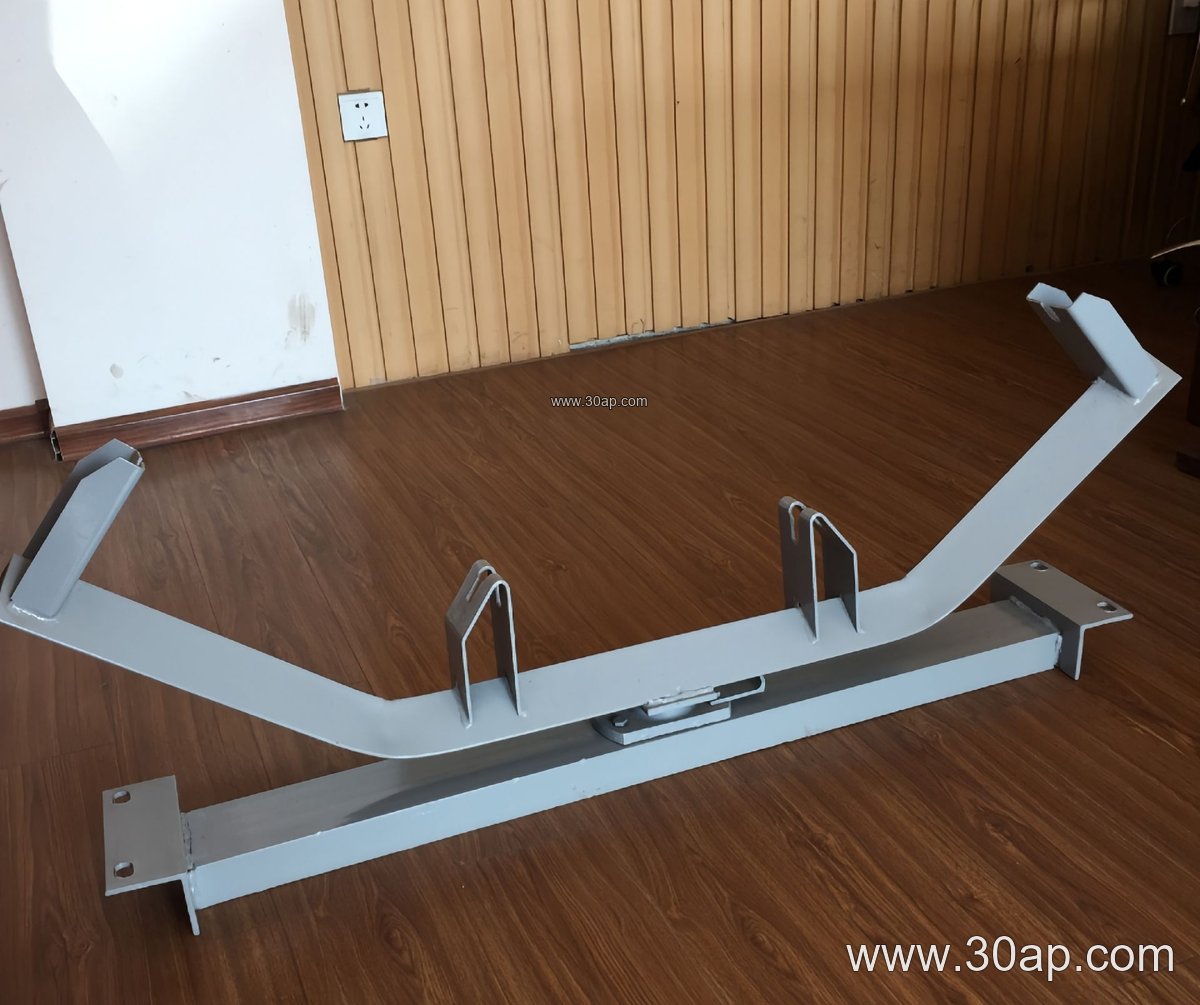
The carrying side usually uses a troughing bracket, which may be a fixed trough bracket or an adjustable bracket that can be set between common trough angles. The return side may use a flat return bracket or a V-shaped return bracket. Transition brackets are placed near the pulley to ease the belt from flat to troughed. Impact brackets with buffer idlers sit under the loading point, while self-aligning and forward-leaning brackets help with belt tracking. Hanging brackets are used where the frame design calls for them.
Typical Reference Combinations
The table below shows common reference combinations, not fixed rules. Actual hole spacing and beam length vary with belt width and trough angle and should be confirmed by design.
| Belt Width | Trough Angle | Idler Diameter | Typical Bracket Role |
|---|---|---|---|
| B650 | 30 degrees | Ø89 | Light carrying section |
| B800 | 35 degrees | Ø108 | General carrying bracket |
| B1000 | 35 degrees | Ø108 or Ø133 | Main haulage line |
| B1200 | 45 degrees | Ø133 | High-capacity troughing |
| B1400 | 35 degrees | Ø159 | Heavy-duty carrying section |
| B1600 | 45 degrees | Ø159 or Ø194 | Large tonnage ore and coal |
One belt width can work with more than one trough angle or roller diameter. A B1000 belt, for example, may run at 30 or 35 degrees depending on the material and the belt speed, so the bracket should be selected together with the idler roller, not in isolation.
Matching the Bracket to the Belt and the Job
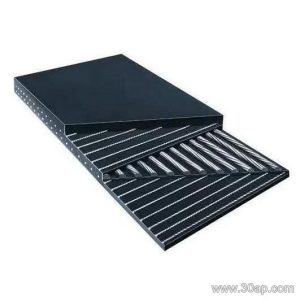
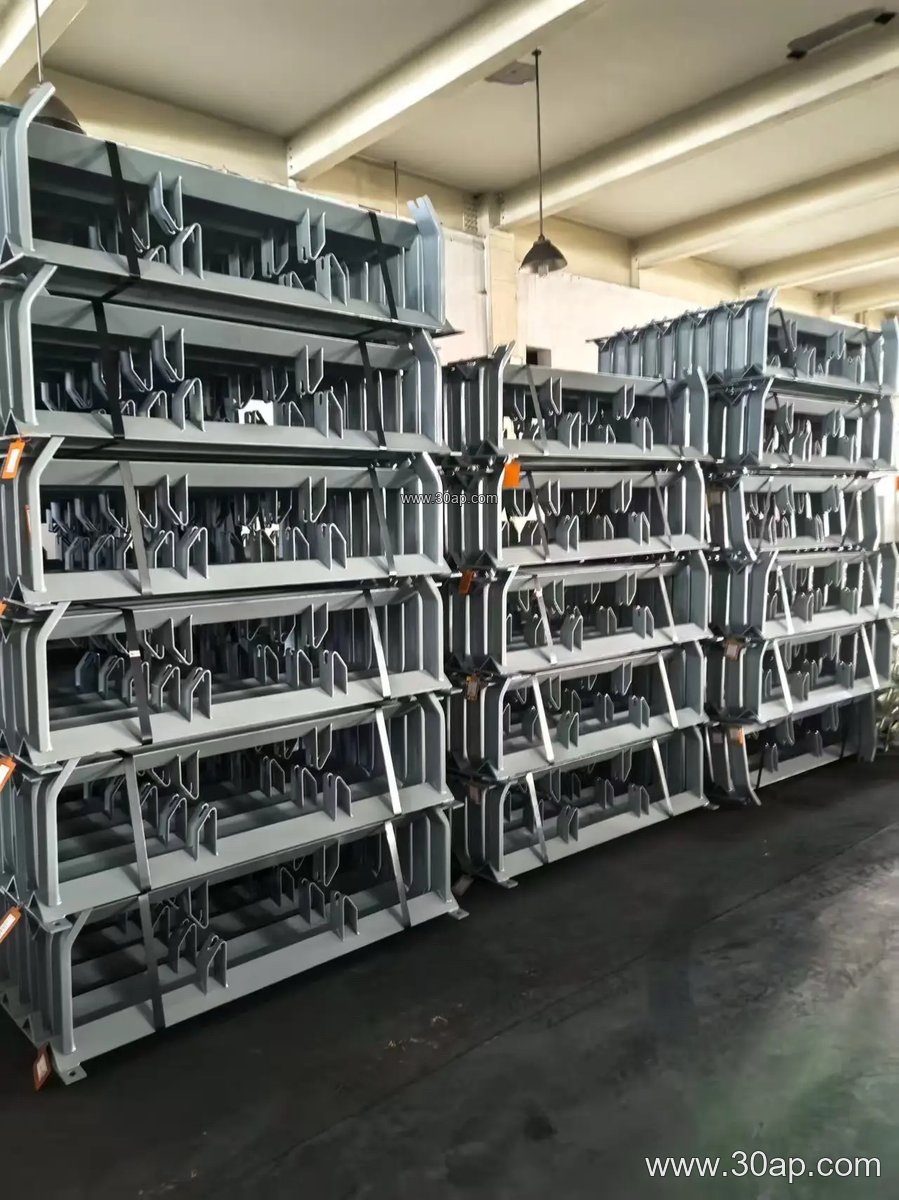
In a limestone mine, an abrasion resistant conveyor belt and a sturdy troughing bracket form a practical pair. In a power plant coal yard, a flame retardant conveyor belt is often specified, and the bracket should be easy to inspect because fines build up around the frame. A pipe conveyor belt or a corrugated sidewall belt needs its own frame design, so the bracket layout must follow the conveyor maker’s drawing.
Belt tracking is the point where the bracket, the idler, and the belt meet. A slightly forward-leaning bracket, often about 1.5 to 2 degrees, can help centering, but it should not be used to correct a badly aligned frame. For long overland lines carrying iron ore or copper ore, self-aligning brackets at intervals are a common choice.
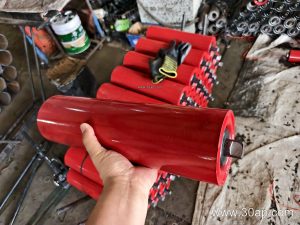
Buyers should confirm the belt width, trough angle, roller diameter, mounting hole pattern, material grade, and surface finish before ordering. It also helps to state the environment: a wash-down area, an underground coal mining section, or a dry sand and gravel line each put different demands on the same carbon steel bracket. For related components such as the conveyor belt, idler roller, and conveyor pulley, keep the whole assembly in mind rather than treating the bracket as a standalone purchase.
Installation and Maintenance Notes
- Check that brackets are square and level before tightening the frame bolts.
- Keep mounting holes aligned with the idler shaft ends; do not force a bracket into position.
- Inspect for loose bolts, bent legs, and corrosion during routine walks.
- Replace a deformed bracket rather than shimming it repeatedly, since poor support shortens roller life.
A well-chosen carbon steel conveyor bracket is a quiet contributor to reliable conveying. It does not attract attention when it works, which is exactly the point.