What a Conveyor Bracket Is and Why Its Price Varies
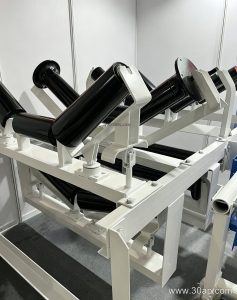
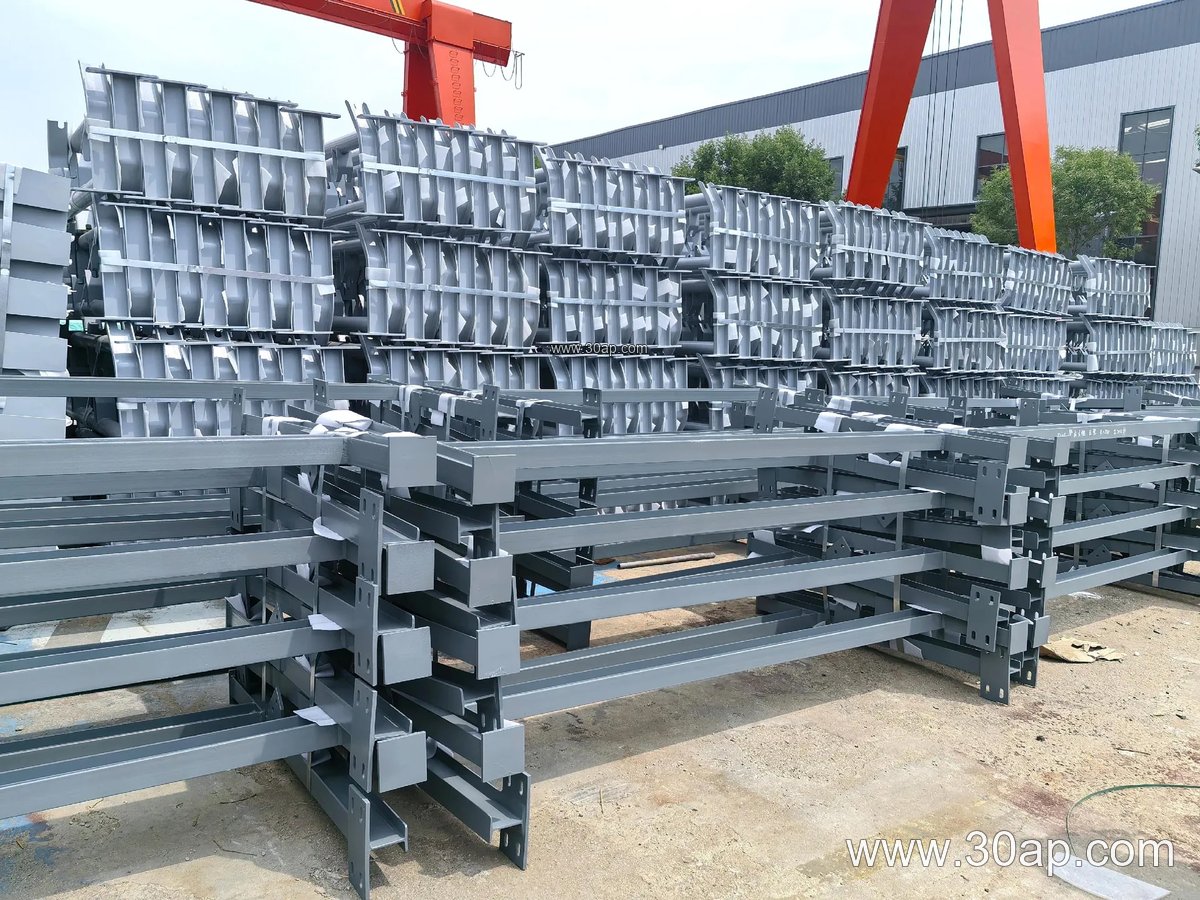
A conveyor bracket is the structural support that holds idler rollers in position along a conveyor frame. It is a fabricated steel component, usually built from angle steel, channel steel, or folded plate, and it carries the weight of the belt and the material being transported. When buyers ask about conveyor bracket price, the answer depends on far more than the weight of steel involved. Type, belt width, trough angle, roller diameter, material grade, and surface treatment all shift the number.
In a quarry or a limestone mine, a worn bracket can misalign a whole idler station, which then damages the conveyor belt. That is why sourcing the right bracket at a fair price matters as much as sourcing the belt itself.
How the Bracket Is Built
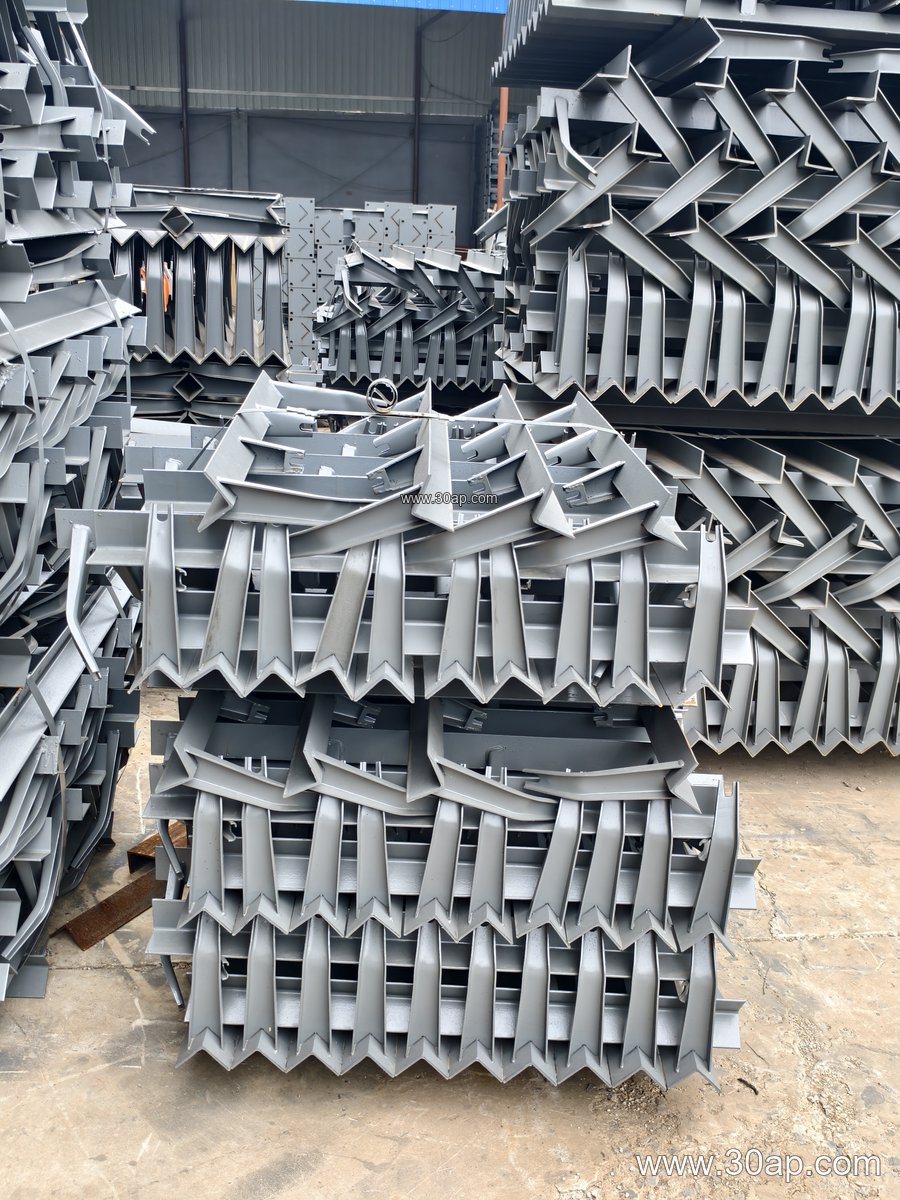
Most brackets are welded assemblies. The main beam may be channel steel for heavy loads or folded plate for lighter duty. Idler seats are punched or drilled to match the roller shaft, and the finish may be painted, galvanized, or left bare for in-house coating. A well-made bracket keeps its geometry after installation, so the rollers sit at the intended trough angle and the belt runs true.
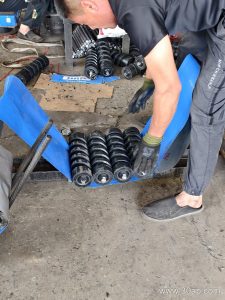
Common types include trough brackets, upper trough brackets, transition brackets, return brackets, flat return brackets, V-return brackets, impact bracket sets, self-aligning brackets, forward-leaning brackets, spiral roller brackets, suspended brackets, and adjustable brackets. Each has a different manufacturing input and therefore a different price band.
Parameters That Move the Price
Belt width and trough angle are the first two questions a supplier will ask. A bracket for B800 at 35 degrees is a different fabrication job from one for B1400 at 45 degrees. Roller diameter matters too, because the seat and fixing points must suit the shaft. Typical combinations look like B800, 35 degrees, Ø108, or B1200, 45 degrees, Ø133, or B650, 30 degrees, Ø89. These are reference combinations, not fixed rules; installation hole spacing and beam length are determined by design.
- Belt width range commonly quoted: B500, B650, B800, B1000, B1200, B1400, B1600, B1800, B2000, B2200
- Trough angles: 20, 30, 35, and 45 degrees; adjustable brackets can move between these
- Forward lean on forward-leaning brackets: usually about 1.5 to 2 degrees
- Roller diameters: Ø89, Ø108, Ø133, Ø159, Ø194
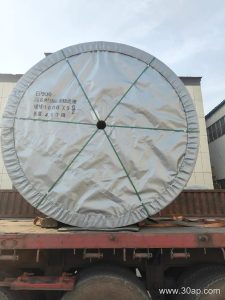
A bracket quoted for a 1200mm wide conveyor belt in a cement plant will not match one for a 650mm aggregate line, even if both look similar in a photo.
Where These Brackets Are Used
You will find them in stone crushing and screening plants, where dust and impact load punish weak welds. In a coal washing plant or a power plant coal yard, flame retardant and anti-static properties of the belt matter, but the bracket must also resist corrosion from washdown. In a steel plant sintering line, heat-resistant belts run alongside brackets that must hold alignment under vibration.
Ports and ship loading systems use wide frames, often with a 1500mm or 1800mm wide conveyor belt, and there the bracket price reflects heavier steel and tighter tolerances. The same logic applies whether the belt above is an EP conveyor belt, an NN conveyor belt, a steel cord conveyor belt, or a corrugated sidewall conveyor belt.
Adjustable or Fixed, Which Costs More
Adjustable brackets carry a premium because of the extra slots, bolts, and machining. They let maintenance teams fine-tune trough angle and belt contact without replacing the frame. Fixed brackets are cheaper per piece and stiffer, which suits long straight runs in a sand and gravel line or a tunnel spoil conveyor. Neither is universally better; the duty decides.
Buyers should compare like for like. Ask for material thickness, welding standard, hole spacing, and coating. A low conveyor bracket price with thin plate and poor hole alignment usually costs more later in belt edge damage and downtime.
Buying Checklist
- Confirm belt width and required trough angle before requesting a quote
- State roller diameter and shaft fixing details
- Specify environment: dust, washdown, heat, or corrosion
- Request drawing approval before batch production
- Check that spare parts match existing frames on site
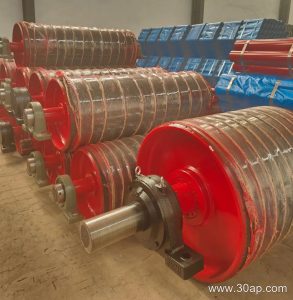
For a full system view, pair bracket selection with the conveyor pulley and idler roller specification so that frames, rollers, and belt all work together. A bracket is a small line item, but it decides how long the belt and rollers last.