What a High-Speed Conveyor Idler Has to Handle
When a conveyor belt runs at high speed, every idler roller along the line rotates faster and works harder. A high-speed conveyor idler is the same basic component found on any troughed belt conveyor, but it is built and selected with rotation, balance and bearing life in mind. In a limestone quarry or a power plant coal yard, belt speeds can climb well above what a slow transfer line sees, and the idlers must keep the belt stable without overheating bearings or throwing vibration into the frame.
The job is simple to describe. The idler supports the loaded belt, holds the trough shape, and lets the belt move with low resistance. At speed, small imperfections in roundness, seal drag or roller weight become much more noticeable. That is why buyers often treat high-speed sections differently from slow ones, even when the idler looks identical from the outside.
How the Roller Is Built
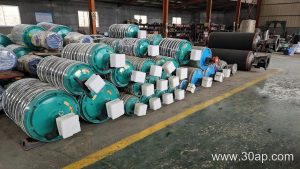
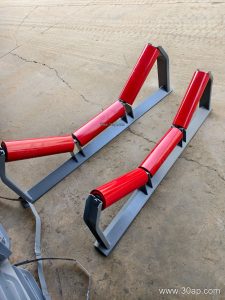
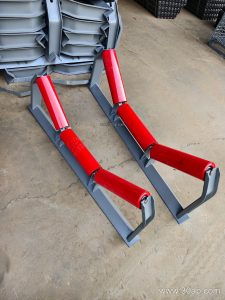
A typical high-speed conveyor idler uses a steel tube shell, pressed end caps, a through shaft, and sealed ball bearings. The shell may be plain steel, nylon coated, ceramic covered or fitted with rubber rings for impact zones. Bearing seats are machined to keep the shaft concentric, and the labyrinth seal keeps dust out. In a stone crushing line, fine dust is the main enemy; in a cement plant, it is abrasive powder; in a coal yard, moisture and fines combine.
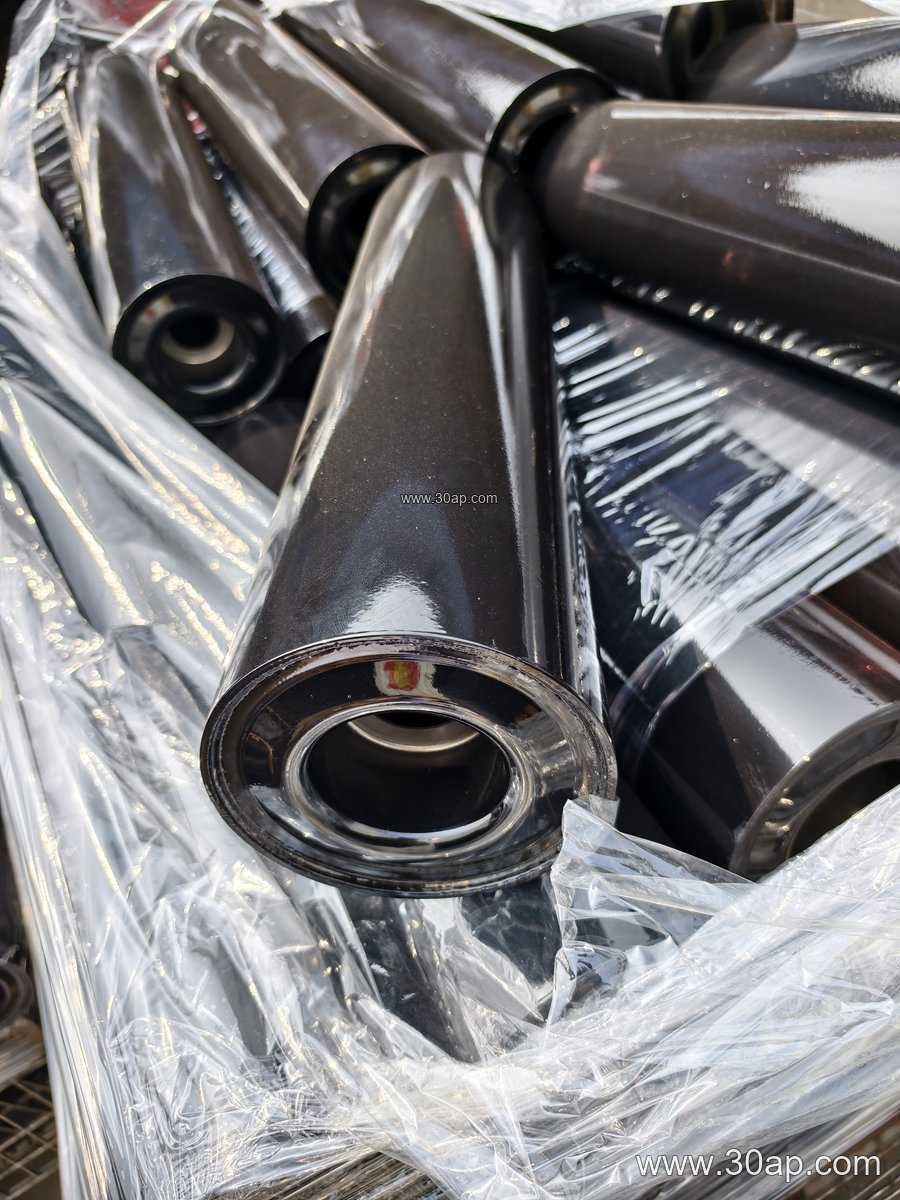
Balance matters more as speed rises. A roller that is slightly out of round will vibrate, and that vibration travels into the conveyor bracket and the frame. Good manufacturing practice keeps wall thickness consistent and checks runout before assembly. The bearings themselves are usually common sizes, and the correct choice depends on load and speed rather than on tube diameter alone.
Where High-Speed Idlers Are Used
Fast belts appear in iron ore terminals, copper ore handling, coal preparation plants and aggregate conveyor lines where long distances and high tonnage push the design toward higher belt speed. A high-speed conveyor idler is also common on overland sections of a cement plant or a port ship-loading system. In these places the belt may be a heavy-duty mining conveyor belt or a steel cord conveyor belt, and the idler set has to match the belt stiffness and the load profile.
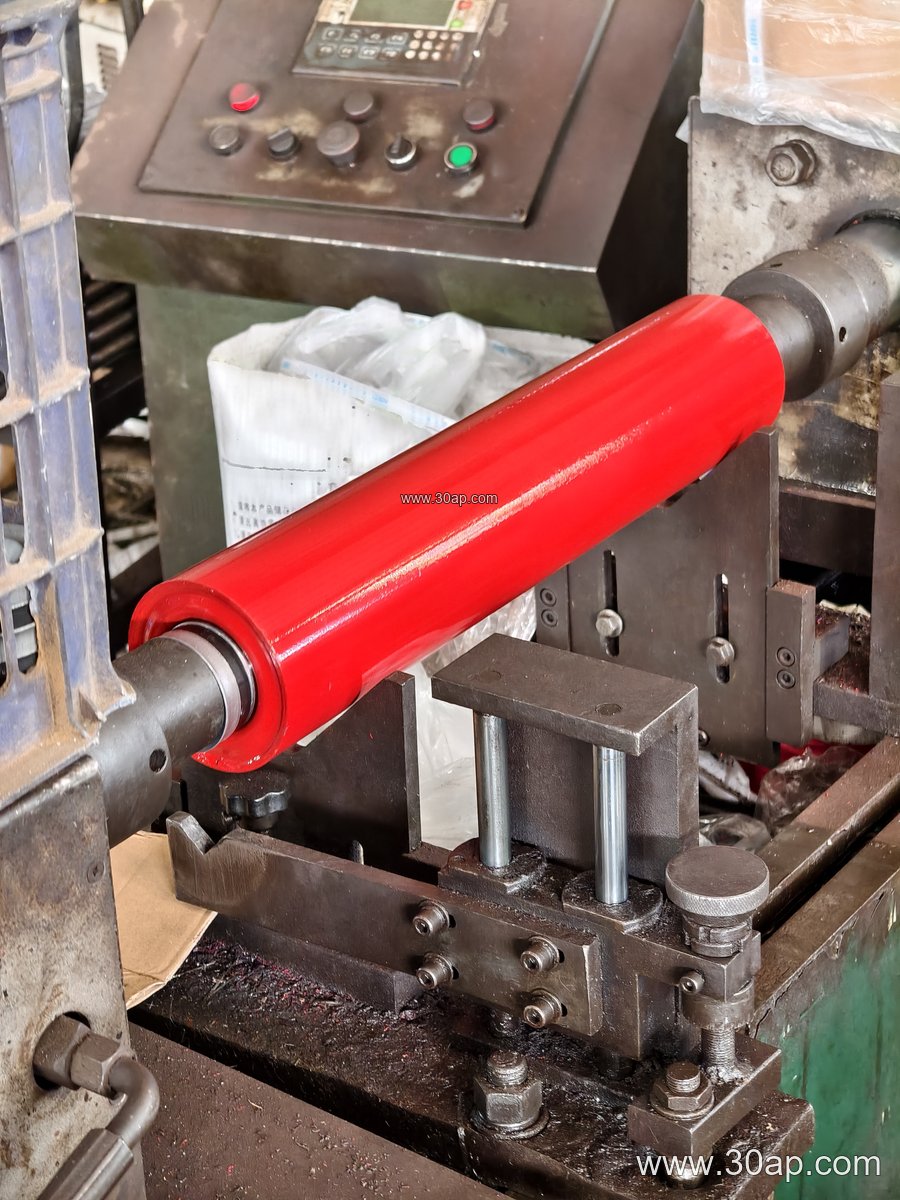
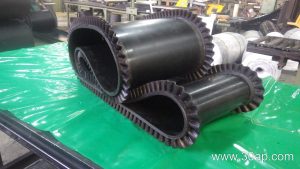
High speed does not remove the need for the right belt. A rubber conveyor belt, an EP conveyor belt or an NN conveyor belt all behave differently under the same idler spacing, and a fabric core conveyor belt may need closer support than a stiff steel cord belt. The idler and the belt are chosen together.
Common Reference Sizes
The table below shows typical reference values, not fixed rules. Roller length changes with belt width, trough angle and idler arrangement, and side rollers can differ from the centre roller.
| Item | Common reference values |
|---|---|
| Roller diameter | Ø63, Ø76, Ø89, Ø102, Ø108, Ø127, Ø133, Ø159, Ø178, Ø194, Ø219 mm |
| Belt width | B400, B500, B650, B800, B1000, B1200, B1400, B1600, B1800, B2000, B2200, B2400 |
| Trough angle | 20°, 30°, 35°, 45° |
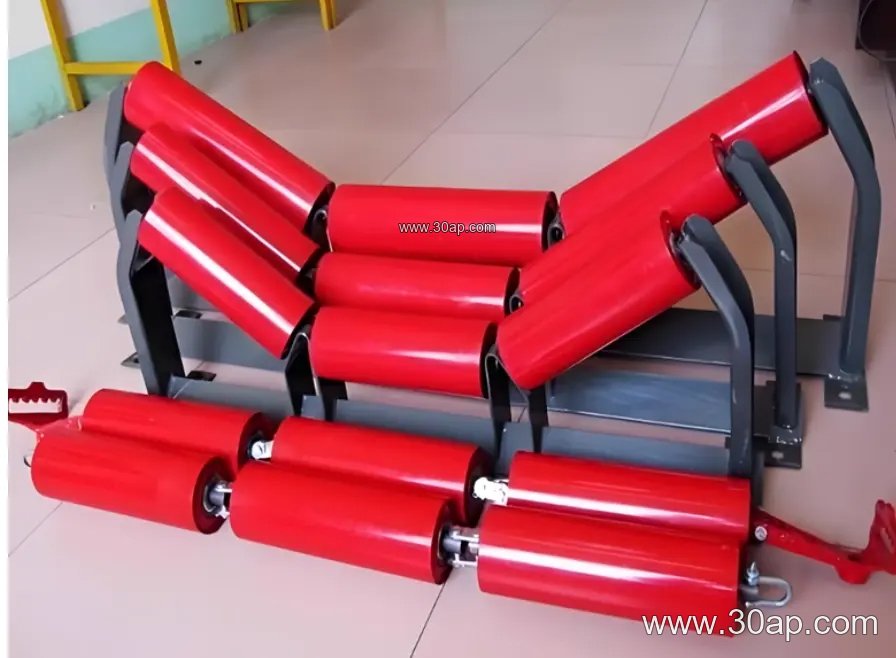
| Idler set | single roll, two-roll, three-roll troughing |
| Bearing | 6204, 6205, 6305, 6306, 6308, 6310 |
| Roller surface | steel tube, nylon, ceramic, rubber ring |
For example, a three-roll troughing set on B800 may use rollers around 315 mm long, while B1200 often calls for about 465 mm. These are common examples only; the final length is set by the design.
What Buyers Should Check
- Speed rating. Ask for the permitted rotation speed and confirm it against the actual belt speed, not just the tonnage.
- Seal and bearing. Dusty sites such as a quarry or a coal handling plant need a seal that suits the local condition.
- Trough angle. A 35° or 45° trough holds a fuller load, but it also changes belt contact and roller load.
- Roller surface. Rubber rings help at transfer points; ceramic or nylon may suit abrasive fines.
- Spacing. High speed and heavy belt usually mean closer spacing, especially near a crusher or loading point.
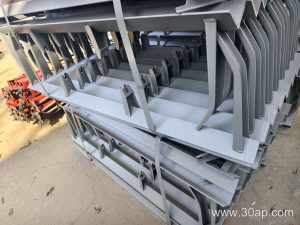
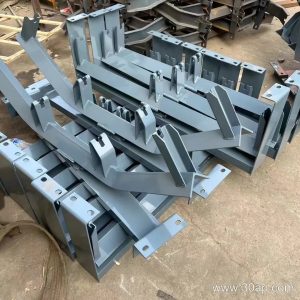
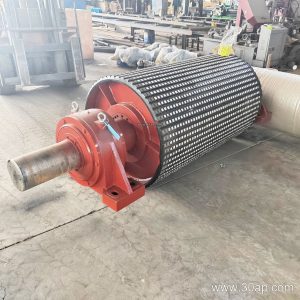
It also helps to check the conveyor bracket and the conveyor pulley alignment, because a fast belt amplifies any misalignment. A worn pulley face or a loose bracket can shorten idler life as quickly as a poor bearing.
Maintenance Notes
Listen for a change in sound and watch for belt wander. A seized roller can wear through a belt in hours, so spare idlers should be kept for critical lines. In a sinter plant or a power station, heat and dust together make inspection more important than on a clean line. Record roller temperature and vibration where possible, and replace a roller when it stops turning freely rather than waiting for belt damage.
For more on matching idlers with rubber conveyor belt, EP conveyor belt and related components, visit ztconveyor.com. A well-matched high-speed conveyor idler keeps the belt running true and protects the whole conveyor system.