What a Fixed Conveyor Bracket Does on the Line
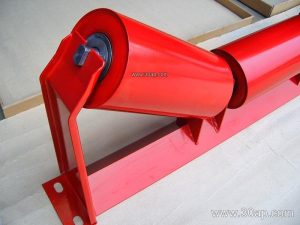
A fixed conveyor bracket is the welded or bolted frame that holds idler rollers at a set position and a set angle along the carrying or return side of a belt conveyor. Unlike an adjustable bracket, it has no sliding slots or pivoting seats: once the workshop or the erection crew sets the trough angle, that geometry stays put for the life of the installation. On a quarry conveyor belt or a cement plant transfer line, this rigidity is exactly what keeps the belt profile steady and the material centered.
The bracket is not a wear part in the same sense as the roller it carries, but it decides how well that roller works. A twisted or under-sized frame will tilt the idlers, shorten their bearing life and start the belt tracking toward one edge.
How the Frame Is Built
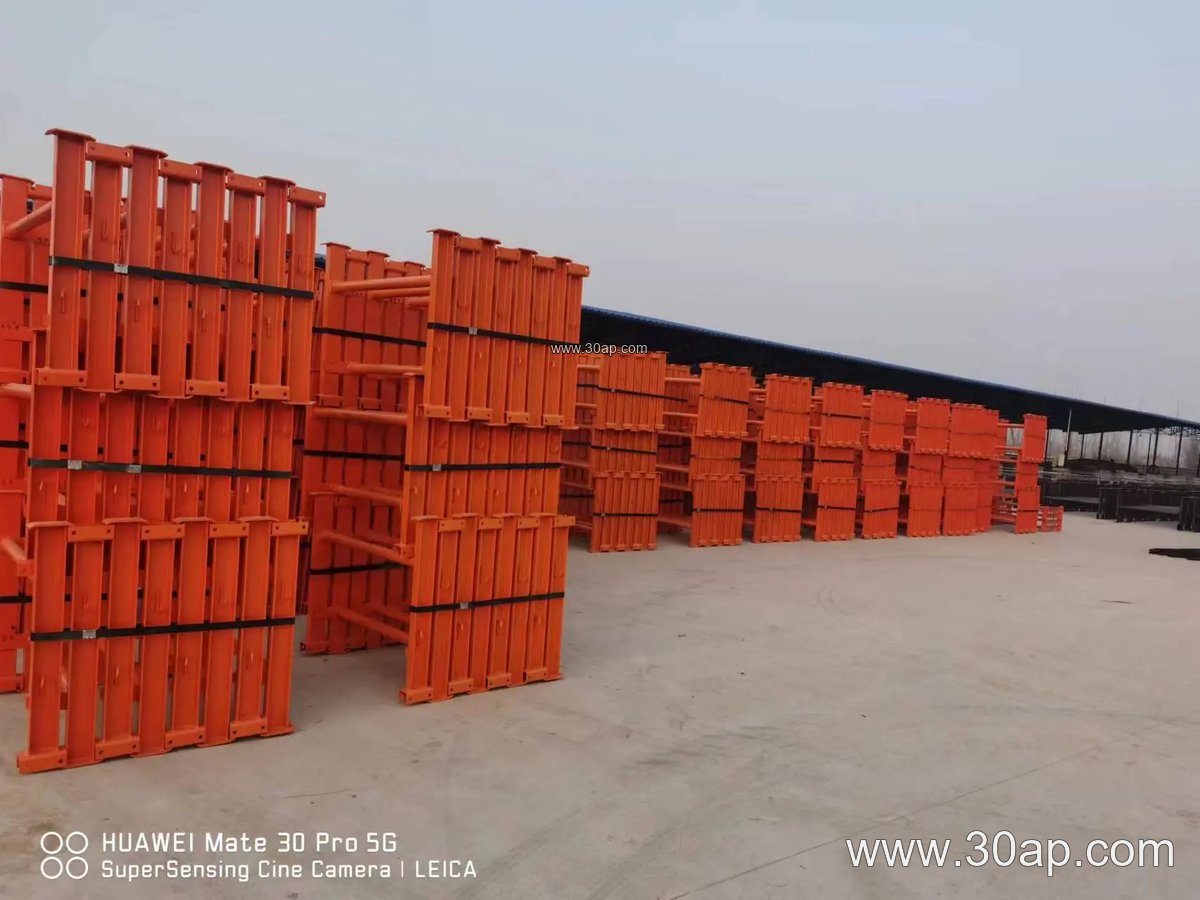
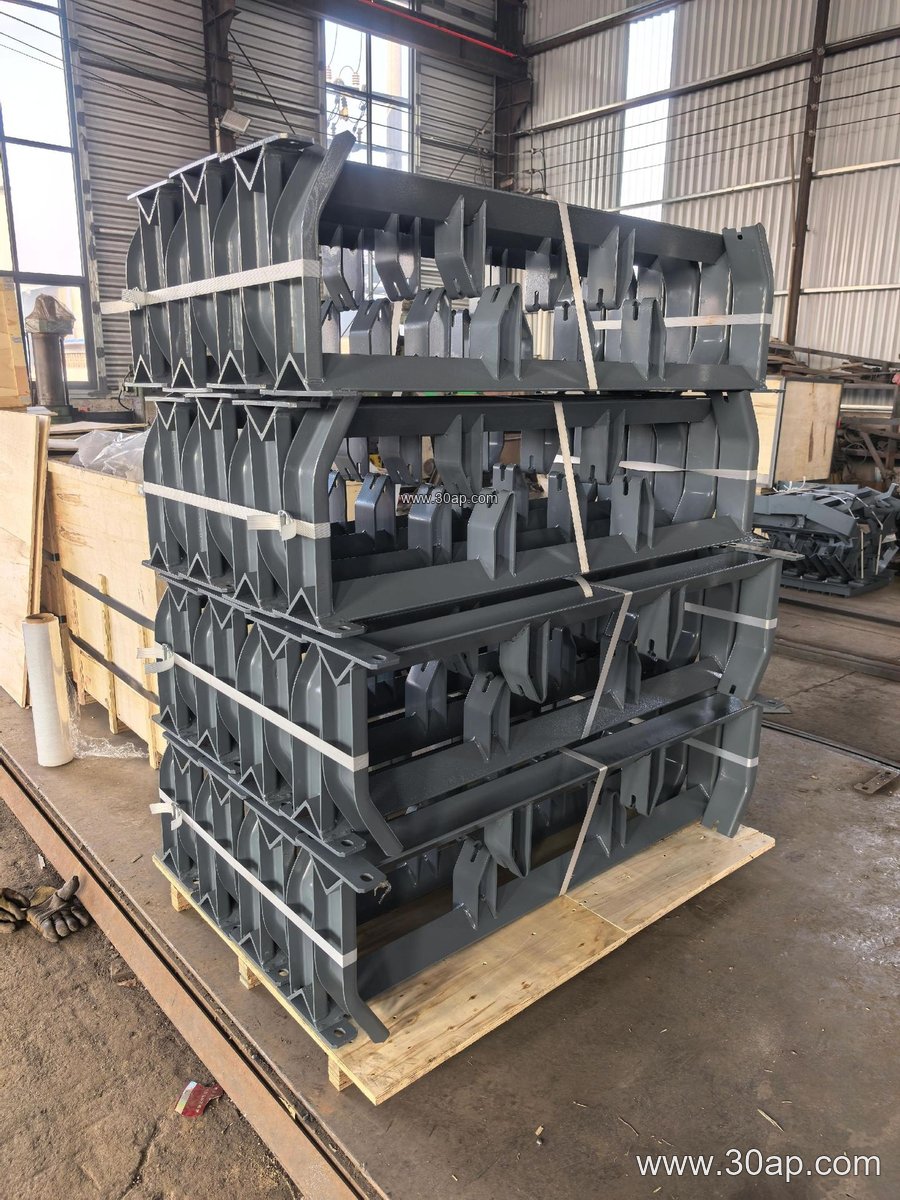
Most fixed brackets are fabricated from angle steel, channel steel or folded steel plate, then drilled for the idler shaft ends and for the stringer or cross-beam bolts. Two families are common:
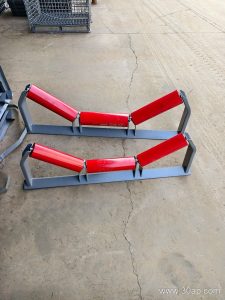
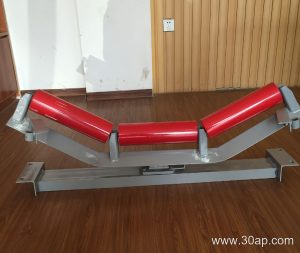
- Troughing bracket (carrying side) — carries two or three idlers in a fixed V or trough shape, typically set at 20, 30, 35 or 45 degrees.
- Return bracket (return side) — a flat or V-shaped frame that supports the empty strand, sometimes with a pair of inclined rollers to help self-centering.
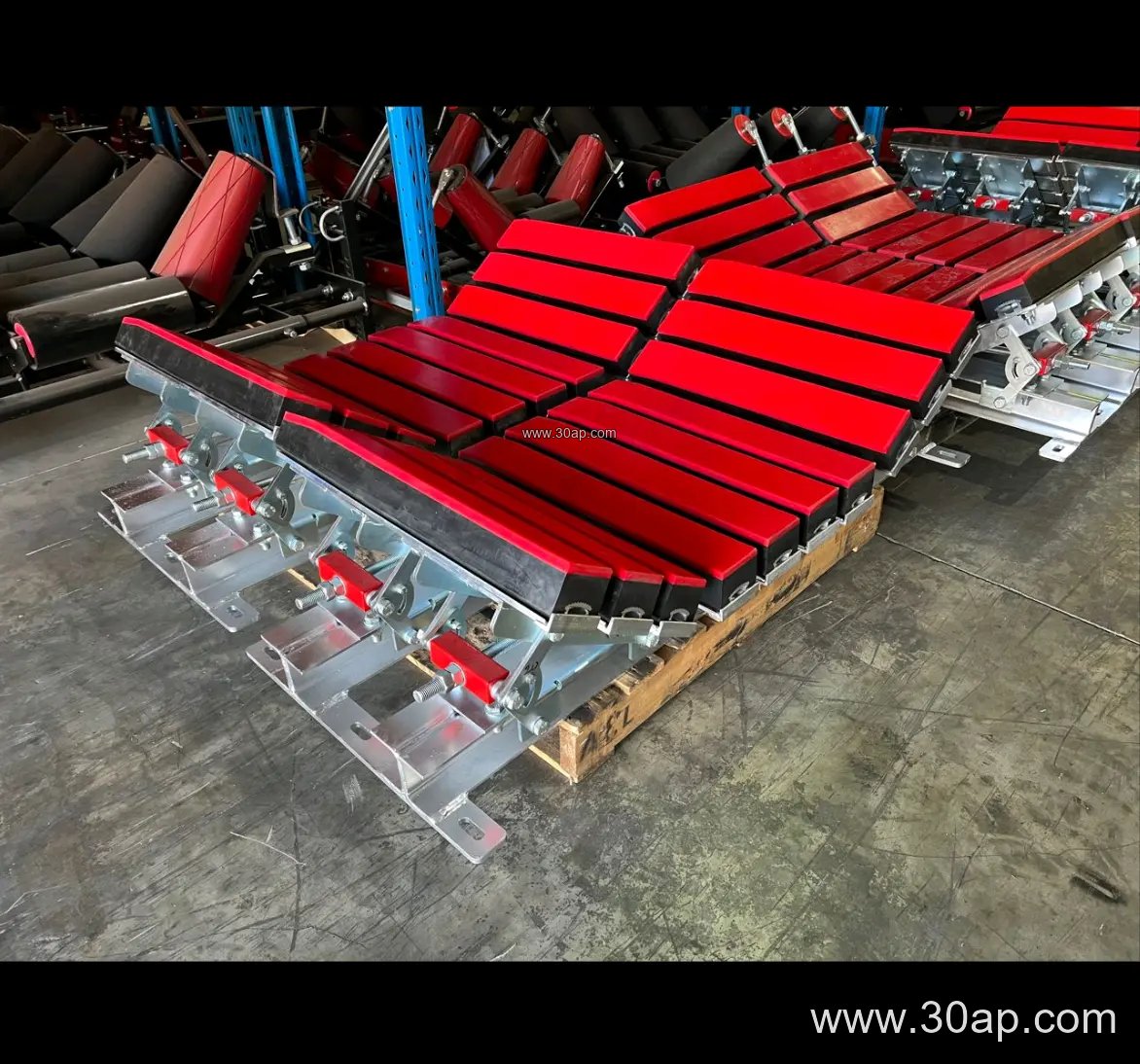
Fixed frames are also used as impact brackets under loading points, where a heavier section and closer roller spacing absorb the drop of ore or crushed rock. Transition brackets near the head and tail pulleys hold a shallower angle so the belt opens gradually from flat to troughed. In all of these, the bracket is a locating device, not an adjustment device; the angle and the roller spacing are decided at the design stage.
Typical Reference Values
The figures below are common references, not universal specifications. Hole spacing, beam length and frame width change with belt width, trough angle and roller diameter, and the final values should always follow the conveyor design drawing.
| Parameter | Common range |
|---|---|
| Belt width B | B500, B650, B800, B1000, B1200, B1400, B1600, B1800, B2000 |
| Trough angle | 20°, 30°, 35°, 45° |
| Idler diameter | Ø89, Ø108, Ø133, Ø159, Ø194 |
| Forward tilt (where used) | about 1.5° to 2° |
| Main materials | angle steel, channel steel, folded plate |
An example combination such as B800, 35°, Ø108 is a normal configuration for a medium-duty stone crushing line, while B1200, 45°, Ø133 suits a heavier bulk material conveyor belt at a port or power plant coal yard. Neither belt width nor trough angle is locked to a single roller diameter.
Where Fixed Frames Fit Best
Fixed brackets are the default choice for long, straight runs where the belt path does not change: limestone quarries, iron ore concentrate lines, sinter plants, sand and gravel washing plants, fertilizer granulation halls and grain silos. In a coal mining conveyor belt system, they are often paired with a flame retardant conveyor belt and self-aligning idlers to keep the strand centered through long galleries.
Adjustable brackets are more useful at transfer points, curved sections or where a belt has a history of misalignment, because the angle can be tuned on site. For a plain straight section, the fixed version is simpler, cheaper to fabricate and less likely to drift out of alignment after years of vibration.
Buyer Checklist
- Confirm belt width and trough angle before ordering; the frame is drilled to match.
- State the idler diameter, since the shaft seat and the roller cradle height depend on it.
- Ask for the mounting hole pattern and cross-beam length rather than assuming a standard.
- Match the steel section to the load: impact zones and heavy ore need a thicker frame than a light aggregate line.
- Check surface treatment — galvanizing or painting — against the site humidity and dust.
- Keep spare brackets for impact stations, where frames take the most abuse.
Used together with well-chosen conveyor pulleys, a straight-running conveyor belt and correctly sized idler rollers, a fixed conveyor bracket is a low-cost part that quietly protects the whole conveyor structure.