What a Power Plant Conveyor Idler Does
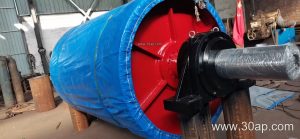
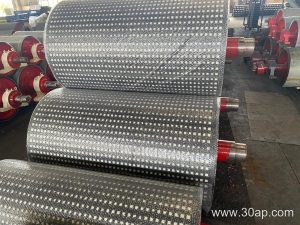
A power plant conveyor idler is the rotating support that carries the conveyor belt along the coal handling or ash removal route. In a typical coal-fired plant, idlers are mounted on a steel frame and spaced at regular intervals to keep the belt from sagging between pulleys. The idler roller rotates with the belt, reducing friction and protecting both the belt cover and the load. Unlike a conveyor pulley, which drives or redirects the belt at the ends, the idler works continuously along the carrying and return sides. This distinction matters when ordering spares: a drive pulley and a tail pulley are not interchangeable with an idler, even if they sit on the same conveyor.
Construction and Common Types
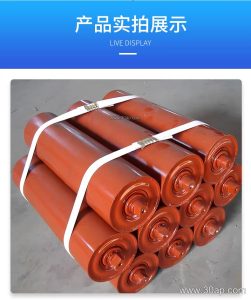
A standard idler roller consists of a steel tube shell, bearing housings, a shaft, and a sealing arrangement. The shell may be plain steel, nylon-coated, ceramic-lined, or fitted with rubber rings for impact zones. Bearings such as 6204, 6205, 6305, 6306, 6308, and 6310 are common, though the bearing size should be matched to the load and speed by the conveyor designer, not guessed from belt width alone.
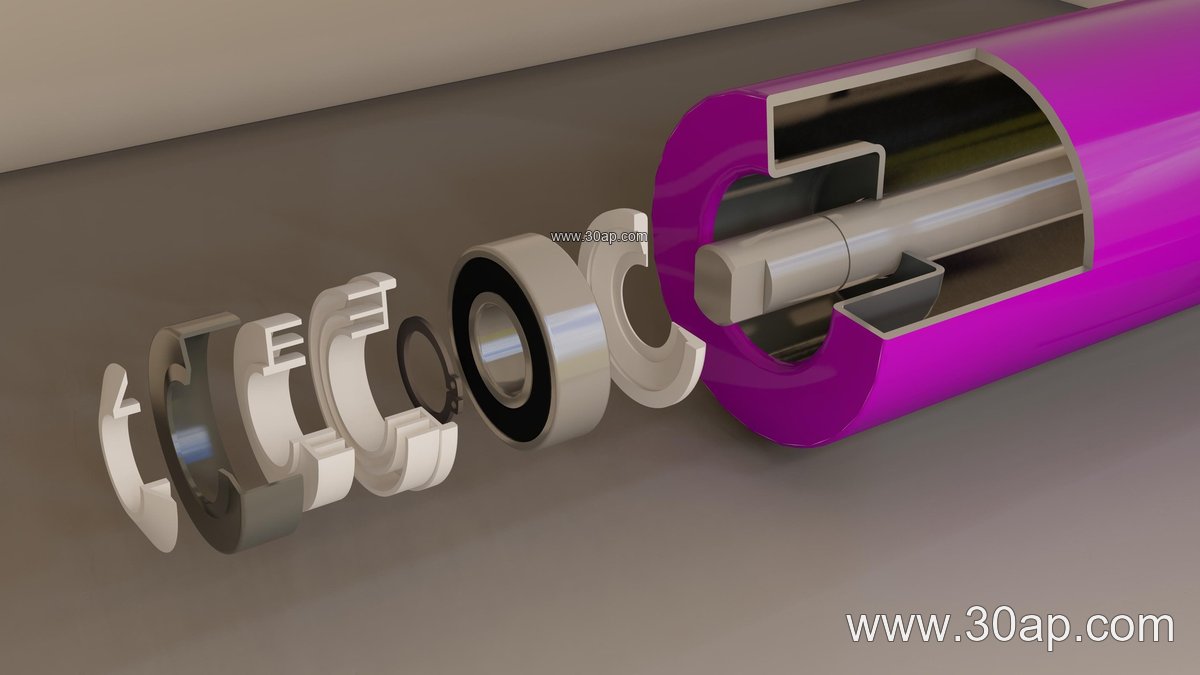
In power plant coal handling, the most visible types include:
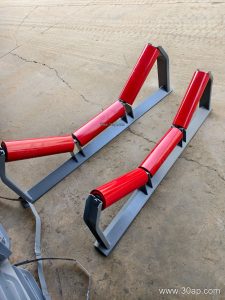
- Troughing idlers (two- or three-roll) on the carrying side, usually set at 20, 30, 35, or 45 degrees trough angle.
- Impact idlers or rubber-ring impact idlers under the loading point, where coal drops onto the belt.
- Return idlers, including flat and V-return designs, supporting the empty belt.
- Self-aligning idlers, sometimes with friction or tapered rolls, to correct belt tracking.
- Spiral idlers for sticky material that tends to build up on the roller surface.
Trough angle affects how much material the belt can hold. A 35-degree three-roll set is common on main coal conveyors, while a 20-degree set may appear on wider belts or where material is less free-flowing. Roll length varies with belt width and trough configuration. For example, a three-roll troughing set on B800 may use rolls around 315 mm long, while B1200 may use rolls around 465 mm. These are typical examples, not fixed rules; side rolls and center rolls can differ.
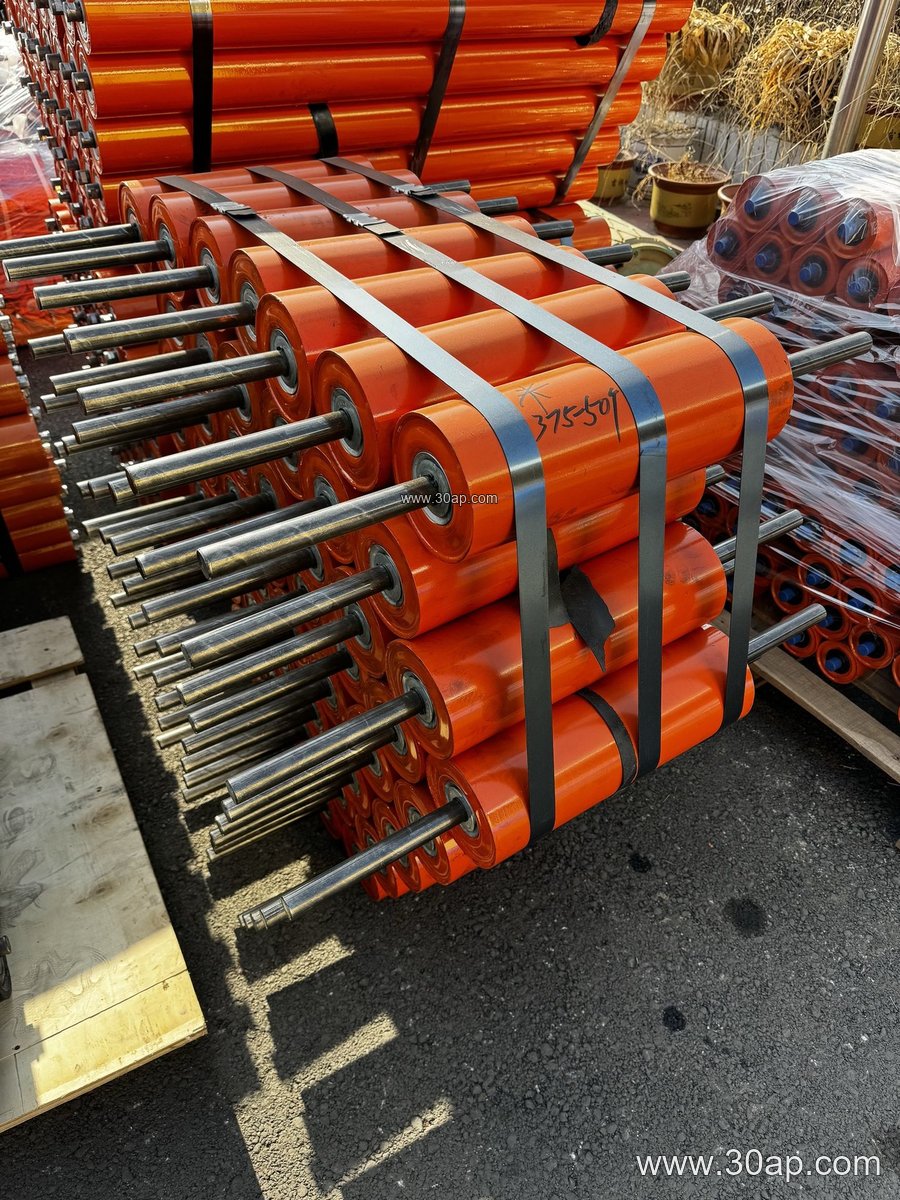
Where It Fits in the Plant
Power plant conveyor idlers appear in coal yards, transfer houses, crusher discharge lines, and boiler feed routes. In a coal mining or washing plant, the same idler family supports raw coal and washed coal belts. In a cement plant or limestone quarry, dusty conditions put more demand on seals. In a port or ship loading terminal, long overland conveyors rely on low-friction idlers to keep power consumption down. The idler must suit the belt: a heavy-duty mining conveyor belt with a thick cover and high tension needs robust rolls, while a lighter aggregate conveyor belt may use standard steel rolls.
The belt itself is part of the system. A flame retardant conveyor belt or fire resistant conveyor belt is often specified for underground coal mining conveyor systems, and the idler seals should resist coal dust. Where coal is transported over long distances, an EP conveyor belt or steel cord conveyor belt may be used, and idler spacing is adjusted to control sag. A rubber conveyor belt with chevron or corrugated sidewall profiles may need different idler clearance than a flat belt.
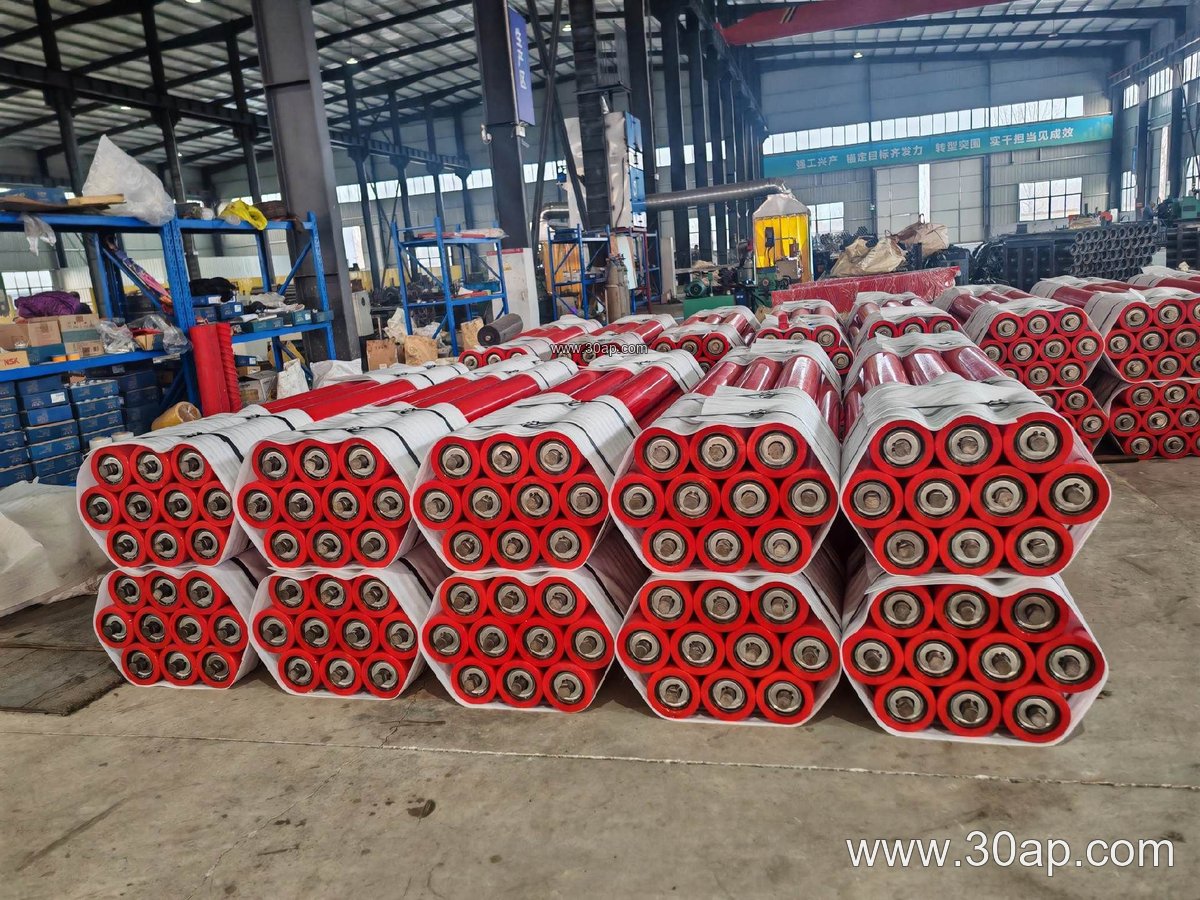
What Buyers Should Check
Before ordering power plant conveyor idlers, confirm the belt width, trough angle, roll diameter, and mounting dimensions. Common roll diameters include 89, 102, 108, 127, 133, 159, and 178 mm, but the correct diameter depends on load and speed. Check the shaft end type and the conveyor bracket dimensions so the idler fits the existing frame. Ask about sealing: labyrinth seals, contact seals, and grease retention matter in coal dust. For impact zones, specify rubber-ring impact idlers rather than standard troughing rolls. For return strands, V-return idlers help center the belt.
Maintenance crews should watch for seized rolls, worn shells, and missing rubber rings. A noisy or stopped idler can wear the belt cover quickly, especially on an abrasion resistant conveyor belt carrying sharp coal. Keep spare idlers for the most common sizes on site, and record roll length and diameter rather than assuming one size fits every conveyor.
Installation and Tracking Notes
Idlers should be square to the belt centerline and set at the specified spacing. Self-aligning idlers can help with minor mistracking, but they are not a substitute for proper pulley alignment. When replacing idlers, check the conveyor bracket and frame for distortion. On a coal mining conveyor belt or quarry conveyor belt, a small misalignment can cause edge damage over time. Use the correct roll length for the trough set and keep the trough angle consistent along the run. If the belt is a pipe conveyor belt or an endless conveyor belt, follow the manufacturer’s idler layout rather than adapting a standard troughing set.