What a Stone Conveyor Pulley Does in a Crushing Circuit
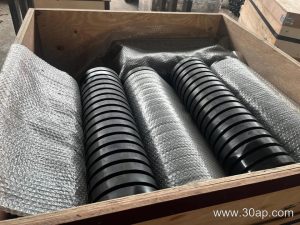
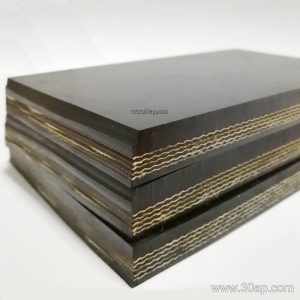
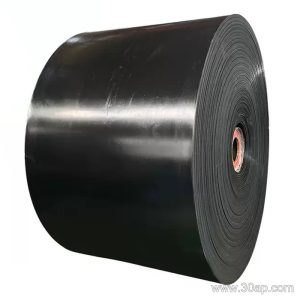
A stone conveyor pulley is the rotating drum that turns the conveyor belt and carries its tension at the head, tail, or bend points of a stone crushing and screening line. In a quarry or sand and gravel plant, the pulley is exposed to sharp rock, grit, water, and continuous shock loading, so it is built heavier than drums used for light bulk goods. The drum shell, shaft, bearing housings, and lagging are matched to the duty of the line, and the result is a component that must keep the belt tracking straight while the belt itself may be a heavy-duty mining conveyor belt or an abrasion resistant conveyor belt carrying crushed stone.
How the Drum Is Built
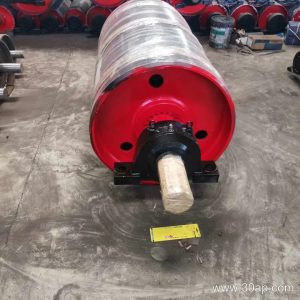
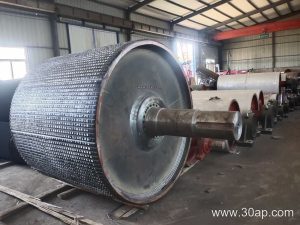
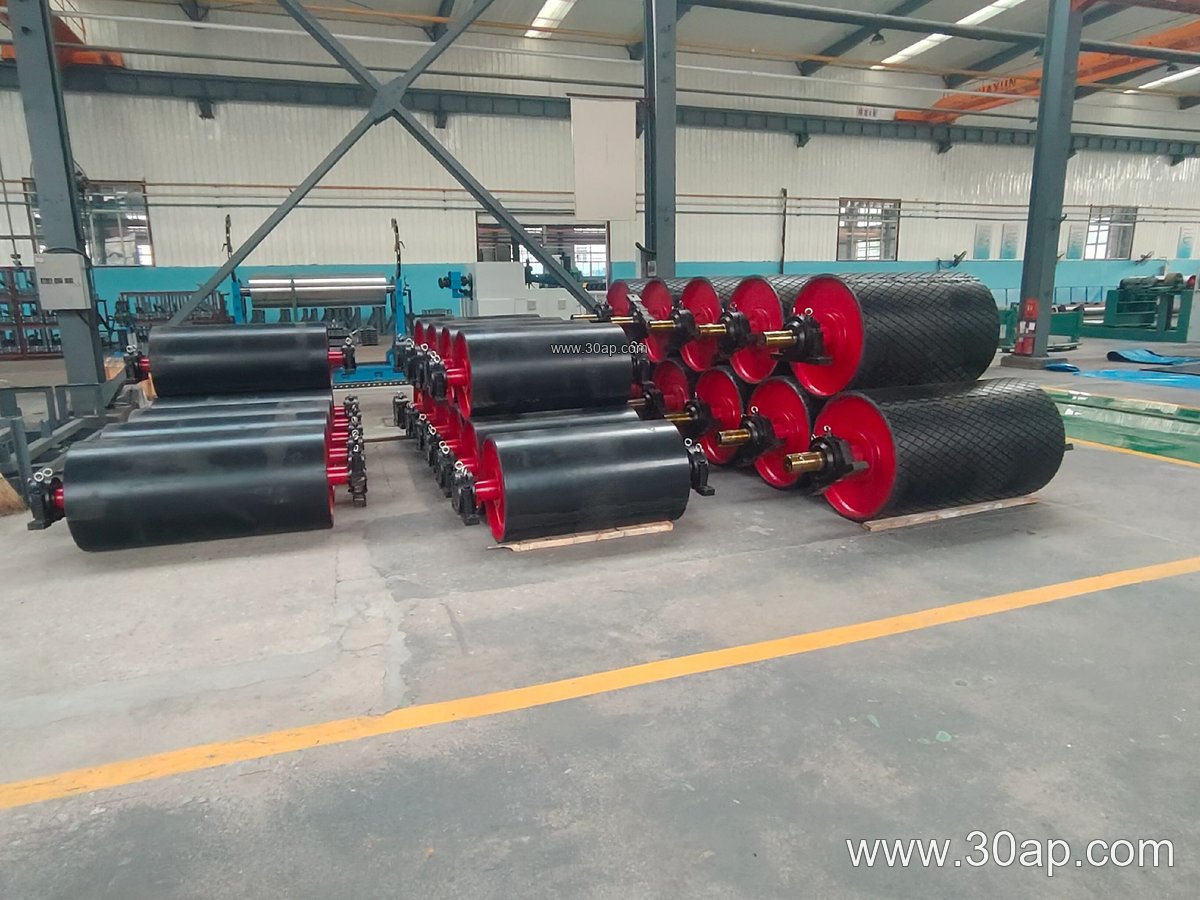
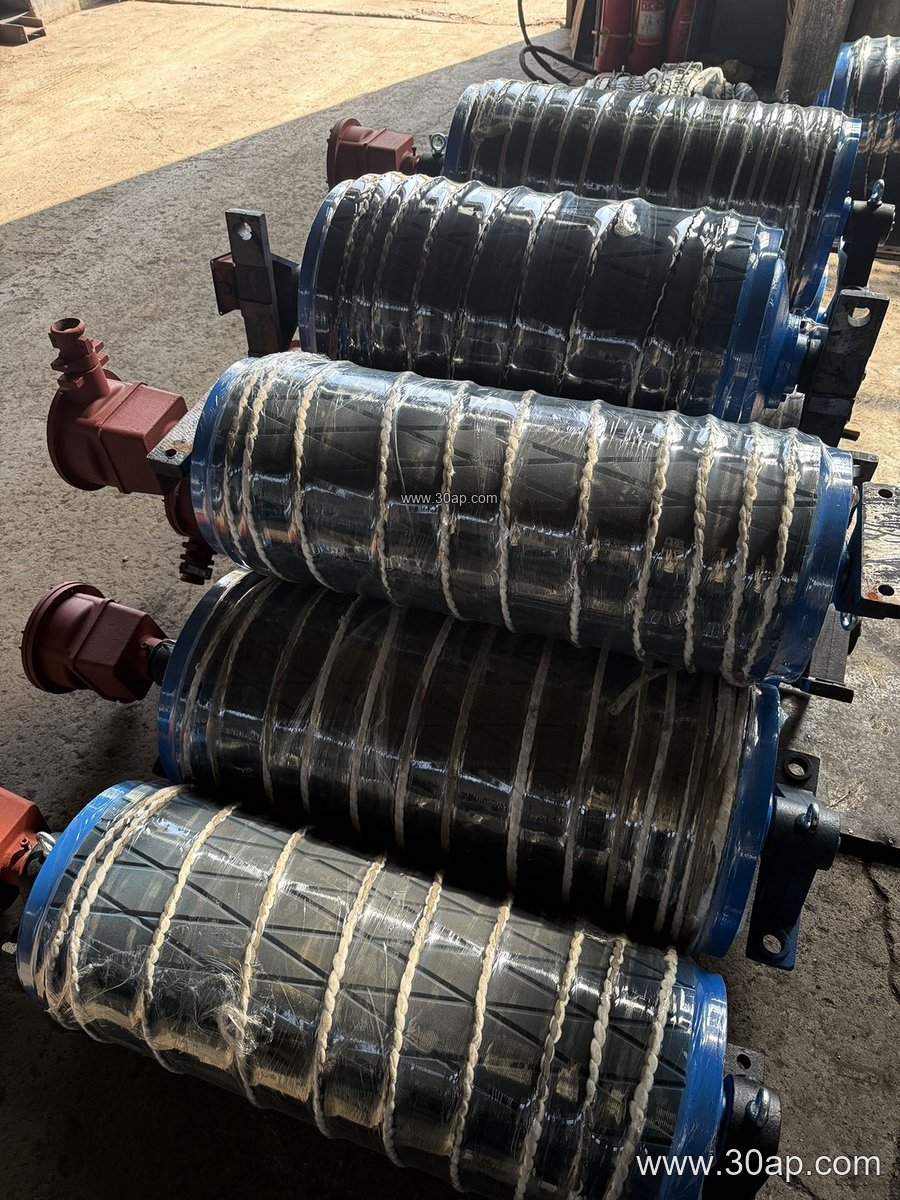
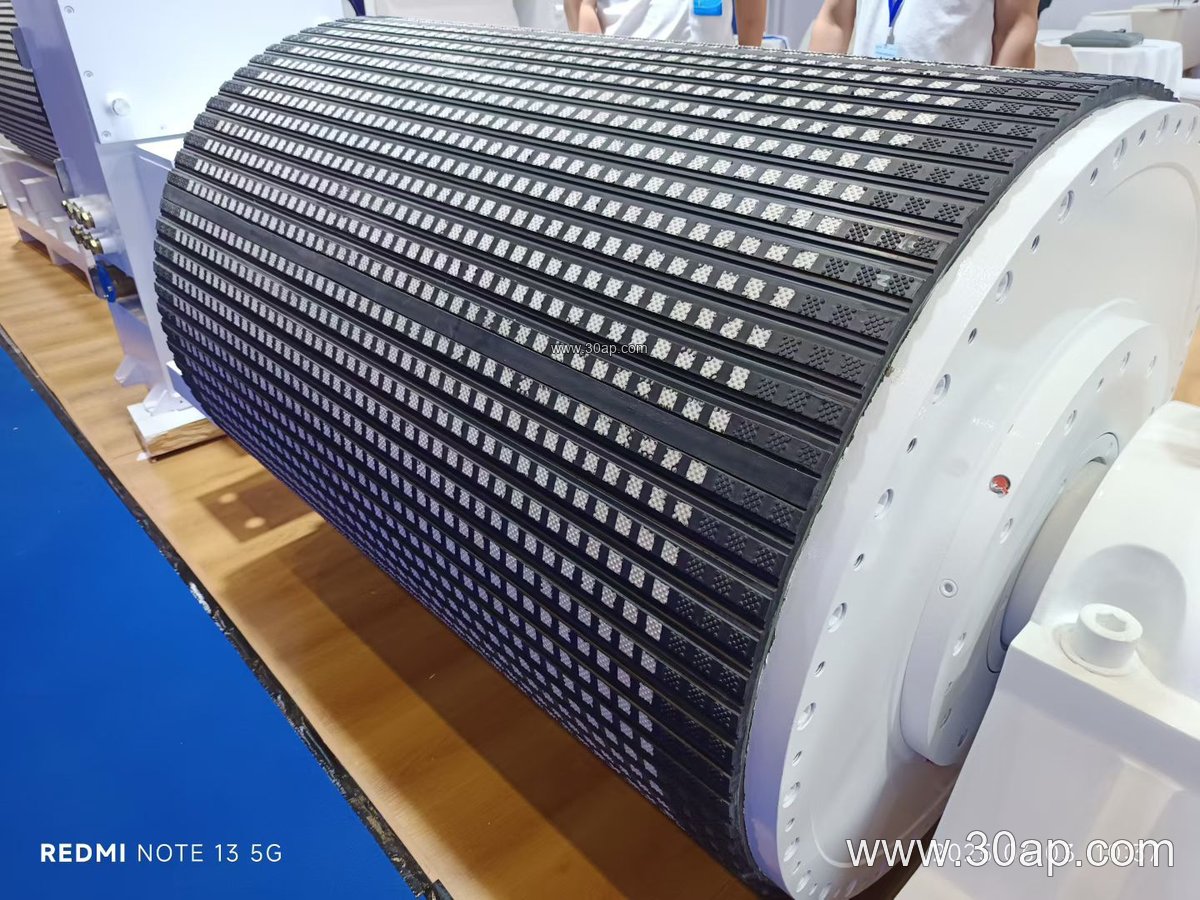
Most stone conveyor pulleys start with a rolled steel shell welded to end discs, with a through shaft keyed or shrink-fitted to the hubs. Bearing housings sit outside the shell, and the whole assembly is mounted on a conveyor bracket or frame. The pulley face is usually wider than the belt, since the belt must be supported across its full width. Surface treatment depends on grip and wear: plain face, rubber lagging applied cold or hot, diamond lagging, herringbone lagging, or ceramic lagging for the drive position. Lagging thickness commonly runs 8, 10, 12, 15, or 20 mm, and the choice affects both traction and the cleaning routine.
Drive, Tail, and Bend Positions Are Not Interchangeable
Where the drum sits in the conveyor changes what it must do. The drive or head pulley transmits power and needs good grip, so it often carries diamond or ceramic lagging. The tail pulley at the loading end guides the returning belt and may be fitted with a wing-type or self-cleaning form when sticky stone dust builds up. A bend pulley changes belt direction and is not a substitute for either the drive or the tail drum. On long stone lines, a tension pulley may be added to maintain belt slack, and an electric drum can be used where a compact drive is preferred. Each position has its own load case, so a buyer should specify the position rather than treat all drums as the same item.
Common Reference Sizes
The table below shows typical combinations used in stone and aggregate conveyors. These are reference values, not fixed rules, and the final diameter, shaft, and lagging should be confirmed against belt tension and torque.
| Belt width | Typical pulley face | Example drum size | Common shaft range |
|---|---|---|---|
| B500 | about 600 mm | B500 x Ø400 | Ø60 to Ø80 |
| B650 | about 750 mm | B650 x Ø500 | Ø70 to Ø90 |
| B800 | about 950 mm | B800 x Ø500 | Ø80 to Ø100 |
| B1000 | about 1150 mm | B1000 x Ø630 | Ø90 to Ø120 |
| B1200 | about 1400 mm | B1200 x Ø1000 | Ø100 to Ø140 |
| B1400 | about 1600 mm | B1400 x Ø800 | Ø120 to Ø160 |
| B1600 | about 1800 mm | B1600 x Ø1000 | Ø140 to Ø180 |
Larger stone plants may use B1800 or B2000 belts, and the drum face and shaft grow with them. Shaft diameter is set by torque and bearing load, not by belt width alone, so a B1200 line can legitimately use different shaft sizes depending on drive power and belt speed.
Matching the Pulley to the Belt and the Material
The belt side of the selection matters as much as the drum. A steel cord conveyor belt or a high strength conveyor belt carries more tension and generally calls for a larger diameter drum to limit bending stress. A fabric core belt such as an EP conveyor belt or NN conveyor belt is more tolerant of smaller diameters. In a coal washing plant or a power plant coal yard, a flame retardant conveyor belt may be required, and the pulley lagging should be chosen to avoid sparking and buildup. At a cement plant handling hot clinker, a heat resistant conveyor belt may run alongside drums fitted with heat-tolerant lagging. Impact zones near a crusher often use an impact resistant conveyor belt, and the tail pulley there should be protected from falling stone.
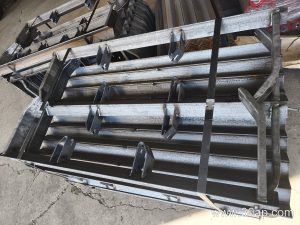
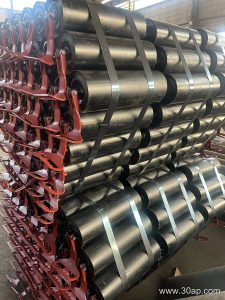
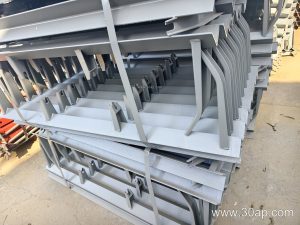
For more on belts that pair with these drums, see stone conveyor pulley and the belt range at conveyor belt. Idler rollers and conveyor brackets should be checked at the same time, because misalignment at the drum often shows up first as belt wander over the idlers.
Buyer Checklist
- State the pulley position: drive, tail, bend, tension, or snub.
- Give belt width, belt type, and belt speed so the drum face and diameter can be checked.
- Confirm lagging type and thickness for the material and the weather.
- Ask for the shaft diameter and bearing size based on calculated torque, not on belt width alone.
- Confirm the mounting bracket dimensions and the distance to the nearest idler roller.
- For dusty stone lines, discuss cleaning and inspection access before delivery.
In a quarry or aggregate plant, a well-specified stone conveyor pulley reduces belt slip, edge damage, and unplanned stops. The right combination of shell, shaft, lagging, and position keeps the whole conveyor line running with the belt, idlers, and brackets working as one system.