What an Upper Self-Aligning Idler Does
An upper self-aligning idler is a carrying-side idler that corrects belt drift before it becomes a problem. On a loaded conveyor, the belt rarely stays perfectly centered. Uneven loading, a slightly misaligned frame, or a splice that pulls to one side can all push the belt toward the edge. The upper self-aligning idler responds to that sideways force and steers the belt back toward the centerline, reducing spillage and edge damage.
It is common to see this idler described as a self-aligning carrying idler or self-tracking upper idler. All of these refer to the same product. It is not a return idler and it is not a conveyor pulley, which have different jobs on the conveyor.
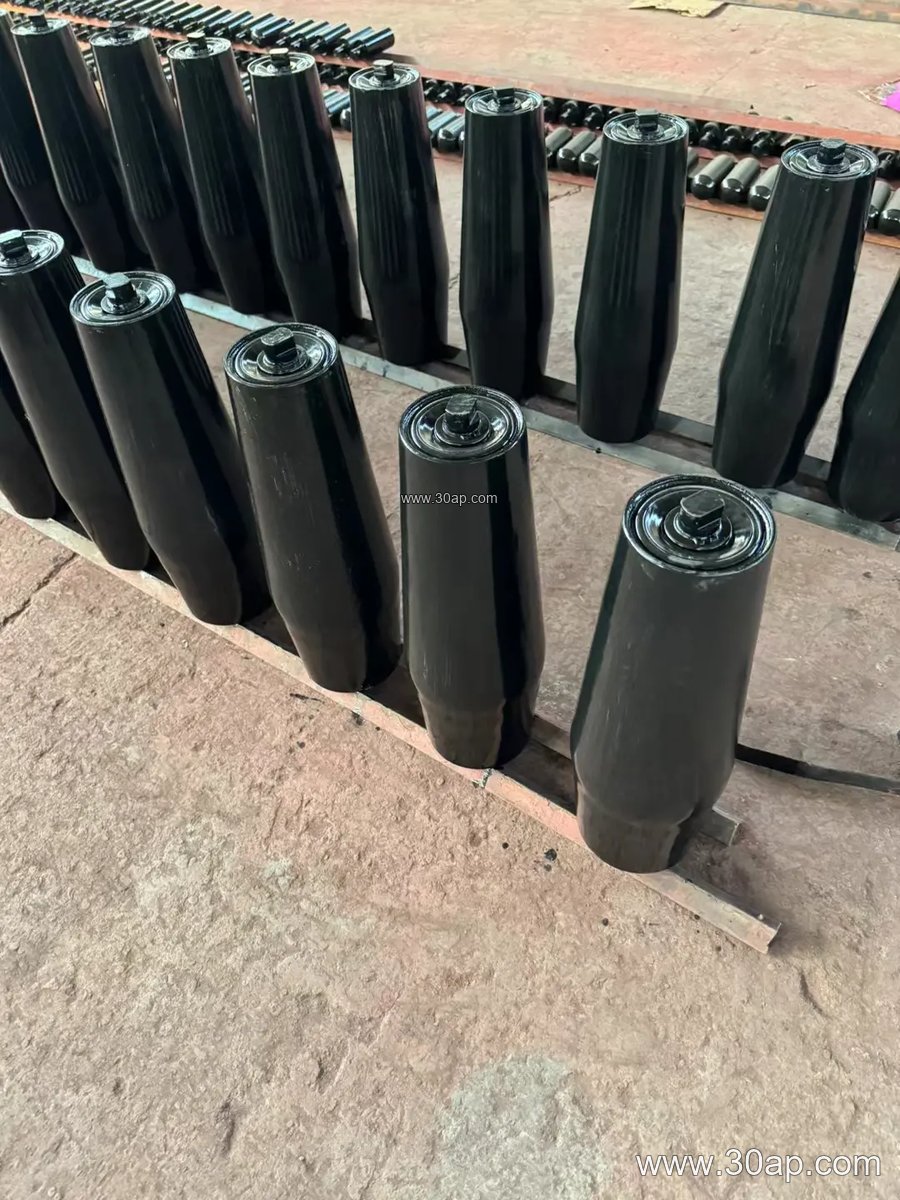
How the Assembly Is Built
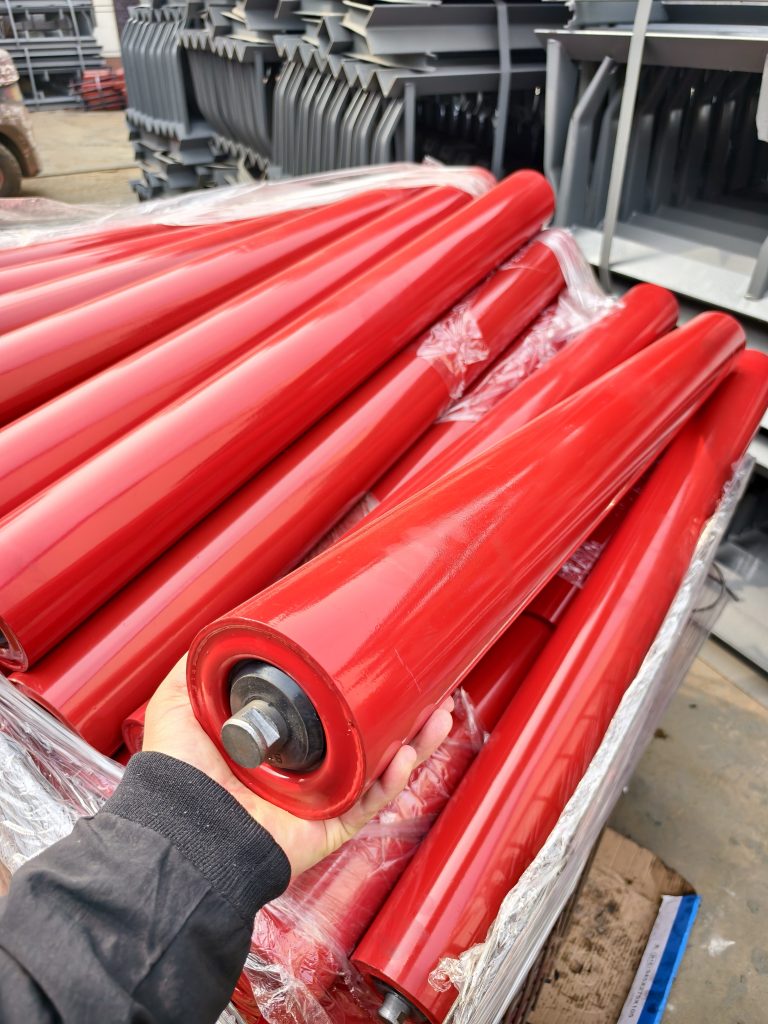
A typical unit uses a three-roll trough arrangement mounted on a rotating frame or a pivoting base. When the belt touches the side guide rolls, the frame turns slightly and the angled rolls push the belt inward. Many designs use a friction or conical self-aligning arrangement, where tapered end rollers create the correcting force without external power.
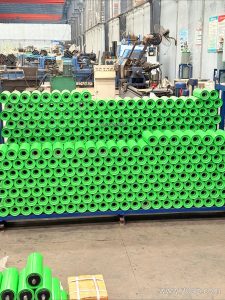
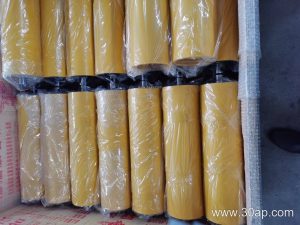
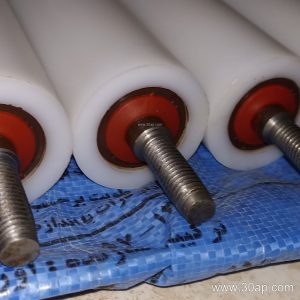
The roll body is usually steel tube, with nylon, ceramic, or rubber rings available where wear or material build-up is a concern. Common roller diameters for carrying idlers include Ø89, Ø108, Ø127, Ø133, and Ø159 mm, though the final choice depends on belt width and load. Bearings are often 6204, 6205, 6305, 6306, 6308, or 6310, selected together with the shaft and housing rather than by roll diameter alone.
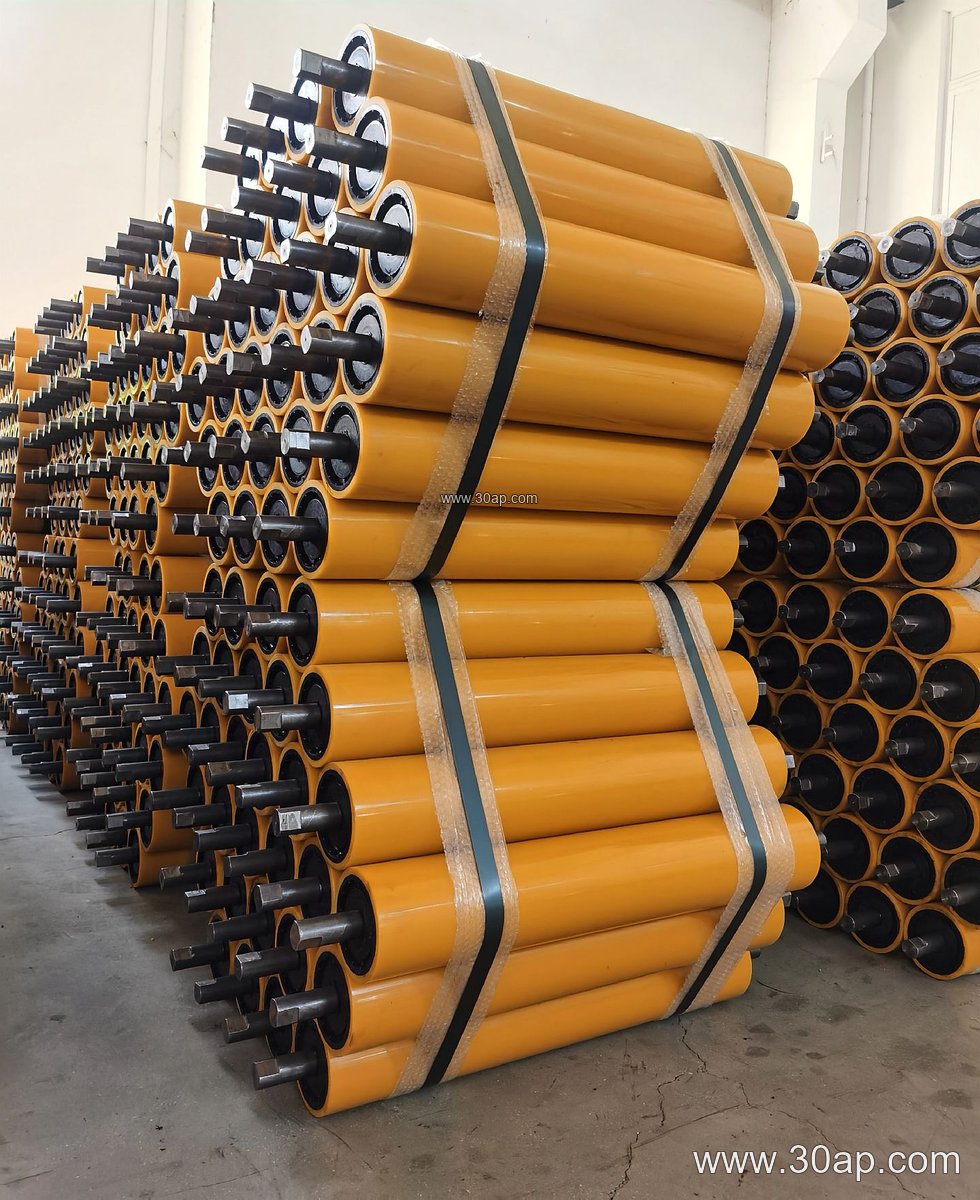
| Item | Common Range |
|---|---|
| Belt width | B500 to B2000 (B650, B800, B1000, B1200, B1400, B1600 are frequent) |
| Trough angle | 20°, 30°, 35°, 45° |
| Roll diameter | Ø89, Ø108, Ø127, Ø133, Ø159 |
| Roll surface | Steel, nylon, ceramic, rubber ring |
These are reference ranges, not fixed combinations. The idler length changes with belt width, trough angle, and roll arrangement. A B800 three-roll set, for example, often uses around 315 mm rolls, but side and center rolls can differ, and the exact length is set by design.
Where It Fits on the Conveyor
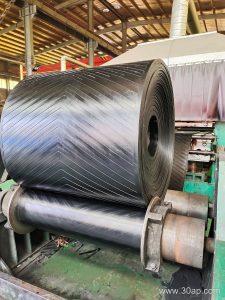
The upper self-aligning idler belongs on the carrying run, usually at intervals along a long straight section or just after a curve. It works alongside standard troughing idlers and the conveyor bracket or frame that holds them. In a quarry or aggregate line, it helps keep an abrasion resistant conveyor belt centered under uneven stone loads. In a coal handling system, a flame retardant conveyor belt benefits from the same correction when feed points shift.
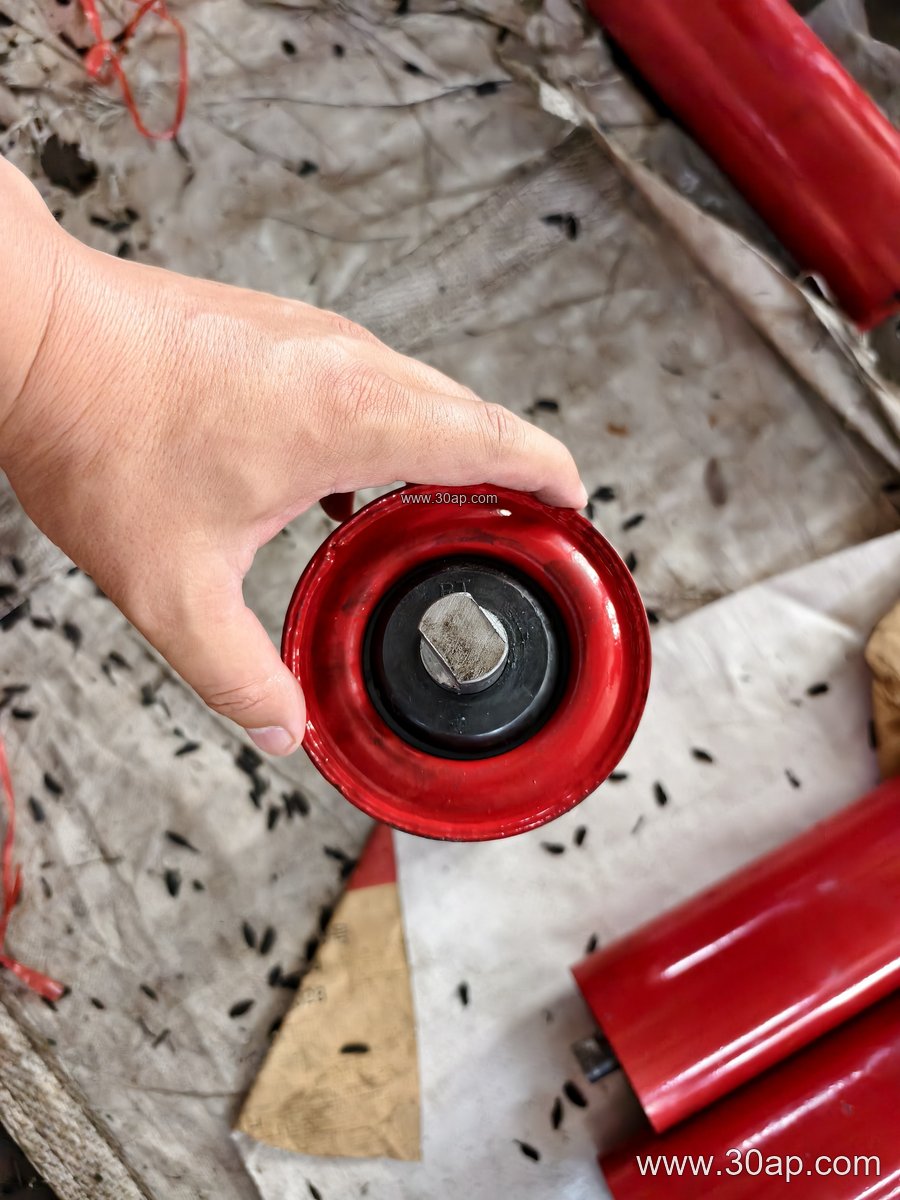
Other types may appear in the same conveyor, but they serve different purposes. A return idler supports the empty side, while a bend pulley changes belt direction. Neither replaces the tracking function of the upper self-aligning idler, and the pulley should not be described as a substitute for it.
Choosing and Maintaining the Unit
Buyers should match the idler to belt width, trough angle, and the load carried. A heavy-duty mining conveyor belt on an iron ore line needs a sturdier frame than a light aggregate conveyor. Consider the roll surface: rubber rings help absorb impact, while ceramic can suit abrasive service. Check that the pivot or friction mechanism moves freely, since a stiff frame cannot correct belt drift.
During inspection, look for worn rolls, seized bearings, and material packed around the pivot. Keep the belt edge clean and confirm the idler is square to the conveyor centerline. A well-chosen upper self-aligning idler, installed with the correct conveyor bracket and maintained alongside the rubber conveyor belt and idler roller set, will keep tracking stable through long shifts in cement plants, power plant coal yards, and sand and gravel operations.