What the Impact Idler Bracket Does
An impact idler bracket is the support that holds the impact rollers directly beneath a conveyor loading point. Its job is to keep those rollers in the right position while they absorb the force of falling material, so the energy is transferred into the frame rather than into the belt cover. In a quarry, a limestone mine or a crushing and screening line, the difference between a well-supported impact station and a weak one often shows up first as a damaged conveyor belt and later as a stopped production line.
The bracket is a separate item from ordinary carrying brackets. It usually sits on a short, reinforced section of the conveyor frame just downstream of the chute. Because the load is vertical and repetitive, the design tends to be heavier than a standard troughing support, with thicker material and a more direct load path to the stringers.
How the Bracket Is Built
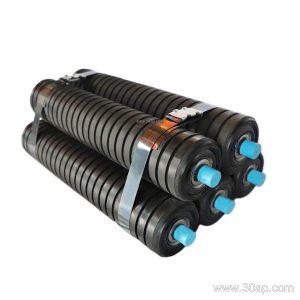
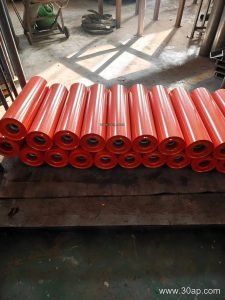
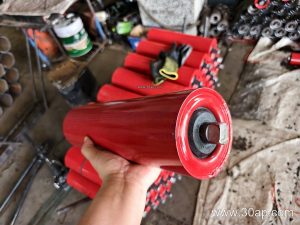
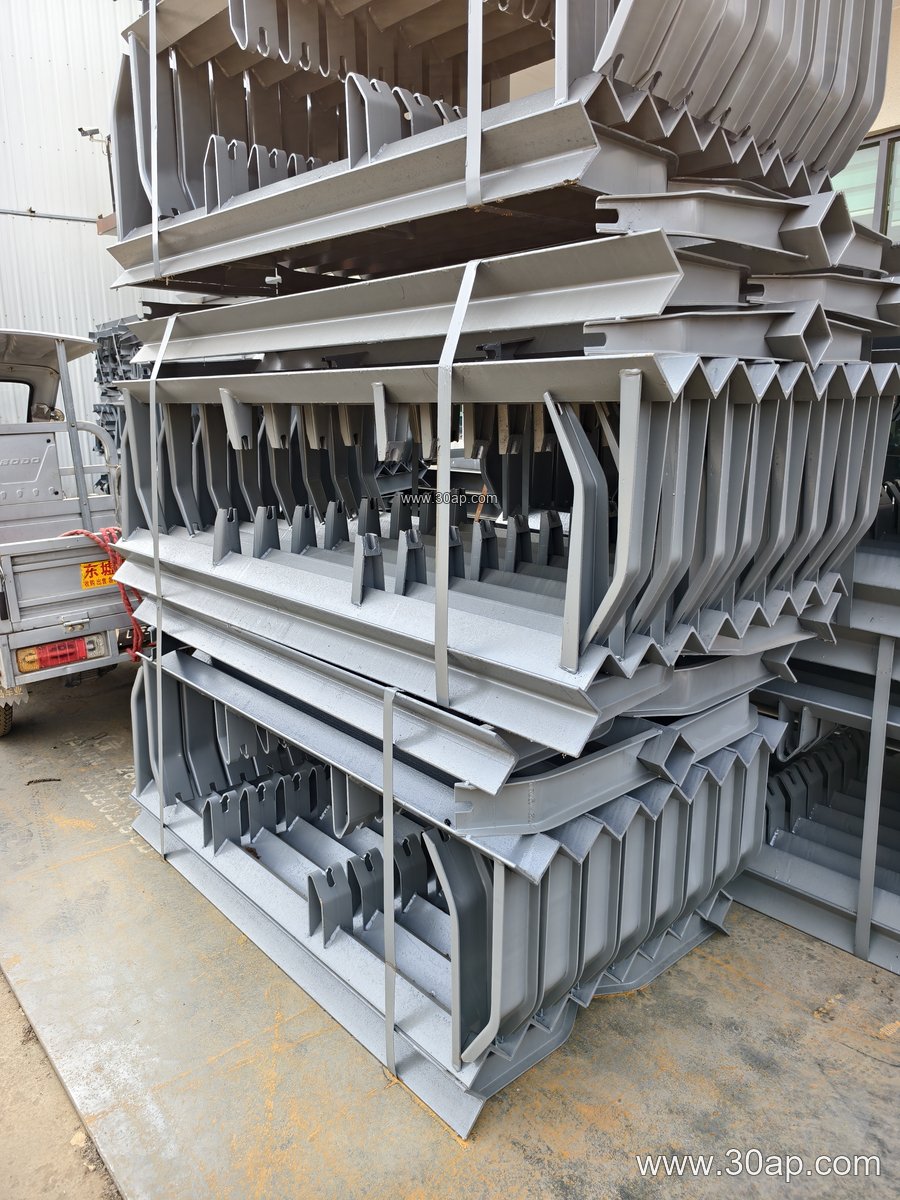
Most impact idler brackets are fabricated from angle steel, channel steel or folded steel plate, then welded into a rigid cradle. The common surface forms include a fixed trough profile, an adjustable cradle and a lower impact frame used under the return side. Rubber or polyurethane impact rings on the rollers work together with the bracket; the bracket itself does not cushion the load, but it must resist vibration without loosening.
Typical build details include:
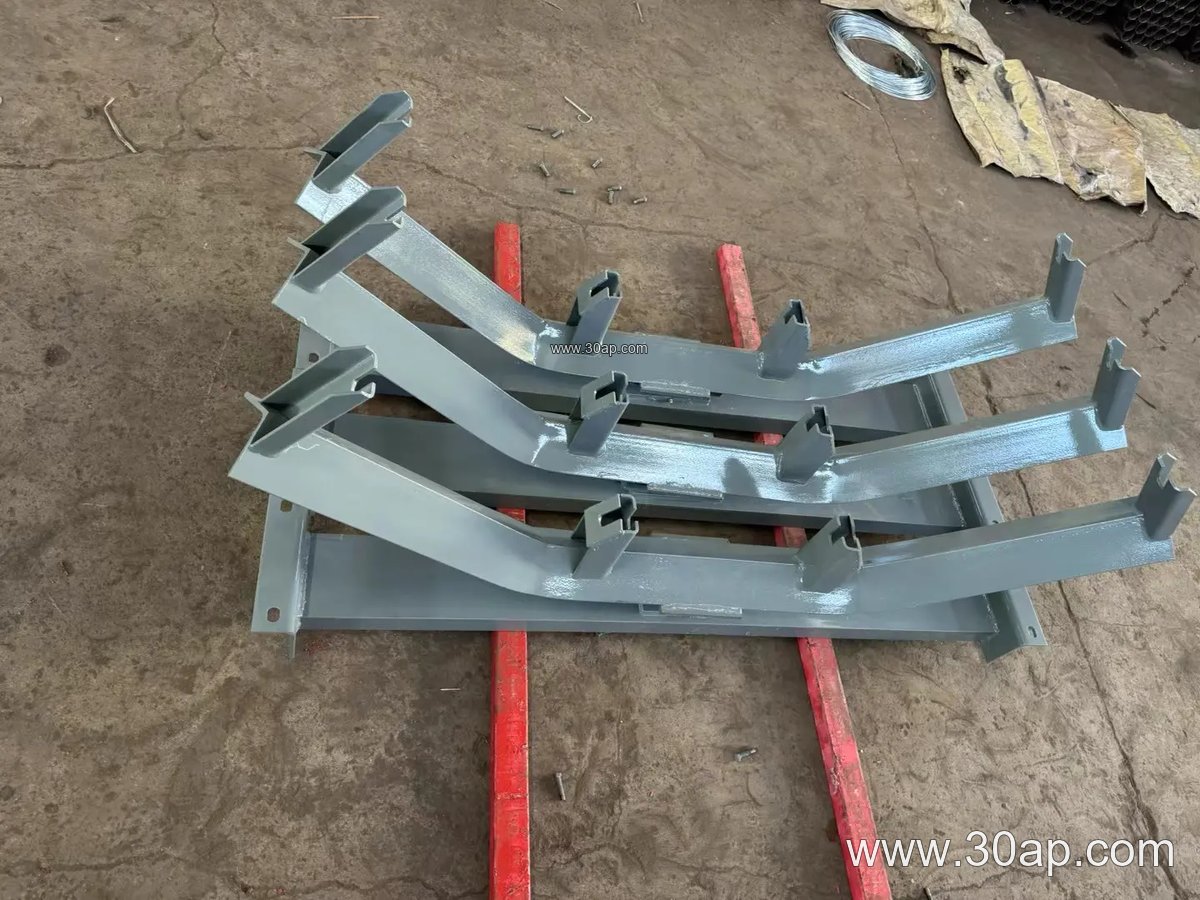
- Slotted or multi-hole mounting positions so the bracket can be aligned with the belt line
- Reinforced gussets at the corners where the vertical load is highest
- Adjustable arms that permit trough angles such as 20, 30, 35 or 45 degrees
- Bolted connections that allow replacement of a single bracket without cutting the frame
Matching Bracket, Belt Width and Roller Diameter
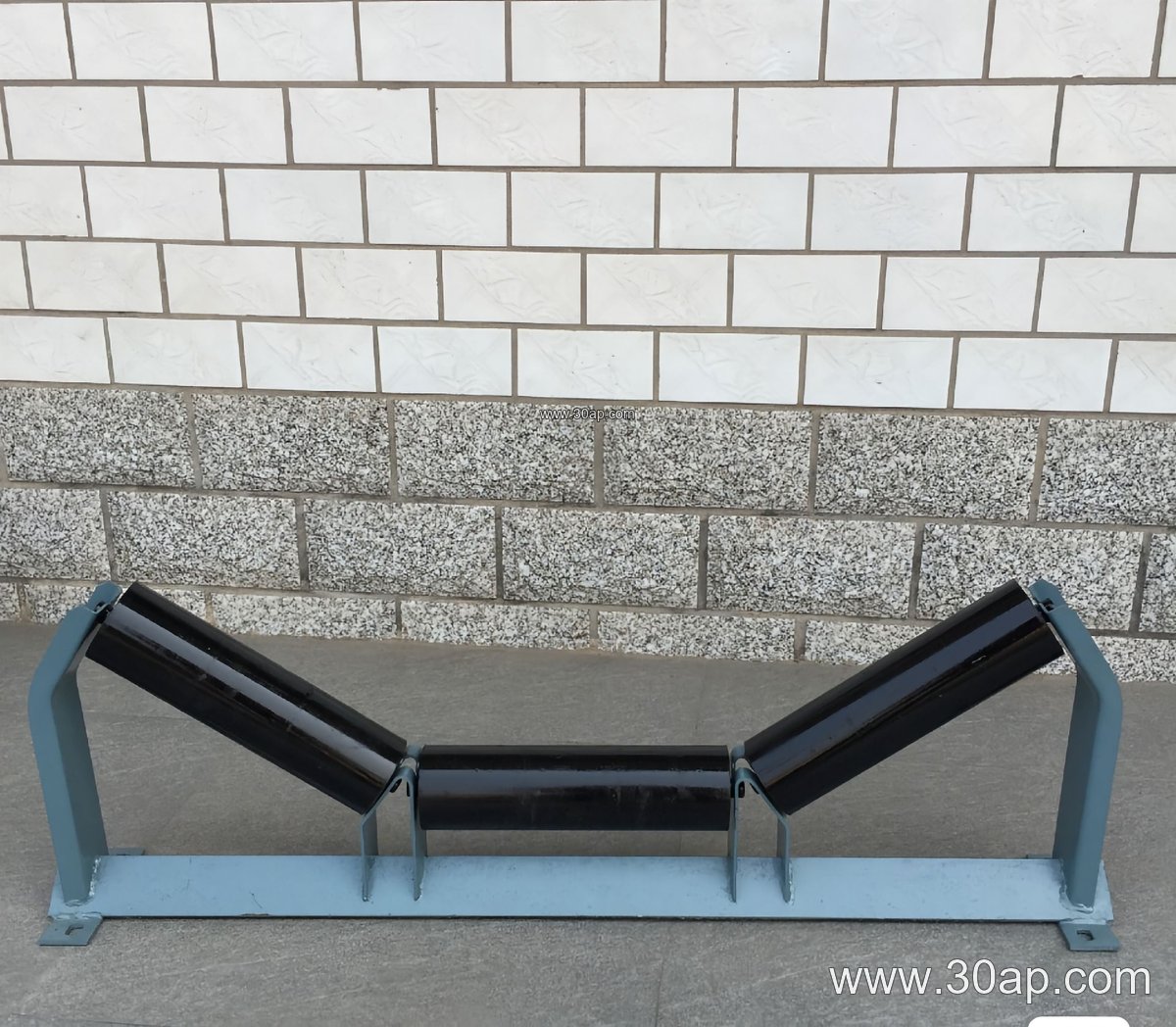
Buyers often ask for a bracket by belt width alone, but the bracket also depends on the trough angle, the roller diameter and the frame hole spacing. A B800 station with a 35 degree trough and Ø108 rollers is a very different assembly from a B1200 station at 45 degrees with Ø133 rollers. The table below shows common reference combinations; these are examples, not fixed rules, and the final dimensions should follow the conveyor design.
| Belt width | Trough angle | Roller diameter | Typical use |
|---|---|---|---|
| B500 | 20-30 degrees | Ø89 | Small aggregate lines |
| B650 | 30 degrees | Ø89 | Sand and gravel transfer |
| B800 | 35 degrees | Ø108 | Cement plant clinker feed |
| B1000 | 35-45 degrees | Ø133 | Coal handling and ore |
| B1200 | 45 degrees | Ø133 | Power plant coal yard |
| B1400 | 35-45 degrees | Ø159 | Iron ore and heavy bulk |
| B1600 | 45 degrees | Ø159 | Port ship loading |
| B1800-B2000 | 35-45 degrees | Ø194 | Large mining conveyors |
Mounting hole distance and crossbeam length change with belt width and trough angle, so they should never be copied from another project. On a heavy-duty mining conveyor belt running at high tonnage, a wider bracket with a 45 degree profile may be needed even when the belt itself is not especially wide.
Where It Fits on the Conveyor
The bracket is normally installed at the transfer point, under the skirted loading zone, and sometimes on the first few metres after the chute. In a coal mining conveyor or an underground coal mining conveyor, the space above the belt is tight, so a low-profile adjustable bracket helps keep clearance for the loading skirt. In a power plant coal yard or a cement plant, the same part protects the belt at truck and rail dump hoppers.
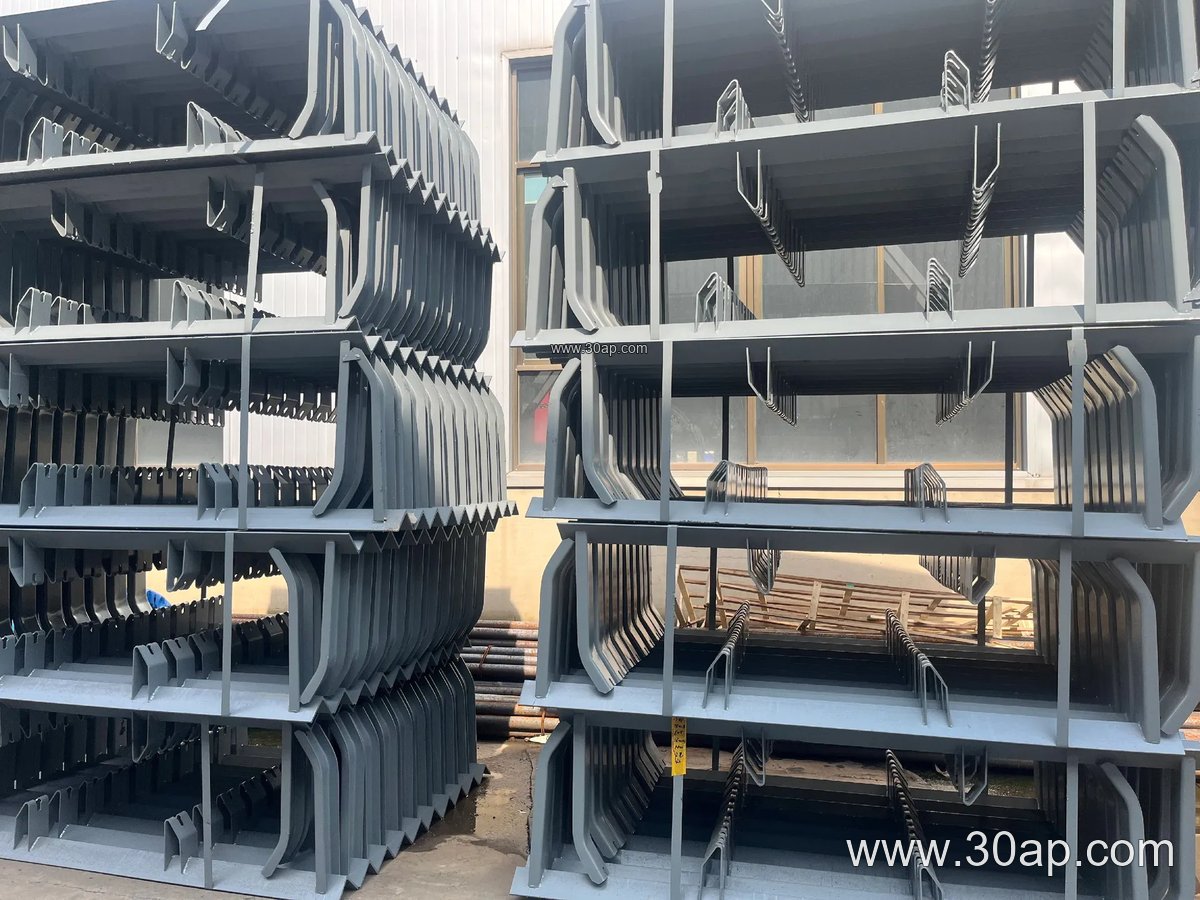
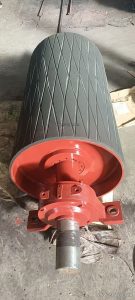
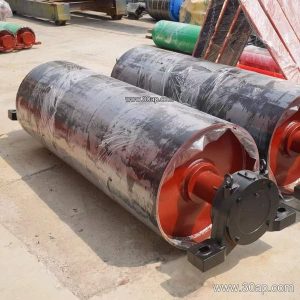
It is worth distinguishing the impact bracket from a bend pulley bracket or a drive bracket. Those support pulleys and transmit drive torque, while the impact bracket supports idler rollers under a falling stream. A return bracket or a V-return bracket is also a different item and should not be substituted when impact protection is the goal.
Selection and Maintenance Notes
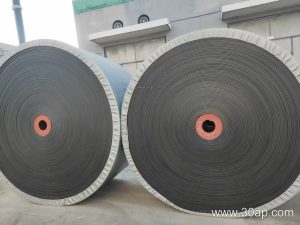
Choose the bracket together with the roller, not after it. Confirm the belt width, the trough angle range, the roller diameter and the frame bolt pattern. On adjustable versions, check that the locking bolts can be reached with a wrench once the belt is running. For a conveyor handling abrasive ore or clinker, a reinforced bracket paired with an abrasion resistant conveyor belt and sealed impact rollers gives the longest service interval.
During inspection, look for cracks at the gussets, elongation of mounting slots and loose bolts caused by repeated impact. Replace a deformed bracket rather than trying to straighten it, because a bent cradle changes the trough profile and can cause belt misalignment. Spare brackets kept on site reduce downtime at crusher discharge points, where a single failed support can stop the whole circuit.
For related conveyor components such as the idler roller, conveyor pulley and conveyor bracket assemblies, match every part to the same frame standard so the loading station stays square and the belt runs centred.