What Conveyor Bracket Fabrication Covers
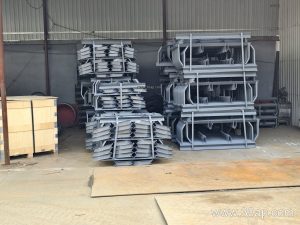
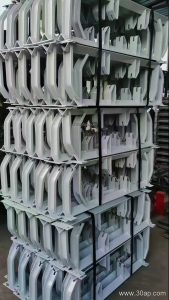
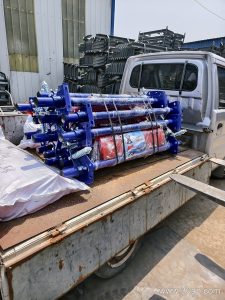
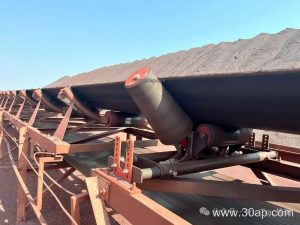
Conveyor bracket fabrication is the engineering and metalwork behind the support structures that hold idler rollers in the correct position under and over a conveyor belt. These brackets, often called idler frames or roller stands, are the interface between the roller and the conveyor’s main frame. Their geometry determines the trough angle, the roller spacing, and how evenly the belt is supported along the carrying and return runs. A fabricator that understands the interaction between bracket, roller, and belt can prevent misalignment, spillage, and premature wear in demanding sites such as a limestone quarry, a coal washing plant, or a power station coal yard.
How a Bracket Is Built
Most brackets are fabricated from angle steel, channel steel, or folded steel plate. The fabrication sequence usually begins with cutting, then hole punching or drilling for the roller shaft and mounting bolts, followed by bending or forming the trough profile, and finally welding and surface treatment. Welding quality matters because a bracket carries constant dynamic load from the belt and material. Distortion after welding can tilt a roller by a degree or two, which is enough to cause belt tracking problems over a long run.
Key fabrication checks typically include:
- Mounting hole spacing matched to the roller shaft and frame design
- Consistent trough angle across a batch of brackets
- Squareness of the bracket relative to the conveyor centreline
- Weld penetration and freedom from sharp edges that could damage the belt
- Surface coating suited to the site, such as painting or galvanizing
Common Bracket Types and Their Role
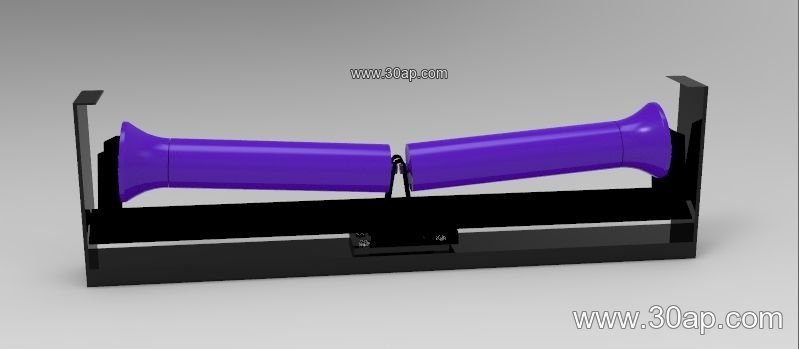
Fabrication drawings vary by position on the conveyor. Carrying-side trough brackets, transition brackets near the pulleys, return brackets, V-return brackets, impact brackets under the loading point, and self-aligning brackets each have a different job. Adjustable brackets allow the trough angle to be changed within a range, which is useful when a plant handles more than one material or wants to fine-tune belt capacity. Forward-leaning brackets, usually set at about 1.5 to 2 degrees, help with belt training on the carrying run.
Trough Angle and Roller Diameter Reference
The table below shows common combinations seen in fabrication enquiries. These are reference values, not fixed rules, and the final selection is determined by belt width, material, and conveyor design.
| Belt Width | Common Trough Angle | Typical Roller Diameter |
|---|---|---|
| B500 | 20 to 30 degrees | Ø89 |
| B650 | 30 degrees | Ø89 to Ø108 |
| B800 | 35 degrees | Ø108 |
| B1000 | 35 to 45 degrees | Ø108 to Ø133 |
| B1200 | 35 to 45 degrees | Ø133 |
| B1400 | 35 to 45 degrees | Ø133 to Ø159 |
| B1600 | 35 to 45 degrees | Ø159 |
| B1800 | 35 to 45 degrees | Ø159 to Ø194 |
| B2000 and above | 35 to 45 degrees | Ø194 |
A wider belt does not automatically fix the trough angle or roller diameter, and one belt width can work with more than one combination. Hole spacing and beam length change with belt width and trough angle, so these should always be confirmed on the drawing.
Where Fabricated Brackets Are Used
These support structures appear wherever a conveyor moves bulk material. In a sand and gravel line they sit under crusher discharge belts and screening feed belts. In a cement plant they carry clinker and raw meal across long inclined sections. In a steel plant sinter line or a port ship loader, heavy-duty brackets must cope with high belt tension and continuous loading. Underground coal mining conveyors add another constraint, because brackets must fit within limited gallery space and work with flame retardant belting such as PVG800S or a fabric core conveyor belt specified for the mine.
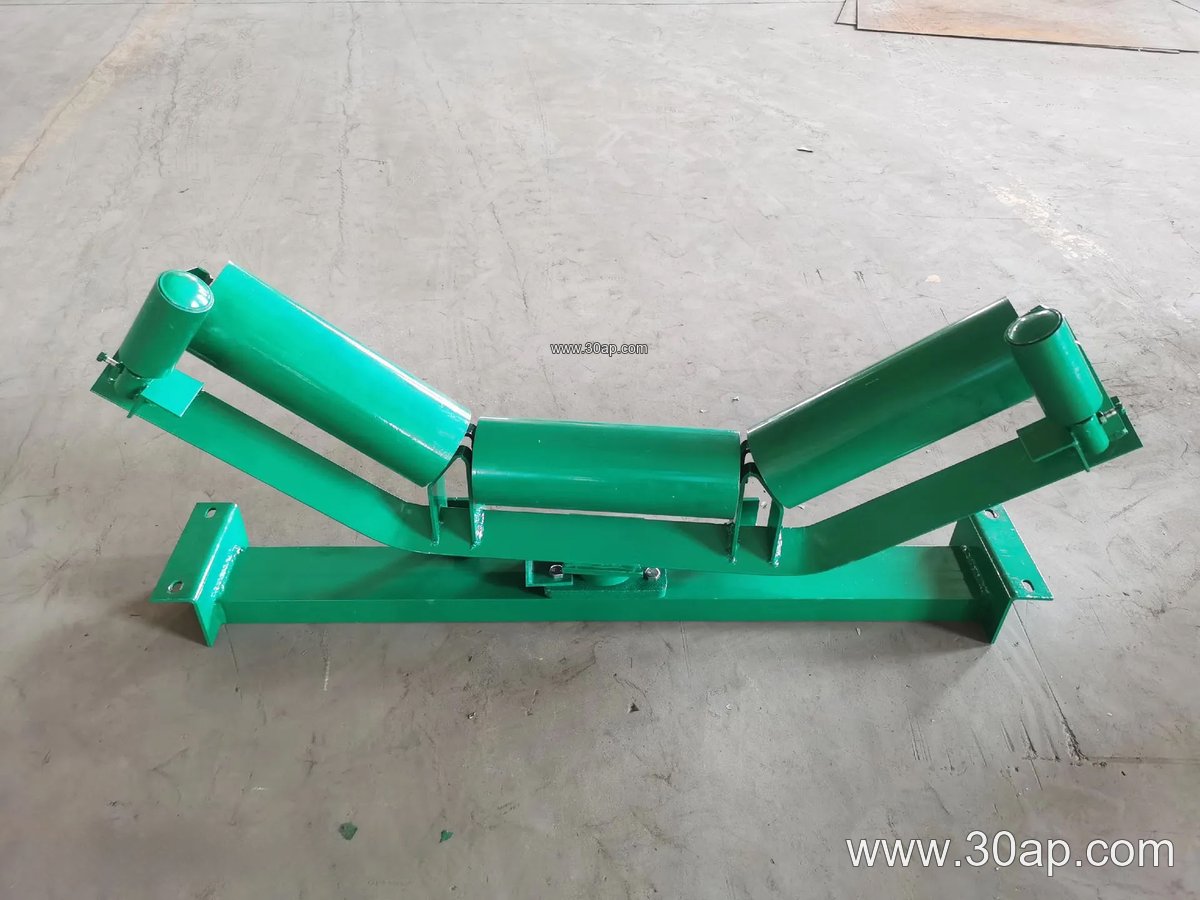
The bracket also has to suit the belt it supports. A heavy abrasion resistant conveyor belt running over a Ø159 roller needs a stiffer frame than a lighter belt on Ø89 rollers. At transfer points, impact brackets work together with impact rollers to absorb falling material, while transition brackets ease the belt from the troughed profile into the flat pulley. If the conveyor uses a pipe conveyor belt or a corrugated sidewall belt, the bracket layout is designed around that specific belt form rather than a standard trough.
What Buyers Should Confirm Before Ordering
Fabrication is only as good as the information supplied. A clear enquiry should state the belt width, the required trough angle, the roller diameter, the mounting hole pattern, and the position on the conveyor. Buyers should also confirm the material and coating, the expected loading condition, and whether adjustable brackets are needed for future changes. For sites handling sticky or wet material, self-aligning brackets may reduce tracking issues, and forward-leaning brackets can help on long carrying runs.
It is worth asking the fabricator for dimensional drawings before production and for a sample or first-article check on large batches. Small errors in hole spacing or angle multiply across hundreds of brackets, and correcting them on site is far more expensive than correcting them at the workshop. Matching brackets to the conveyor pulley and idler roller schedule early avoids surprises during installation.
Fabrication Quality and Long-Term Performance
Good conveyor bracket fabrication is quiet work that rarely gets attention until something fails. A well-made bracket keeps the idler roller square to the belt, spreads load evenly, and allows the belt to run centred. A poorly made one causes edge wear, spillage, and roller seizure. For quarries, mines, cement works, and power plants, specifying the bracket together with the belt and roller rather than as an afterthought is the simplest way to keep a conveyor line running smoothly.