What an Extra-Wide Conveyor Belt Is
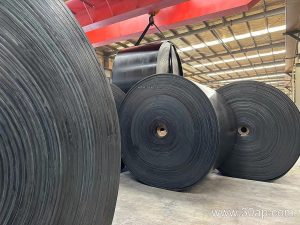
An extra-wide conveyor belt is a heavy-duty conveyor belt built with a larger than usual carcass width, typically from around 1800 mm up to 2000 mm and beyond, so that a single conveying line can carry high tonnages of bulk material without doubling up on parallel conveyors. The extra width also lowers the material bed depth, which reduces spillage and improves stability on long inclined runs. In practice, this wide conveyor belt is often a heavy-duty mining conveyor belt or aggregate conveyor belt specification, chosen where lump size, throughput and belt tracking all need to be balanced at once.
Construction and Typical Specifications
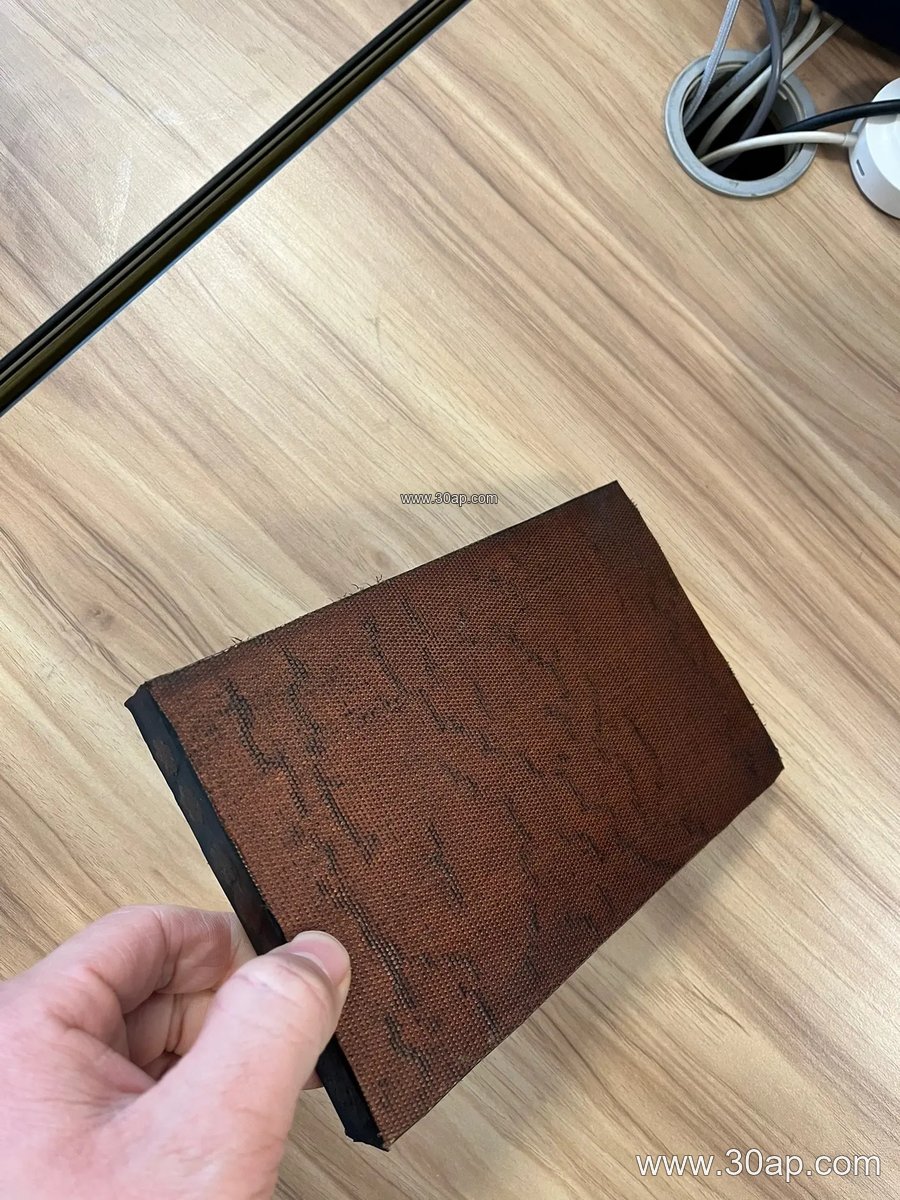
Extra-wide belts are not simply stretched versions of narrow belts. The carcass needs more transverse rigidity, so fabric plies are arranged with care, and steel cord designs are common in the widest, highest-tension applications. Cover compound thickness usually increases as well, because wide belts handle larger lumps and more impact at transfer points. Reference values below are indicative only; final construction is determined by the conveyor design, the pulley arrangement and the duty profile.
| Parameter | Common Reference Range |
|---|---|
| Belt width | B1800, B2000, B2200 mm and wider |
| Carcass type | EP fabric, NN fabric, steel cord |
| Fabric strength grade | EP400 to EP2000; ST1000 to ST3150 for steel cord |
| Number of fabric plies | Usually 2 to 6 layers |
| Cover thickness | Commonly 5+2, 6+2, or 8+3 mm top and bottom |
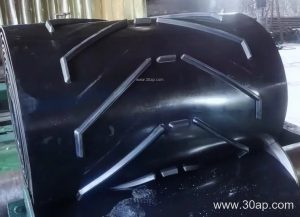
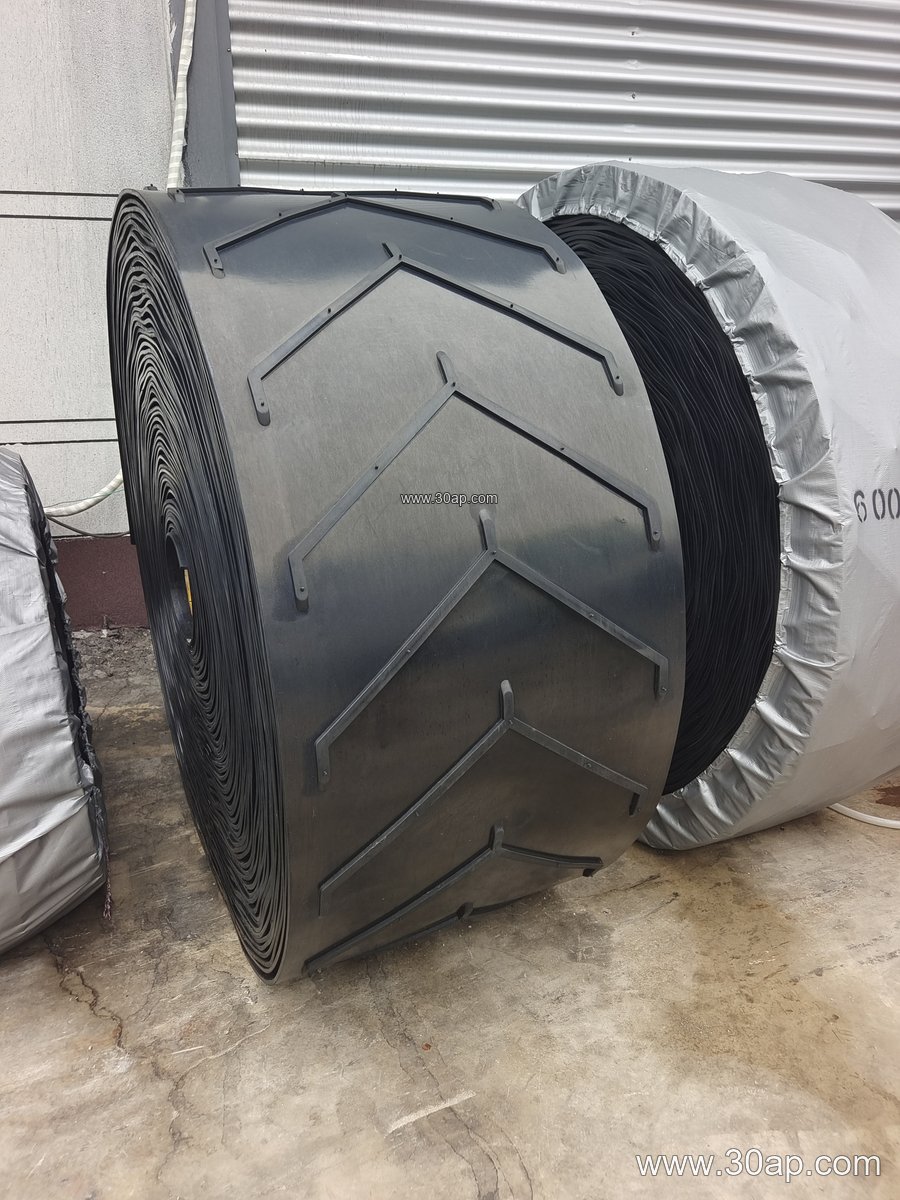
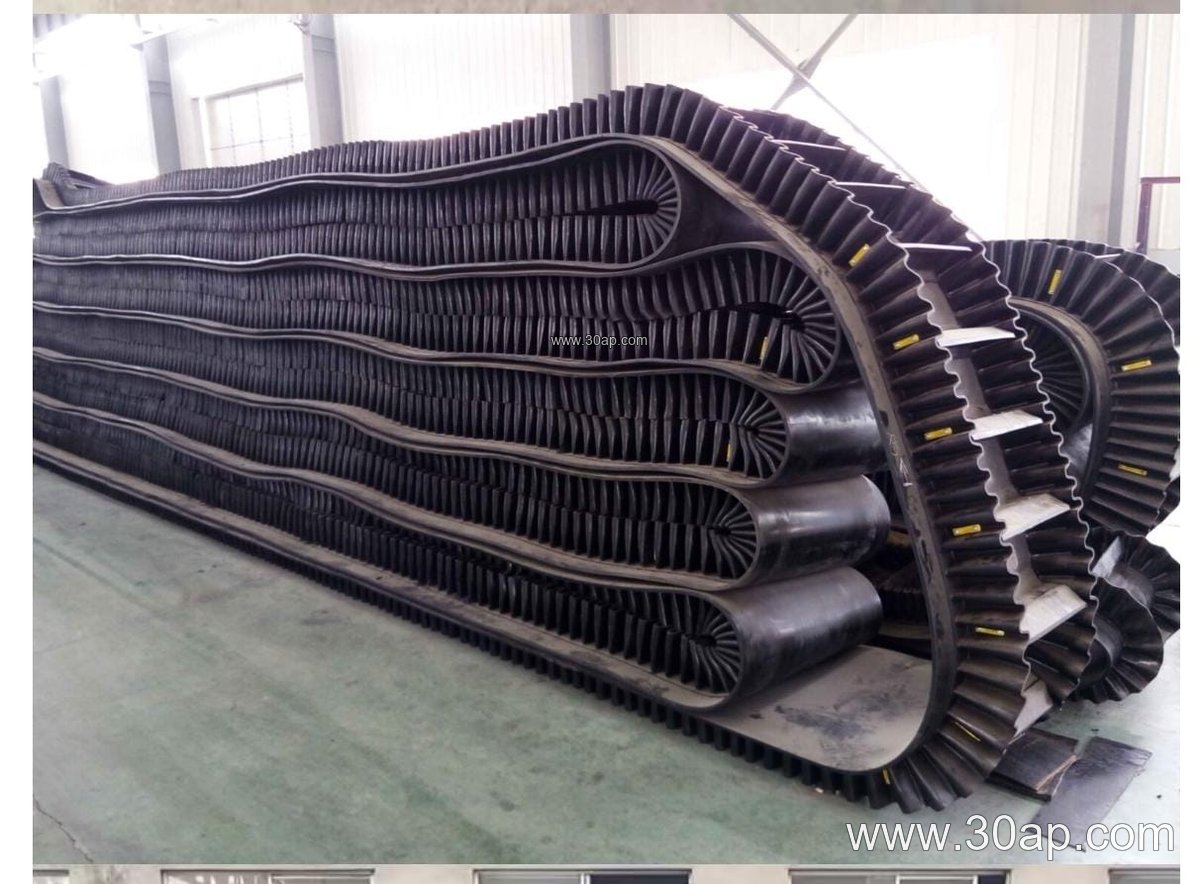
| Surface options | Smooth, chevron, skirted, corrugated sidewall |
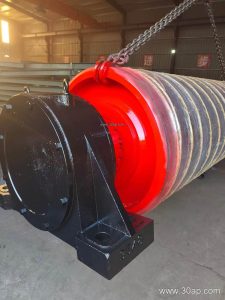
A 2000 mm wide belt may run over the same conveyor pulley diameter family as a narrower belt of similar tension rating, but the match depends on the tension, the wrap angle and the manufacturer’s recommendation — not on width alone. Shaft diameter and pulley face length are separate engineering decisions.
Where Wide Belts Earn Their Place
The widest belts tend to appear where a single high-capacity stream must be moved efficiently. Typical settings include:
- Coal mining conveyor belts and underground coal mining conveyor belts, where flame retardant and anti-static properties are often required alongside width.
- Iron ore, copper ore and gold mining conveyor belts at primary crushing stations, often as an abrasion resistant conveyor belt with a thick top cover.
- Cement plant conveyor belts and quarry conveyor belts handling limestone, clinker and aggregate at high tonnage.
- Power plant conveyor belts feeding coal yards and boiler bunkers.
- Port conveyor belts and ship loading conveyor belts, where a single wide line can fill a vessel hold quickly.
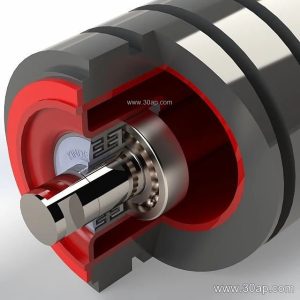
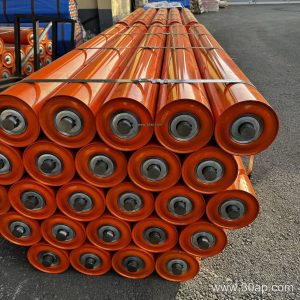
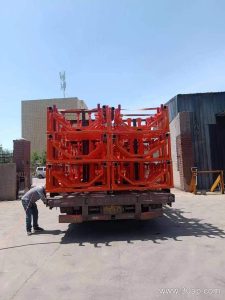
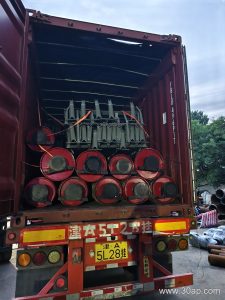
In these plants, the belt works with conveyor pulleys at the drive, tail and bend positions, troughing idler rollers, and conveyor brackets that hold the frame together. A wide belt places greater transverse load on the idlers, so roller spacing and frame alignment deserve extra attention during installation.
Choosing the Right Wide Belt
Buyers should start from the material: lump size, abrasiveness, moisture, temperature and whether the belt will run underground. A rubber conveyor belt with a high abrasion resistant cover suits hard rock and ore, while a heat resistant conveyor belt is needed near clinker coolers or sinter plants. Where oil or chemicals are present, an oil resistant or chemical resistant belt grade matters more than raw width. For steep inclines, a chevron conveyor belt or corrugated sidewall conveyor belt can carry more at a given width, sometimes allowing a narrower belt than a smooth extra-wide unit. Food grade and cold resistant variants exist for specialist plants.
Next, confirm the tension rating and the number of plies or cord grade with the conveyor designer. A wide belt that is under-specified for tension will stretch and mistrack; one that is over-specified adds weight and cost without benefit. Ask for the manufacturer’s tolerance on width and edge quality, and check that the pulley face width, idler roller length and bracket dimensions match the ordered belt.
Installation and Maintenance Notes
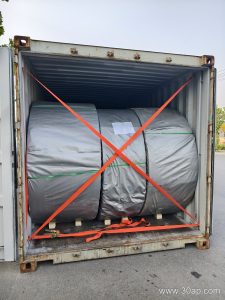
Wide belts are heavy and awkward to handle, so splicing and tensioning should follow a written procedure. Keep the conveyor pulley lagging clean, check idler roller alignment regularly, and inspect the belt edges for tracking damage. Store spare rolls on a flat surface away from sunlight and ozone sources, and rotate stock. For flame retardant or anti-static grades used in underground mining, verify the certificate of conformity with the site’s safety requirements before installation. Further reference data on belt widths and carcass grades is available at beltconveyorsolution.com, and matching conveyor pulley and idler roller options can be reviewed alongside the belt specification.