Understanding the 1500mm Conveyor Belt
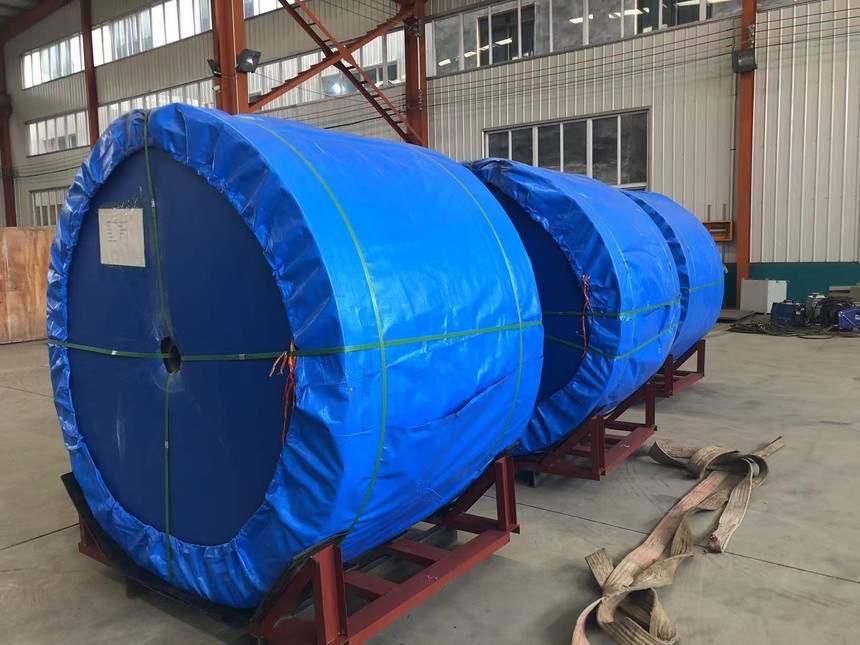
A 1500mm conveyor belt is a heavy-duty belting product with a nominal width of 1500 millimeters, commonly used in bulk material handling systems where high capacity and stability are required. Also referred to as a 1500mm wide conveyor belt, this size sits in the upper mid-range of standard belt widths, bridging the gap between 1400mm and 1600mm options. It is frequently found in mining, coal preparation, cement plants, power stations, and large-scale quarry and aggregate operations. The width allows for substantial material throughput while maintaining reasonable pulley and idler roller sizing.
Construction and Material Options
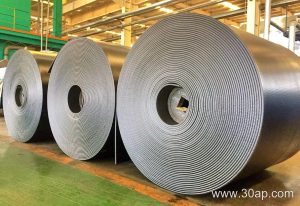
The construction of a 1500mm conveyor belt varies with the intended duty. Common carcass types include EP (polyester-nylon) fabric, NN (nylon-nylon) fabric, and steel cord. EP conveyor belts are popular for general bulk handling due to their low elongation and good impact resistance. NN conveyor belts offer higher tensile strength and are often chosen for longer conveyors. Steel cord conveyor belts are used for very high tension applications, such as main haulage lines in underground mining or long overland conveyors.
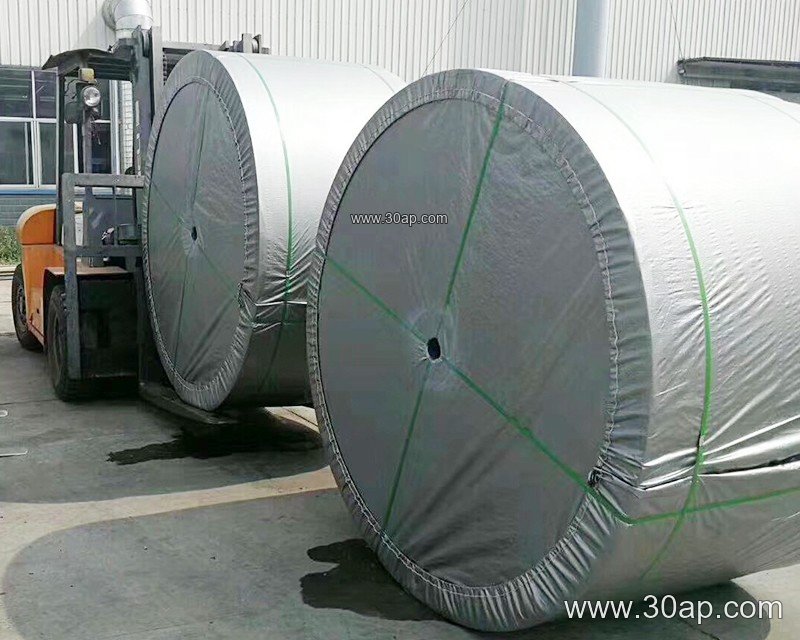
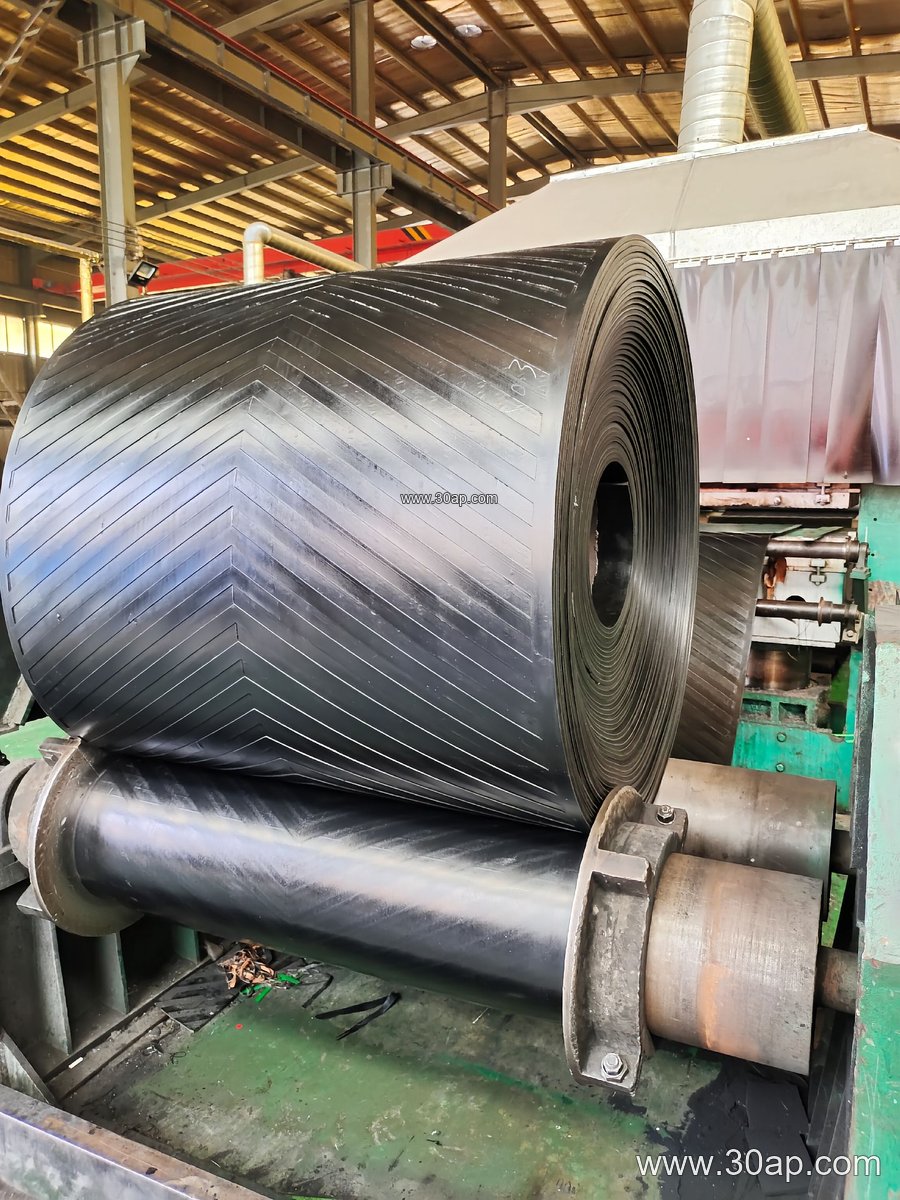
Cover compounds are selected based on the material being conveyed. Abrasion resistant conveyor belts are typical for crushing and screening circuits, while heat resistant conveyor belts suit cement clinker or sintered ore. Oil resistant and flame retardant grades are available for specialized environments, such as coal mining conveyor belts or underground coal mining conveyor belts where fire safety is critical. For steep inclines, chevron conveyor belts or corrugated sidewall conveyor belts may be considered, though these are separate subtypes and not direct replacements for a standard 1500mm belt.
Typical Specifications
While exact values depend on the manufacturer and application, the following table outlines common reference data for 1500mm wide conveyor belts. These figures are indicative and should be confirmed with engineering calculations for each project.
| Parameter | Common Range / Options |
|---|---|
| Belt width | 1500 mm |
| Carcass type | EP, NN, steel cord |
| Tensile strength (EP) | EP200 to EP2000 |
| Number of plies (fabric) | 2 to 6 |
| Cover thickness (top + bottom) | 4+2 mm, 5+2 mm, 6+2 mm, 8+3 mm |
| Cover grade | Abrasion resistant, heat resistant, flame retardant, oil resistant, anti-static |
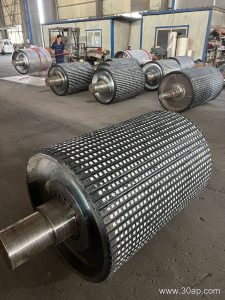
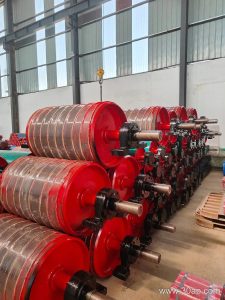
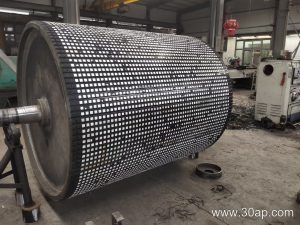
For steel cord belts, strength designations such as ST1000 to ST3150 may apply, but the actual selection depends on tension calculations. It is important not to assume a fixed relationship between belt width and pulley diameter; drive, tail, and bend pulleys are sized by the conveyor designer based on tension and shaft loads.
Applications Across Industries
The 1500mm conveyor belt is well suited to high-volume operations. In the mining sector, it is used for ore conveyor belts, rock conveyor belts, and heavy-duty mining conveyor belts transporting copper ore, iron ore, or gold-bearing material. Coal mining conveyor belts and underground mining conveyor belts often require flame retardant and anti-static properties. Cement plants use heat resistant belts for clinker and abrasion resistant belts for limestone and raw meal. Power plants rely on these belts for coal handling, while sand making plants and stone crushing plants use them for aggregate conveyor belts and crusher conveyor belts. Ports and ship loading facilities also employ wide belts for fast loading of bulk materials.
Selection and Maintenance Notes
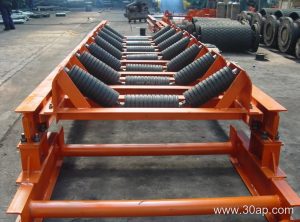
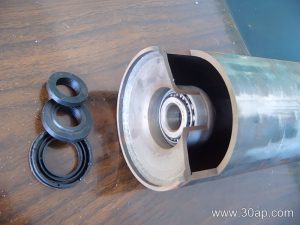
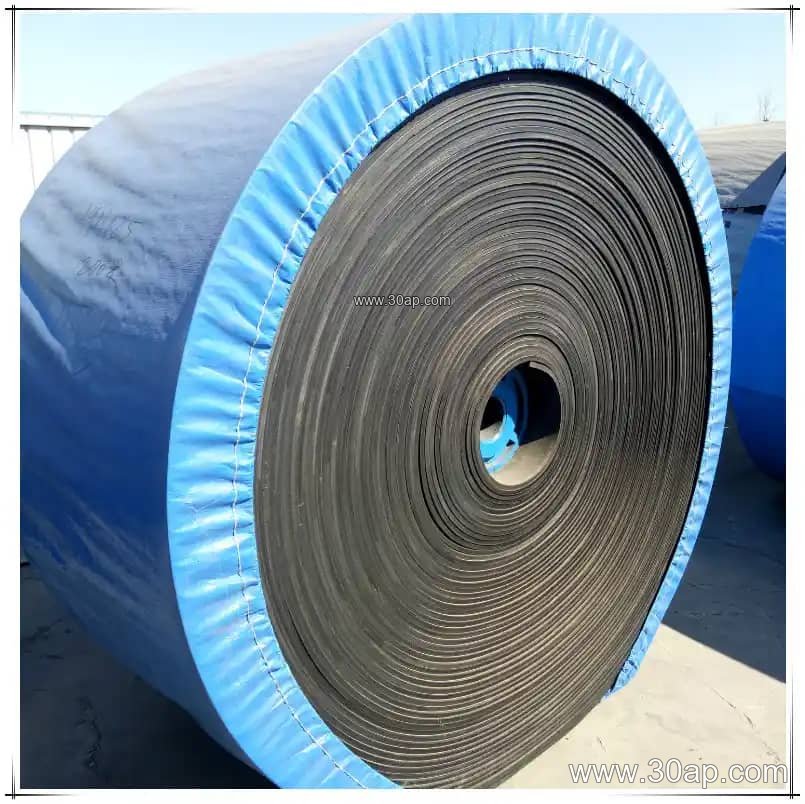
When specifying a 1500mm conveyor belt, consider the material size, lump weight, belt speed, and transition distance. Impact resistant conveyor belts may be needed at transfer points. The idler roller spacing and conveyor pulley diameters should be checked to avoid excessive sag or stress. Conveyor brackets and frames must be rated for the belt load. For cold climates, cold resistant conveyor belts are available; for chemical exposure, acid resistant or chemical resistant grades may be required. Regular inspection of belt edges, splices, and cover wear helps extend service life. Splicing method (vulcanized or mechanical) should match the belt type and operating conditions.
For more information on related components such as conveyor idlers, pulleys, and brackets, or to discuss specific belt constructions, please visit our website at www.example.com/conveyor-belt or contact our technical team.