What a Stainless Steel Idler Is
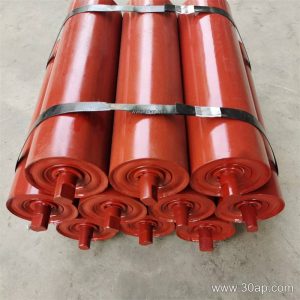
A stainless steel idler is a conveyor roller whose shell, and often its end caps and internal sealing hardware, are made from stainless steel rather than painted carbon steel. It supports the conveyor belt on the carrying or return side and turns freely as material moves along the line. When buyers describe the same item they may call it a stainless steel idler roller or a stainless conveyor roller; both refer to this product, and the stainless construction is the defining feature rather than the roller’s position on the machine.
The choice is usually driven by moisture, washdown, salt air, or mildly aggressive dust. In a quarry washing plant, for example, fines and water combine into a sticky slurry that eats ordinary painted rollers quickly. A stainless idler resists that surface corrosion and keeps its appearance and dimensions longer.
How the Roller Is Put Together
Most stainless idlers follow the same basic architecture as standard rollers. A seamless or welded stainless tube forms the shell, with bearing housings pressed into each end. Deep-groove ball bearings sit inside, protected by a labyrinth seal and, in better designs, a secondary dust lip. The shaft may be stainless or zinc-plated carbon steel depending on the duty, and the roller is fixed to the conveyor bracket through flattened shaft ends.
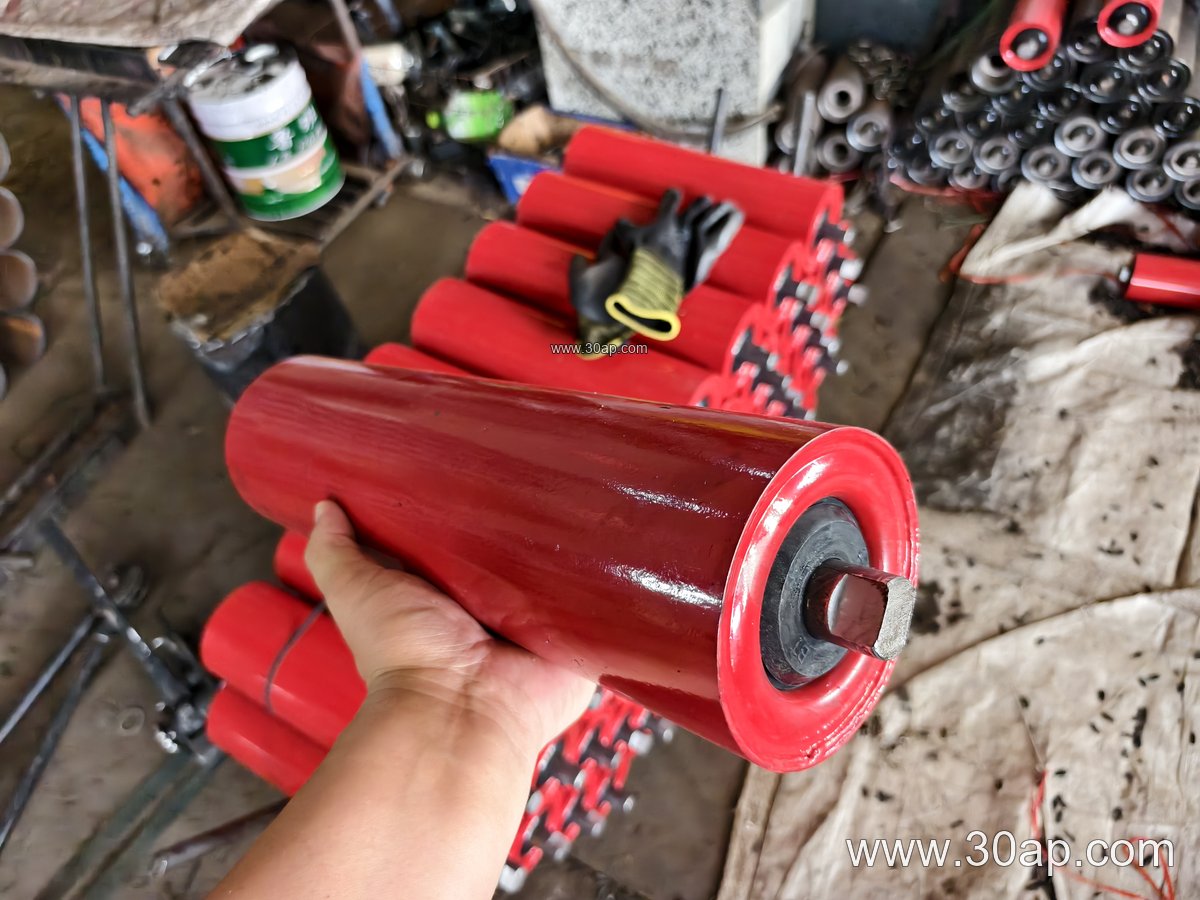
- Shell material: stainless tube, often 304 or 316 grade depending on the environment
- Bearing options: 6204, 6205, 6305, 6306, 6308 and similar sizes matched to load and diameter
- Sealing: labyrinth plus contact lip for wet or dusty service
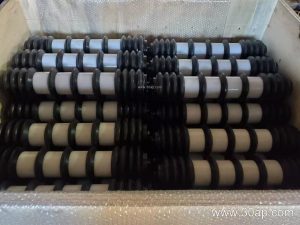
- Surface form: plain stainless shell, or rubber rings added for impact absorption
Roller diameter is selected from the belt width, load and speed rather than from a single fixed rule. Common diameters include Ø63, Ø76, Ø89, Ø102, Ø108, Ø127, Ø133, Ø159 and larger sizes for heavy lines. A 500 mm to 800 mm belt may run Ø89 or Ø108 rollers, while a 1200 mm to 1600 mm belt on a bulk line typically uses Ø127 to Ø159. These are reference points, not mandatory pairings.
Where Stainless Idlers Earn Their Cost
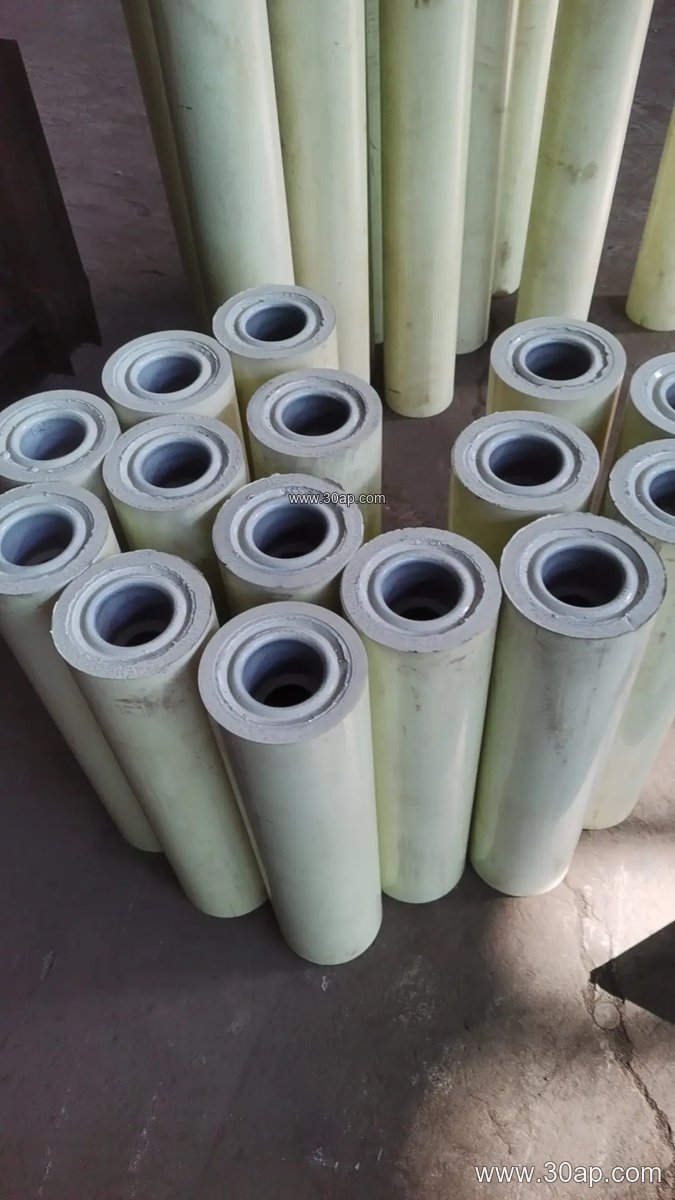
Stainless rollers are rarely specified for every meter of a long overland conveyor. They appear where corrosion is concentrated. A coal preparation plant wash box, a fertilizer handling line, a food or grain facility with regular hosing, and a port terminal exposed to salt spray are typical examples. In each case the roller is a small part of the conveyor, but a seized idler can cut through a belt and stop the whole transfer point.
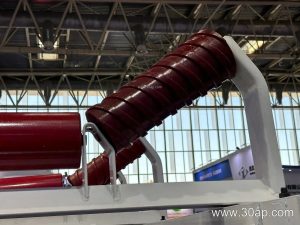
On the return side, stainless V-return or flat return rollers help keep the belt tracking while resisting the damp fines that collect underneath. On the carrying side, three-roll trough sets with 20, 30, 35 or 45 degree trough angles remain the norm, and stainless shells can be combined with rubber impact rings at the load point where falling rock from a crusher strikes the belt.
The belt itself matters too. A heavy abrasion resistant conveyor belt riding on poorly sealed rollers will wear faster, and a flame retardant conveyor belt in an underground coal mine needs rollers that will not spark or corrode in wet conditions. Matching roller quality to the belt duty is more useful than buying the most expensive roller everywhere.
Selection Details Buyers Should Confirm
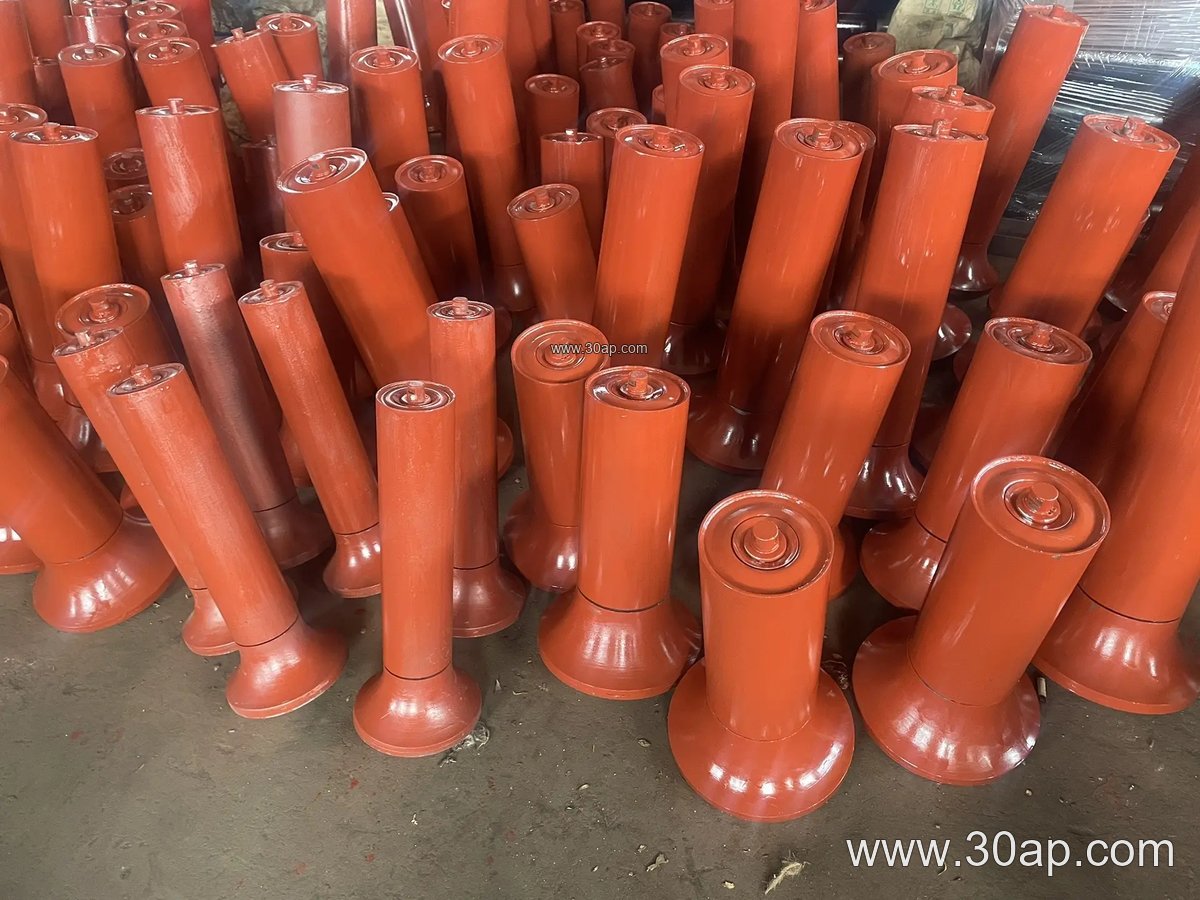
A buyer should confirm belt width, trough angle, roller diameter, shaft diameter and bearing size before ordering, because the roller length changes with the trough set and belt width. For a three-roll trough set, common roller lengths are roughly 200 mm for B500, 250 mm for B650, 315 mm for B800, 380 mm for B1000, 465 mm for B1200 and 530 mm for B1400. Side rollers and center rollers can differ, and these figures are examples only.
Also ask about the stainless grade, the seal type, the shaft material and whether the end caps are stainless or coated. A stainless shell with a carbon steel shaft can still rust at the bearing seat in a wet plant. For a food grade conveyor belt line, check that the roller surface and seals suit washdown chemicals. For an acid resistant conveyor belt application, confirm the grade with the roller supplier rather than assuming 304 is enough.
Finally, keep spare rollers on site. A stainless idler is a low-cost insurance item compared with a torn belt, and replacing one seized roller early protects the conveyor belt, the conveyor pulley at the drive end, and the conveyor bracket that carries the whole set.