What the EP1000 1200mm Conveyor Belt Is
The EP1000 1200mm Conveyor Belt is a fabric-core rubber belt built around polyester-polyamide (EP) plies and supplied in a 1200 mm width. The EP1000 designation refers to the belt’s nominal tensile strength in newtons per millimeter of width, while the 1200 mm figure defines the cut width. Together they describe a belt aimed at main haulage lines and high-capacity transfer points where moderate-to-high tension and a wide carrying surface are both required. It is an EP1000 Conveyor Belt in a wide format, often shortened to EP1000 belt on site documents.
This is a heavy-duty conveyor belt rather than a light-duty package-handling product. Buyers in mines, quarries, cement plants, power stations, steel works and port terminals commonly evaluate this class of belt for continuous bulk material transport.
Construction and Materials
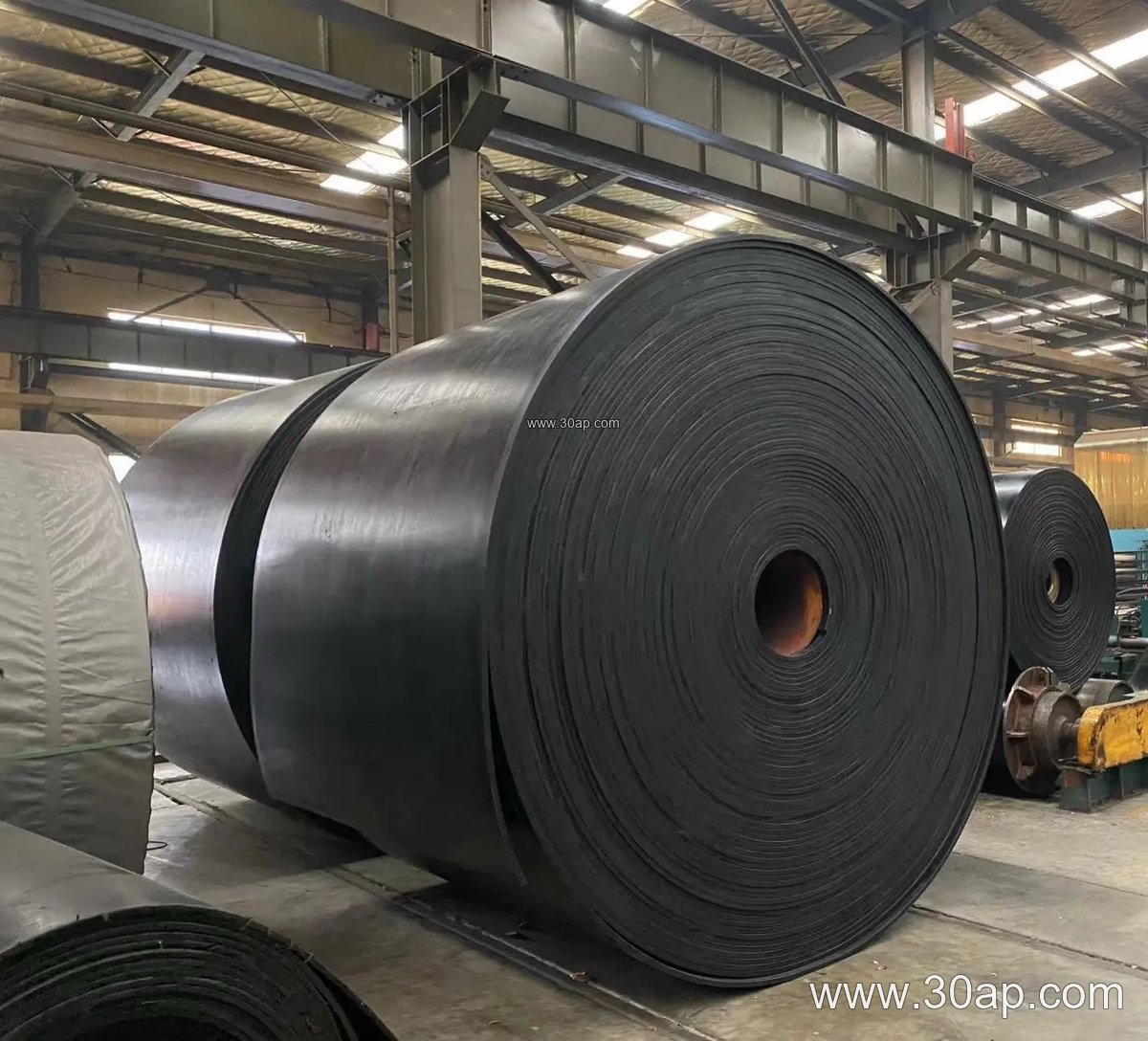
An EP1000 1200mm Conveyor Belt is normally built from multiple EP fabric plies, skimmed and frictioned with rubber, then topped and bottomed with cover rubber. The carcass gives longitudinal strength and resistance to impact; the covers protect the plies from abrasion, moisture and material attack.
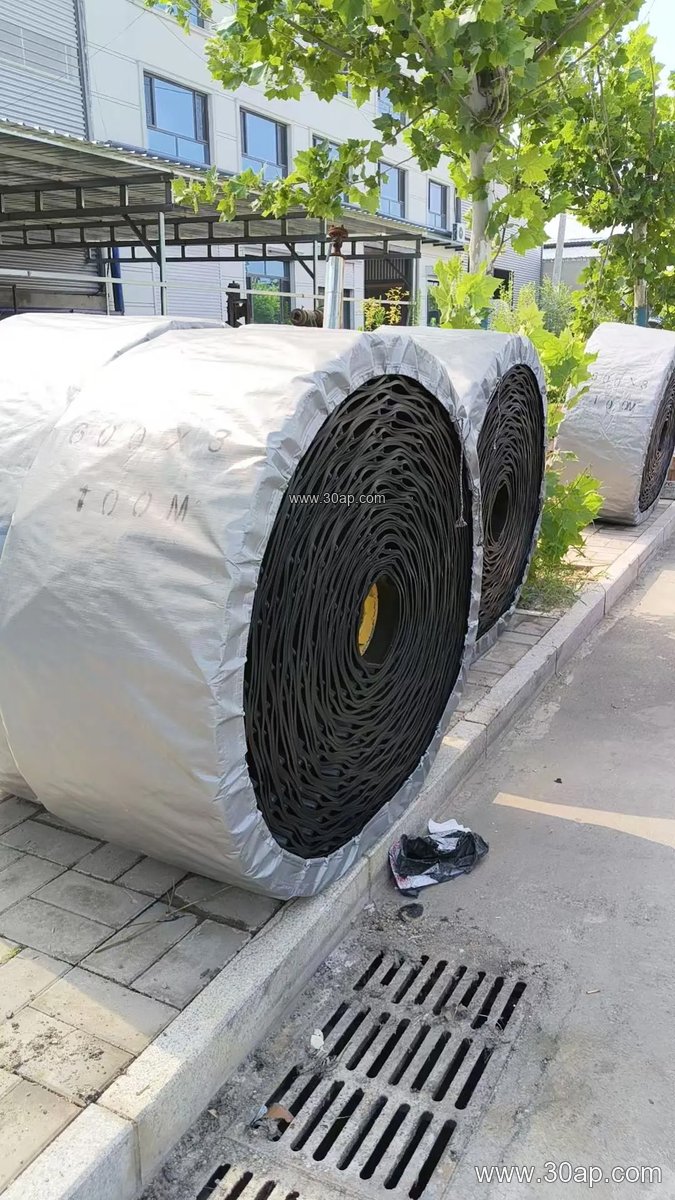
- Carcass: EP fabric plies, commonly 2 to 6 layers depending on design tension and pulley requirements
- Cover grades: abrasion resistant, heat resistant, flame retardant, oil resistant, cold resistant and anti-static variants
- Cover thickness: common combinations include 4+2 mm, 5+2 mm and 6+2 mm, with heavier builds for high-impact loading points
- Edge construction: cut edges or moulded edges, specified according to the conveyor frame and training conditions
Because EP fabric stretches less than nylon under load, an EP Conveyor Belt usually needs shorter take-up travel than an NN Conveyor Belt of comparable strength. A Steel Cord Conveyor Belt, by contrast, is chosen for much longer runs and higher tensions; it is a different product and not a substitute for this fabric-core belt.
Where It Fits in a Conveying System
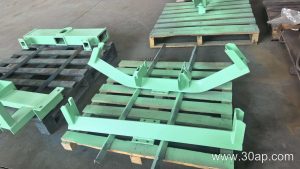
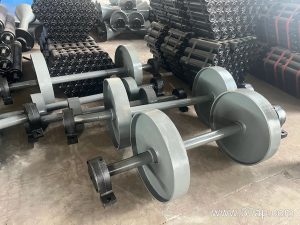
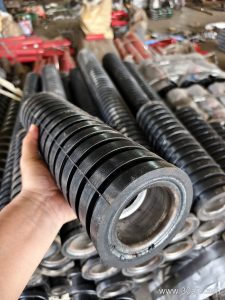
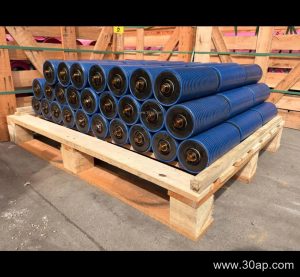
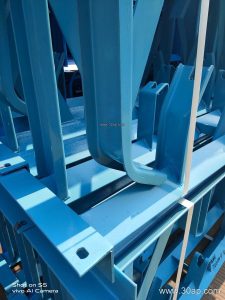
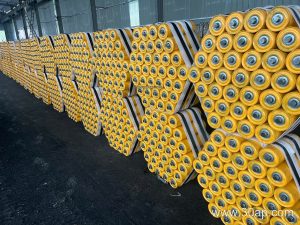
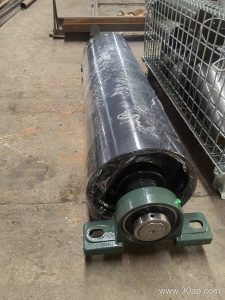
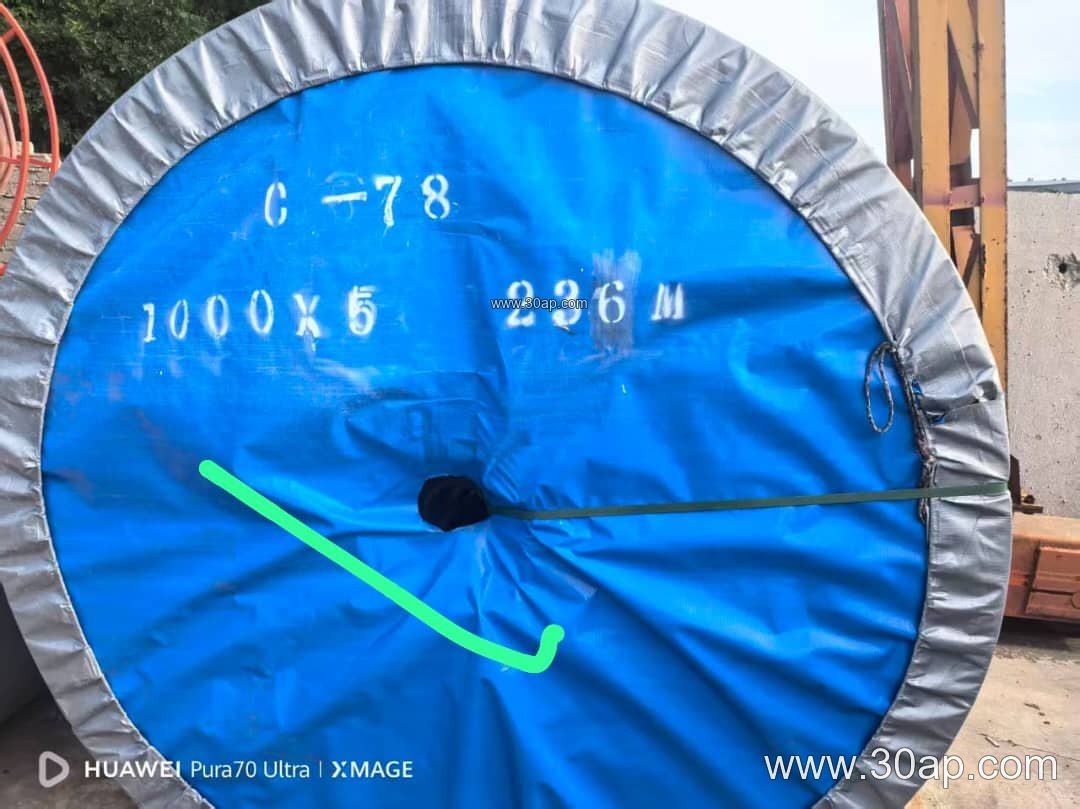
The belt runs over a head or drive pulley, a tail pulley and bend pulleys, supported by idler roller sets and held in line by conveyor brackets and frames. On a 1200 mm belt, troughing idlers are commonly arranged in three-roll sets, and the pulley face width should be selected by the conveyor designer rather than assumed from belt width alone. Belt width and pulley diameter are separate design decisions.
Typical duty areas include:
- Mining and quarry lines moving run-of-mine rock, ore and aggregate
- Coal handling and underground coal mining conveyors where flame retardant grades are specified
- Cement plants transporting clinker, limestone and raw meal
- Power plant coal yards and ash handling circuits
- Port and ship loading conveyors with high tonnage throughput
For dusty or potentially explosive atmospheres, a Flame Retardant Conveyor Belt and Anti-Static Conveyor Belt construction is often requested. Where material is hot, a Heat Resistant Conveyor Belt grade protects the carcass; where oil contamination is expected, an Oil Resistant Conveyor Belt cover is more suitable than a standard abrasion resistant compound.
Specification Reference
The following values are reference data for discussion with a supplier. They are not fixed pairings, and actual belt design depends on the conveyor layout, load, pulley sizes and environment.
| Parameter | Common reference values |
|---|---|
| Belt type | EP fabric core, multi-ply |
| Nominal strength | EP1000 (also available in the EP series from EP200 to EP2000) |
| Belt width | 1200 mm (B1200); widths from B500 to B2000 exist in the range |
| Cover thickness | 3+1.5, 4+2, 5+2, 6+2, 8+3 mm options |
| Ply count | Usually 2 to 6 layers |
| Cover grades | Abrasion resistant, heat resistant, flame retardant, oil resistant, cold resistant, anti-static |
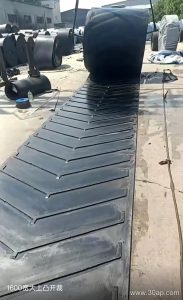
Special constructions such as Chevron Conveyor Belt, Corrugated Sidewall Conveyor Belt, Skirted Conveyor Belt or Pipe Conveyor Belt are separate designs used for steep inclines, contained material paths or spill control, and should be evaluated only when the route requires them.
Selection and Maintenance Notes
When specifying an EP1000 1200mm Conveyor Belt, confirm the calculated maximum tension, the minimum pulley diameters recommended for the ply construction, the impact energy at the loading point, and the ambient temperature range. Check that the conveyor pulley and idler roller specifications match the belt’s rated tension and that transition distances are adequate to avoid edge stress.
During operation, monitor belt tracking, cover wear and splice condition. Keeping idlers turning freely and maintaining correct skirt clearance reduces edge damage and extends service life. For high-abrasion duties such as iron ore or copper ore handling, a High Abrasion Resistant Conveyor Belt cover is often a practical upgrade over a standard compound.
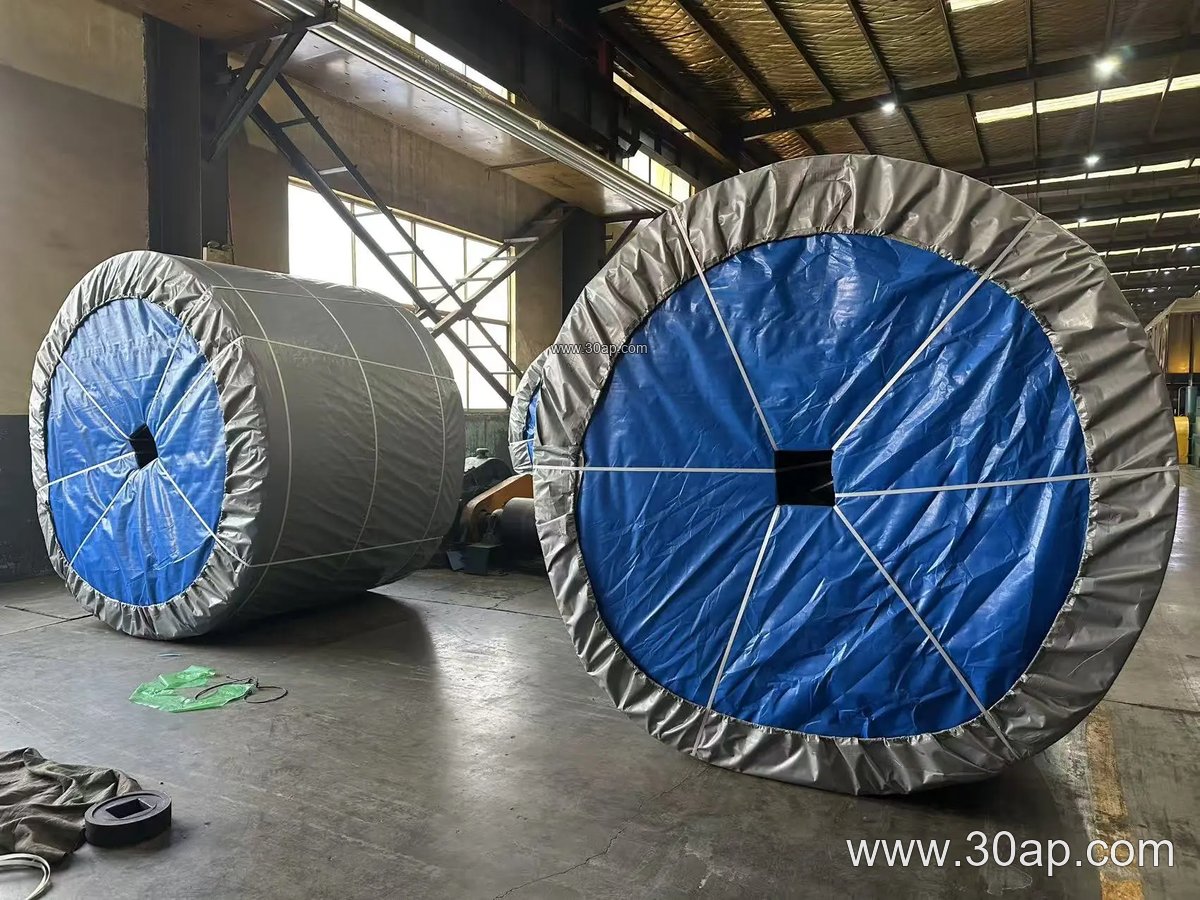
Buyers should request the manufacturer’s data sheet for the exact EP1000 1200mm Conveyor Belt construction, including ply count, cover thickness, tensile rating and recommended splice method, and match it to the actual conveyor duty rather than relying on a single size assumption.