What a PVC Conveyor Belt Is
A PVC conveyor belt is a light- to medium-duty belting product with a polyvinyl chloride cover and a tension-bearing carcass. It is often chosen where a smooth, clean surface, moderate oil resistance, or easy cleaning matters more than the heavy impact capacity of a thick rubber belt. In plants that handle packaged goods, small parts, or food-grade materials, this belt type keeps the conveying line simple and relatively quiet. On larger bulk lines, it may appear as a short transfer belt between a crusher and a screen, or as a lightweight return belt alongside the main heavy-duty system. The same product is also known in the trade as a PVC belting or polyvinyl chloride conveyor belt.
How the Belt Is Built
The carcass usually consists of one to four plies of polyester or nylon fabric, bonded with PVC. The cover layers are PVC-based compounds, and the surface can be smooth, matte, or lightly textured. A common construction uses a fabric core with a thin PVC top cover and a friction surface underneath. Edge construction may be cut edge or sealed, depending on the application. Because the cover is thermoplastic, the belt can be spliced by heat or by mechanical fasteners. The belt is not the same as a PVG conveyor belt, which uses a blended PVC and nitrile rubber cover for higher flame resistance in underground coal mining. Nor should it be confused with a rubber conveyor belt, an EP conveyor belt, or a steel cord conveyor belt, each of which serves different load and tension ranges.
Typical Applications
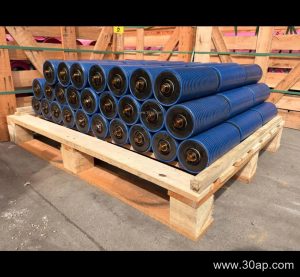
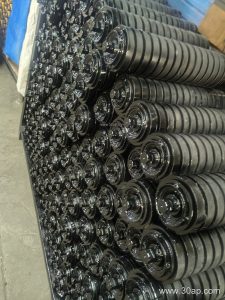
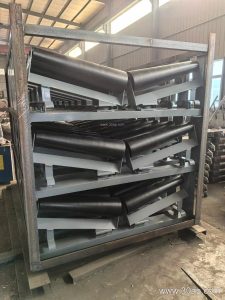
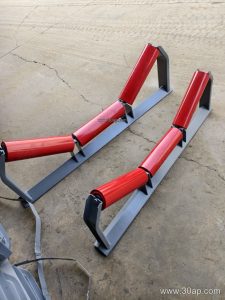
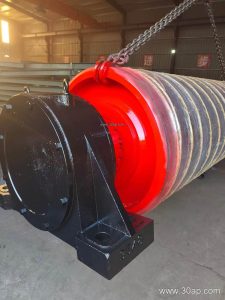
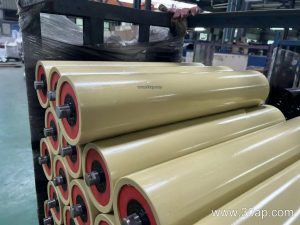
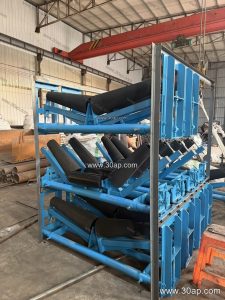
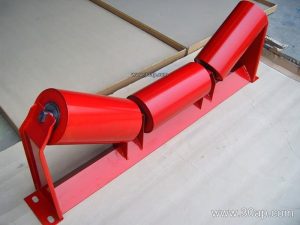
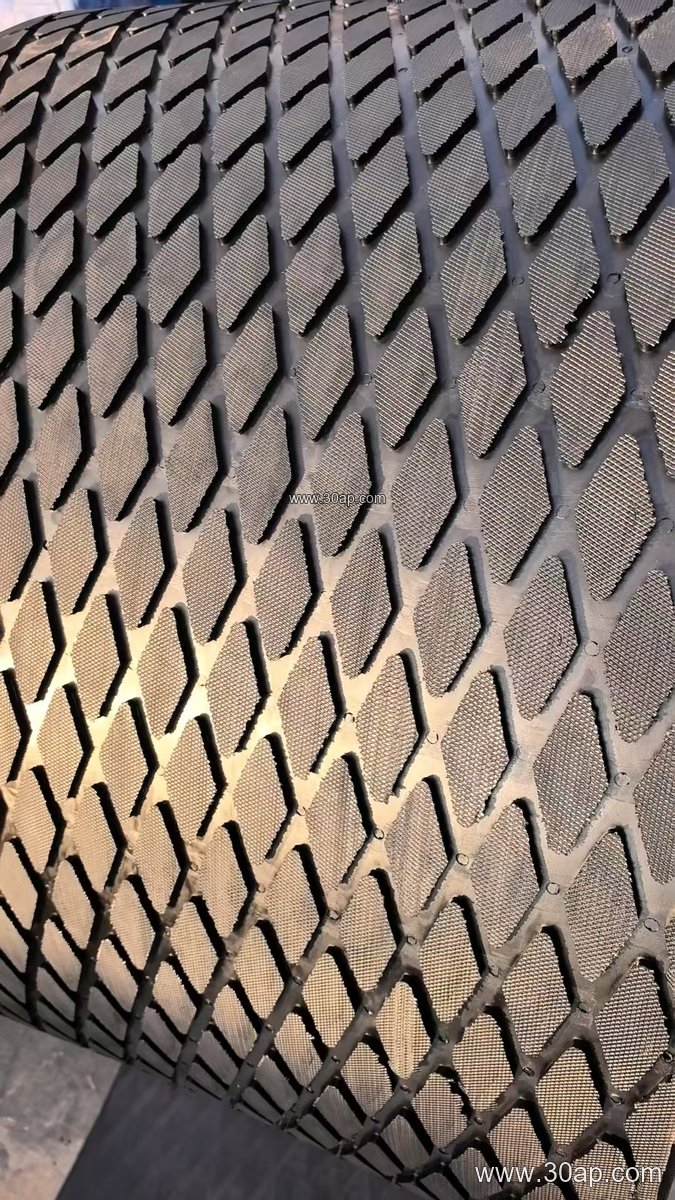
PVC belting appears in many industries where moderate strength and a clean surface are enough. In a quarry or sand making plant, it may run on a short discharge belt under a screen. In a cement plant, it can handle bagged material or small additives. In a power plant, it may carry light parts in a maintenance workshop. Food processing, recycling, logistics, and packaging lines are also common users. In mining, a PVC mining conveyor belt is typically limited to light auxiliary duties rather than main haulage, where a heavy-duty mining conveyor belt or an abrasion resistant conveyor belt is more suitable. The belt runs over idler rollers and is trained by conveyor pulleys at the head and tail; conveyor brackets hold the idlers and pulleys in alignment.
Common Configurations and Reference Data
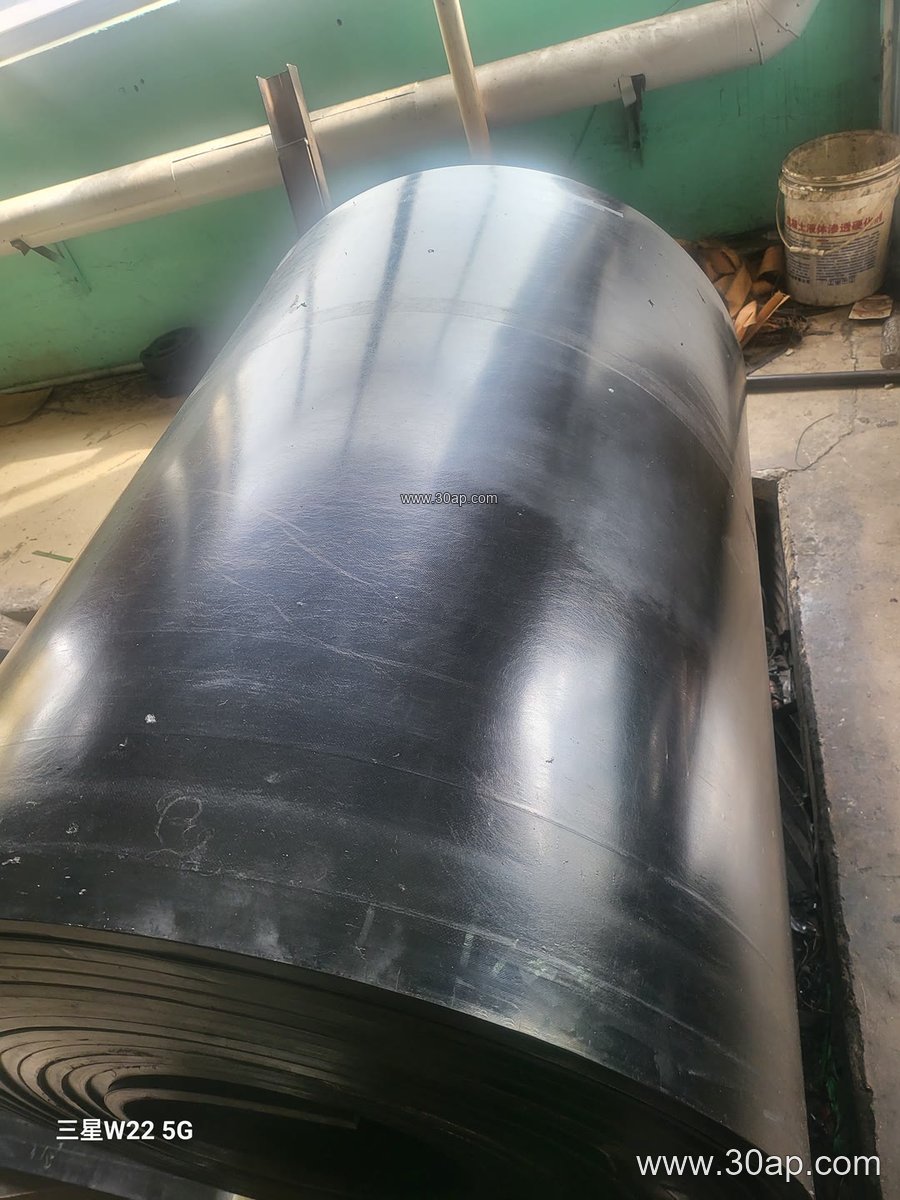
Buyers often work with a range of widths, ply counts, and cover thicknesses. The values below are typical reference points, not fixed supply promises. Final construction is determined by the conveyor design, the material carried, and the pulley diameters used.
- Belt width: B500, B650, B800, B1000, B1200, B1400, B1600, B1800, B2000
- Fabric plies: 2 to 4 plies for most PVC belts
- Cover thickness: 3+1.5 mm, 4+2 mm, 5+2 mm
- Surface: smooth, matte, or lightly textured
- Splice: heat splice or mechanical fastener
When a heavier carcass is needed, an EP conveyor belt or an NN conveyor belt is usually selected instead, with strength grades such as EP200, EP400, or EP630. A flame retardant conveyor belt and an anti-static conveyor belt are separate constructions with their own cover compounds. For food contact, a food grade conveyor belt is specified. None of these should be treated as a direct replacement for a standard PVC belt without a review of the duty.
Selection and Use Notes
Start with the material being carried, the belt speed, and the load per meter. Check the smallest pulley diameter on the conveyor, since a thick or stiff belt may not train well around a small bend pulley. Keep the belt width matched to the idler roller frame and the conveyor bracket spacing. If the line carries oily parts or food, confirm the cover compound with the belt supplier. For cold climates, a cold resistant conveyor belt may be needed. For hot material, a heat resistant conveyor belt is the correct choice. A skirted conveyor belt or a corrugated sidewall conveyor belt can be used where material must be contained on an incline, but these are different belt designs, not add-ons to a standard PVC belt.
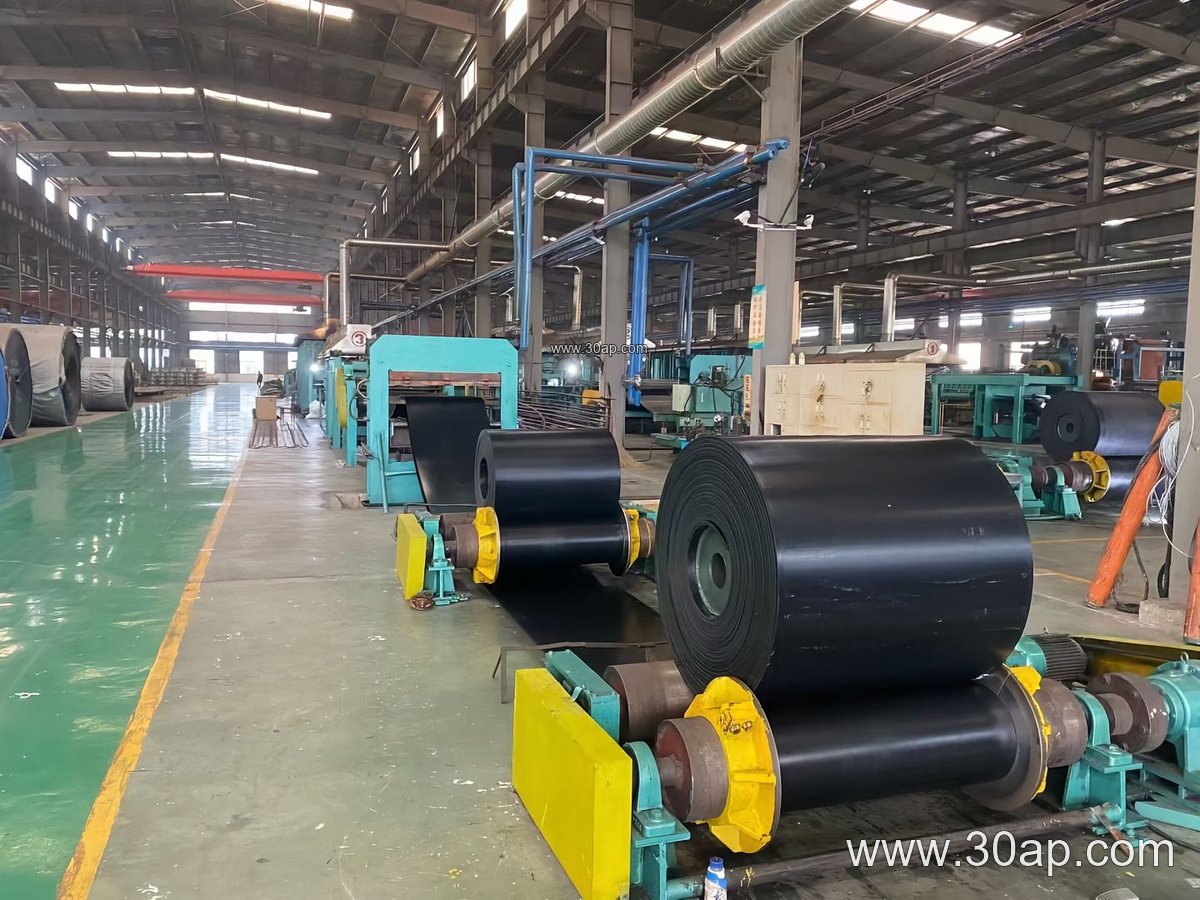
During operation, check belt tracking at the head and tail pulleys, inspect the idler rollers for seized bearings, and look for cover cuts or edge damage. A well-tracked PVC belt with clean pulleys and free-turning idlers usually gives steady service on light to medium duties. For a wider overview of belting options, see the product pages at www.beltconveyorparts.com and www.conveyorbeltguide.com, where PVC belting is listed alongside other fabric and steel cord constructions.
Buyer Checklist
- Confirm the actual load and belt speed before choosing a cover thickness.
- Match belt width to the conveyor frame and idler set.
- Ask for the splice method and edge finish in writing.
- Check whether oil, heat, cold, or static requires a different cover compound.
- Review pulley diameters with the belt supplier before ordering.
A PVC conveyor belt is a practical choice for many light and medium conveying tasks, but it is not a universal belt. Reviewing the duty, the pulley arrangement, and the environment will keep the selection accurate and the line running smoothly.