What a Lower Return Idler Does
On a belt conveyor, the lower return idler supports the empty side of the conveyor belt as it travels back from the head pulley to the tail pulley. This idler roller is mounted beneath the belt line, usually on a conveyor bracket fixed to the stringer or frame. Its main jobs are to keep the belt from sagging, reduce drag, and guide the belt in a stable path. In industries such as coal mining, cement plants, power plant coal handling, and quarry operations, a well-chosen return idler helps maintain belt tension and reduces wear on the belt and other components.
Construction and Common Forms
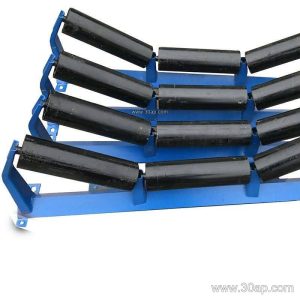
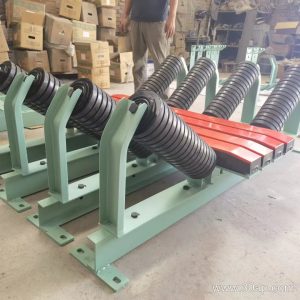
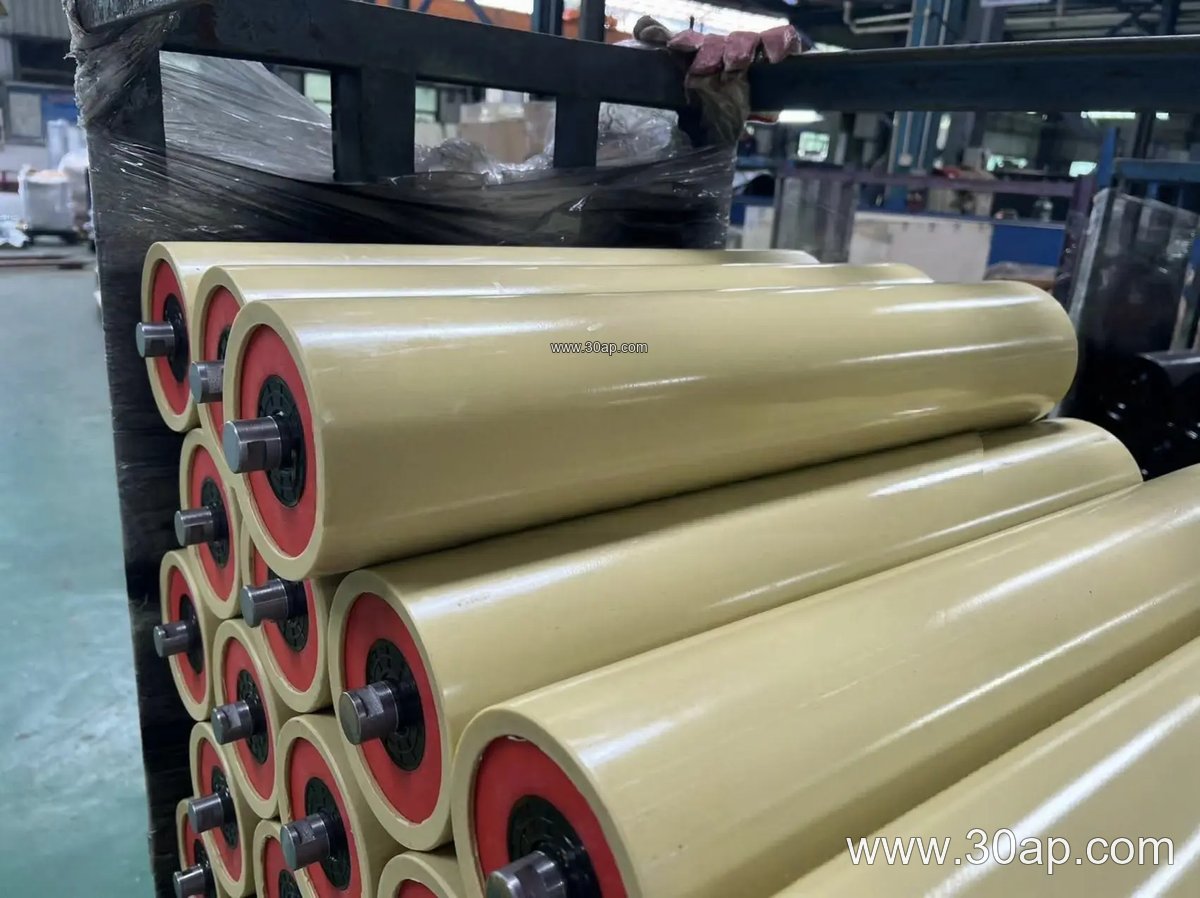
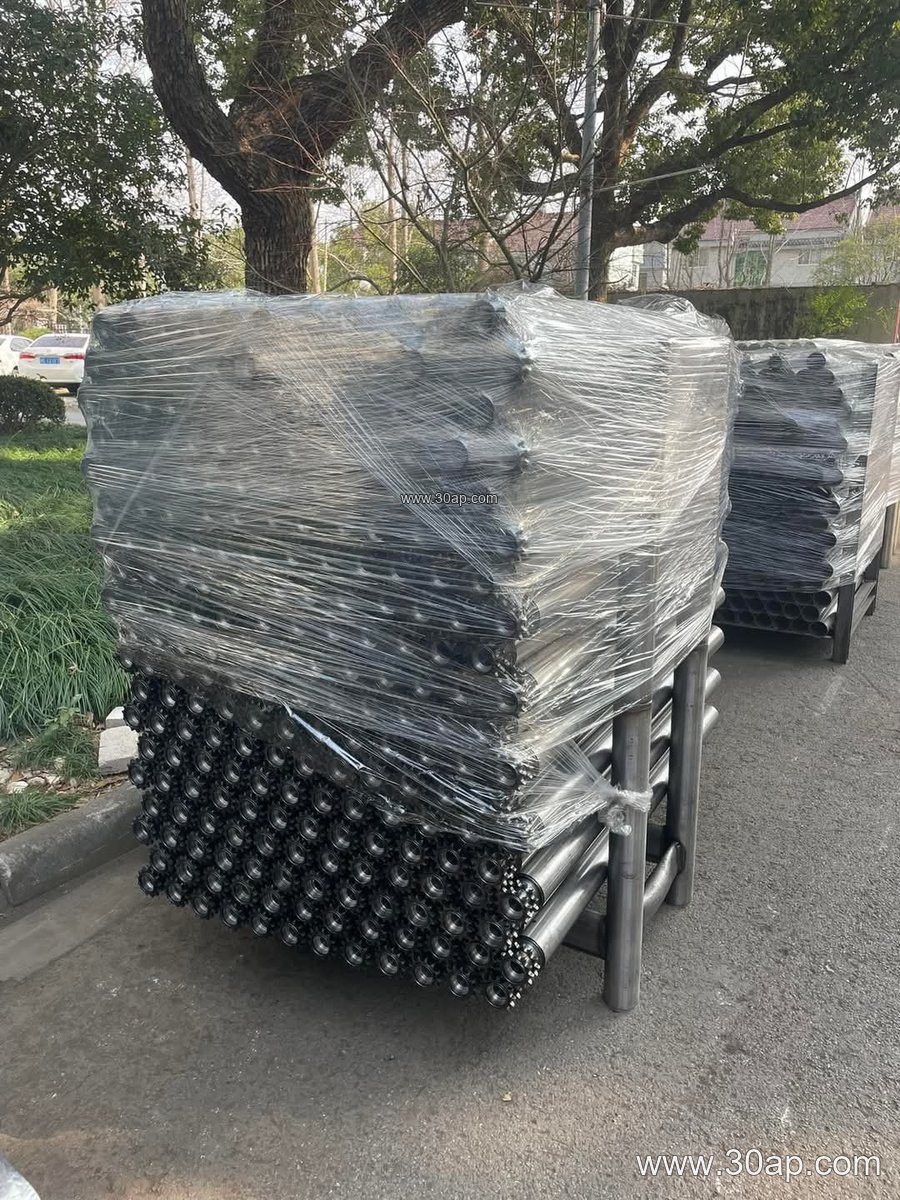
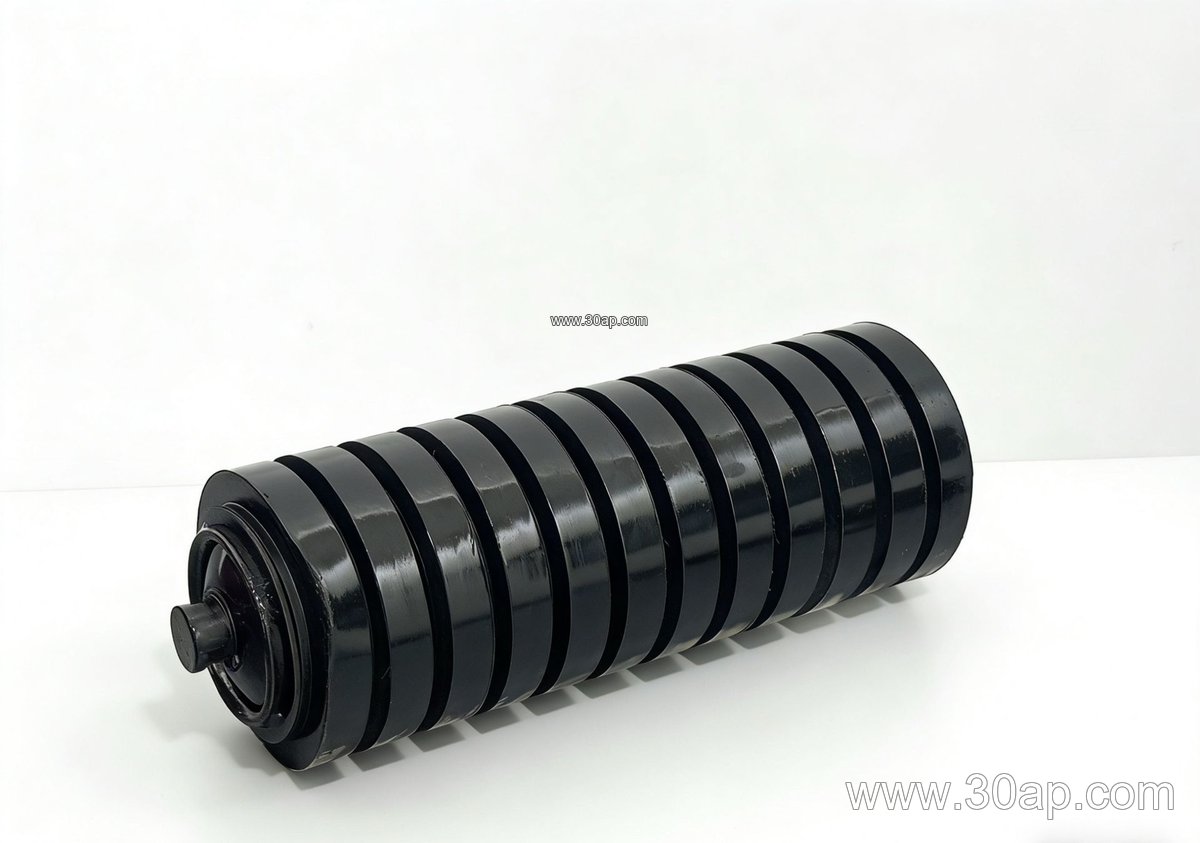
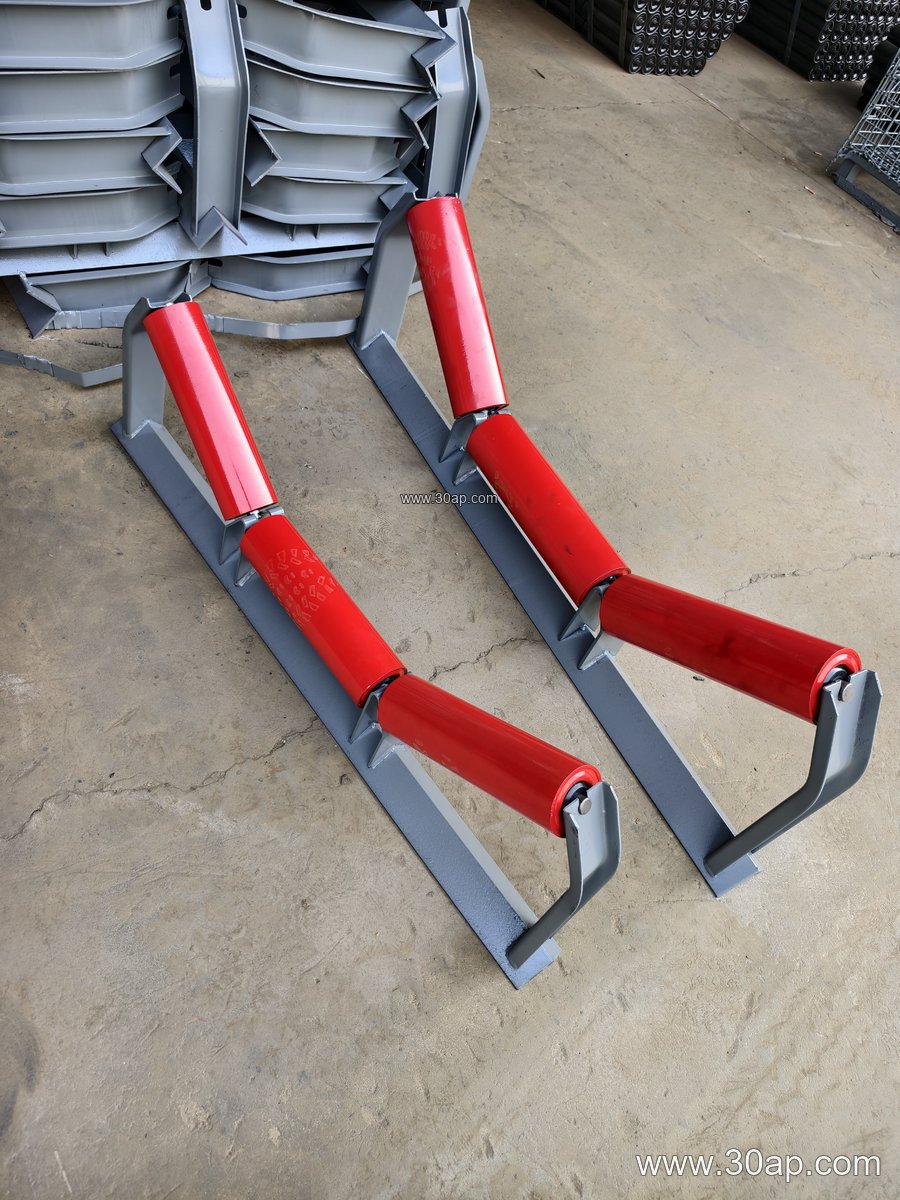
A lower return idler typically consists of a steel tube shell, bearing housings, seals, and a shaft. The roller surface may be plain steel, nylon, or covered with rubber rings for specific duties. The most common form is the flat return idler, which uses a single roller across the belt width. For wider belts or where belt training is needed, a V-shaped return idler (two rollers set at an angle) can help center the belt. Spiral return idlers are also used to shed sticky material. Bearing sizes vary with load and roller diameter; common bearings include 6204, 6205, 6305, 6306, 6308, and 6310. The shaft diameter is determined by the idler design and load, not by belt width alone.
Where It Fits in the Conveyor
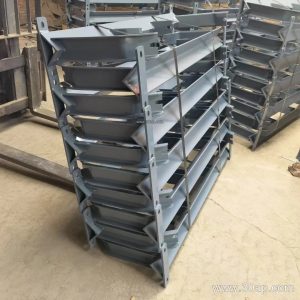
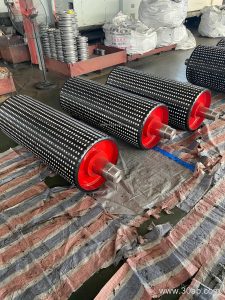
The lower return idler is installed on the return strand, spaced at intervals that depend on belt width, belt tension, and load. It is often used in pairs with a conveyor pulley at the tail end, but it is not a substitute for a tail pulley or a bend pulley. In a typical aggregate conveyor or a cement plant, return idlers are placed every few meters to prevent belt sag. In underground coal mining, flame retardant conveyor belts are common, and return idlers must be compatible with the belt and the environment. The idler also works alongside the conveyor bracket and frame to maintain alignment.
Materials and Belt Compatibility
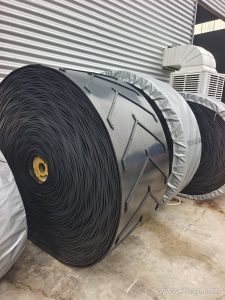
The choice of return idler should match the conveyor belt in use. For abrasive materials such as iron ore or copper ore, a abrasion resistant conveyor belt may be paired with a return idler that has a smooth steel or nylon surface to reduce friction. In coal mining, a flame retardant conveyor belt is often required, and the return idler should not interfere with belt tracking. Heat resistant conveyor belts in cement or steel plants may need return idlers that can tolerate warm conditions, though the idler itself does not usually carry the hot material. Oil resistant conveyor belts may be used in recycling or food processing, and the return idler should be selected to avoid rubber degradation if oil is present.
Common Sizes and Parameters
Lower return idlers are available in a range of roller diameters and belt widths. The table below shows common reference values; actual selection depends on the conveyor design and load. These are not mandatory combinations.
| Parameter | Common Range or Example |
|---|---|
| Roller diameter | Ø63, Ø76, Ø89, Ø102, Ø108, Ø127, Ø133, Ø159, Ø178, Ø194, Ø219 mm |
| Belt width | B400, B500, B650, B800, B1000, B1200, B1400, B1600, B1800, B2000, B2200, B2400 |
| Bearing | 6204, 6205, 6305, 6306, 6308, 6310 |
| Roller surface | Steel tube, nylon, rubber rings |
| Return idler form | Flat single roller, V-type two rollers, spiral |
For example, a B800 conveyor may use a return idler with a roller length around 315 mm in a flat form, but the exact length depends on the frame and belt width. A B1200 conveyor might use a roller length near 465 mm. These are typical examples, not fixed rules. The roller diameter and shaft size are selected based on load, belt speed, and the idler’s bearing capacity.
Selection and Maintenance Tips
- Check that the return idler’s roller length and mounting dimensions fit the conveyor bracket and frame.
- Match the idler’s load rating to the belt width and the weight of the return belt, especially on long conveyors.
- Use sealed bearings and effective labyrinth seals to keep dust out in quarry, mining, and cement environments.
- Inspect for belt tracking issues; a misaligned return idler can cause edge wear on the conveyor belt.
- Replace worn rollers promptly to avoid damage to the belt and to maintain energy efficiency.
For heavy-duty mining conveyor belts and long overland systems, return idlers should be selected with adequate bearing life. In port conveyor systems and ship loading applications, corrosion-resistant finishes may be beneficial. Whatever the application, the lower return idler is a small but critical part of the conveyor’s return side, working with the conveyor pulley, idler roller, and bracket to keep the belt running smoothly.