What an Idler Bracket Does on a Conveyor
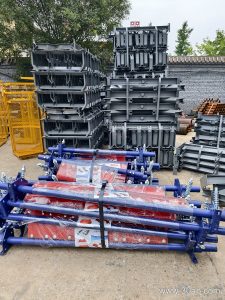
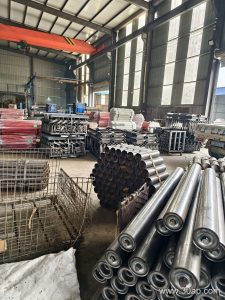
An idler bracket is the structural component that holds conveyor idlers in position and sets the profile of the belt along the carrying and return runs. Sometimes called a conveyor bracket or idler frame, it connects the idler roller assembly to the conveyor stringer or frame, keeping spacing, alignment, and trough angle consistent. In a quarry or a cement plant, a well-built bracket helps maintain belt tracking and reduces premature wear on both the conveyor belt and the idler roller.
The bracket itself does not carry material; it transfers the load from the idlers and belt into the conveyor structure. That is why its material, mounting holes, and crossbeam length must match the belt width, idler diameter, and trough angle specified for the conveyor.
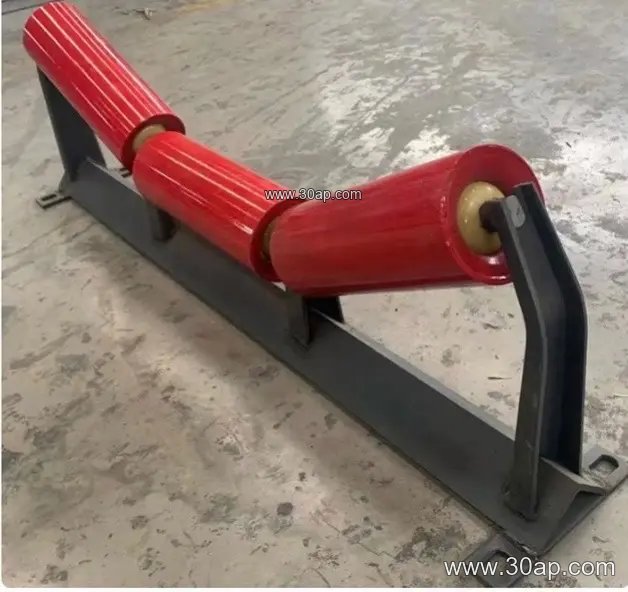
Construction and Common Forms
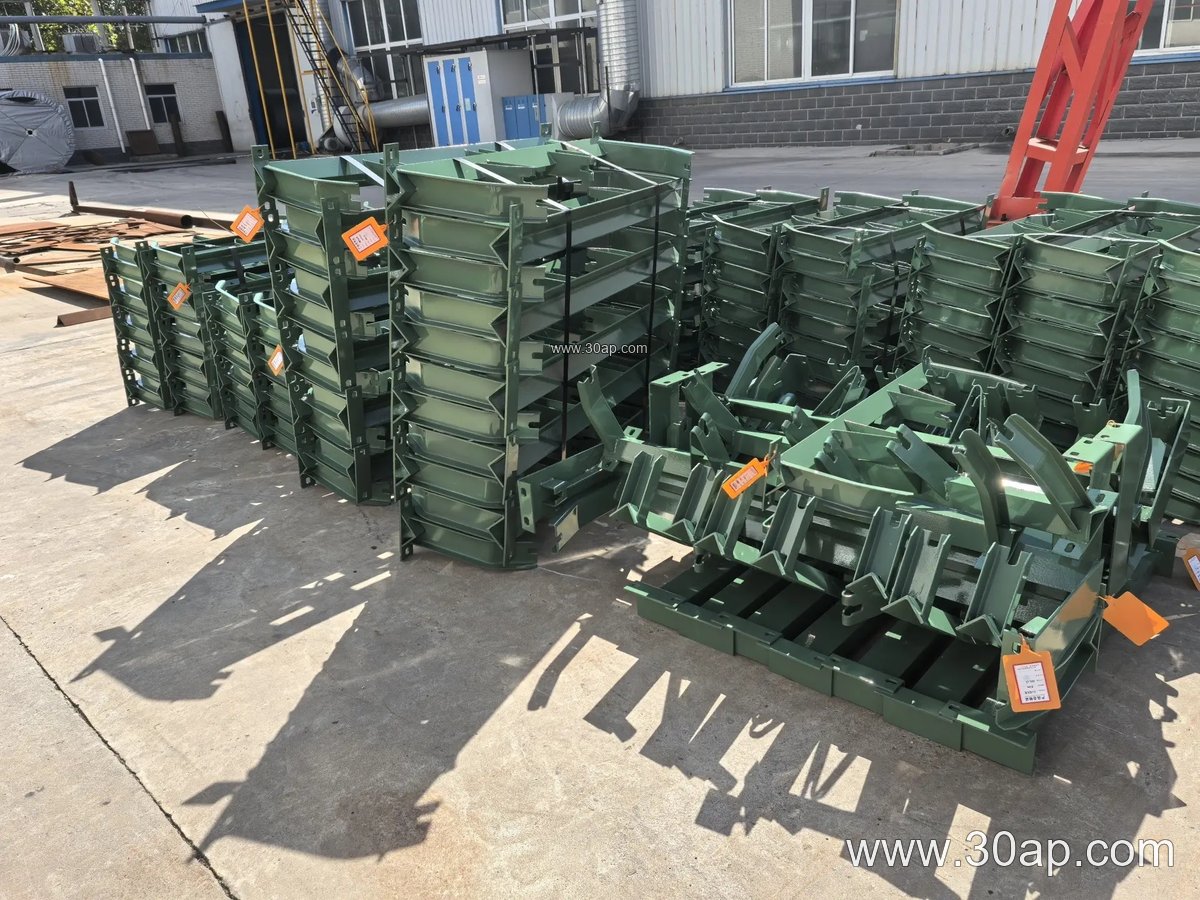
Most idler brackets are fabricated from angle steel, channel steel, or folded steel plate. The fabrication should be square, with mounting slots that allow small adjustments during installation. Common configurations include troughing brackets for the carrying side, transition brackets near pulleys, return brackets for the lower run, V-return brackets, impact brackets under loading points, and self-aligning or training brackets.
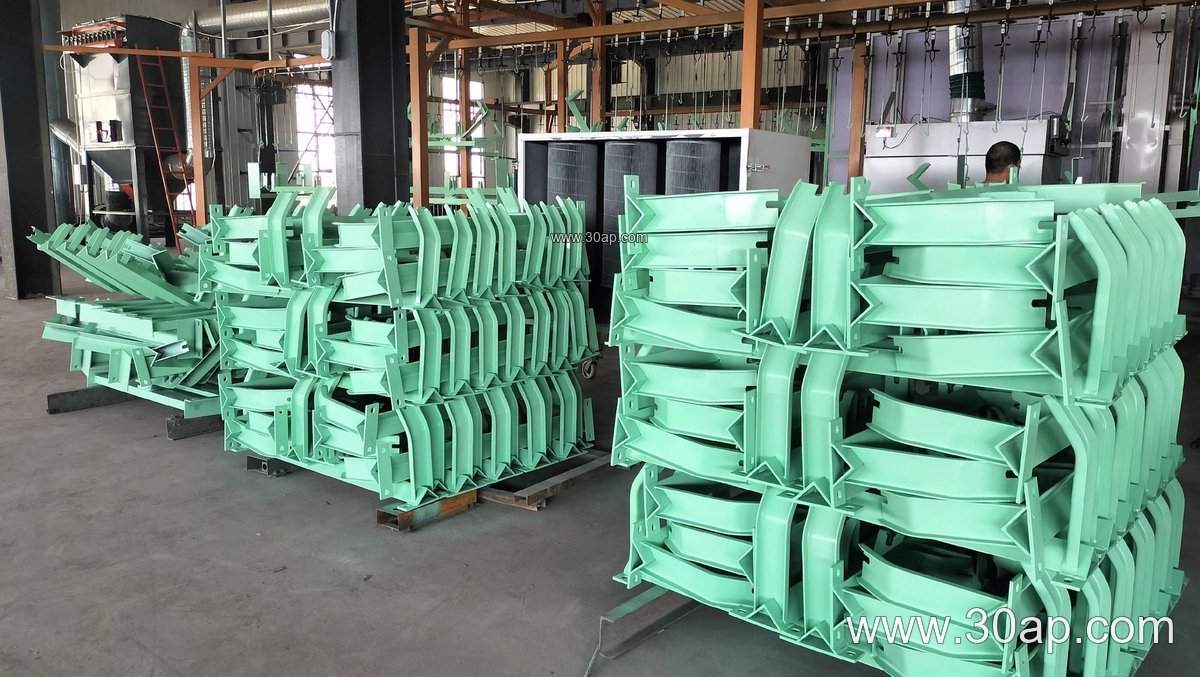
Adjustable brackets allow the trough angle to be set within a range, often between 20 and 45 degrees, which is useful during commissioning. Fixed brackets are simpler and are used where the profile is already defined. Forward-leaning brackets, typically around 1.5 to 2 degrees, are sometimes used to assist belt training.
Matching Bracket, Belt, and Idler
The bracket must suit the belt width and idler diameter selected for the conveyor. Typical belt widths range from B500 up to B2200, while common idler diameters include Ø89, Ø108, Ø133, Ø159, and Ø194. These values are reference points, not fixed pairings; a B800 conveyor might use a 35-degree trough with Ø108 idlers, while a B1200 conveyor in a power plant coal handling line could run a 45-degree trough with Ø133 idlers. Mounting hole spacing and crossbeam length vary with belt width and trough angle, so they should be confirmed against the conveyor design.
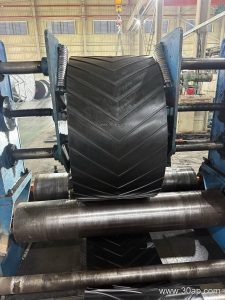
Bracket selection also depends on the belt type. A heavy-duty mining conveyor belt or a steel cord conveyor belt carrying ore may call for more robust brackets and closer idler spacing than a lightweight fabric core conveyor belt in a sand and gravel line. In coal mining, flame retardant conveyor belts are common, and the bracket layout should support stable idler contact without pinching the belt edges.
Where Idler Brackets Are Used
These brackets appear wherever a conveyor needs controlled belt support. In a coal preparation plant or a power plant coal yard, troughing and return brackets guide the belt through transfer points and long straight sections. In a limestone quarry or a crushing and screening circuit, impact brackets under the feed point help absorb shock from large lumps. In a cement plant, brackets on clinker and raw material conveyors must tolerate dust and heat where applicable.
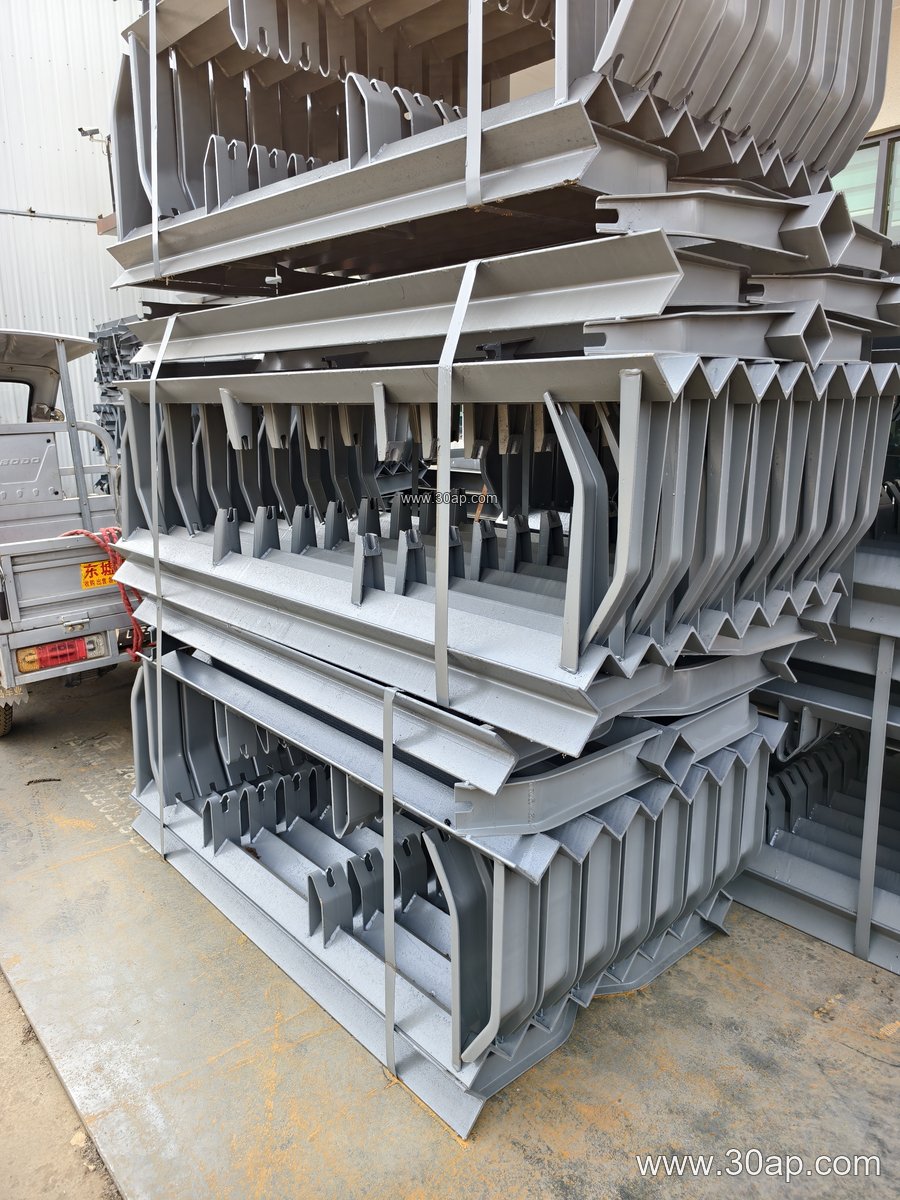
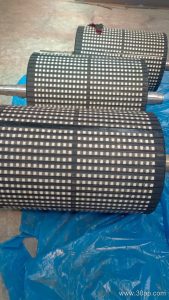
They are equally relevant in a steel plant sinter line, a port ship loading system, or a tunnel spoil removal conveyor. In each case, the idler bracket works together with the conveyor pulley, idler roller, and belt to keep the system running smoothly.
Buyer Checklist
Before ordering, confirm the belt width, idler diameter, trough angle, and mounting dimensions. Ask for the bracket material and surface treatment, and check whether adjustable or fixed construction is preferred. For replacement work, compare the existing hole pattern and crossbeam length. Also consider the environment: a dusty quarry may need brackets that shed material easily, while a food or chemical application may require a different finish.
Finally, verify that the bracket suits the belt construction in use, whether that is an EP conveyor belt, an NN conveyor belt, or a steel cord belt. The right idler bracket is a small but important part of keeping the conveyor belt centered and the idler rollers working as intended.