What an Underground Coal Mining Conveyor Belt Does
An underground coal mining conveyor belt is the load-carrying element in a continuous haulage system that moves cut coal from the face or transfer point to the shaft, slope, or surface stockpile. Because the route runs through roadways with limited height and width, the belt must combine high tensile strength with a thin, flexible carcass, and it must be safe in a gassy environment. The product is usually specified as a flame retardant conveyor belt with anti-static properties, and the same construction is frequently called an underground conveyor belt when the same specification is applied in potash, salt, or metal mines.
Construction of the Belt
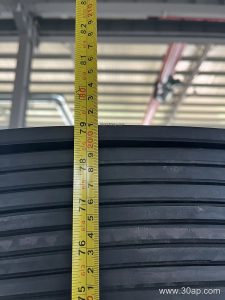
Most belts for this duty are fabric-cored or steel-cord reinforced. A fabric core conveyor belt uses multiple plies of EP or NN fabric; a steel cord conveyor belt uses brass-plated wires in a single plane. Cover compounds are selected for the duty: abrasion resistant conveyor belt grades for run-of-mine coal, fire resistant and flame retardant grades for gassy roadways, and oil resistant or cold resistant grades where conditions demand them.
Solid-woven PVC and PVG belts are also common underground. PVG800S is a typical reference designation for a solid-woven belt with a rubber cover. The table below shows common reference values only; actual supply is confirmed by the manufacturer.
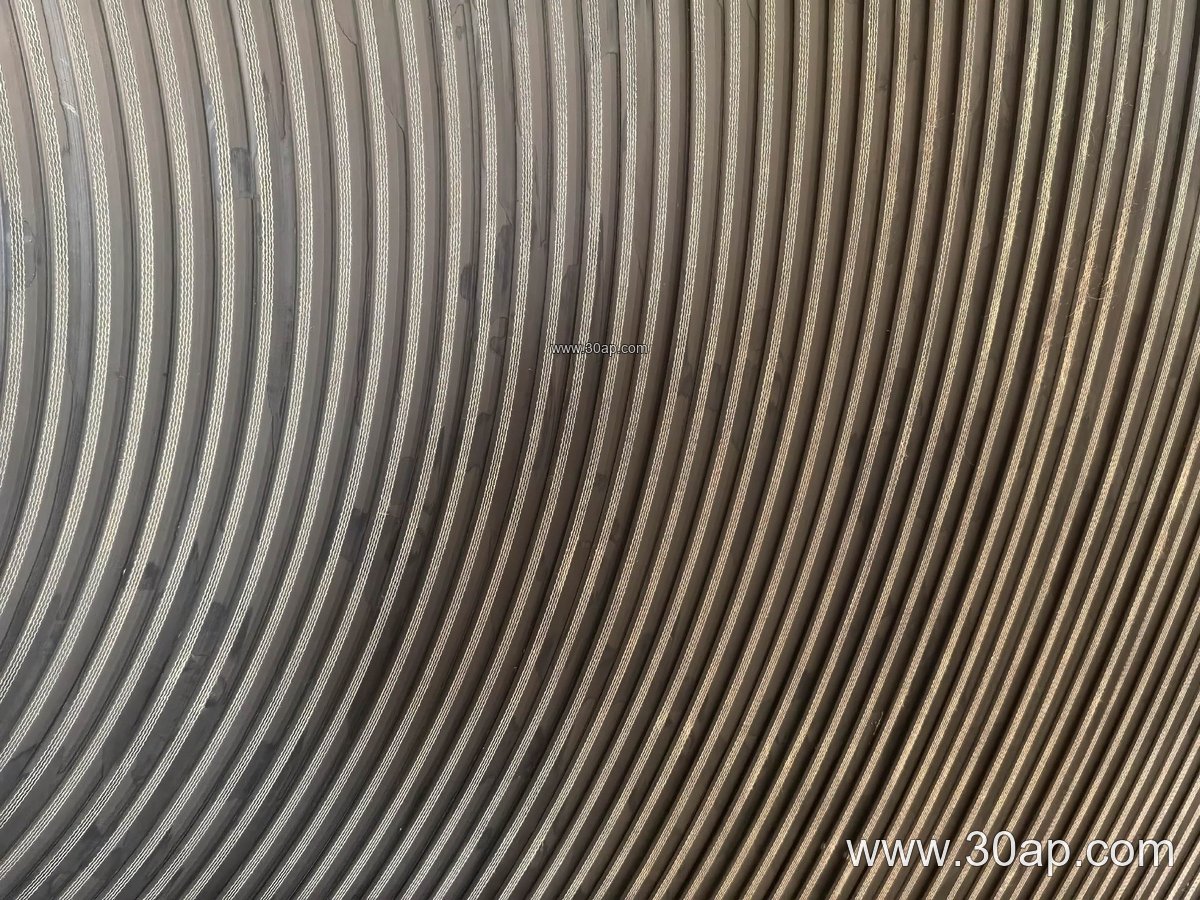
- Fabric core: EP or NN, 2 to 6 plies typical
- Cover thickness: 3+1.5, 4+2, 5+2, 6+2, or 8+3 mm typical
- Width: B500 to B2000 mm commonly requested
- Strength grades: EP200 to EP2000 for fabric belts; ST1000 to ST3150 for steel cord belts
Safety and Fire Performance
Underground coal haulage is regulated for fire risk. A flame retardant conveyor belt is tested for flame propagation, and an anti-static conveyor belt limits surface resistance to reduce ignition risk. These properties are usually specified together, so buyers should ask for test evidence rather than relying on a grade name. A fire resistant conveyor belt and a flame retardant conveyor belt are closely related terms, but the required test method depends on the local mining authority, so the specification should state the standard and the acceptance criteria.
Where the Belt Fits in the System
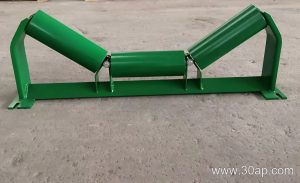
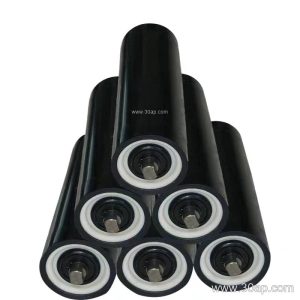
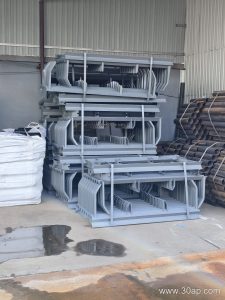
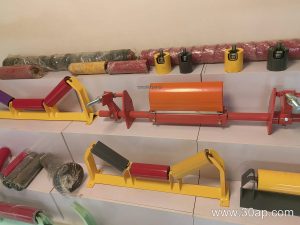
The belt runs over a conveyor pulley at the drive and tail, supported by idler roller sets on a conveyor bracket frame. Drive, tail, and bend pulleys are not interchangeable terms; each has a distinct role in the tension and steering layout. The belt path may include a vertical curve, a transfer chute, and a tripper. In a coal mine, the conveyor may discharge to a crusher conveyor belt, a bulk material conveyor belt for the main drift, or a ship loading conveyor belt after the coal reaches the surface.
Selection Points for Buyers
Start with the duty: tons per hour, lump size, incline, and the number of starts per shift. Then check the carcass strength against the calculated tension, including the starting and stopping forces. Confirm the cover grade against the material — wet coal fines, acid water, or oily roof conditions — and confirm the fire and anti-static requirements in writing. A mining conveyor belt that is correctly rated for tension but too stiff for the pulley diameter will fatigue quickly, so the pulley diameters and the belt’s minimum bend radius should be reviewed together rather than treating one belt width as tied to one pulley size.
Maintenance on the Roadway
Inspect the belt surface for cuts, edge damage, and cover wear, especially near loading points and scrapers. Track alignment with the idler roller and pulley positions, and check the conveyor bracket for loose bolts. Store spare belting flat and dry, and keep splice materials matched to the belt type. A planned inspection routine protects the belt, the conveyor pulley, and the structure around it.
For coal, cement, power plant, and quarry operators, matching belt grade to the actual duty remains the most reliable way to extend service life. Review related components such as idler roller, conveyor pulley, conveyor bracket, and rubber conveyor belt options together with the main belt specification.