What a Heavy-Duty Trough Idler Does on the Line
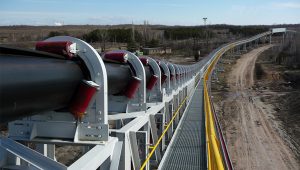
A heavy-duty trough idler is the carrying-side roller set that shapes a flat conveyor belt into a trough, so bulk material stays centered instead of spilling over the edges. In a limestone quarry or a cement plant feeding a crusher, that shaping job never stops, and the idler has to survive grit, impact and long running hours. The same component is often called a heavy-duty troughing idler or heavy-duty trough roller; both names describe the same product, and buyers should treat them as one item when comparing quotations.
This is not the same part as a drive pulley, a tail pulley or a bend pulley. Those are conveyor pulleys that transmit power or change belt direction, while the trough idler only supports and guides the belt. Keeping the two categories separate matters when a maintenance team orders spares, because a pulley cannot substitute for a troughing set.
How the Roller Set Is Built
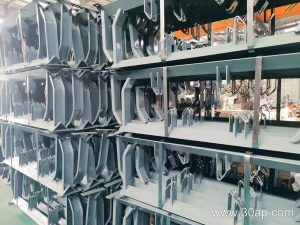
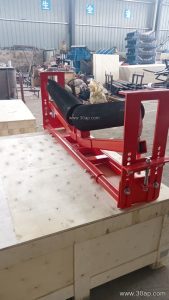
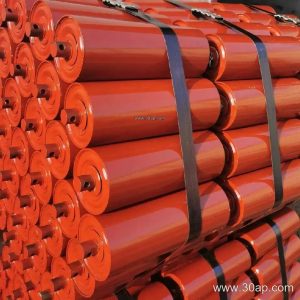
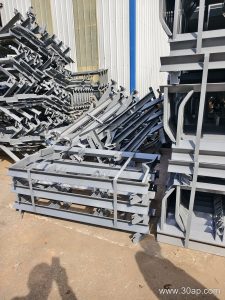
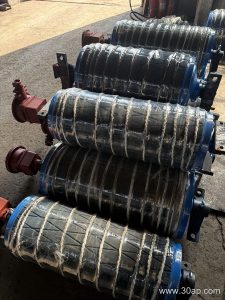
A typical assembly uses three rolls arranged at a trough angle, held in a frame that bolts to the conveyor bracket. Roll shells are usually steel tube, with nylon, ceramic or rubber-ring surfaces available where wear or impact is severe. Bearings such as 6204, 6205, 6305, 6306, 6308 or 6310 appear across the range, and the correct bearing is chosen from load and speed calculations rather than from roll diameter alone.
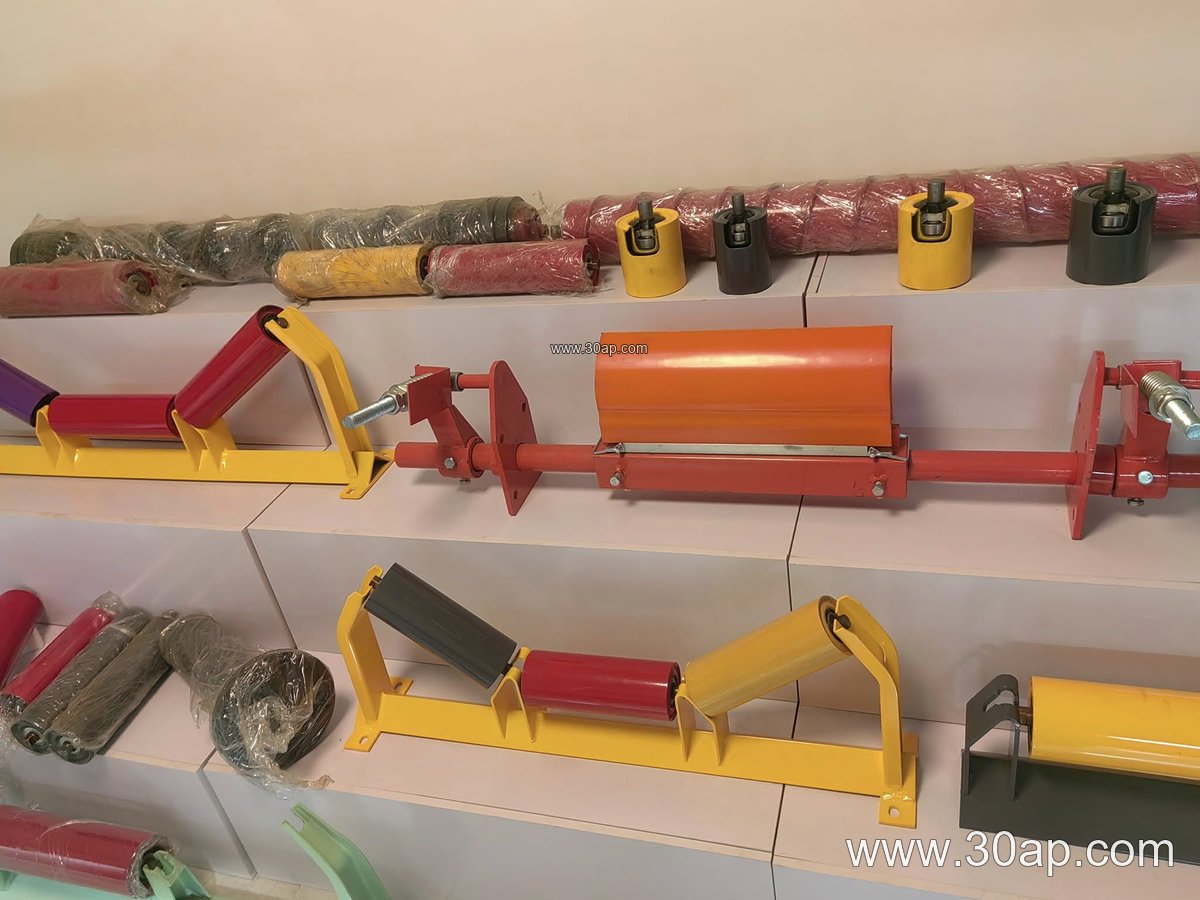
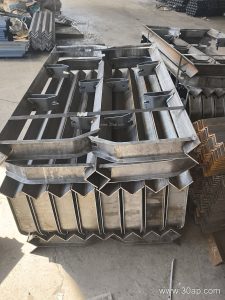
Sealing is where heavy-duty construction earns its name. Dust from coal mining or sinter plants destroys ordinary bearings quickly, so multi-stage labyrinth seals and grease retention features are common. The frame must also resist twisting under a fully loaded belt, especially on wide belts where the outer rolls carry a large share of the load.
Common Reference Dimensions
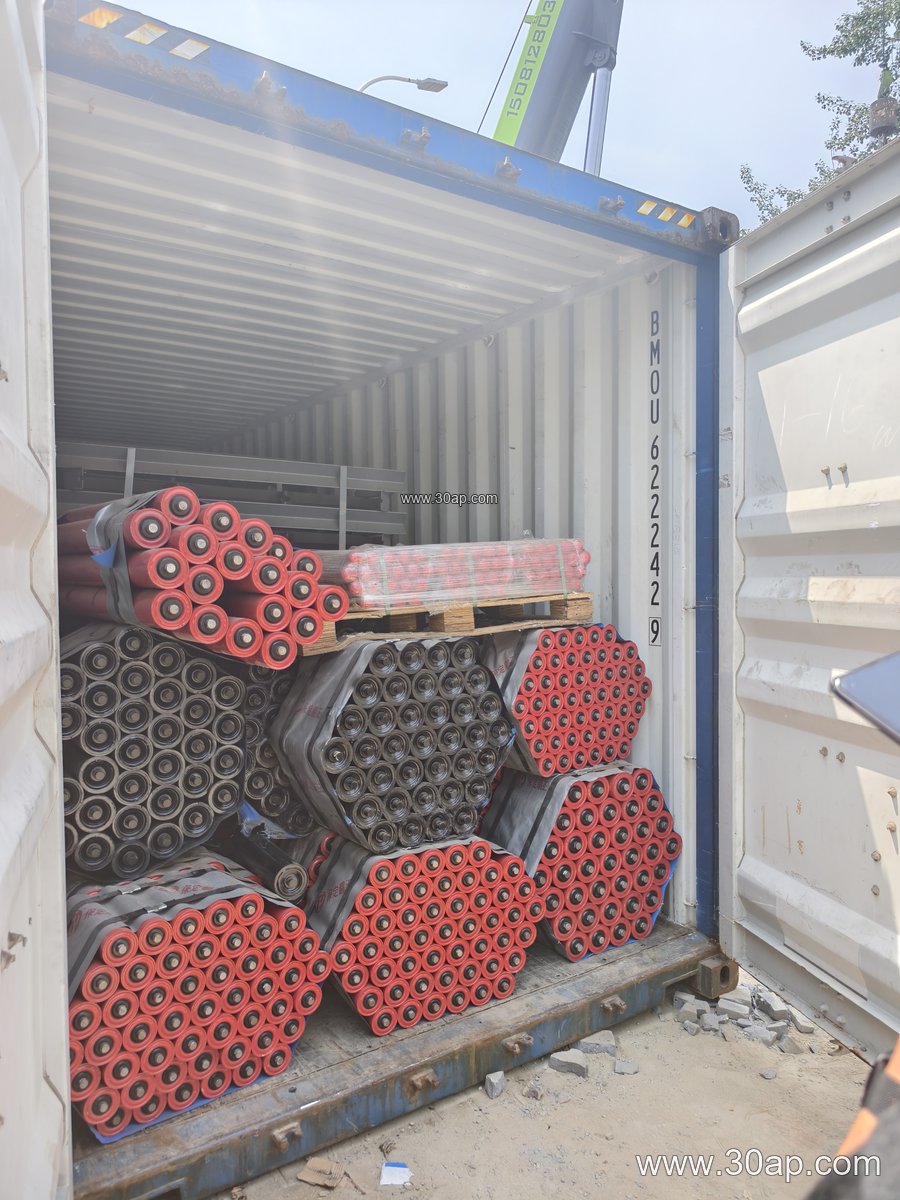
The table below shows typical values used in catalogues and project drawings. They are reference data, not fixed matches, and final dimensions follow the conveyor design.
- Roll diameter: Ø89, Ø102, Ø108, Ø127, Ø133, Ø159, Ø178 mm
- Belt width: B650, B800, B1000, B1200, B1400, B1600, B1800 mm
- Trough angle: 20, 30, 35, 45 degrees
- Roll length example for three-roll sets: about 250 mm at B650, 315 mm at B800, 380 mm at B1000, 465 mm at B1200, 530 mm at B1400
Side rolls and the center roll can differ in length, and a 1200 mm wide conveyor belt does not lock the design to one pulley diameter or one shaft size. Larger diameters generally suit higher belt speeds and heavier loads, while smaller rolls keep the belt closer to the frame in tight transfer points.
Where These Idlers Are Used
Heavy-duty troughing sets are common in the cement industry, where clinker and raw meal are moved on long inclined conveyors, and in power plant coal handling systems that run continuously. They also appear in iron ore and copper ore operations, aggregate plants and port ship-loading lines. In these duties the belt often carries a heavy-duty mining conveyor belt with high abrasion resistance, and the idler must match that durability.
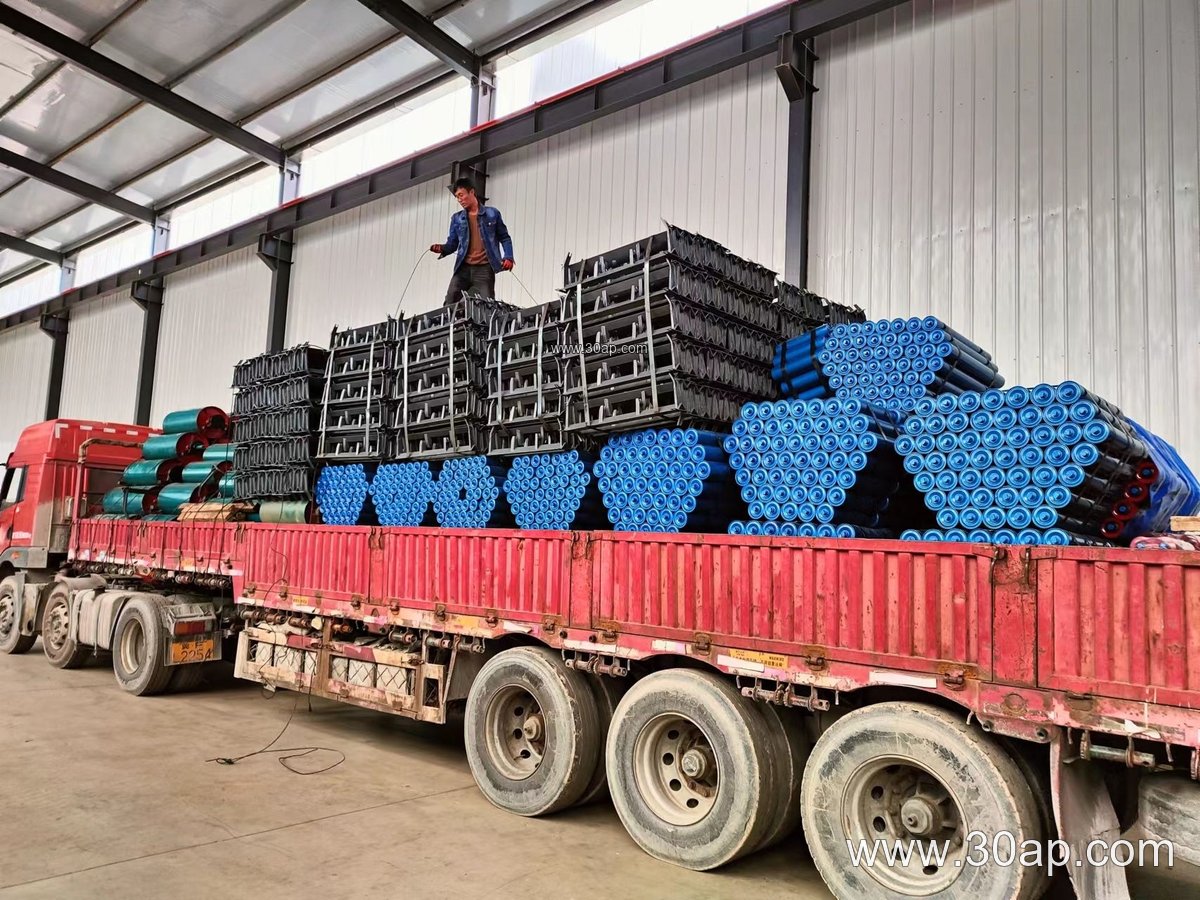
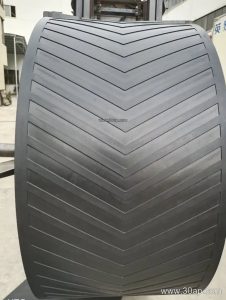
Material characteristics drive the choice. A chevron conveyor belt or a corrugated sidewall conveyor belt changes how the belt sits in the trough, and a pipe conveyor belt uses a completely different support arrangement, so the idler profile must suit the belt type rather than the other way around.
Buyer Checklist Before Ordering
Start with belt width, trough angle and the number of rolls per set. Confirm the roll diameter and shell material, then check bearing size against the actual load and speed. Ask how the seal handles fine dust and water, and whether the frame fits the existing conveyor bracket spacing. For impact zones at a crusher discharge, compare a缓冲 (impact) idler only where the application needs cushioning; otherwise the standard troughing set remains the main choice.
Finally, keep spare rolls in matched sets and record the installation position. A well-chosen heavy-duty trough idler, matched to the conveyor belt and the duty, is one of the cheapest ways to protect a conveyor from downtime.