What a Conveyor Bracket Does on the Line
Conveyor bracket procurement is the part of a belt system project where the supporting steel frame under the rollers gets decided. The bracket, often called a conveyor support bracket or roller bracket, holds the idler roller in the right position so the conveyor belt keeps its trough shape and tracks smoothly. In a quarry, a cement plant or a power plant coal yard, a weak bracket shows up quickly as belt wander, spilled material and worn rollers.
The bracket is a simple-looking part, but it carries the load of the belt, the material and the roller itself. Buyers who treat it as a commodity often end up with frames that do not match the roller spacing or the belt width.
How the Bracket Is Built
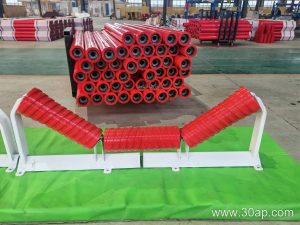
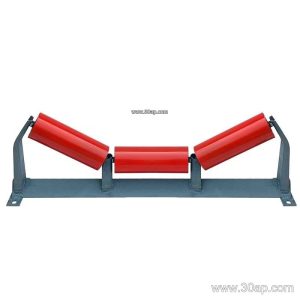
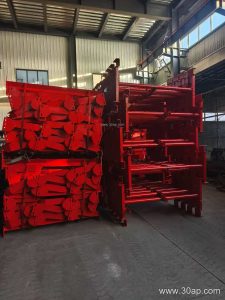
Most brackets are fabricated from angle steel, channel steel or folded steel plate. The material choice affects stiffness and corrosion life more than appearance. A trough bracket usually has two inclined arms that set the trough angle, while a return bracket is flatter and supports the belt on its clean side.
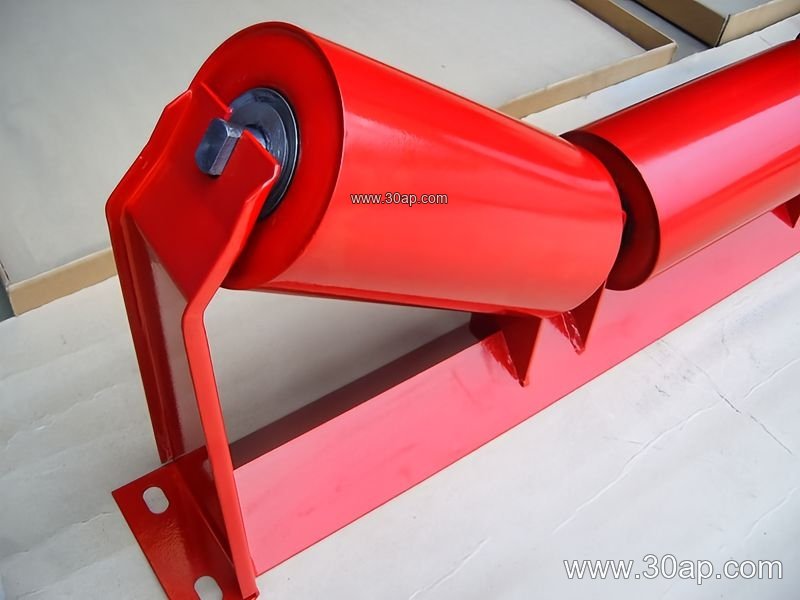
Common bracket types include trough brackets, transition brackets, return brackets, V-return brackets, impact brackets, self-aligning brackets and adjustable brackets. Each has a specific job, and they are not interchangeable. A transition bracket near a conveyor pulley is not the same as a standard trough bracket in the middle of the run.
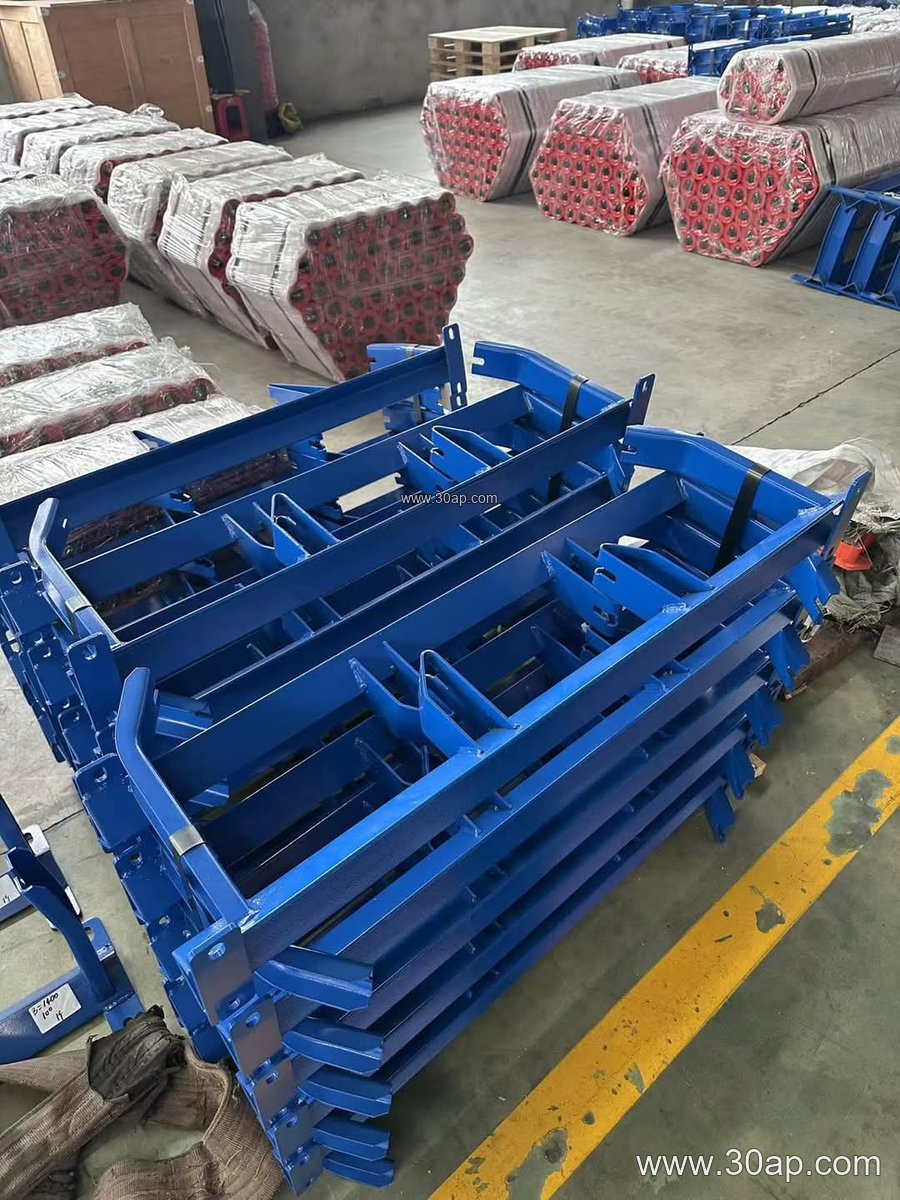
Matching Bracket, Roller and Belt
The bracket must suit the belt width, the trough angle and the roller diameter. Typical belt widths run from B500 to B2200, trough angles are commonly 20, 30, 35 or 45 degrees, and roller diameters are often Ø89, Ø108, Ø133, Ø159 or Ø194. These are reference ranges, not fixed pairings. A B800 belt may be designed with 35 degrees and Ø108 rollers, while a B1200 line might use 45 degrees and Ø133 rollers, but the final choice depends on the conveyor design.
Installation hole spacing and crossbeam length change with belt width and trough angle, so they should be confirmed from the drawing rather than assumed. On a heavy-duty mining conveyor belt or a steel cord conveyor belt running at high tension, the bracket and roller frame need enough stiffness to keep the trough stable.
Where Brackets Matter Most
In a limestone mine or a crushing and screening line, impact brackets under the loading point protect the belt from falling rock. In a coal washing plant, self-aligning brackets help correct belt drift on long runs. In a cement plant, heat and dust make inspection access important, so brackets that are easy to remove and refit save maintenance time.
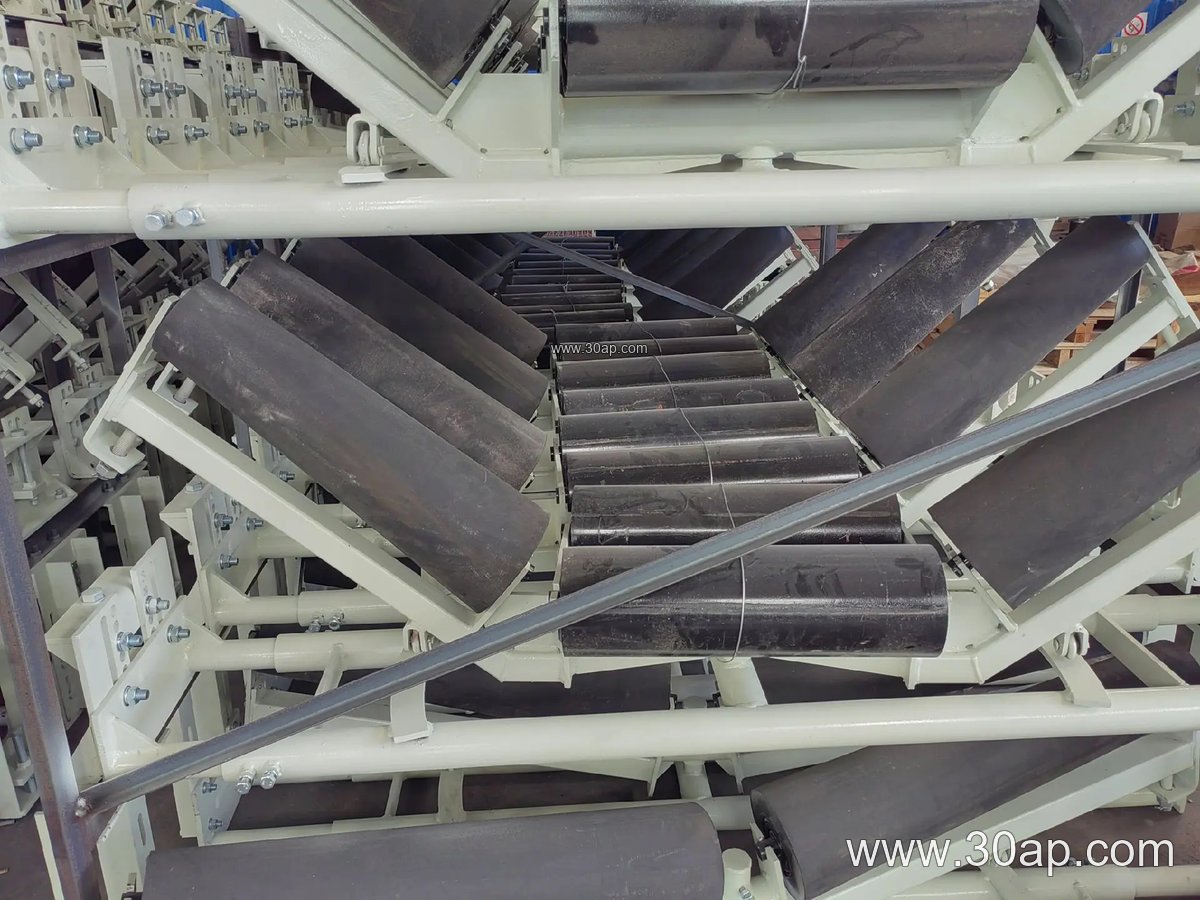
Brackets also work alongside the conveyor pulley at the head and tail, and with the idler roller group along the carrying side. A well-matched bracket set keeps the belt centered, reduces edge damage and extends roller life.
Procurement Checklist
- Confirm the bracket type: trough, transition, return, V-return, impact, self-aligning or adjustable.
- State the belt width, trough angle and roller diameter together, not separately.
- Ask for the mounting hole spacing and crossbeam length on the drawing.
- Check the steel section and finish against the site conditions.
- Keep spare brackets for the loading zone and transition areas.
For adjustable brackets, confirm the range of trough angles the frame can hold. A bracket that adjusts between 20 and 45 degrees gives more flexibility during commissioning than a fixed frame. Fixed brackets are simpler and usually stiffer, so they suit stable, well-defined runs.
Good conveyor bracket procurement comes down to matching the frame to the roller, the belt and the site. When the bracket is right, the belt runs true and the whole conveyor line works with less attention.