What a 1250mm Diameter Conveyor Pulley Is
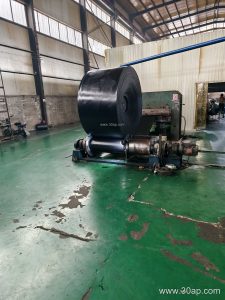
A 1250mm diameter conveyor pulley is a large-diameter drum used to drive, tension or redirect a conveyor belt in high-capacity bulk handling systems. At this size, the pulley is usually a heavy fabricated steel drum with a machined shell, welded end discs and a shaft sized to the torque and radial loads of the conveyor. It is not a stock item on small lines; it typically appears where belt tension and wrap angle demand a large contact surface and low bending stress in the belt.
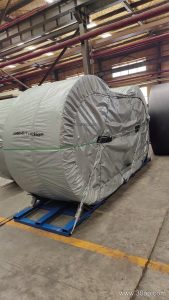
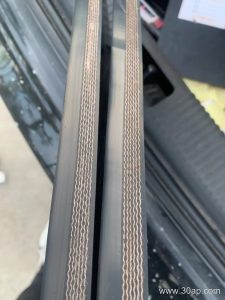
Because of its diameter, this conveyor pulley is often matched with wide belts and high-tension constructions. In a quarry or a bulk terminal, a 1250mm drum may run behind an EP conveyor belt or a steel cord conveyor belt, while a smaller bend pulley and conveyor pulley arrangement handles the return path. The large face gives the belt more room to wrap, which helps grip and reduces the sharp curvature that shortens belt life.
How the Drum Is Built
The structure is straightforward but the details matter. A typical unit includes a rolled steel shell, two end discs, a through shaft or stub shafts, bearing housings and a lagging layer. The shell is machined so the belt runs true, and the surface may be plain, rubber-lagged, diamond-grooved or ceramic-tiled depending on grip and wear conditions.
- Shell and end discs welded and stress-relieved where design requires
- Shaft sized by torque and load, not by belt width alone
- Bearing selection based on radial load and service life
- Lagging in common thicknesses such as 8, 10, 12, 15 or 20 mm
- Surface options including plain, cold-bonded rubber, hot-vulcanized rubber, diamond and ceramic lagging
Face width usually runs wider than the belt. As reference, a B1200 belt often pairs with a face around 1400 mm, and a B1400 belt with roughly 1600 mm. A 1250mm diameter drum can be built for several belt widths, so buyers should treat diameter and face width as separate design decisions. Shaft diameters commonly fall in the Ø100 to Ø200 range on this class of pulley, but the final value comes from the torque calculation.
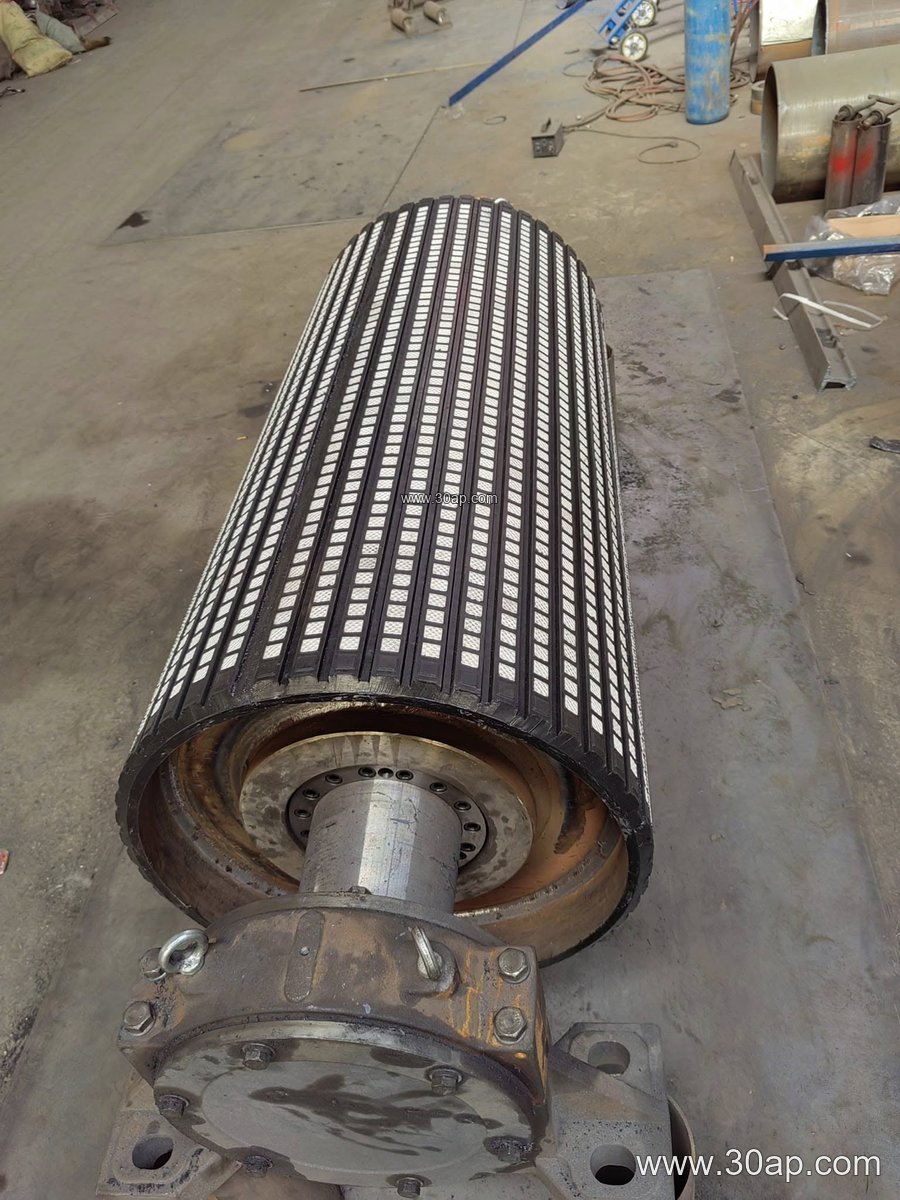
Where It Fits in a Conveyor
This large drum is most often used as a drive or head pulley at the discharge end, where the belt carries the full working tension. In a coal handling plant or a cement clinker line, the drive pulley must transmit power without slipping, so lagging and adequate wrap are important. A tail pulley of the same diameter may be used on very long conveyors to reduce belt bending, while a bend pulley is generally smaller and only changes belt direction.
Drive, tail and bend pulleys are not interchangeable. The drive pulley transmits torque, the tail pulley tensions and supports the return side, and the bend pulley redirects the belt with minimal wrap. A 1250mm diameter conveyor pulley is therefore specified by its duty position as much as by its size. In a power plant coal yard, the same diameter might appear at the head end and at a tensioning station, but the bearing and shaft design will differ.
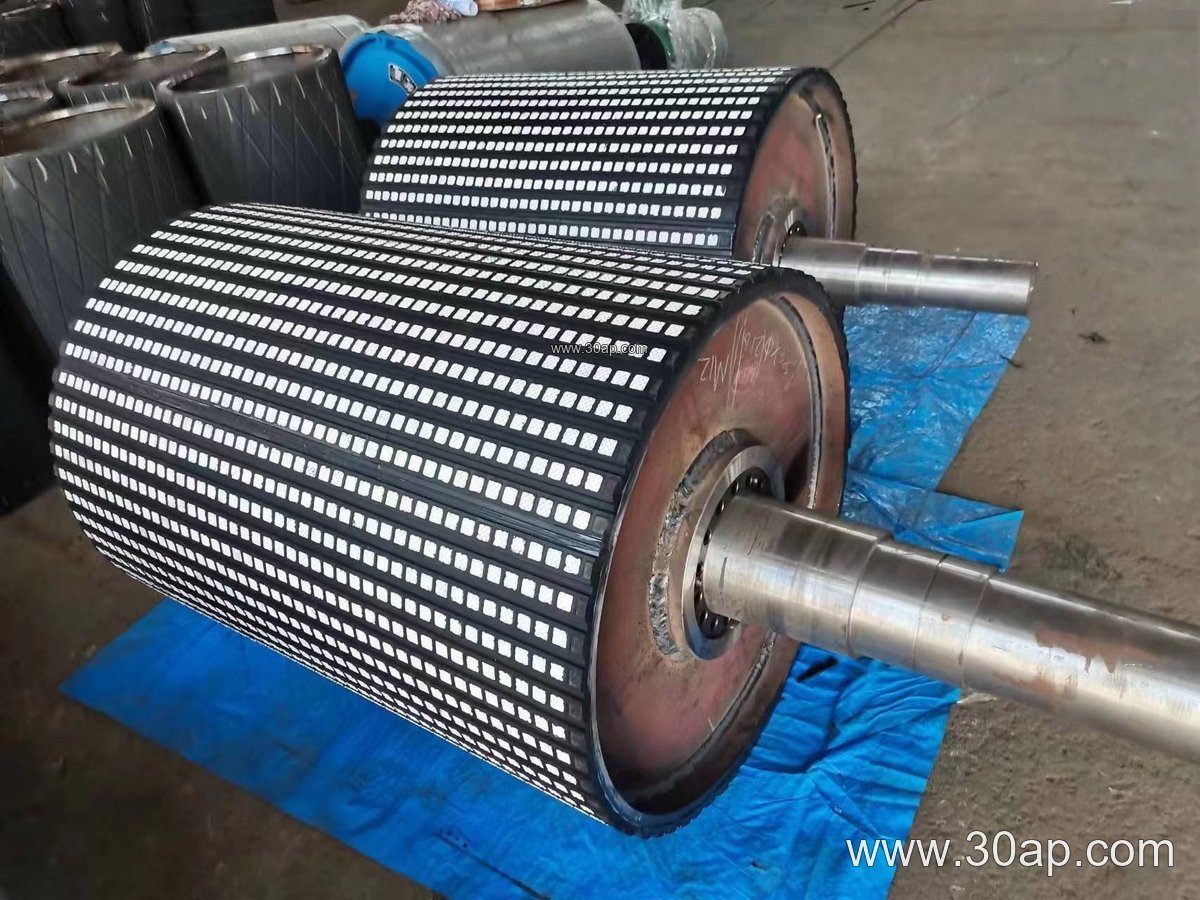
Application Notes for Buyers
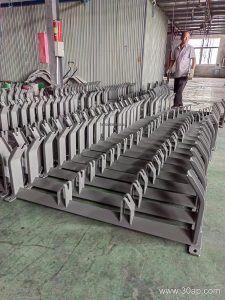
Buyers should confirm the belt width, the belt construction and the operating environment before fixing a diameter. An abrasion resistant conveyor belt running in a stone crushing line places different demands on lagging than a heat resistant conveyor belt in a sinter plant. In a coal mine, a flame retardant conveyor belt is common, and the pulley lagging should be selected to suit the same fire-safety approach. For underground mining conveyor belts, access for bearing replacement and lagging renewal is also a practical concern.
When the conveyor handles wet or oily material, diamond or ceramic lagging may be preferred over plain rubber. Where fines and dust are heavy, self-cleaning grooves help. The pulley should be checked for balance, runout and proper key fit before installation, and the conveyor bracket and bearing seats should be aligned to avoid edge loading on the belt.
Reference Dimensions
The values below are common design references, not fixed supply promises. Final dimensions are confirmed by the conveyor design.
| Item | Common reference values |
|---|---|
| Pulley diameter | Ø1000, Ø1250, Ø1400, Ø1600 mm |
| Belt width | B1000, B1200, B1400, B1600, B1800 mm |
| Face width example | B1200 about 1400 mm; B1400 about 1600 mm |
| Lagging thickness | 8, 10, 12, 15, 20 mm |
| Shaft diameter | Ø100 to Ø200 mm, by torque and load |
| Surface form | Plain, rubber, diamond, ceramic |
A 1250mm diameter conveyor pulley is a substantial component, so the specification should travel with the order: belt width, belt type, lagging, shaft size, bearing type and mounting position. Getting those details right at the quotation stage avoids surprises during installation and keeps the conveyor running smoothly.