What a Conveyor Bracket Does on the Line
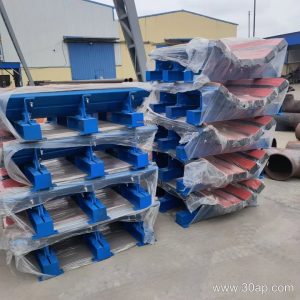
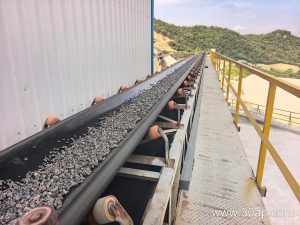
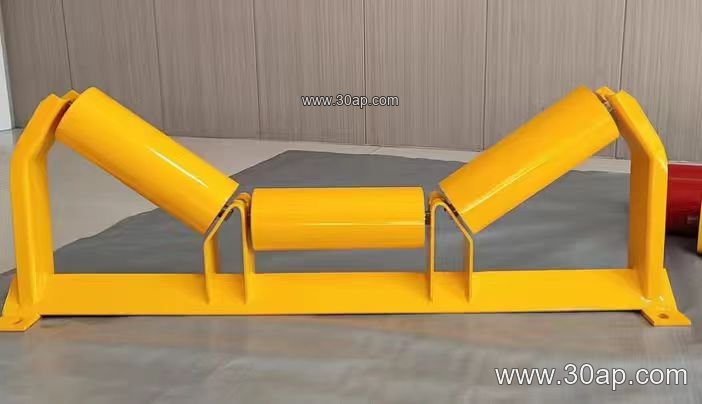
A conveyor bracket is the structural interface between the conveyor frame and the rotating components that carry the belt. It holds idler rollers at the correct height, sets the trough angle of the carrying run, and keeps the belt profile stable from loading point to discharge. On a quarry conveyor or a power plant coal handling line, a poorly matched bracket shows up quickly as belt wander, spillage, or uneven roller wear.
The bracket is a simple part in principle, but it carries real loads. It must resist the weight of the belt, the material load, and the dynamic forces from impact and misalignment. That is why bracket design is usually matched to belt width, roller diameter, and the duty of the installation rather than chosen from a single universal pattern.
Construction and Common Materials
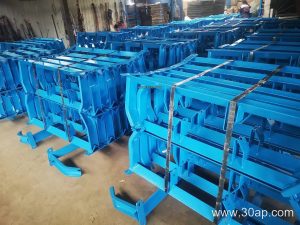
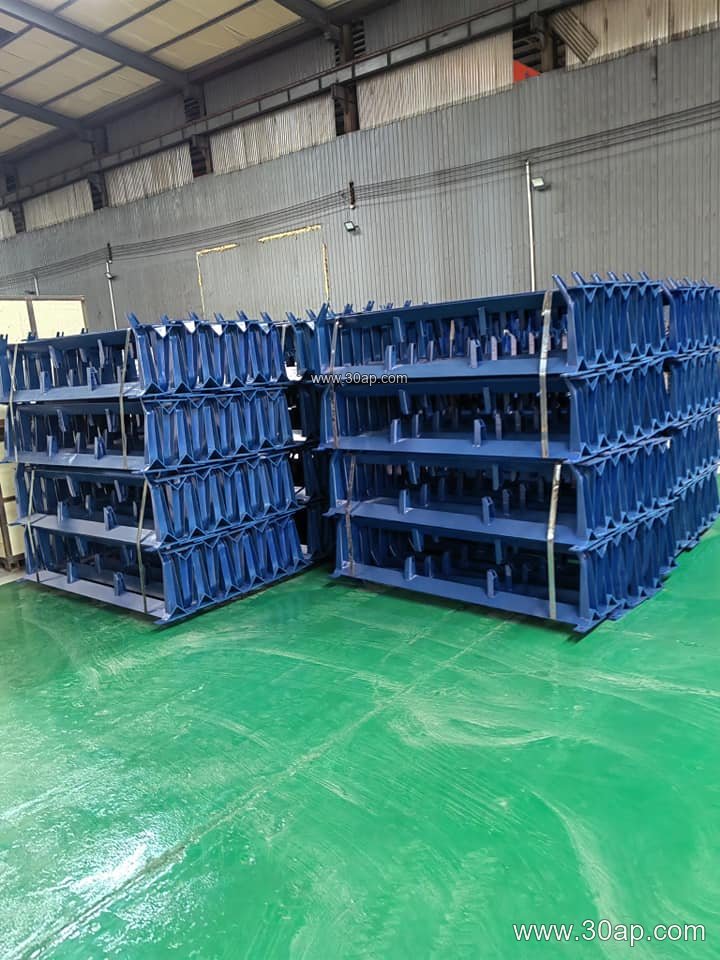
Most brackets are fabricated from angle steel, channel steel, or folded steel plate. The frame is drilled or slotted to accept idler roller shafts, and the mounting holes are positioned so the roller sits square to the belt path. Welded brackets are common in heavy-duty mining conveyor structures, while bolted designs simplify replacement in tight spaces.
Surface treatment matters in wet or corrosive settings. Galvanized or painted brackets are typical in aggregate and cement plant applications, while underground coal mining conveyor installations often call for coatings that resist moisture and fine dust buildup.
Main Bracket Types and Where They Fit
Brackets are grouped by the position and function they serve on the conveyor. A troughing bracket supports the carrying side and sets the trough angle. A return bracket holds the belt on the return run, often with a flat or V-shaped roller arrangement. Transition brackets sit near pulleys where the belt changes from troughed to flat. Impact brackets are placed under loading points to absorb fall energy, and self-aligning brackets help correct belt tracking.
- Troughing bracket: carrying side, sets trough angle
- Return bracket: supports the empty belt
- Transition bracket: guides the belt near pulleys
- Impact bracket: reinforced for loading zones
- Self-aligning bracket: assists belt centering
- Adjustable bracket: allows trough angle changes
Adjustable and fixed brackets are not the same product. A fixed bracket locks one trough angle, while an adjustable version lets maintenance staff move between common angles such as 20, 30, 35, or 45 degrees. The choice depends on whether the material profile is expected to change or whether belt training needs fine tuning.
Matching Belt Width, Trough Angle, and Roller Diameter
Bracket dimensions follow the belt width and the roller diameter. A B800 belt with a 35 degree trough and Ø108 rollers is a common combination in sand and gravel lines, while a B1200 belt at 45 degrees with Ø133 rollers appears in heavier bulk material duty. These are examples, not fixed rules. The same belt width can be used with more than one trough angle or roller diameter depending on load and belt stiffness.
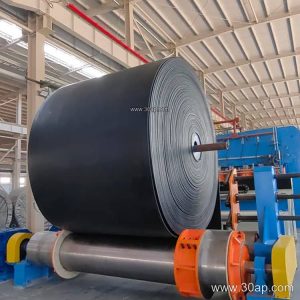
Installation hole spacing and crossbeam length change with belt width and trough angle, so they should be confirmed against the conveyor drawing rather than assumed. When the bracket is paired with a Fabric Core Conveyor Belt or a Steel Cord Conveyor Belt, the roller spacing and bracket height should follow the belt’s recommended support conditions.
| Belt width | Typical trough angle | Common roller diameter |
|---|---|---|
| B500 | 20–30 degrees | Ø89 |
| B650 | 30 degrees | Ø89 |
| B800 | 35 degrees | Ø108 |
| B1000 | 35–45 degrees | Ø108–Ø133 |
| B1200 | 35–45 degrees | Ø133 |
| B1400 | 35–45 degrees | Ø133–Ø159 |
| B1600 | 35–45 degrees | Ø159 |
| B1800 | 35–45 degrees | Ø159–Ø194 |
Values above are reference ranges. Final selection should be confirmed by the conveyor designer.
Applications Across Bulk Handling Industries
Conveyor brackets appear wherever a belt conveyor runs. In a limestone mine or stone crushing plant, troughing brackets carry abrasive rock and must tolerate dust and vibration. In a cement plant, brackets support clinker and raw meal belts, often alongside heat resistant or abrasion resistant belt grades. In a coal-fired power plant, the coal handling system relies on stable bracket alignment to keep the belt centered through transfer points.
Other settings include port ship loading lines, steel plant sinter conveyors, fertilizer and grain silos, and tunnel spoil removal. In each case the bracket is selected for the belt width, the roller type, and the environment rather than for the industry name alone.
Buyer Checklist Before Ordering
Before placing an order, confirm the belt width, the required trough angle, the roller diameter, and the mounting hole pattern. State whether the bracket is fixed or adjustable, and whether it is for the carrying or return side. Mention the environment so the fabricator can choose an appropriate material and finish. Ask for the bracket drawing and check it against the conveyor frame before production. A bracket that fits the frame and matches the roller is far easier to install than one corrected on site.