What an EP300 Conveyor Belt Is
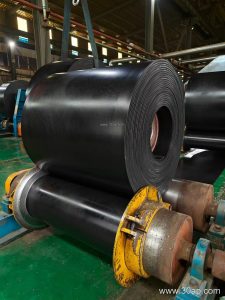
An EP300 conveyor belt is a fabric-core rubber belt built on polyester-cotton (EP) canvas. The designation EP300 refers to the nominal tensile strength of the carcass, commonly expressed in N/mm per ply. In practice, this places it in the medium-to-high strength range of fabric belts, below very heavy EP1250 or EP1600 constructions and well below steel cord designs, but above lighter EP100 or EP200 belts used on short or lightly loaded runs. Buyers often search for it as an EP rubber conveyor belt or an EP fabric core conveyor belt, and all three names describe the same product family.
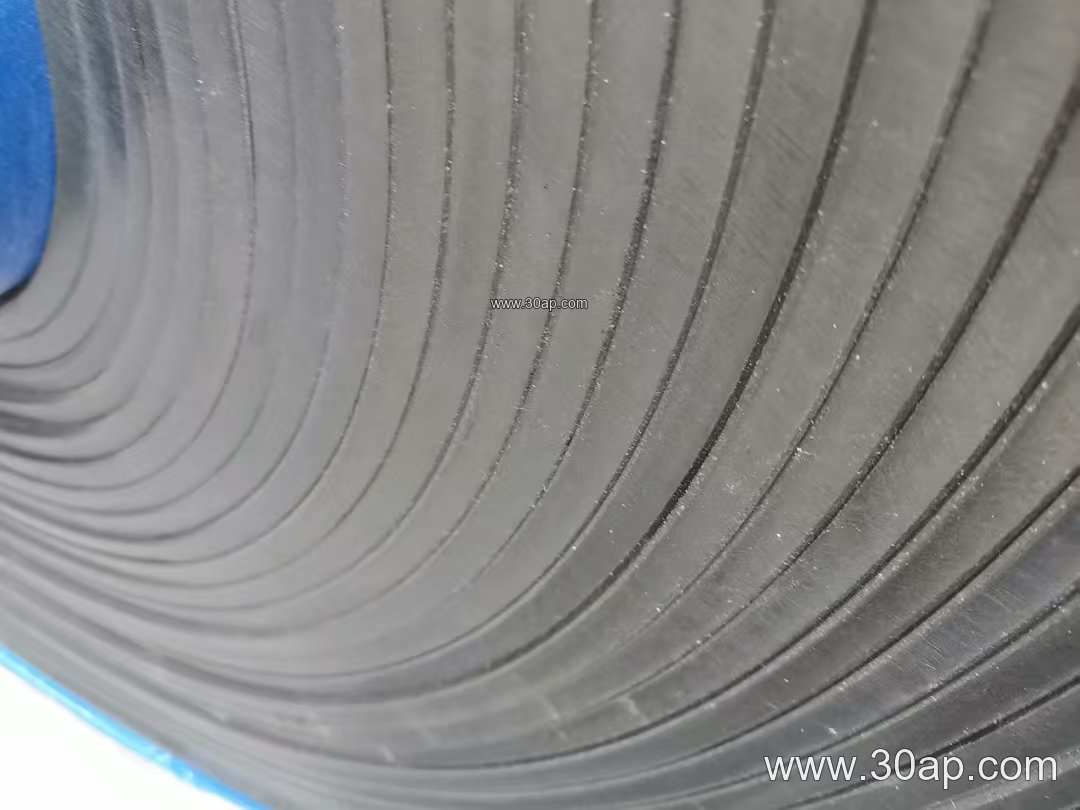
The carcass is the load-bearing element. Multiple plies of EP fabric are bonded with rubber skim compound, then covered on both faces with abrasion-resistant rubber. Because the polyester warp has low elongation and the cotton weft provides good troughability, an EP300 belt tracks well on long center distances and absorbs start-up tension without excessive stretch. That balance is why it appears in mines, cement works, power plants, ports and aggregate yards.
Construction and Common Specifications
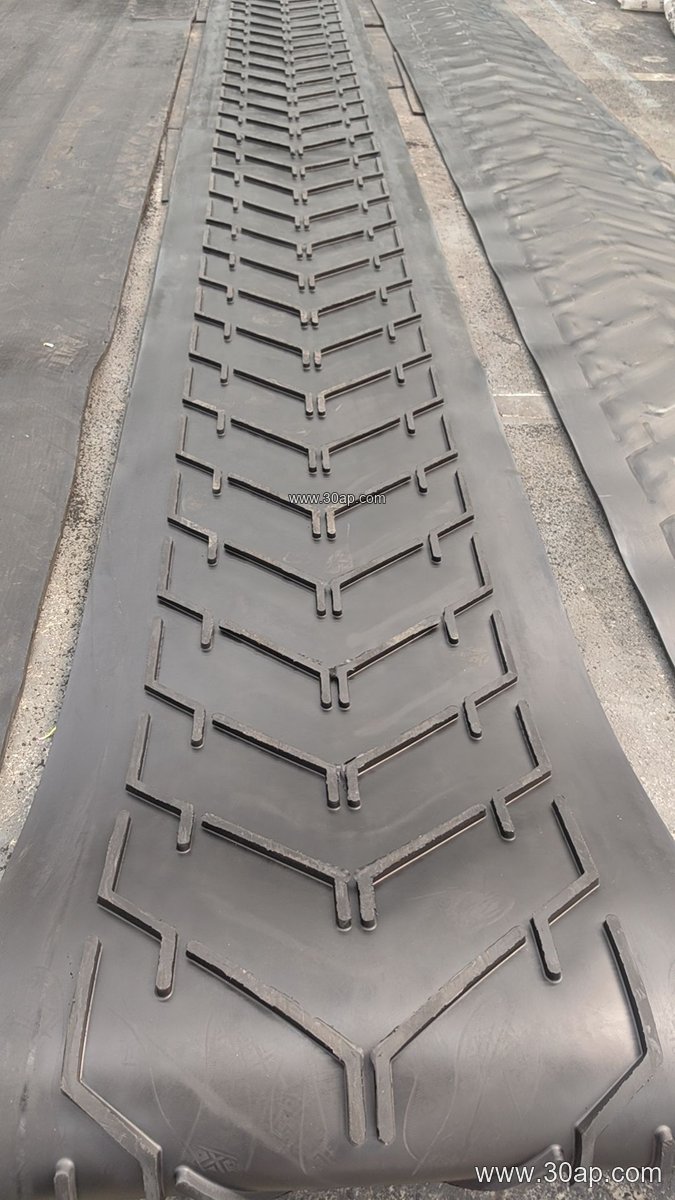
An EP300 conveyor belt is normally supplied with 2 to 6 plies depending on the required breaking strength and the pulley diameter the belt must run around. Cover rubber grades are selected for the duty: abrasion resistant for sand and stone, heat resistant near clinker or sinter, flame retardant for coal mining and underground coal mining, oil resistant for certain workshop duties, and anti-static where dust ignition is a concern. Chevron, skirted and corrugated sidewall versions are built on the same carcass when the conveyor needs to handle steep inclines or to contain material.
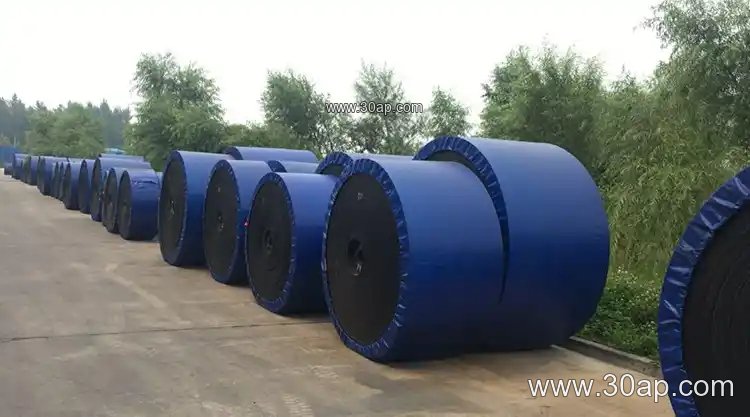
The table below lists typical reference values. These are common ranges, not fixed supply commitments, and actual construction is confirmed by design for each conveyor.
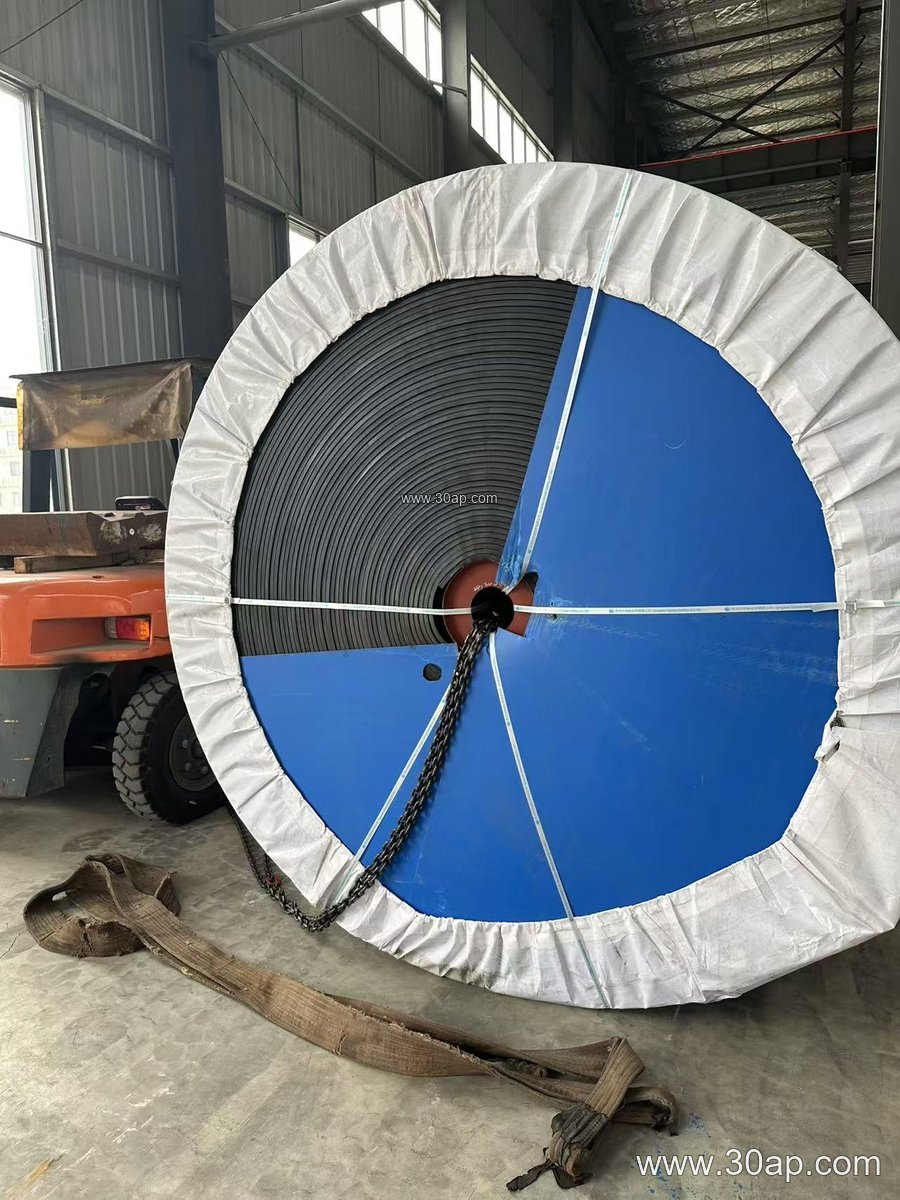
- Strength grades in the EP family: EP200, EP315, EP400, EP500, EP630, EP800, EP1000, EP1250, EP1600, EP2000
- Common belt widths: B500, B650, B800, B1000, B1200, B1400, B1600, B1800, B2000
- Cover thickness combinations: 3+1.5, 4+2, 5+2, 6+2, 8+3 mm
- Carcass plies: usually 2 to 6
For example, an EP300 belt with 4+2 mm covers on a 1000 mm or 1200 mm width is a frequent choice for primary crushing discharge, while a narrower 800 mm belt with thinner covers may serve a transfer point in a sand making plant. Belt width and pulley diameter are matched by conveyor design calculation, not by a single fixed rule, so a 1000 mm belt can run on more than one pulley size.
Where EP300 Belts Are Used
The main working environments are those with continuous, abrasive bulk material. In a quarry conveyor or aggregate conveyor, an EP300 belt carries crushed rock from the crusher conveyor to screening stations. In a cement plant it moves limestone, clinker and raw meal, sometimes with heat resistant covers. In a coal conveyor or underground mining conveyor, flame retardant and anti-static grades are specified. Power plant conveyor lines use it for coal and ash, and port conveyor systems use it on ship loading runs where long center distances favor low-elongation fabric.
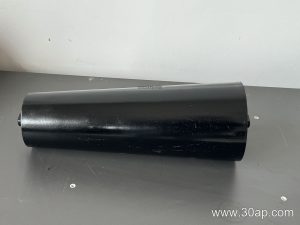
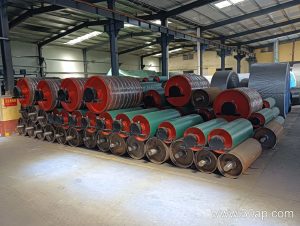
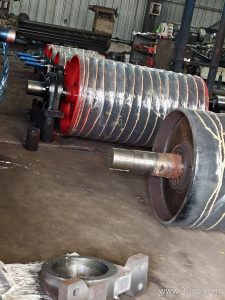
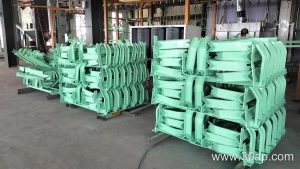
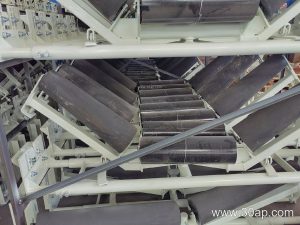
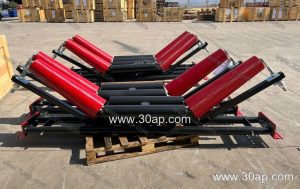
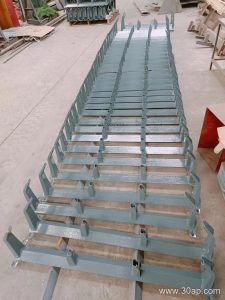
It is equally at home in iron ore, copper ore and gold mining operations, and in recycling and construction waste lines. Where the duty becomes extremely long, very high tension or shock-loaded, a steel cord conveyor belt or a higher EP grade may be considered, but that is a design comparison rather than a replacement for the EP300 belt itself. Auxiliary components such as the idler roller, conveyor pulley and conveyor bracket must be sized to the same duty, and the drive, tail and bend pulleys each perform a distinct role in the belt path.
Buyer Checklist
Before ordering, confirm the belt width, the number of plies, the full cover thickness, the rubber grade and whether the belt needs to be endless. Specify the material being carried, its lump size, temperature and moisture, plus the conveyor length, incline and pulley diameters. For steep routes, ask about a chevron conveyor belt or a corrugated sidewall design; for dusty coal work, request flame retardant and anti-static properties in writing. Discuss splice method and edge condition as well, since these affect belt life as much as the carcass grade.
During operation, check belt tracking, cover wear and splice condition at regular intervals, and keep the idler rollers turning freely. A well-matched EP300 belt, correctly installed on its pulleys and brackets, gives long, predictable service in demanding industrial duty. Related belt options such as NN conveyor belt and multi-ply fabric core constructions can be reviewed when the duty profile changes.