What a Coal Mine Belt Conveyor Pulley Does
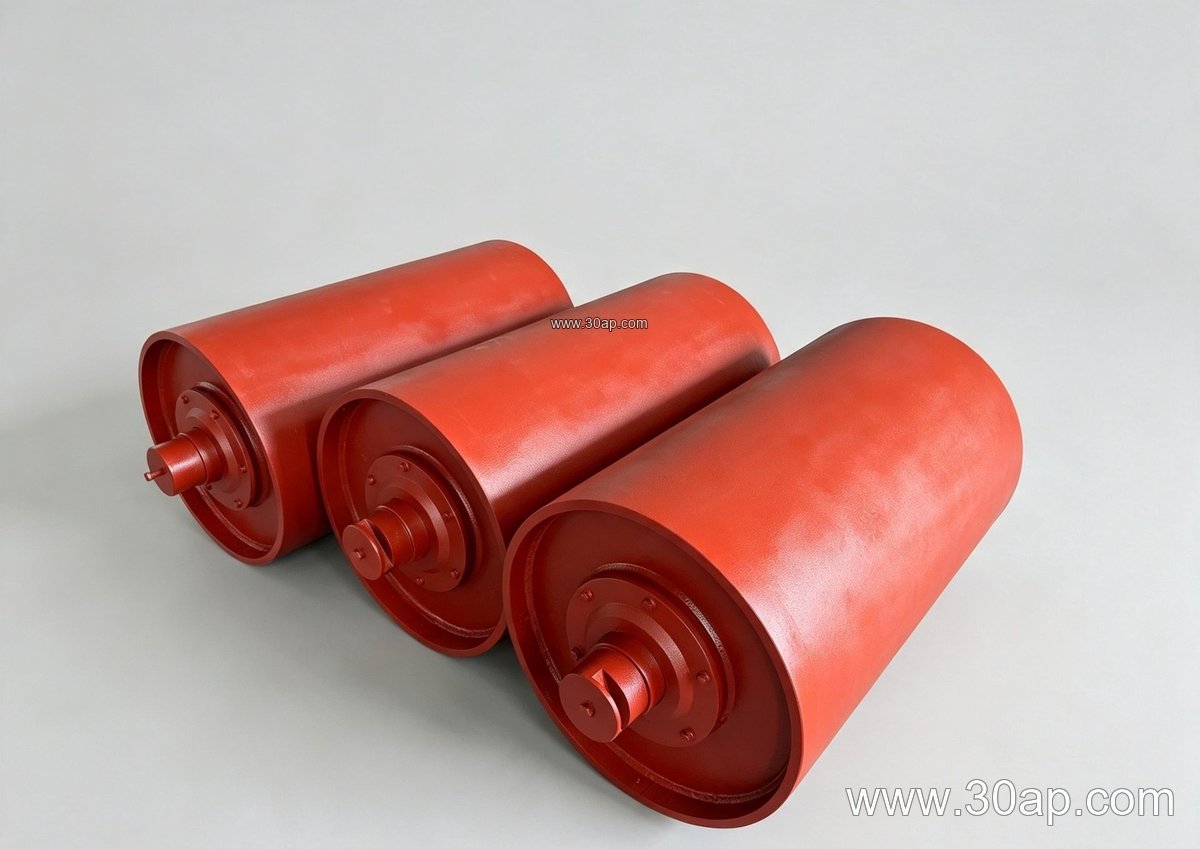
In a coal mine, a belt conveyor pulley is the rotating drum that transmits power, maintains belt tension, and changes the belt’s direction. Unlike a drive pulley, which grips the belt to move it, a tail pulley at the loading end provides tension and guidance. Bend pulleys, meanwhile, route the belt through take-up systems or around obstacles. Each subtype has a distinct role, and they are not interchangeable. The coal mine belt conveyor pulley is built to handle abrasive coal, rock dust, and often wet or muddy conditions underground or at the surface.
Construction and Key Components
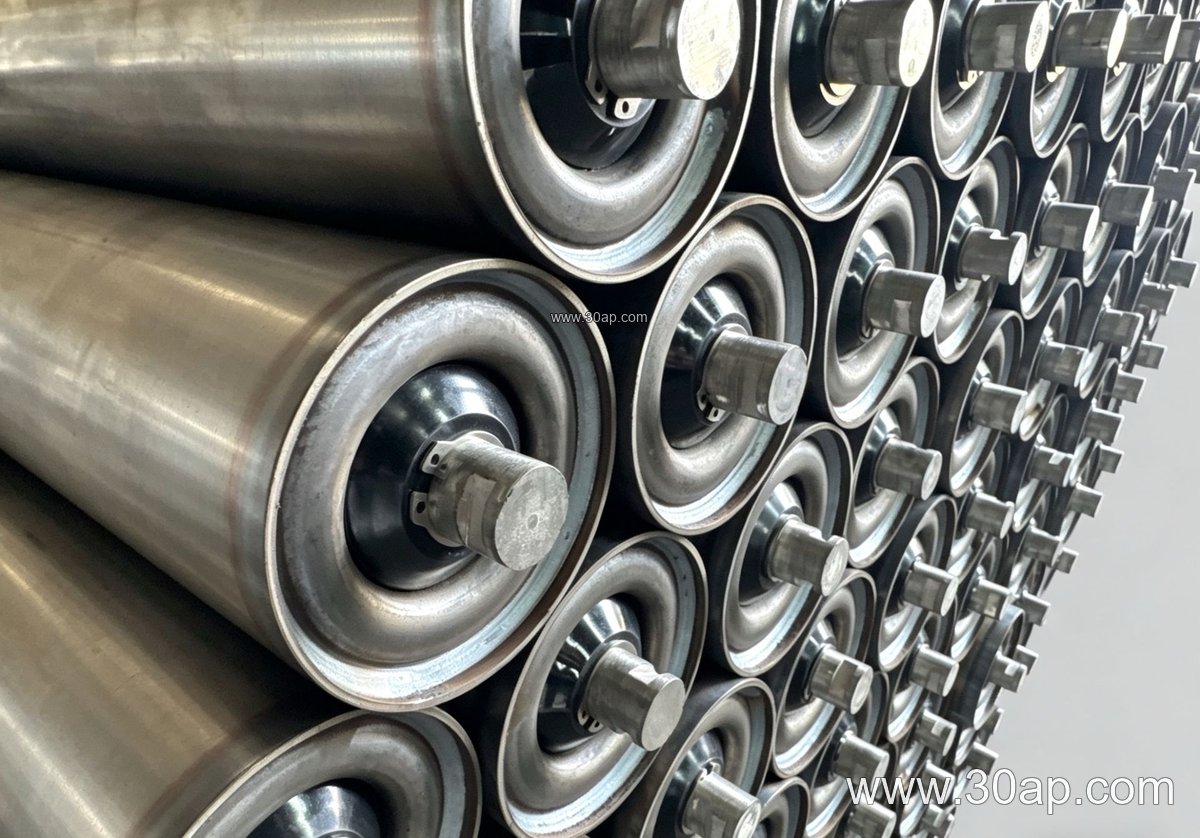
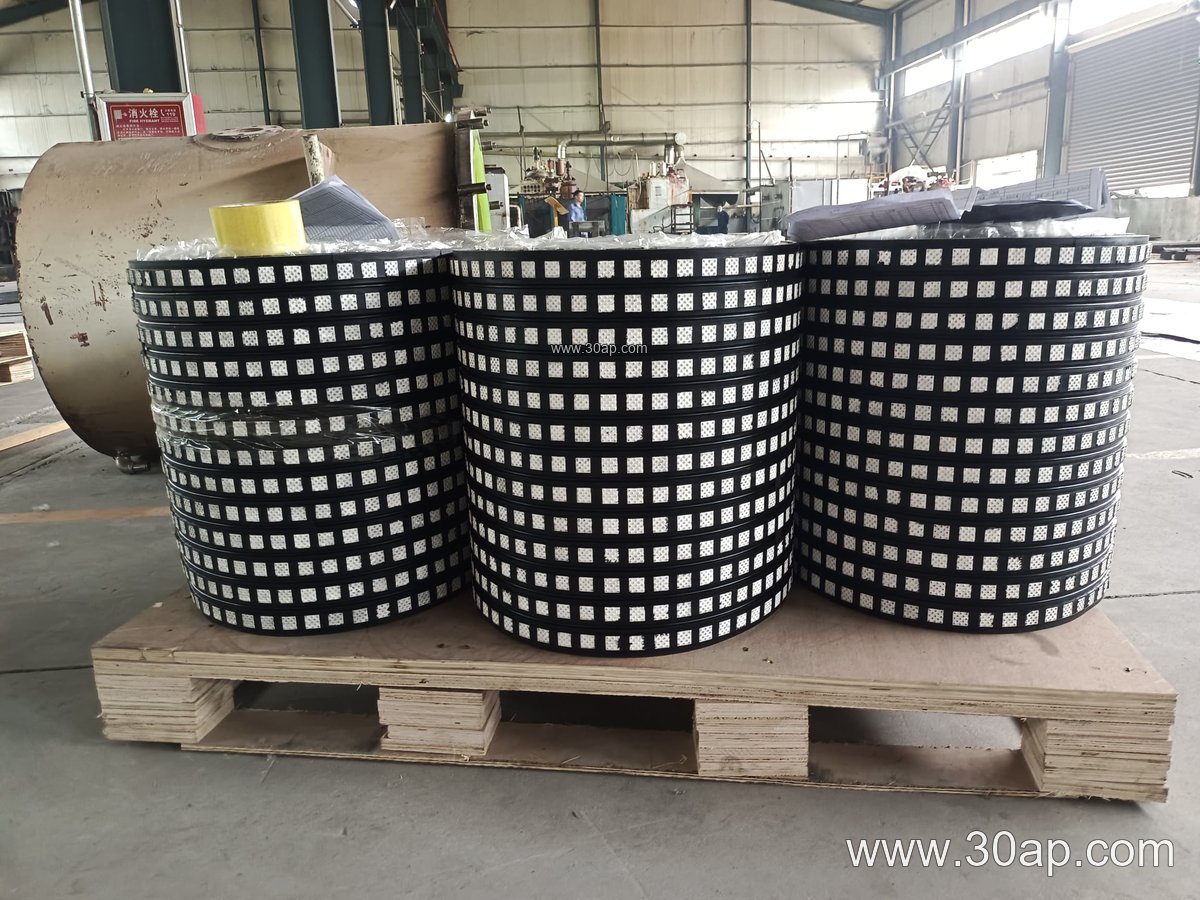
A typical coal mine belt conveyor pulley consists of a cylindrical shell, end discs, a shaft, and bearing housings. The shell is usually made from rolled steel, and the shaft is sized by torque and load rather than by belt width alone. Common shaft diameters include Ø80, Ø100, Ø120, Ø140, and Ø160 mm, but final selection depends on the conveyor’s power and tension. Surface options include plain steel, cast rubber, cold-bonded rubber, hot-vulcanized rubber, diamond grooving, and ceramic lagging. Lagging thickness often ranges from 8 mm to 20 mm, with 10 mm and 12 mm being common for underground coal mining conveyor belts.
Where It Fits in the System
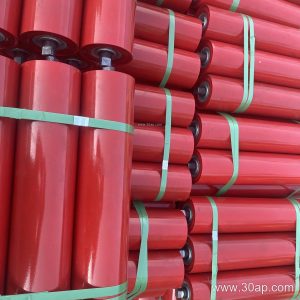
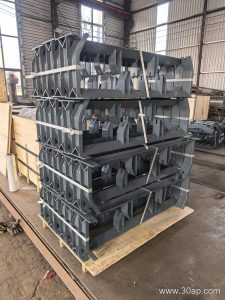
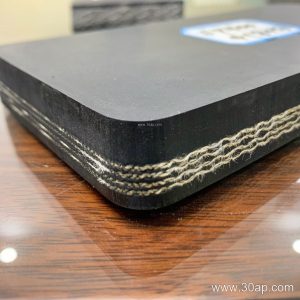
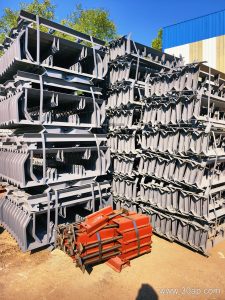
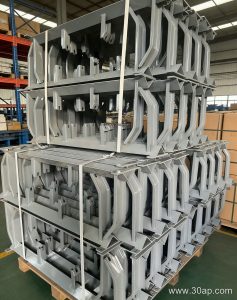
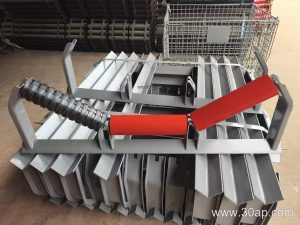
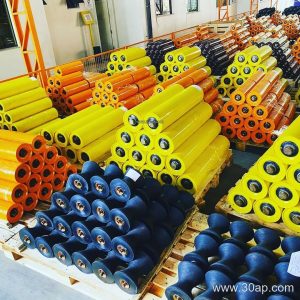
In a coal handling circuit, the pulley works together with the conveyor belt, idler roller, and conveyor bracket. For example, a drive pulley at the head end pulls a flame retardant conveyor belt loaded with coal, while a bend pulley redirects the return strand. In a wash plant or a power plant coal yard, the same pulley must resist fine coal dust and occasional water. The table below shows common pulley face widths relative to belt width, but these are reference figures, not fixed rules.
| Belt Width | Typical Pulley Face Width |
|---|---|
| B650 | 750 mm |
| B800 | 950 mm |
| B1000 | 1150 mm |
| B1200 | 1400 mm |
| B1400 | 1600 mm |
Diameter selection is separate. A B800 conveyor might use a Ø500 pulley in one layout and a Ø630 pulley in another, depending on belt speed, wrap angle, and available space. You may also see combinations like B1200 × Ø1000 or B1400 × Ø800, but no single diameter is mandatory for a given belt width.
Buying Considerations for Coal Mine Duty
When specifying a coal mine belt conveyor pulley, focus on the actual load and environment. Underground coal mining conveyor belts often require flame retardant and anti-static properties, and the pulley lagging should resist abrasion without generating static. In a quarry or aggregate line, a high abrasion resistant conveyor belt may run alongside a pulley with ceramic lagging. For a copper ore or iron ore operation, heavier lumps increase impact, so a larger shaft and thicker lagging may be needed. Ask for the pulley’s dynamic balance grade, bearing type, and sealing arrangement. Also confirm whether the pulley is a drive, tail, or bend unit, because the design and connection details differ. Delivery and installation should follow the conveyor manufacturer’s alignment instructions to avoid belt tracking problems.
Maintenance and Compatibility
Routine checks on the pulley include lagging wear, bearing temperature, and shaft key condition. A worn lagging can cause slip, especially when the conveyor belt is wet or coated with fine coal. Replace lagging before the shell is exposed. Keep the pulley aligned with the idler roller frames and conveyor bracket to prevent edge damage. In coal preparation plants and power plant coal handling, a pulley that runs cool and true helps extend the life of the entire belt system. For extreme cold, a cold resistant conveyor belt may be paired with a pulley that has low-temperature rubber lagging. Always match the pulley’s load rating to the belt’s tension and the conveyor’s starting torque.