What a Vertical Idler Bracket Does
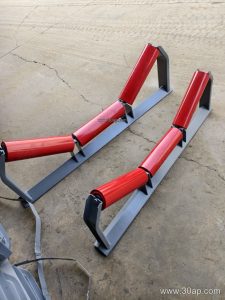
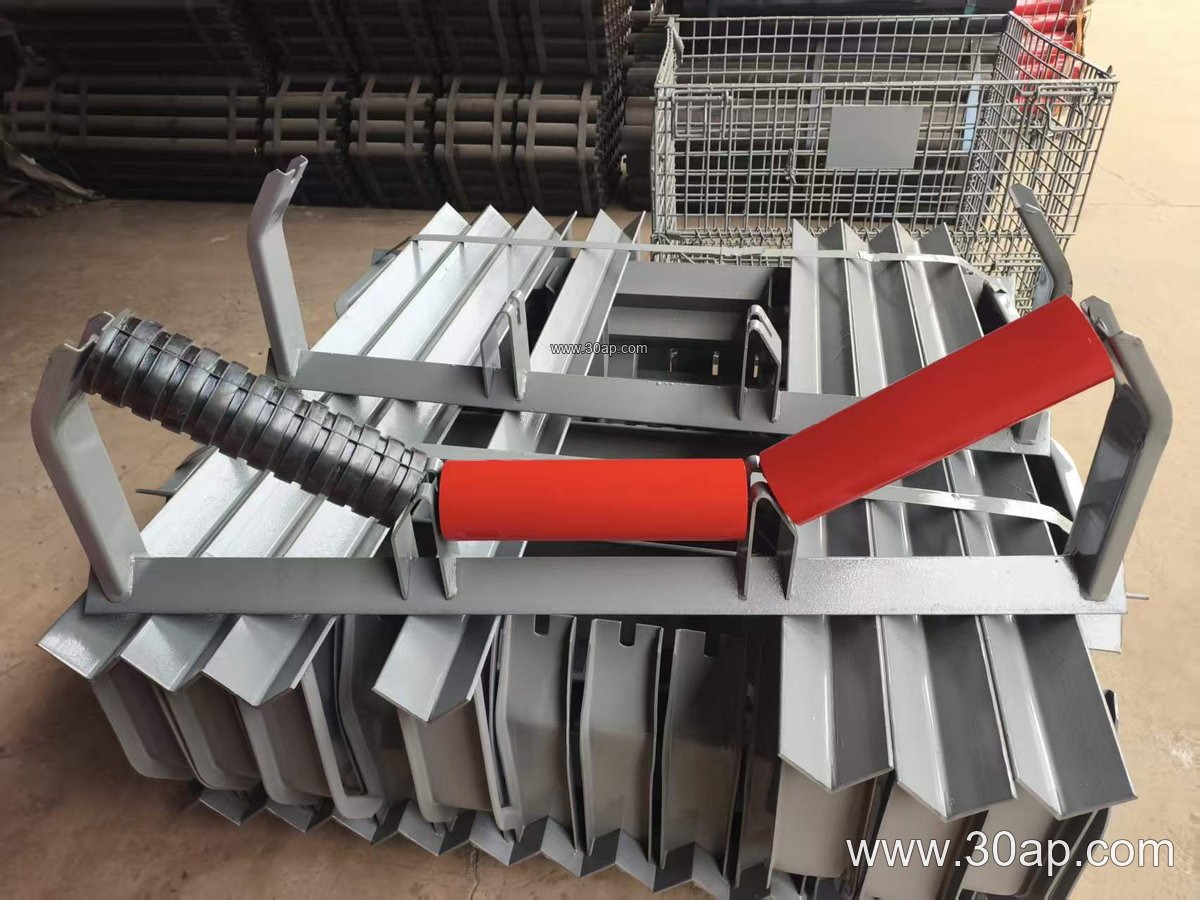
A vertical idler bracket is a mounting component that holds idler rollers in a vertical or near-vertical orientation on a conveyor. Unlike the more common troughing brackets that shape the belt into a trough, this bracket is used where the belt must be guided along a vertical path or where space constraints call for a compact idler arrangement. It is often found in vertical curves, transfer points, and areas where the conveyor belt changes elevation sharply. The bracket ensures that the idler roller stays firmly in place, maintaining proper belt support and alignment.
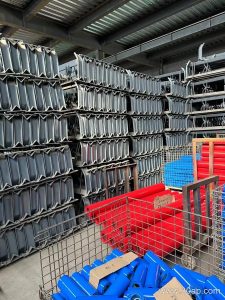
In industries such as mining, coal preparation, and aggregate handling, vertical idler brackets help manage belt tension and prevent material spillage in challenging geometries. They are typically fabricated from angle steel, channel steel, or bent steel plate to withstand heavy loads and harsh conditions.
Construction and Key Features
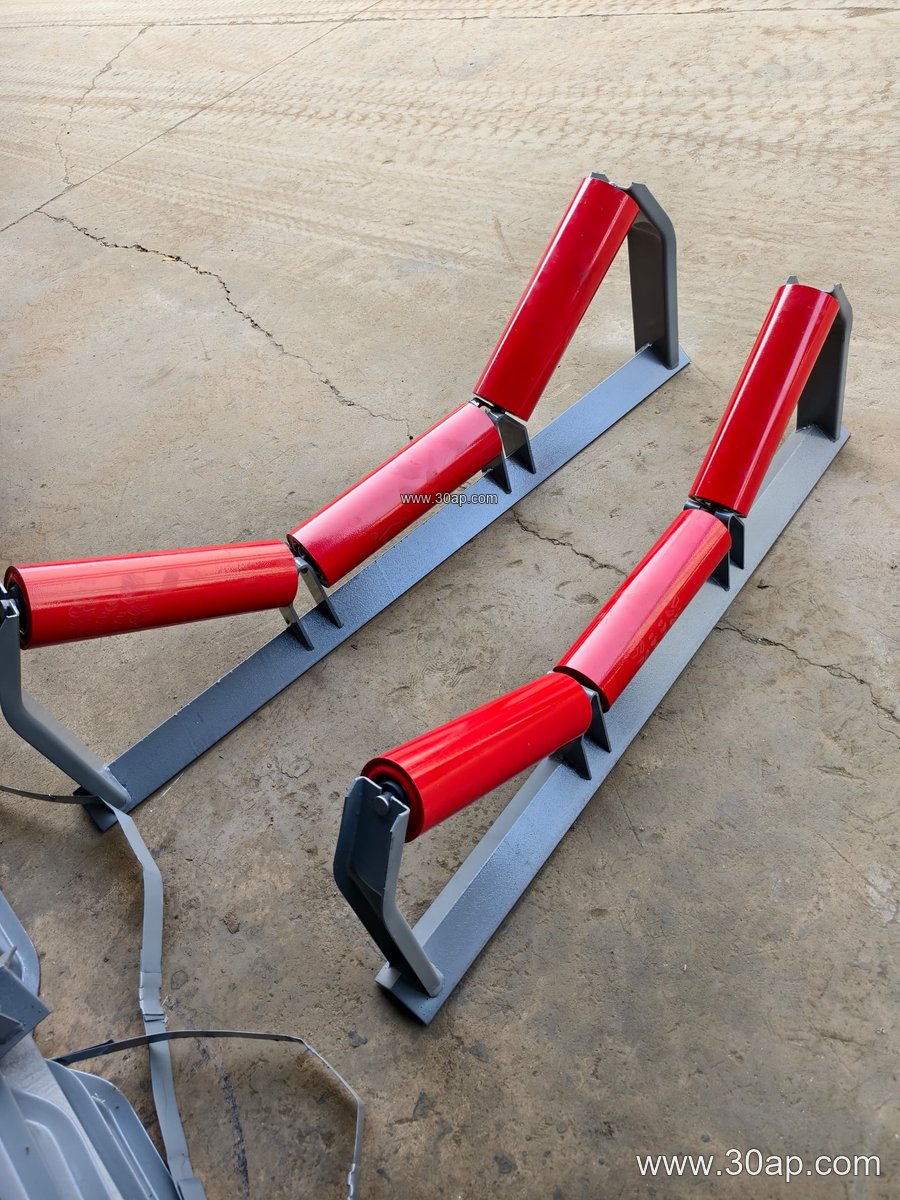
A typical vertical idler bracket consists of a sturdy frame with mounting holes that align with the conveyor structure. The design may include adjustable slots to accommodate different idler roller diameters or to fine-tune the belt position. Common materials include galvanized steel or painted carbon steel for corrosion resistance. The bracket is engineered to hold the idler securely while allowing for easy installation and maintenance.
Some vertical brackets are designed with a slight forward tilt (often around 1.5 to 2 degrees) to assist belt tracking, similar to forward-tilted idler brackets used in troughing applications. However, the vertical orientation is the defining characteristic. The bracket must be robust enough to handle the load of the belt and material, especially in high-capacity operations.
Where It Is Used
Vertical idler brackets are common in applications where the conveyor belt runs vertically or at a steep incline. For example, in underground mining, they support the belt in vertical curves to navigate around obstacles. In port facilities, they help guide the belt through ship loading systems. The bracket is also used in crushing and screening plants to maintain belt alignment after steep drops.
These brackets are often paired with various conveyor belt types, such as abrasion resistant conveyor belt or flame retardant conveyor belt, depending on the environment. In coal mining, fire resistant conveyor belt is essential, and the vertical bracket must be compatible with the idler rollers used in such demanding conditions.
Selection and Sizing Considerations
When selecting a vertical idler bracket, buyers should consider the belt width, idler roller diameter, and the required vertical angle. Common belt widths range from B500 to B2200, and idler diameters typically include Ø89, Ø108, Ø133, Ø159, and Ø194. The bracket’s mounting hole spacing and crossbeam length are determined by the belt width and the specific conveyor design, so these dimensions are not fixed.
For instance, a system with a B800 belt and Ø108 idlers might use a bracket with a certain mounting pattern, while a B1200 belt with Ø133 idlers would require a different configuration. Adjustable brackets can accommodate a range of idler sizes, providing flexibility. It is important to match the bracket’s load capacity to the application; heavy-duty mining conveyor belt systems may require reinforced brackets.
Common Reference Data for Vertical Idler Brackets
| Parameter | Typical Range |
|---|---|
| Belt width | B500 to B2200 |
| Idler diameter | Ø89 to Ø194 |
| Material | Angle steel, channel steel, bent steel plate |
| Mounting | Bolted or welded, with adjustable slots available |
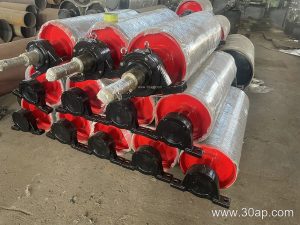
These values are for reference and should be confirmed with the conveyor design. The bracket must also be compatible with the conveyor pulley arrangement, including drive pulley and tail pulley, to ensure smooth operation.
Installation and Maintenance Tips
Proper installation of a vertical idler bracket is critical for belt tracking and longevity. The bracket should be aligned squarely with the conveyor frame, and mounting bolts should be tightened to the recommended torque. Regular inspections help identify wear or loosening, especially in high-vibration environments like crusher discharge points.
Lubrication of idler bearings and checking for belt misalignment are part of routine maintenance. If the bracket is adjustable, periodic verification of the settings ensures consistent performance. In dusty conditions, such as cement plants or quarry sites, cleaning around the bracket prevents material buildup that could affect idler rotation.
For more information on conveyor components, visit our website at www.example.com/conveyor-bracket or www.example.com/vertical-idler. Our range includes conveyor bracket solutions for various industrial needs.