What a Long-Distance Conveyor Idler Does on an Extended Run
A long-distance conveyor idler is the rotating support that carries a loaded conveyor belt across kilometers of route, not just a few meters between a drive pulley and a tail pulley. On extended overland systems, the idler roller becomes a structural and maintenance factor in its own right, because every meter of belt is supported by a series of rollers whose alignment, rolling resistance and sealing quality affect the whole installation. A single three-roll troughing set may look ordinary, but repeated thousands of times along a long route, it determines how much power the drive must deliver and how often crews must walk the line.
This article looks at how these long-distance conveyor idlers are built, which dimensions matter, where they are used, and what a buyer should check before ordering. For broader component sourcing, see www.bulkconveyorparts.com for related belt, pulley and bracket options.
Construction Details That Matter on Long Routes
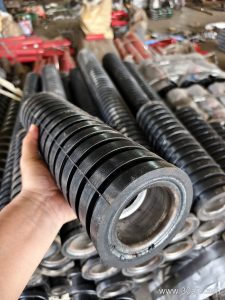
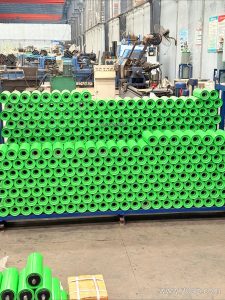
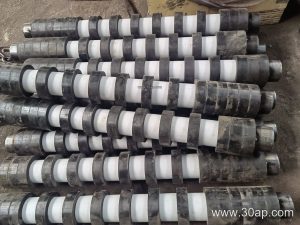
The typical long-distance conveyor idler consists of a steel tube shell, a shaft, sealed bearings at each end, and a bearing housing pressed into the tube. Roller surfaces may be plain steel, nylon, ceramic or rubber rings, depending on whether the priority is low friction, abrasion protection or impact cushioning. On long overland lines, the shell wall thickness and the bearing seal design often carry more weight in the purchase decision than the external diameter alone.
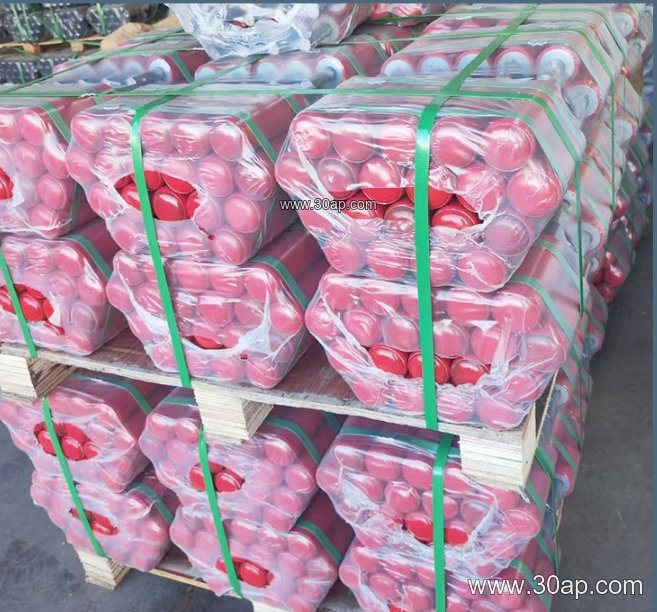
- Shell: steel tube is standard; nylon or ceramic covers are selected where sticky or highly abrasive material builds up.
- Bearing: common sizes include 6204, 6205, 6305, 6306, 6308 and 6310; the correct bearing depends on load, speed and roller diameter, not on belt width alone.
- Seal: labyrinth or multi-stage seals are usual for dusty quarry and coal routes.
- Shaft: fixed by the bracket design and calculated load, never guessed from belt width.
Because a long-distance conveyor idler runs continuously, seal friction and grease retention have a direct effect on energy use. A poorly sealed roller on a 5 km line can multiply into a measurable power penalty across the whole drive train.
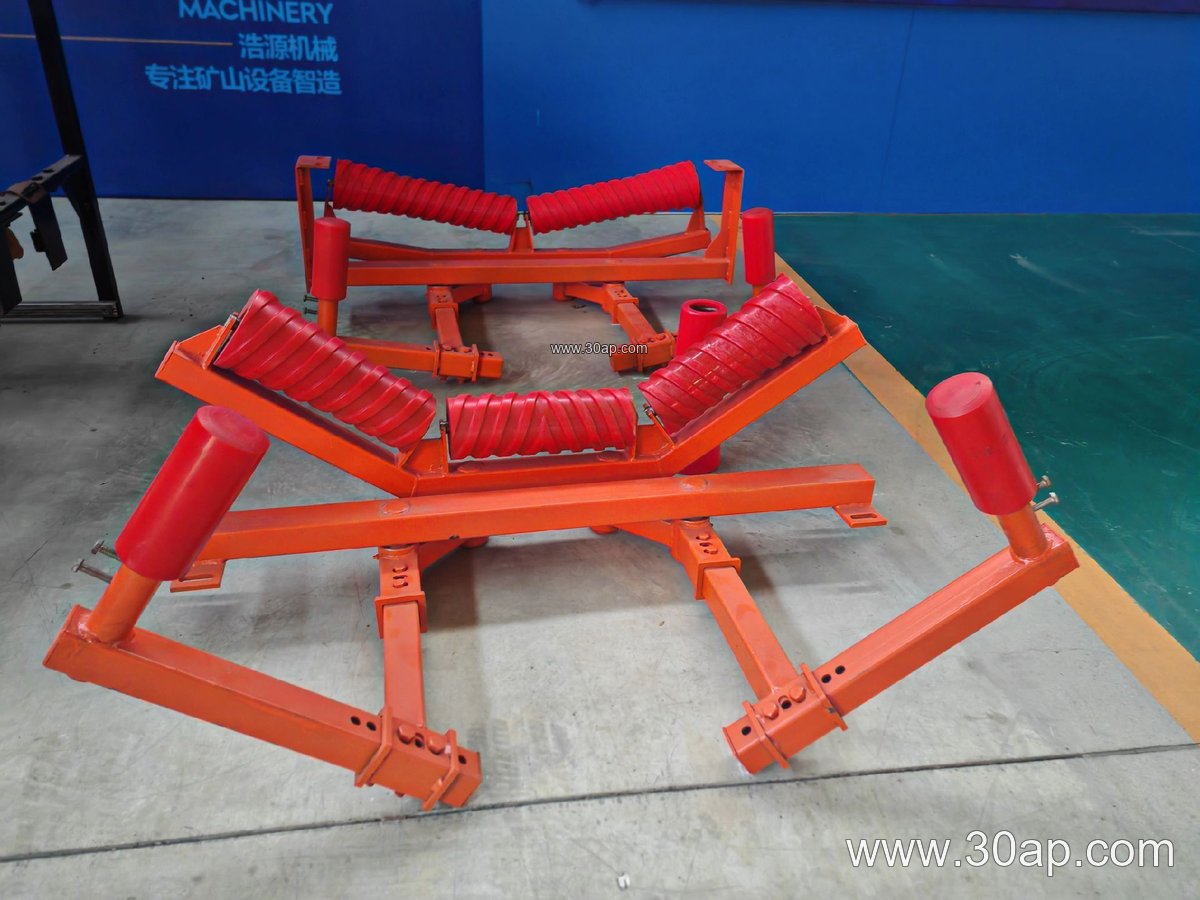
Common Roller Diameters and Belt Width References
Roller diameter is usually chosen from belt speed, load per meter and the allowable sag between idler stations. The values below are common reference points, not fixed rules, and side rollers may differ from center rollers in a troughing set.
| Reference Item | Common Values |
|---|---|
| Idler diameter | Ø63, Ø76, Ø89, Ø102, Ø108, Ø127, Ø133, Ø159, Ø178, Ø194, Ø219 mm |
| Belt width | B400, B500, B650, B800, B1000, B1200, B1400, B1600, B1800, B2000, B2200, B2400 |
| Trough angle | 20°, 30°, 35°, 45° |
| Roller length examples for three-roll sets | about 200 mm at B500, 250 mm at B650, 315 mm at B800, 380 mm at B1000, 465 mm at B1200, 530 mm at B1400, 600 mm at B1600, 670 mm at B1800, 750 mm at B2000 |
These figures are design references. A 1200 mm wide conveyor belt does not automatically dictate one pulley diameter or one shaft size, and a Ø127 mm roller is not reserved for a single belt width.
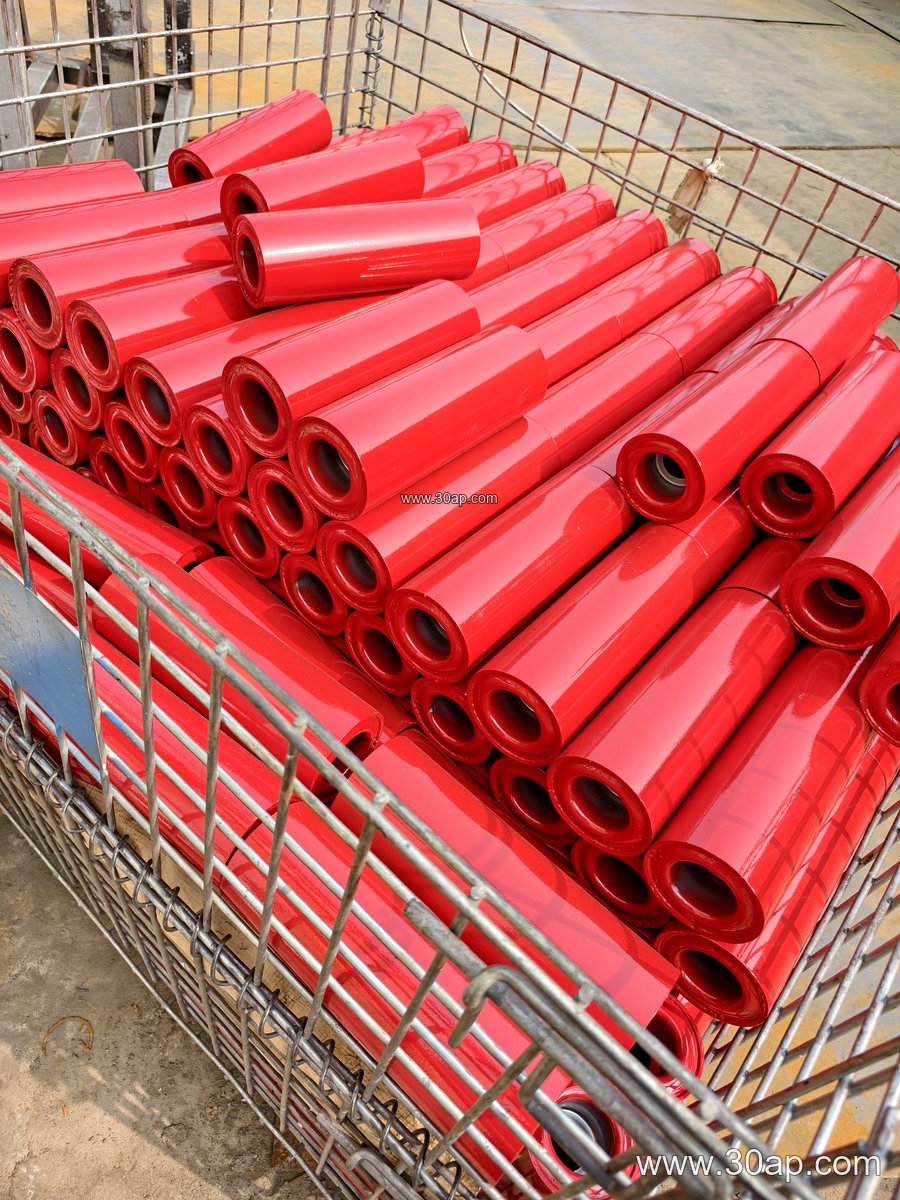
Where Long-Distance Conveyor Idlers Are Used
Extended conveying routes appear in open-pit iron ore and copper ore operations, where ore travels from the pit edge to the processing plant, and in port ship-loading systems where bulk material moves several kilometers along the quay. In both settings, the roller set must tolerate dust, moisture and continuous duty. A limestone quarry or cement plant may use the same idler concept on a shorter overland section, while a coal mining conveyor belt route underground demands flame retardant and anti-static properties from the belt, with matching attention to roller seal quality.
Where the belt itself is a steel cord conveyor belt or a heavy-duty EP conveyor belt, the idler spacing and roller load rating are usually adjusted to the higher tension and weight. On routes carrying hot clinker or sinter, heat resistant conveyor belt grades are paired with rollers that can tolerate thermal expansion without seizing.
Buyer Checklist Before Ordering
Purchasing a long-distance conveyor idler is mostly a matter of matching the roller to the route rather than picking the cheapest tube. Useful checks include:
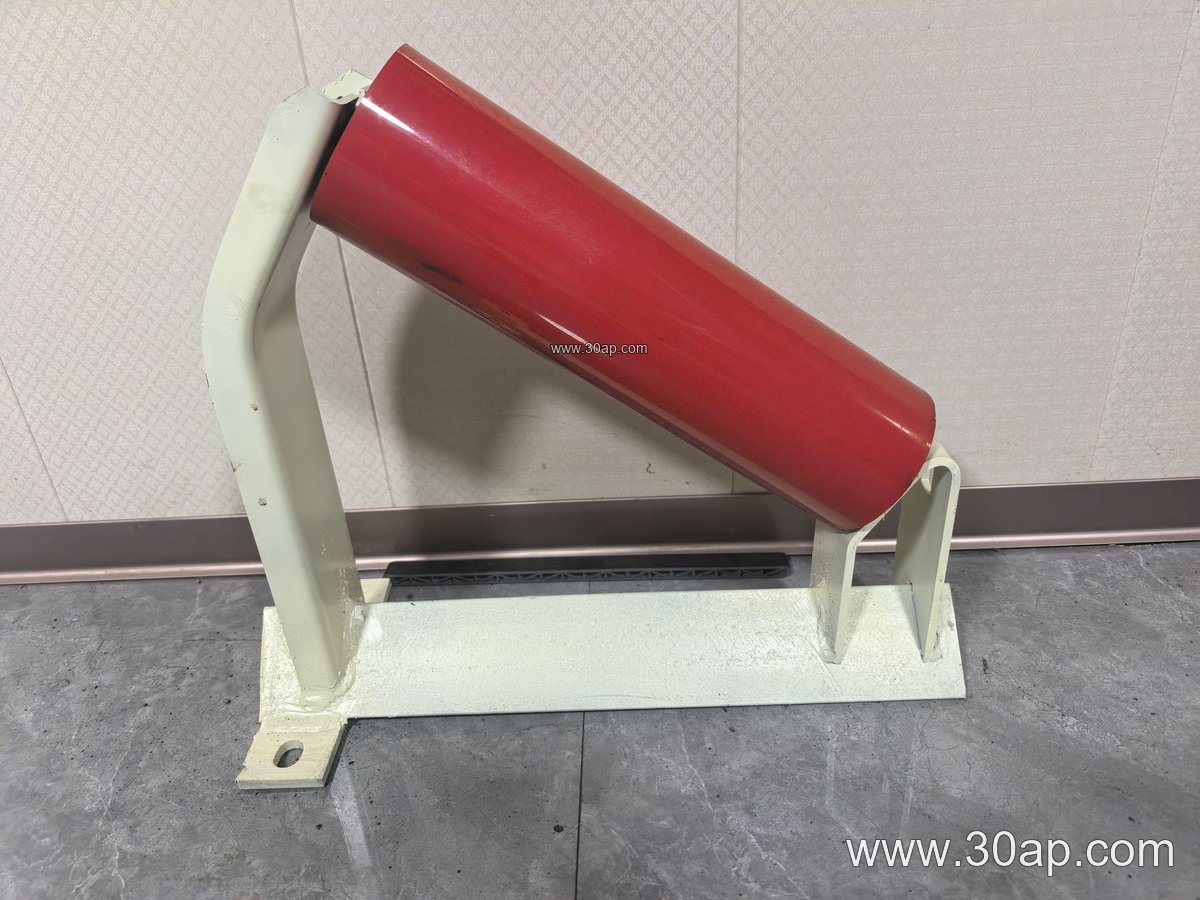
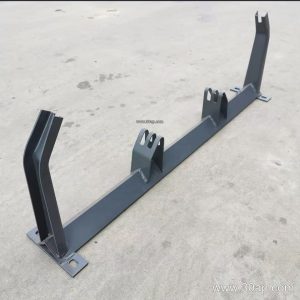
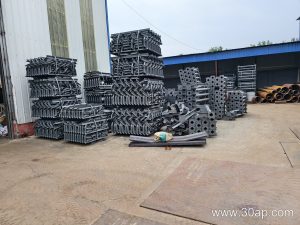
- Confirm the trough angle and roller set form (single, two-roll or three-roll) against the existing conveyor bracket layout.
- State the belt width and the intended roller length separately; do not assume one defines the other.
- Specify the material being carried — abrasive rock, wet coal, cement powder or hot material — so the shell and seal can be selected properly.
- Ask for the bearing size and seal type in writing, and keep spare rollers from the same batch for long routes.
- Review alignment and training provisions; a slight misalignment over 3 km can wear a belt edge long before the roller itself fails.
For matched conveyor components, including the conveyor pulley, idler roller and conveyor bracket families, www.bulkconveyorparts.com lists reference dimensions that help confirm fit before a long-distance order is placed.
Maintenance Notes for Extended Installations
On a long route, inspection is usually organized by section rather than by individual roller. Crews check for frozen rollers, worn shells, missing end caps and material build-up around the bracket. Replacing a failed long-distance conveyor idler early prevents belt tracking problems from spreading to neighboring sets. Keeping a small stock of common diameters and bearing sizes on site shortens downtime, especially at transfer points where impact loads are highest.
Because the roller is a low-cost part compared with the belt and the drive, the practical rule is simple: spend the effort on correct selection and sealing, then let routine inspection protect the investment across the full length of the route.