Understanding Conveyor Pulley Core Functions
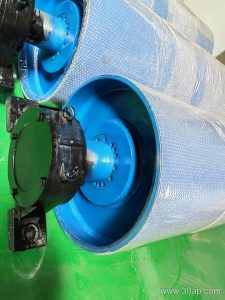
The conveyor pulley is the critical drive and return component that transmits tension and changes belt direction across any bulk handling system. Its design directly impacts belt tracking, load support, and operational uptime.
Key Factors in Conveyor Pulley Selection
- Shell thickness and lagging: Specify rubber lagging for drive pulleys to increase friction, and ceramic lagging for high-slip or wet applications.
- Shaft and bearing sizing: Calculate for maximum belt tension, not average load, to avoid premature fatigue.
- Bearing housing type: Choose pillow-block or take-up frames that match your maintenance access and misalignment tolerance.
- Crown or flat face: Crowned pulleys assist belt centering on return side; flat faces suit heavily loaded belt or wing-type pulleys.
- Material and coating: Use stainless or epoxy-coated pulleys for corrosive or food-grade environments.
Purchasing Advice for Industrial Buyers
Always request the pulley’s rated belt speed, allowable shaft deflection (typically under 0.5°), and dynamic balancing grade (ISO G16 or better). Verify that the hub and locking element fit your existing shaft keyway or specify a custom bore. For new systems, purchase a spare conveyor pulley for your critical drive position to minimize downtime – stock the matching lagging and fasteners.
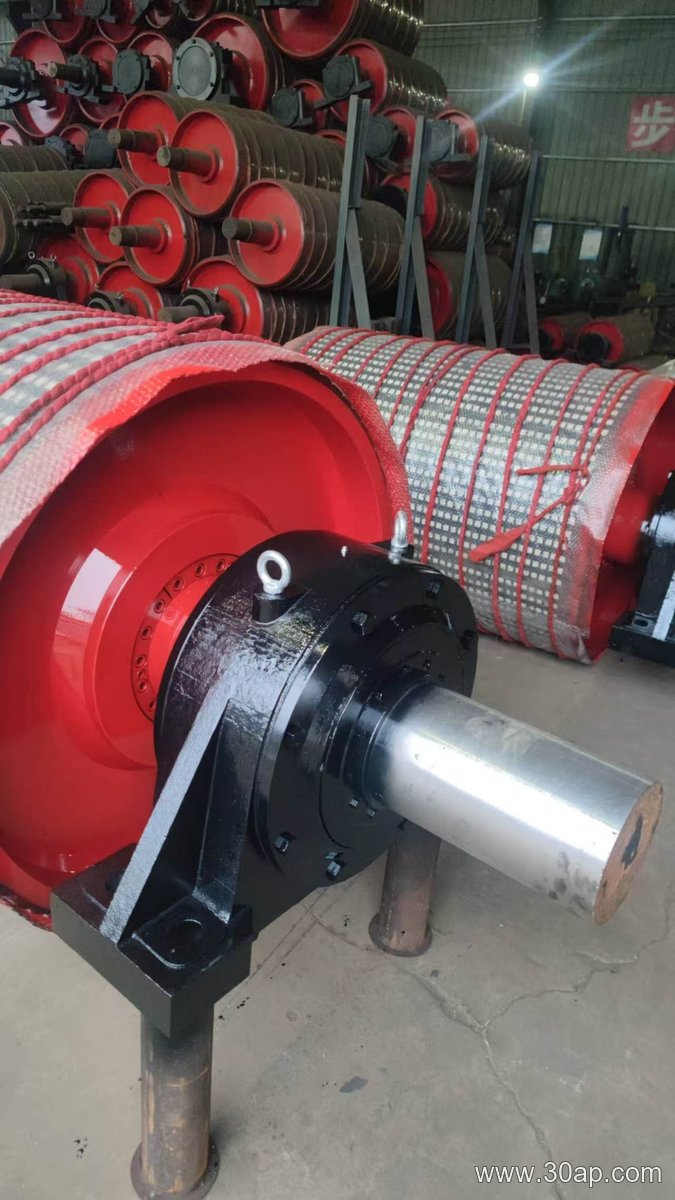
Finally, audit your conveyor’s take-up travel range; an undersized pulley diameter often causes excessive belt flex and early carcass cracking. When in doubt, consult the pulley manufacturer with your belt width, speed, and maximum working tension figures.
Why the Conveyor Bracket Matters More Than You Think
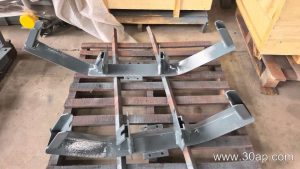
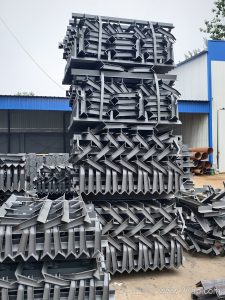
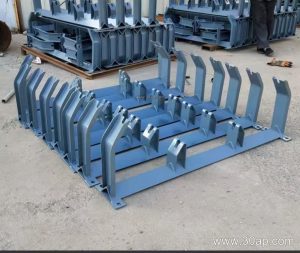
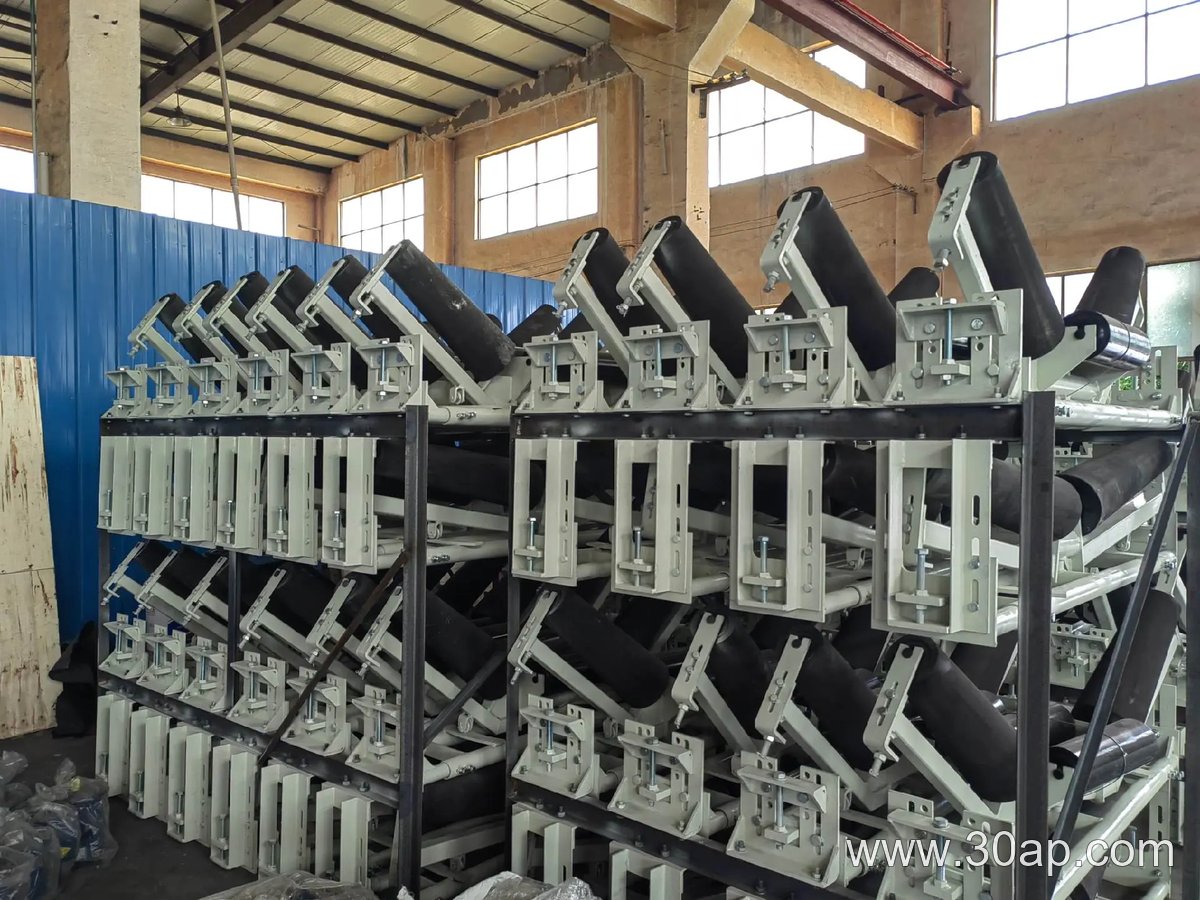
The conveyor bracket is the unsung structural link that aligns idlers, absorbs vibration, and maintains belt tracking under heavy loads. A poorly chosen bracket causes misalignment, premature belt wear, and costly downtime.
Key Selection Criteria
- Material grade: Choose galvanized steel for corrosive environments, stainless for food or chemical lines, and powder-coated carbon steel for general duty.
- Adjustability: Slotted or multi-position brackets allow fine-tuning of idler height and angle without re-drilling.
- Load rating: Confirm the bracket’s static and dynamic capacity exceeds your peak belt tension and impact load by at least 25%.
- Mounting compatibility: Verify bolt patterns and slot widths against your existing stringer or support frame.
Purchasing Advice for Industrial Buyers
Order samples before bulk purchase and test them under real load. Demand certified weld quality and dimensional tolerance reports. Prefer suppliers who offer retrofit kits and spare bolts—saving you weeks of lead time. Also, measure the distance between idler frames: standard centers are 1.2 m or 1.5 m, but custom spacings require custom brackets. Finally, stock a small buffer of identical brackets for emergency replacements, because production stoppage costs far exceed component price.
Why the Conveyor Belt Is the Backbone of Material Flow
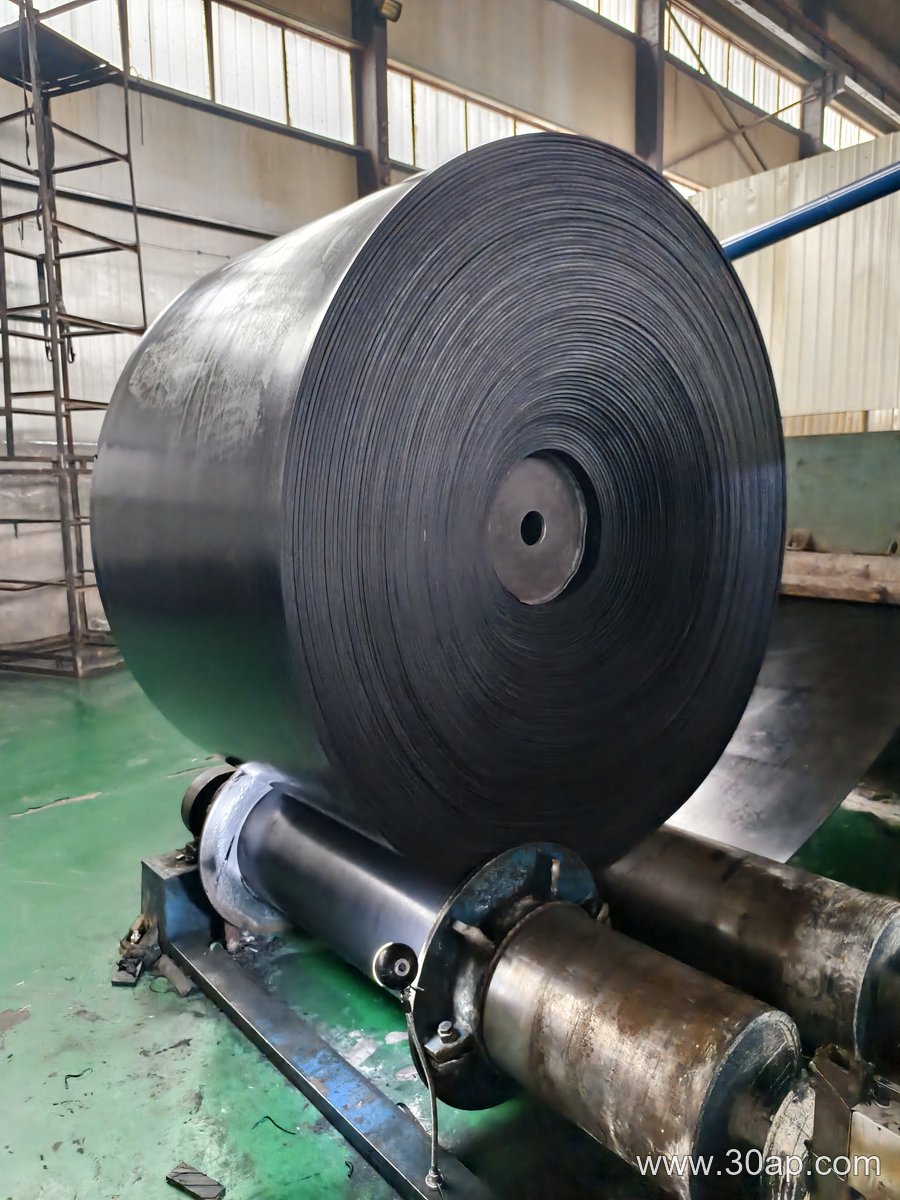
The conveyor belt is not an accessory—it is the moving foundation of any bulk handling or assembly line. Its tensile strength, surface friction, and joint quality determine uptime and maintenance costs. Selecting the wrong belt can halt production within weeks.
Key Selection Criteria
- Material compatibility: For abrasive ores, use rubber with high abrasion resistance; for food, opt for FDA-grade PU or silicone.
- Tension and load: Check carcass fabric (polyester, nylon, or aramid) against maximum belt stress and troughing angle.
- Environment: Heat, oil, or chemicals demand specialized covers (e.g., chlorobutyl for heat up to 180°C).
Purchasing Advice
Always request splice samples and test them under real load. Measure belt thickness and cover gauge—thicker covers extend life but reduce flexibility. Compare total cost of ownership: energy consumption, splice kit cost, and expected service life. Work with a supplier that offers on-site vulcanizing and 24/7 spare joint kits.
Understanding the Idle Roller’s Core Role
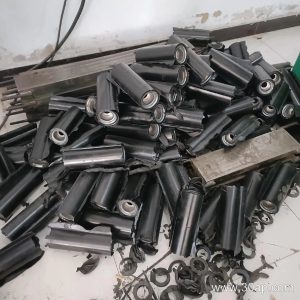
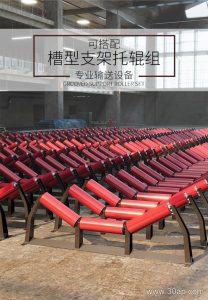
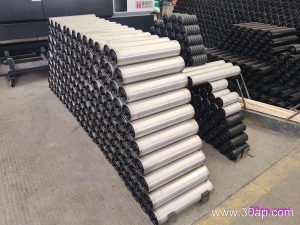
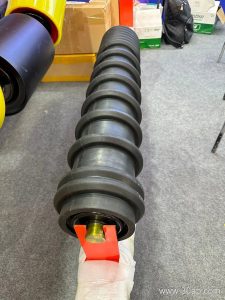
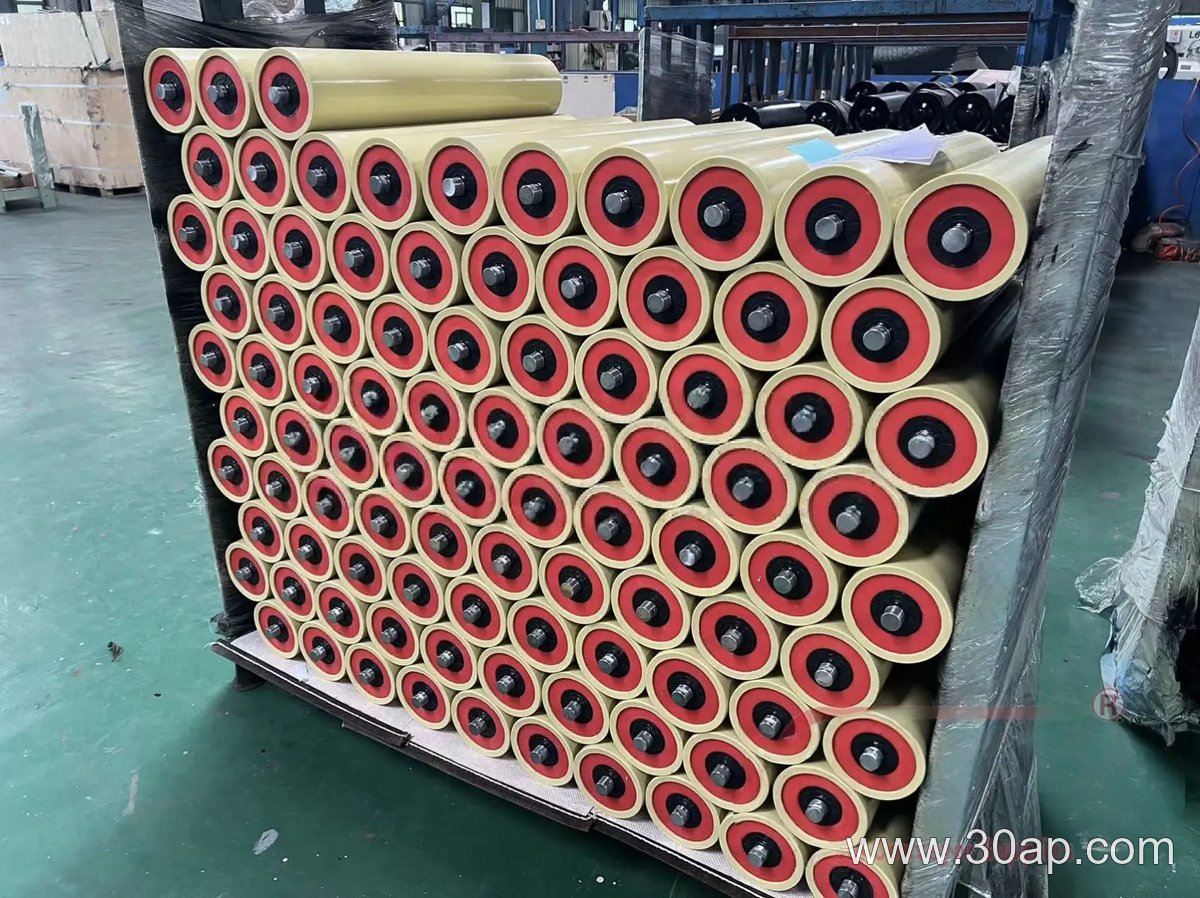
The idler roller is the unsung workhorse of conveyor systems, providing critical support and alignment for belts under varying loads. Without properly specified idlers, friction rises, belts drift, and operational costs spiral.
Key Performance Factors
- Load rating: Match dynamic capacity to peak material weight, not average flow.
- Seal quality: Choose labyrinth or contact seals based on dust and moisture exposure.
- Shell thickness and diameter: Heavier shells resist impact but increase rotating mass—balance for speed.
Material and Surface Choices
Steel idlers suit abrasive bulk goods, while rubber-coated rollers reduce noise and protect fragile items. For corrosive or washdown environments, opt for stainless or polymer shells.
Purchasing and Maintenance Advice
Specify true runout below 0.5 mm to prevent belt tracking issues. Verify bearing clearance (C3 or C4) for thermal expansion. Always stock spare rollers with identical shaft and frame dimensions—non-standard retrofit costs outweigh upfront savings.
Inspect idler rotation weekly using a tachometer; seized rollers increase belt drag by up to 15%. Lubricate per manufacturer intervals, and replace any roller with visible shell wear exceeding 1.5 mm depth. A well-chosen idler roller delivers 50,000+ service hours when paired with correct tensioning.