What an Acid Resistant Conveyor Belt Is
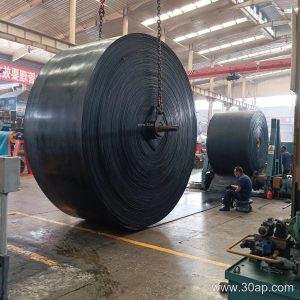
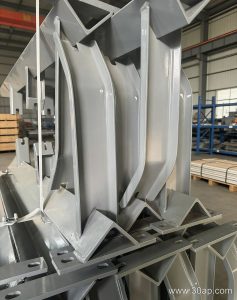
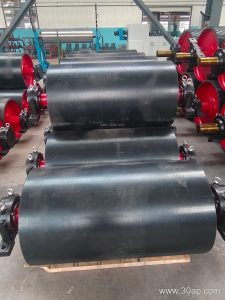
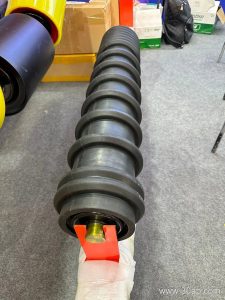
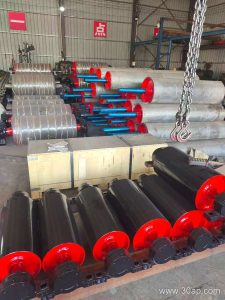
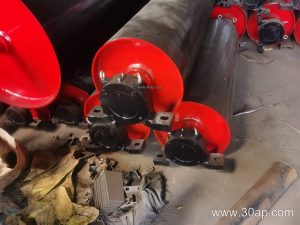
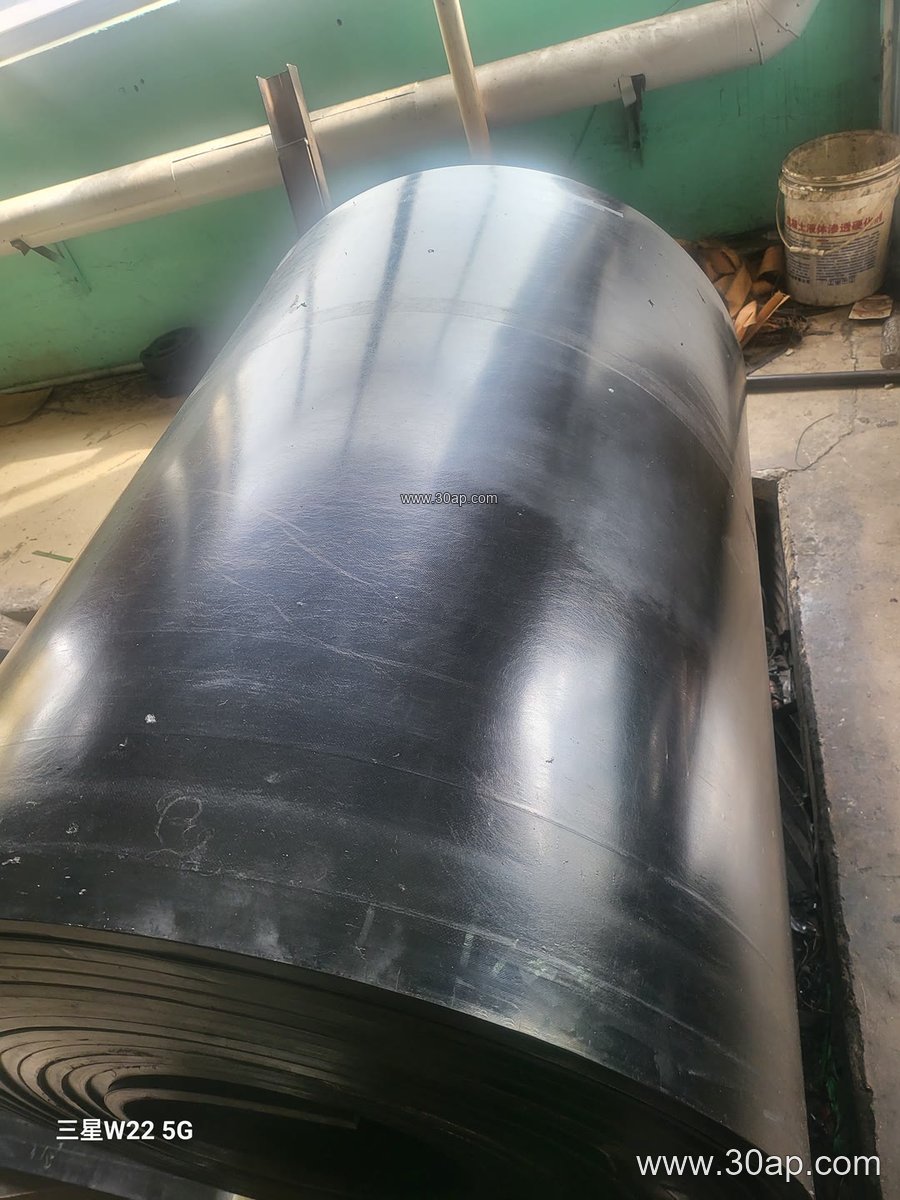
An Acid Resistant Conveyor Belt is a fabric-reinforced rubber belt engineered for conveyors that carry acidic slurries, damp powders, and process streams where ordinary rubber would swell, crack, or lose cover adhesion. In many plants it sits alongside standard equipment — idler rollers, conveyor pulleys, and brackets — but the belt itself uses a cover compound selected to resist acid attack while keeping the carcass protected.
Buyers often meet this belt under the equivalent name acid and alkali resistant conveyor belt, since many compounds are formulated for both acidic and alkaline exposure. The two names describe the same product family; the exact resistance depends on the compound and the concentration of the chemical involved.
Construction and Compound Choices
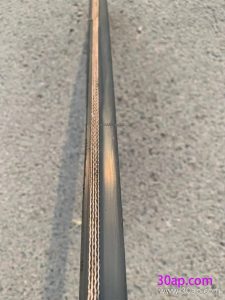
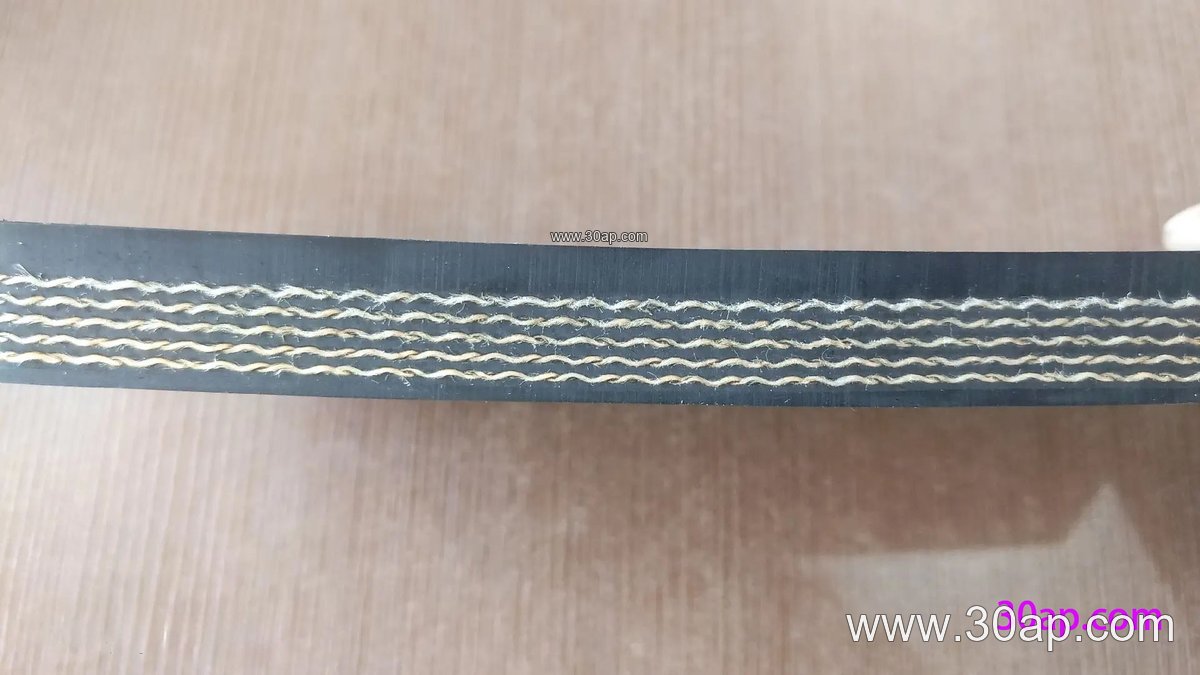
The belt is usually built on a fabric carcass with two to six plies, depending on load and tension. A typical structure includes:
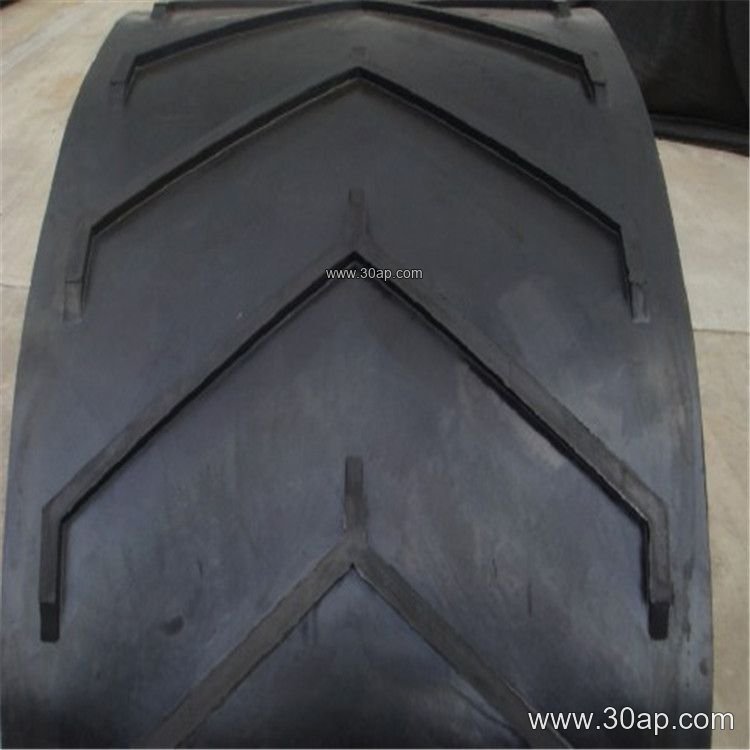
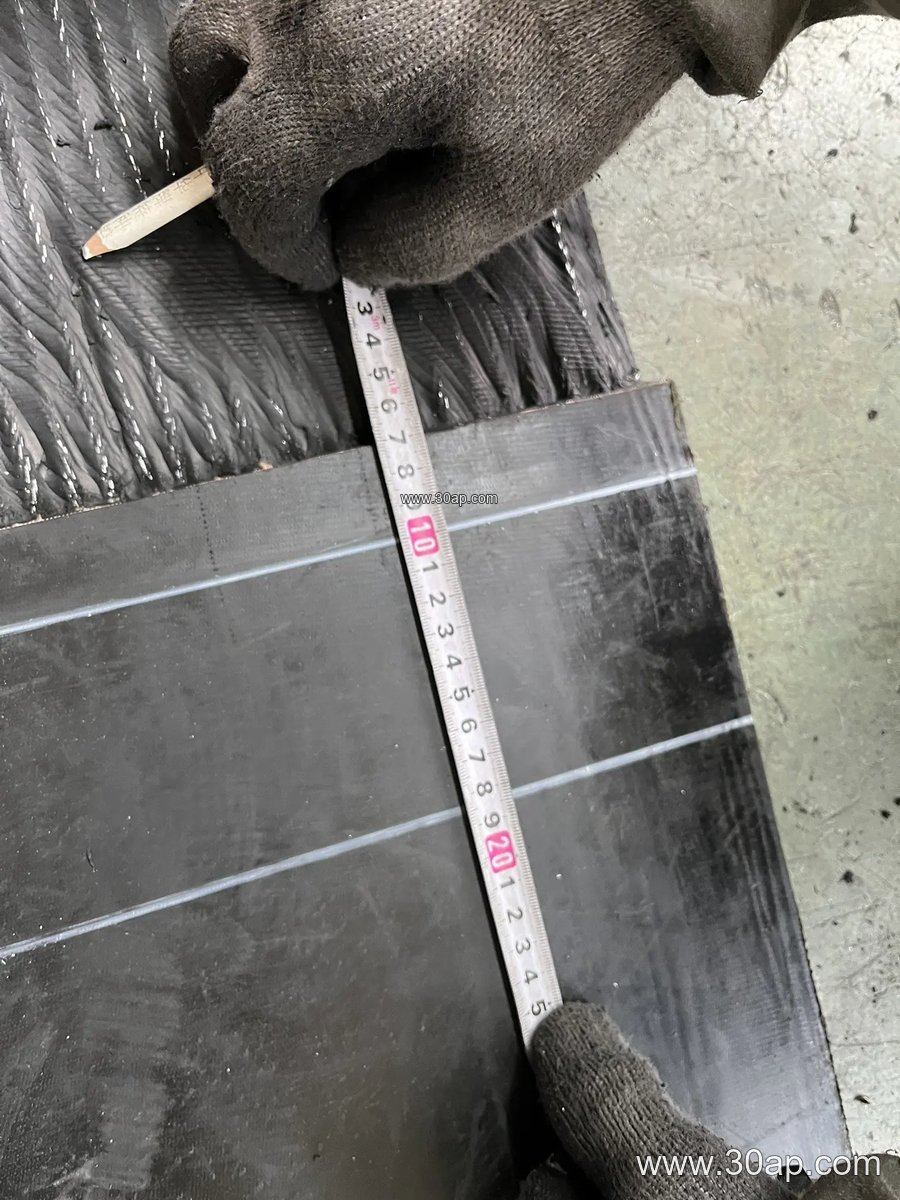
- An acid-resistant top cover, commonly 3+1.5 mm, 4+2 mm, or heavier for splash and slurry duty
- An EP Conveyor Belt or NN Conveyor Belt carcass where high tensile strength is needed
- Rubber edges or cut edges, sealed to limit wicking along the fabric
- Optional anti-static or flame retardant properties for hazardous areas
Cover compounds are usually based on polymers such as EPDM, chloroprene, or specially blended rubber rather than plain natural rubber. The compound is what resists swelling and hardening; the carcass provides strength. A Steel Cord Conveyor Belt is rarely chosen for this duty because steel cords bring little benefit in wet chemical service and complicate edge sealing.
Typical Industries and Duty Points
Acid-resistant belts appear in fertilizer plants, phosphoric acid lines, some mineral processing circuits, and wastewater or sludge handling. They also serve in chemical plants handling damp salts and in mining operations where ore and process water turn acidic. In these settings the belt works with conveyor pulleys, idler rollers, and support frames that may also need protective coatings.
Do not confuse this product with a general purpose belt. A Heat Resistant Conveyor Belt solves temperature problems, and an Abrasion Resistant Conveyor Belt handles sharp, dry rock; neither substitutes for acid protection. Likewise, an Oil Resistant Conveyor Belt targets hydrocarbon contact, not pH. Selecting the right belt means matching the compound to the actual chemical, concentration, and temperature.
Common Reference Data
The following values are reference examples only. Actual supply is confirmed by the manufacturer for each order.
| Item | Common Reference Values |
|---|---|
| Belt type | Acid and alkali resistant, fabric core |
| Carcass | EP or NN, 2 to 6 plies |
| Strength grades | EP200, EP315, EP400, EP500, EP630, EP800 |
| Belt width | B500, B650, B800, B1000, B1200, B1400 |
| Cover thickness | 3+1.5 mm, 4+2 mm, 5+2 mm, 6+2 mm |
| Special options | Anti-static, flame retardant, cold resistant |
Width and strength should be chosen from the conveyor design, not from a fixed table. A wider belt does not require one specific pulley diameter, and shaft sizing follows the pulley design, not the belt width alone.
Selection and Maintenance Notes
Before ordering, confirm the chemical name, concentration, and operating temperature. Acid resistance is not universal; a compound that survives dilute acid may fail in concentrated or hot solutions. Check whether the belt needs an Endless Conveyor Belt splice for a closed loop, or mechanical fasteners that suit wet service. On the conveyor, keep idler rollers turning freely and inspect pulleys for buildup, since stagnant acid pools accelerate cover damage. Rinse or neutralize spillage where practical, and monitor edges for wicking, which is the first sign of carcass attack.
For plants handling mixed duty, it can help to compare the acid-resistant belt with an abrasion-resistant or flame retardant specification before finalizing. The right choice keeps the conveyor running through corrosive service without replacing the belt prematurely.