What a Bend Rubber Lagged Pulley Does
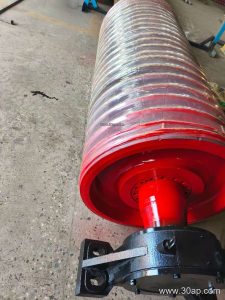
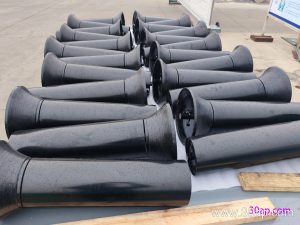
A bend rubber lagged pulley is a direction-changing conveyor pulley with a rubber cover bonded to its shell. It is installed where the belt must change direction without transmitting full drive torque, such as the return run, a snub position, or a take-up arrangement. The rubber lagging serves two practical purposes: it raises friction between the shell and the belt to reduce slip, and it protects the pulley face from abrasive carryback. This component is distinct from a drive pulley, which transmits power, and from a tail pulley, which is typically the tensioning point at the loading end. A bend pulley may also be called a deflection pulley, and the two terms describe the same function—guiding the belt along a new path—while a drive pulley or tail pulley should not be substituted for it in layout planning.
Construction and Surface Options
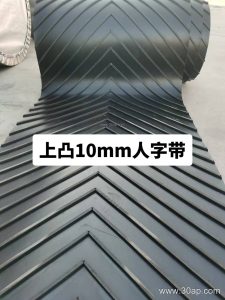
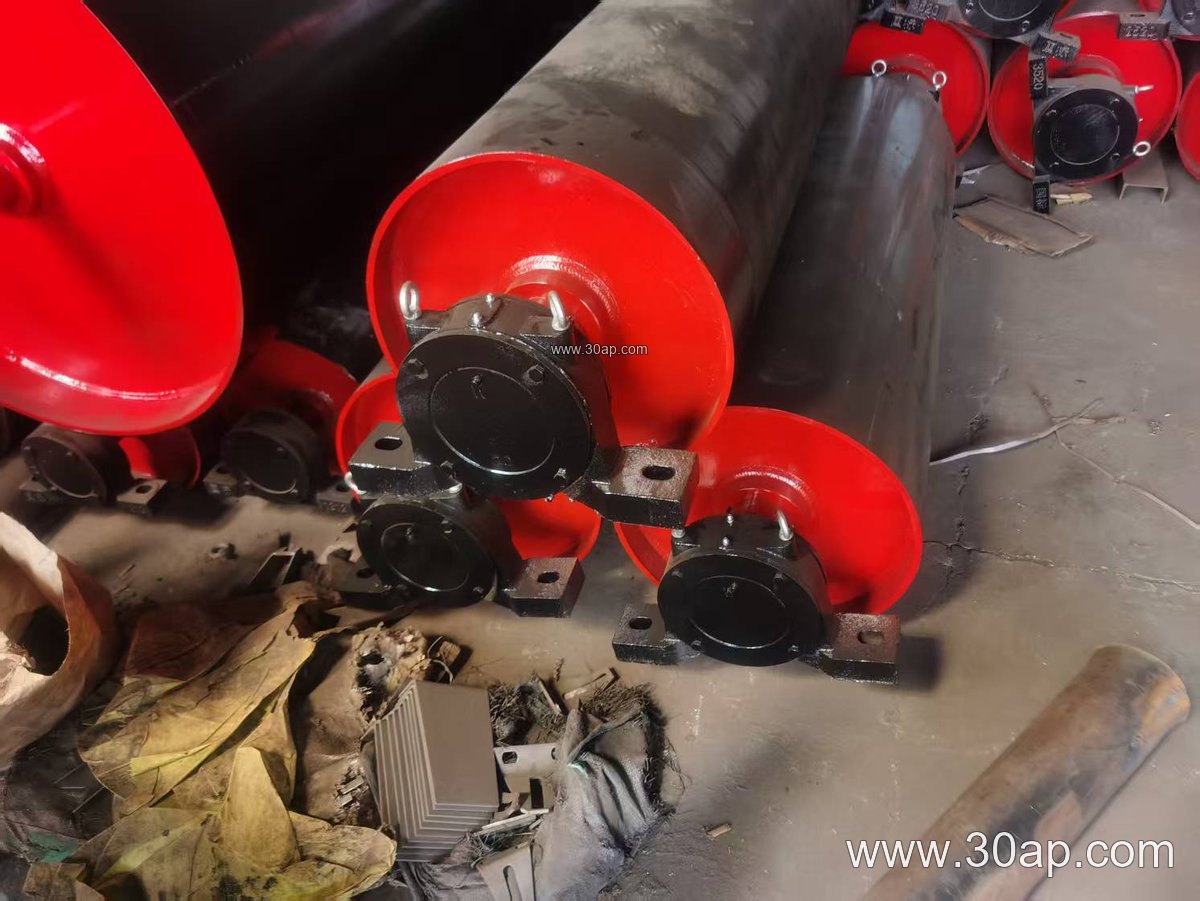
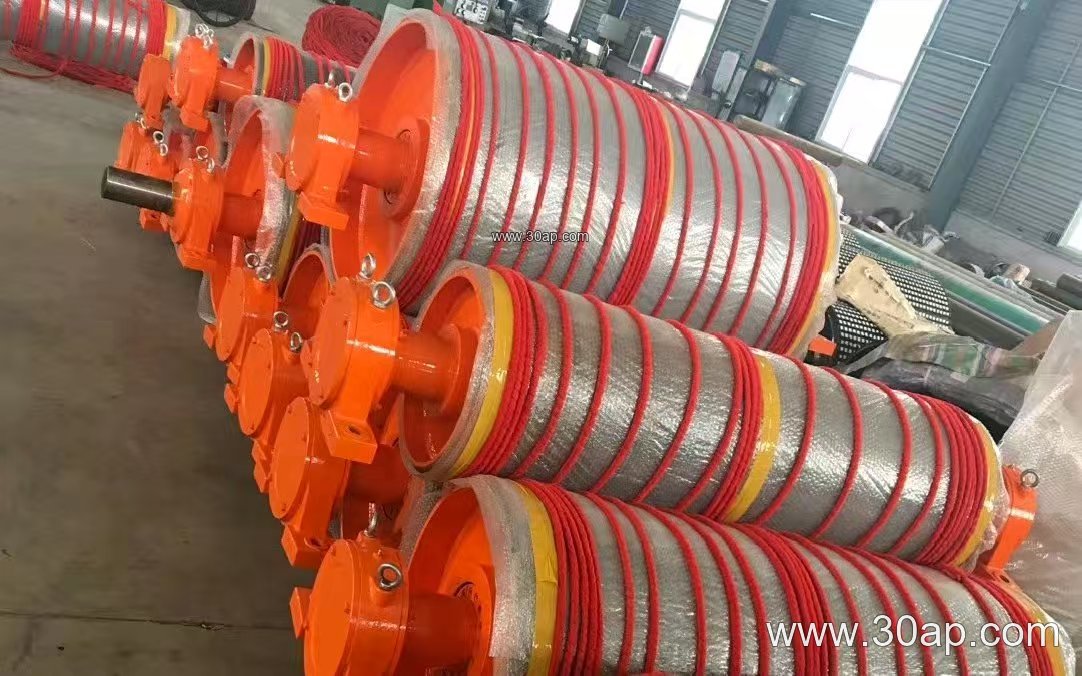
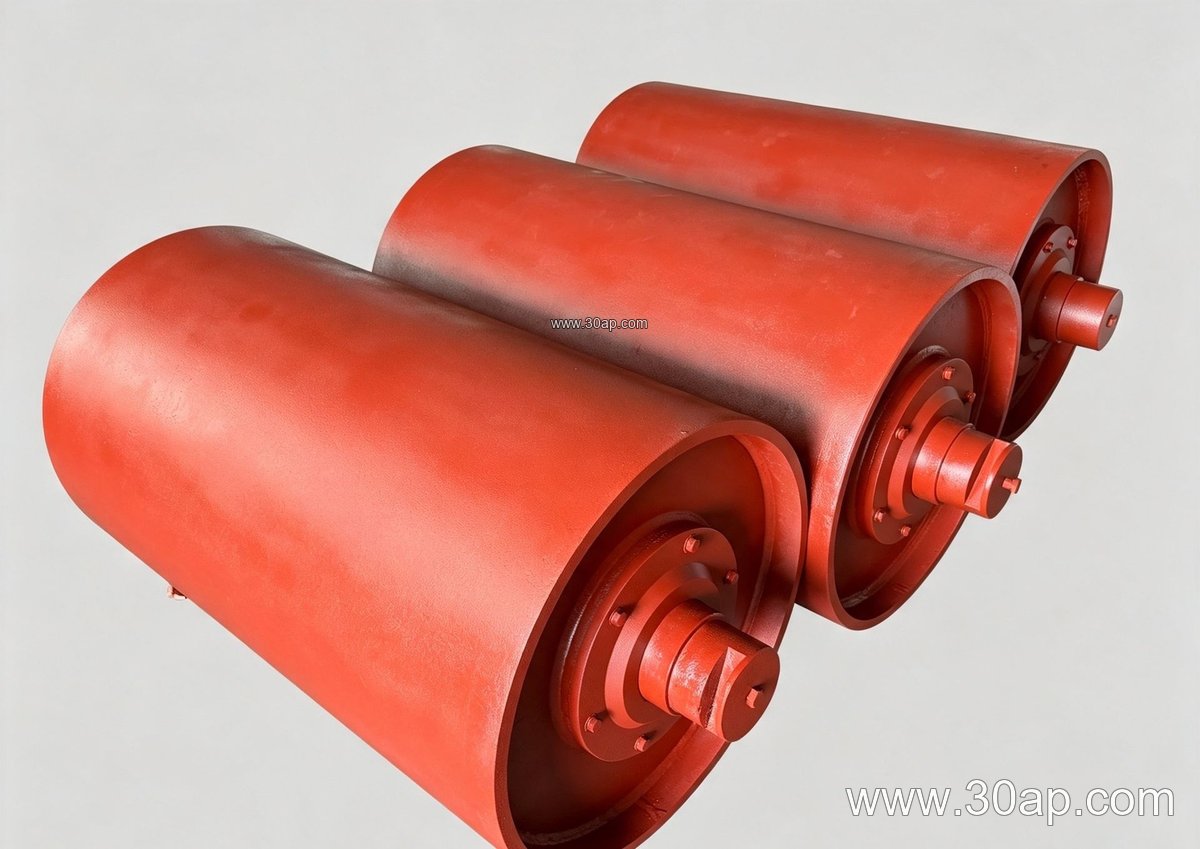
The core is usually a welded steel drum with a shaft, hubs, and end discs. Rubber lagging is applied either as cold-bonded sheet or hot-vulcanized rubber, with thickness commonly 8, 10, 12, 15, or 20 mm. Surface patterns include plain, diamond, and herringbone; diamond and herringbone profiles help shed water and fines in wet or dusty service. The pulley face width is normally slightly wider than the belt: for example, a B800 belt often matches a pulley face around 950 mm, while a B1200 belt may use a face near 1400 mm. Diameter is selected by belt path geometry and allowable belt bend radius, not by belt width alone; common sizes range from Ø200 to Ø1800, and combinations such as B800 × Ø500 or B1400 × Ø800 appear in layouts where the wrap angle and space allow. Shaft diameter is determined by torque and load, with typical values from Ø50 to Ø200, and should not be fixed from belt width alone.
Where It Fits in Bulk Handling
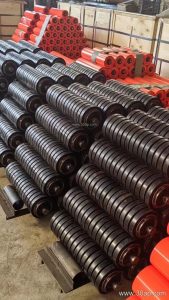
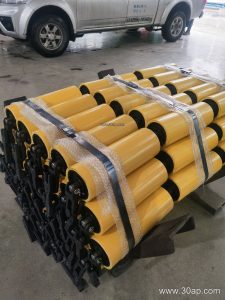
In a quarry or aggregate line, a bend pulley may route the return belt under a screen deck or around a transfer tower. In a coal preparation plant or power station coal yard, it helps keep the belt aligned on a long overland run and can be paired with a flame retardant conveyor belt for safety. Cement plants use these pulleys near clinker cooler discharge and raw mill feed, where dust and heat demand careful lagging choice. Port bulk terminals and iron ore yards favor heavy-duty rubber lagging to resist fines and moisture. The pulley works alongside conveyor idlers, conveyor brackets, and the conveyor belt itself; its job is to guide, not to drive. When the layout requires a drive function, a separate drive pulley with appropriate lagging and torque capacity is used instead.
Matching the Pulley to the Belt System
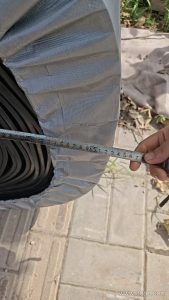
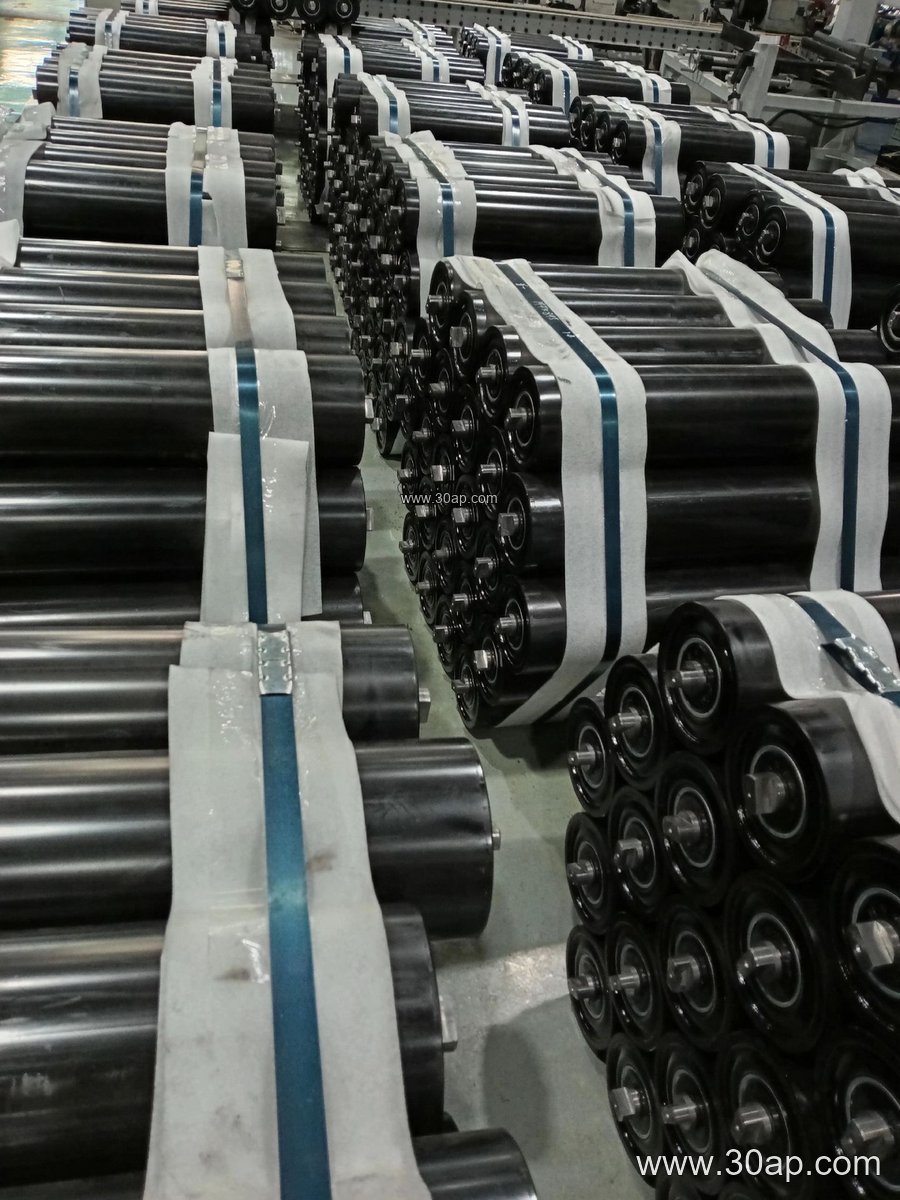
Several practical points guide selection. First, confirm the belt type and tension: a steel cord conveyor belt or a high-strength EP conveyor belt may require a larger diameter to limit bending stress. Second, check the lagging pattern against conditions—plain rubber for clean, dry belts; diamond or herringbone for wet or dusty service. Third, verify the shaft and bearing load with the conveyor designer, because the bend pulley carries belt tension from two directions. Fourth, consider maintenance access: a pulley that is difficult to inspect may suffer unnoticed lagging wear. In dusty stone crushing or sand making plants, abrasion resistant conveyor belt grades reduce carryback, which in turn lowers lagging wear. In cold climates, a cold resistant conveyor belt may be used, and the pulley lagging should remain flexible at low temperature.
Buyer Checklist
- Confirm the pulley function: bend, snub, or take-up—not drive or tail.
- Specify belt width and required face width; common combinations include B650 × Ø400 and B1000 × Ø630.
- State lagging type, pattern, and thickness; 10 mm diamond lagging is a frequent choice for general bulk service.
- Provide belt tension and wrap angle so the shaft and bearings can be sized correctly.
- Match lagging to material: heat resistant conveyor belt service may need heat-tolerant rubber, while oil resistant conveyor belt service needs oil-resistant lagging.
- Plan for inspection and replacement of lagging before the shell wears.
For system integration, the bend rubber lagged pulley should be specified together with the conveyor belt, conveyor idlers, and conveyor brackets so that face width, shaft size, and clearance are consistent. A well-chosen bend pulley keeps the belt tracking smoothly and extends the life of the entire conveyor line.