What a Rotating Self-Aligning Idler Does
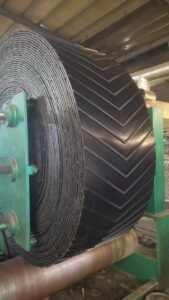
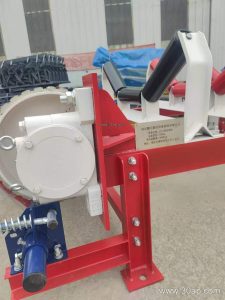
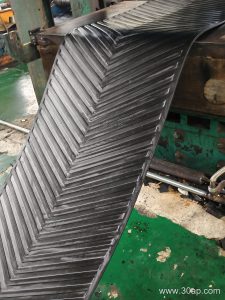
A rotating self-aligning idler is a training idler that pivots on a vertical axis to steer a drifting conveyor belt back toward the centerline. When the belt edges toward one side, the skewed rollers generate a small sideways force, the frame rotates, and the belt is guided back. In a quarry, a coal handling plant, or a cement kiln feed line, this gentle correction keeps material on the belt and reduces edge damage. It is common to see one paired with a rubber conveyor belt or an EP conveyor belt on a long inclined run where tracking is difficult to hold.
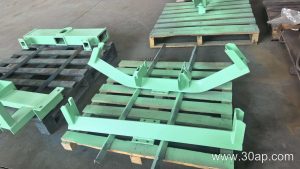
Construction and How the Frame Turns
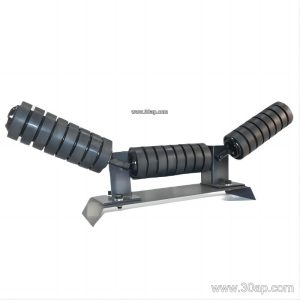
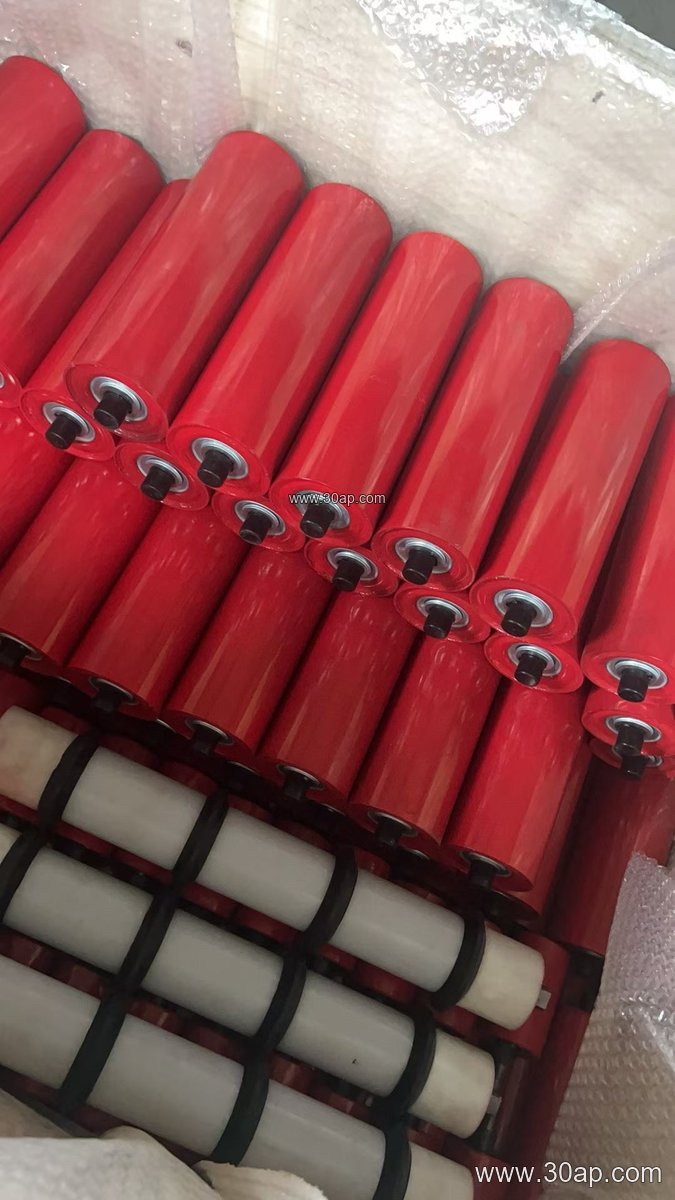
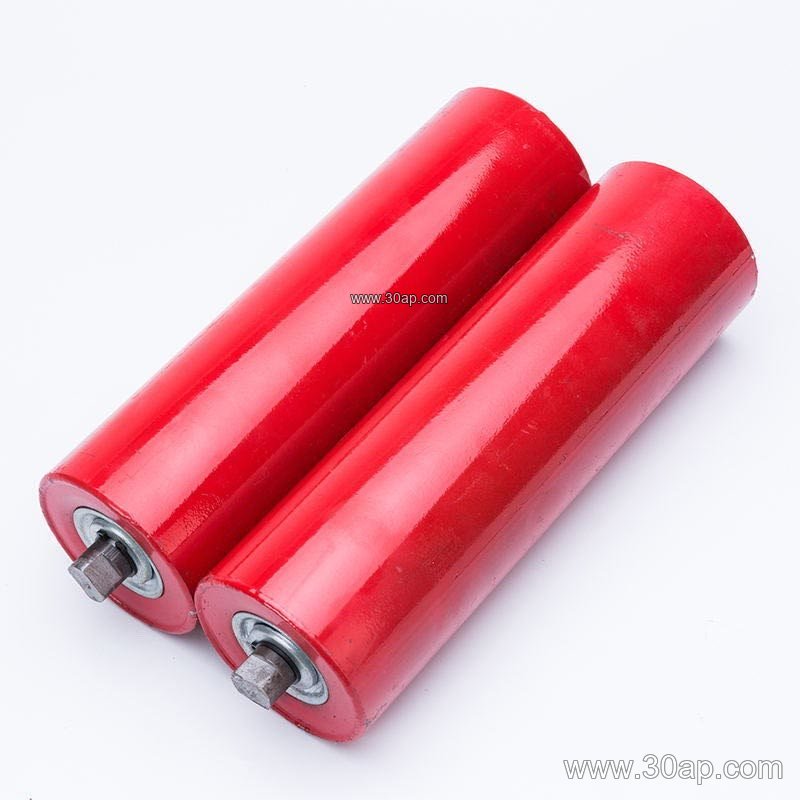
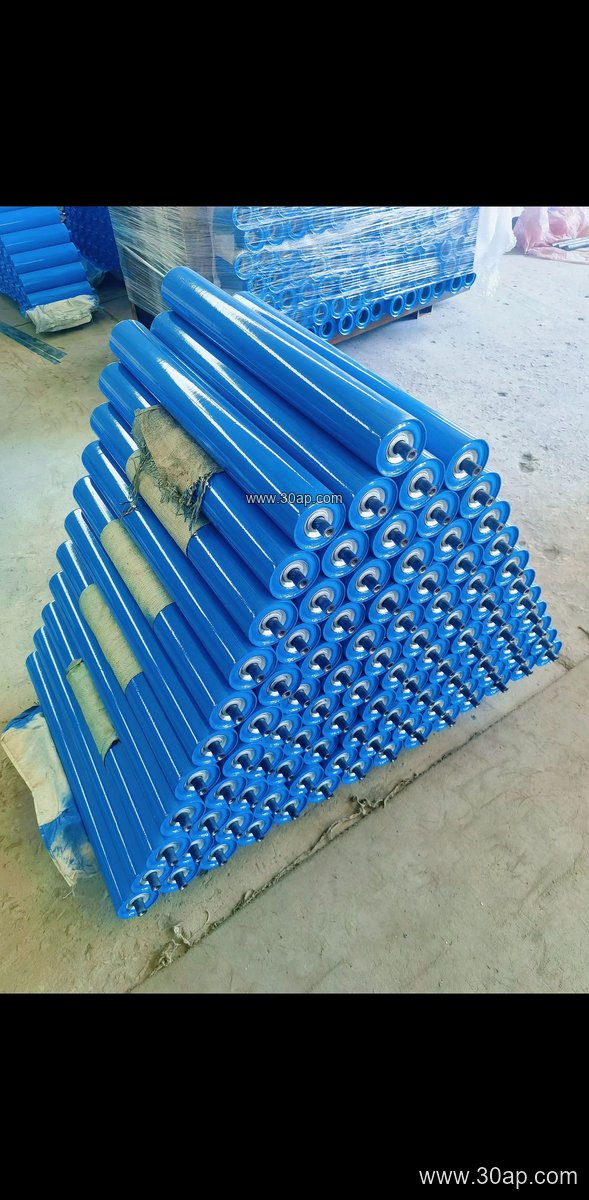
The assembly usually combines a three-roll troughing set with a pivot base. The roller frame sits on a bearing or a stub shaft, so the whole carriage can swing a few degrees. Friction self-aligning designs use the belt contact itself to trigger rotation; a conical self-aligning idler uses tapered rolls to create a stronger centering action. Rollers are typically steel tube, sometimes with nylon, ceramic, or rubber rings, and bearing housings commonly use 6204, 6205, 6305, 6306, 6308, or 6310 bearings. Roll length follows belt width, trough angle, and roll arrangement, so it is set by design rather than by a fixed rule.
Where It Fits on the Conveyor
These idlers are usually installed on the carrying side at intervals along a transfer or curve, and sometimes on the return strand. They are not a replacement for a drive pulley, tail pulley, or bend pulley; those components transmit power and change belt direction, while a training idler only corrects lateral drift. A conveyor bracket or frame must be strong enough to carry the pivot load, and the unit should sit square to the belt path. In underground mining, a flame retardant conveyor belt may be paired with these idlers, while dusty stone crushing lines often run an abrasion resistant conveyor belt alongside them.
Common Sizes and Reference Data
The table below shows typical reference values, not fixed combinations. Final dimensions depend on the conveyor design, belt width, and trough angle.
| Item | Common Reference Values |
|---|---|
| Roller diameter | Ø63, Ø76, Ø89, Ø102, Ø108, Ø127, Ø133, Ø159, Ø178, Ø194, Ø219 mm |
| Belt width | B400, B500, B650, B800, B1000, B1200, B1400, B1600, B1800, B2000, B2200, B2400 |
| Trough angle | 20, 30, 35, 45 degrees |
| Roll surface | Steel tube, nylon, ceramic, rubber ring |
| Bearing | 6204, 6205, 6305, 6306, 6308, 6310 |
| Typical roll length, three-roll set | About 200 mm at B500, 250 mm at B650, 315 mm at B800, 380 mm at B1000, 465 mm at B1200, 530 mm at B1400, 600 mm at B1600, 670 mm at B1800, 750 mm at B2000 |
Values such as these are reference data only. A 1200 mm wide conveyor belt does not automatically dictate one roller diameter or one shaft size, and side rolls may differ from the center roll.
Buyer Notes Before Ordering
- Confirm belt width, trough angle, and whether the idler goes on the carrying or return side.
- Check the pivot and bearing arrangement, since a worn pivot defeats the self-aligning action.
- Match the roller surface to the duty: rubber rings for impact, ceramic for sticky or abrasive material.
- Ask how the frame is mounted to the conveyor bracket and whether the base suits the existing stringer spacing.
- Keep spare bearings and seals on hand; dust and fines are the main cause of seizure.
On a port ship loading line or a power plant coal yard, a well-placed rotating self-aligning idler reduces spillage and belt edge wear. Pair it with the right conveyor belt grade, such as a heat resistant conveyor belt near hot clinker or a cold resistant conveyor belt in winter yards, and check tracking after installation. For more conveyor components, see the selection pages at beltconveyorparts.com and review idler roller options at idler-roller.com before finalizing the order.