What a Galvanized Conveyor Bracket Does on the Line
A galvanized conveyor bracket is the steel frame that holds a conveyor idler roller in position under or above the conveyor belt. It does not move the belt or carry the load by itself, but it sets the trough angle, keeps the roller spacing consistent, and transfers the weight of the belt and material into the conveyor structure. Because the bracket stays in contact with dust, moisture, and washdown water, the zinc coating is the reason many plants choose it over a painted frame. In a quarry or a cement plant, a bracket that rusts at the bolt holes can shift the roller line and start edge tracking problems long before the roller itself wears out.
How the Bracket Is Built
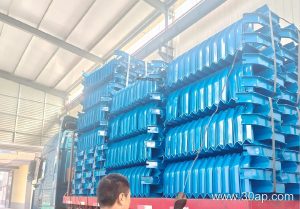
Most brackets are formed from angle steel, channel steel, or folded steel plate. The shape depends on where the bracket sits and how many rollers it carries. A trough bracket holds two or three rollers at a set angle; a return bracket holds a single roller or a V-shaped pair. Slots and bolt holes are punched or drilled so the idler shaft can be fixed at the correct height, and the ends are usually bent or welded to sit on the conveyor stringer.
Galvanizing is applied after fabrication, so the coating covers cut edges and weld seams as well as flat surfaces. Hot-dip galvanizing gives a thicker zinc layer than electroplating, which matters in wet tunnels, coal preparation plants, and coastal ports where salt and humidity attack bare steel.
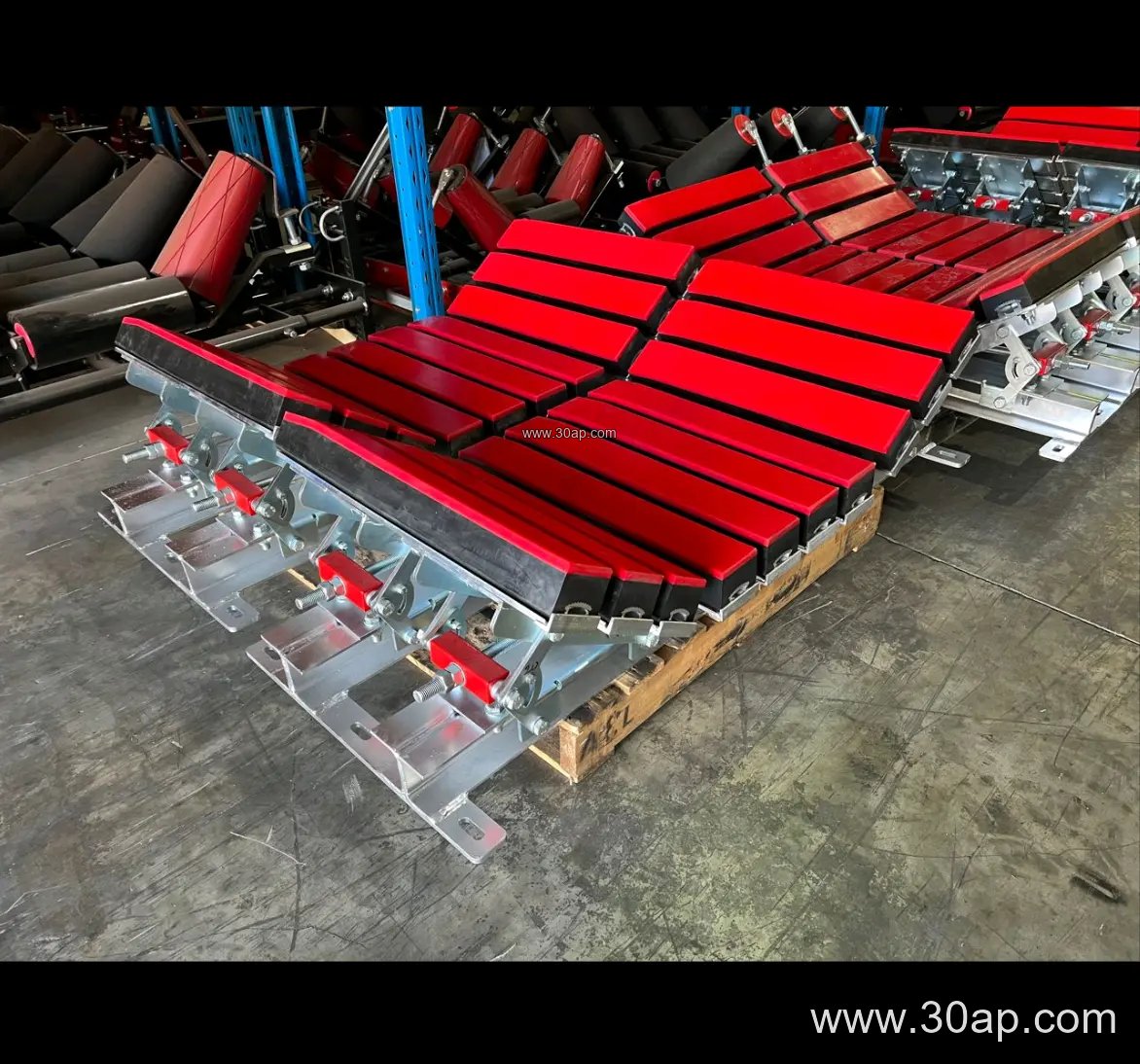
Trough Angle and Roller Diameter Are Chosen Together
The bracket fixes the trough angle, and that angle affects how the belt sits and how much material it can carry. A 20 degree frame is common for light material on slower belts; 30 and 35 degrees suit most aggregate and ore duty; 45 degrees is used where a deep trough is needed. Adjustable brackets allow the same frame to be set at more than one of these angles during installation, which helps when a plant changes belt loading without replacing the whole idler set.
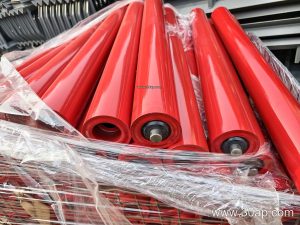
Roller diameter is a separate decision. Typical idler rollers use Ø89, Ø108, Ø133, Ø159, or Ø194 shafts and shells, and the bracket must match that mounting height. A B800 belt might run with 35 degree troughs and Ø108 rollers in one plant and a different roller size in another, so the bracket should be ordered against the actual roller drawing rather than against belt width alone. The installation hole spacing and crossbeam length also change with belt width and trough angle, so these are designed per application.
| Bracket Reference | Belt Width | Trough Angle | Roller Diameter | Typical Position |
|---|---|---|---|---|
| Upper trough bracket | B500 to B800 | 20, 30, 35 degree | Ø89, Ø108 | Carrying side, light to medium duty |
| Upper trough bracket | B1000 to B1400 | 30, 35, 45 degree | Ø108, Ø133, Ø159 | Carrying side, quarry and cement duty |
| Upper trough bracket | B1600 to B2200 | 35, 45 degree | Ø133, Ø159, Ø194 | Carrying side, high capacity lines |
| Return bracket | B650 to B1200 | Flat or V return | Ø89 to Ø159 | Return side, belt support |
| Impact bracket | B800 to B1600 | 30, 35 degree | Ø108 to Ø194 | Loading point, under crusher discharge |
| Adjustable bracket | B500 to B1400 | 20 to 45 degree | Ø89 to Ø159 | Carrying side, tunable trough |
Where It Fits in Real Installations
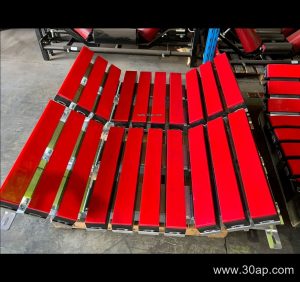
In a sand and gravel line, galvanized trough brackets sit on the carrying side between the head and tail pulley, while return brackets hold the belt up on the way back. At a crusher discharge, impact brackets with rubber rings absorb the drop from the chute. In a coal handling plant or a power station coal yard, flame retardant conveyor belt and anti-static conveyor belt are often paired with galvanized frames to reduce both fire risk and corrosion. When the belt is a heavy-duty mining conveyor belt carrying iron ore or copper ore, the brackets on the loading section are usually the first parts to be checked for distortion.
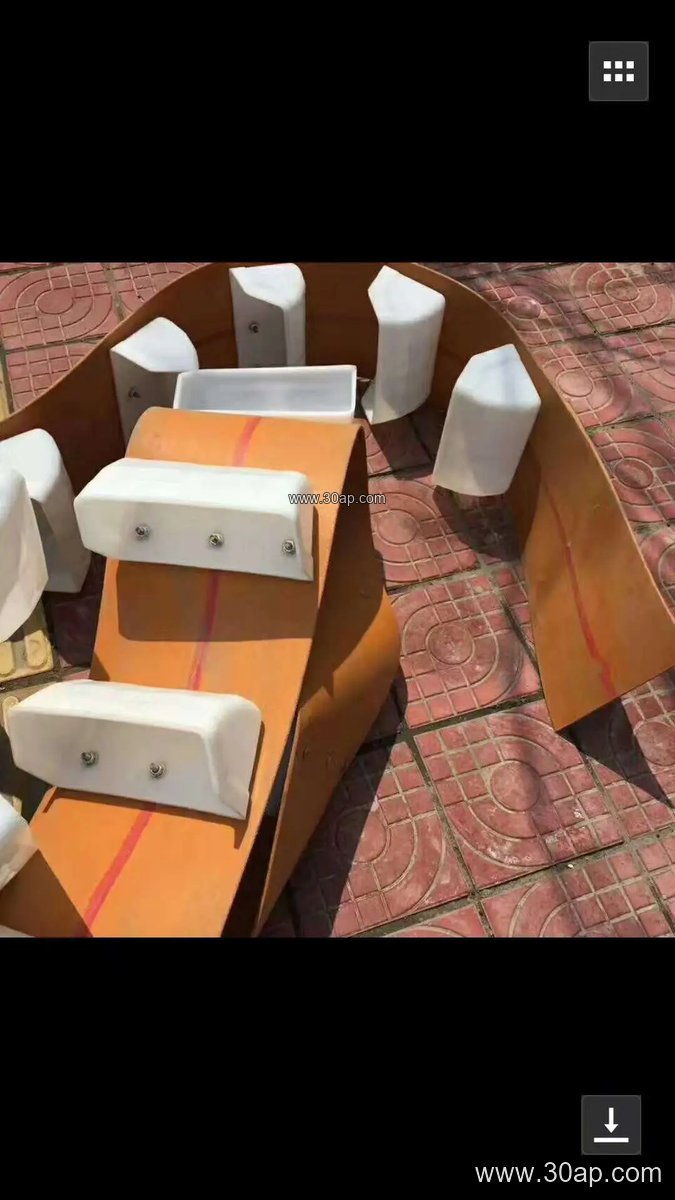
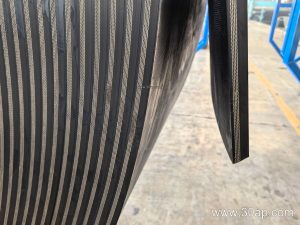
Galvanized brackets are also used in fertilizer plants, grain silos, and tunnel spoil lines, where washdown and damp air shorten the life of painted steel. They work with fabric core conveyor belt, EP conveyor belt, NN conveyor belt, and steel cord conveyor belt alike, because the bracket only cares about the roller and the belt width.
Adjustable Versus Fixed Frames
A fixed bracket is welded or bolted to one trough angle and cannot be changed. It is cheaper and stiffer, and it suits a line where the belt loading is stable. An adjustable bracket has slotted or pivoting roller seats, so maintenance staff can tune the trough angle after installation or compensate for belt sag. It is useful on a conveyor that handles more than one material, or where the belt has been changed and the trough no longer matches the old frame. Neither type replaces a self-aligning bracket, which is a separate design used for tracking correction on the return side.
Buyer Checklist
- Confirm the roller diameter and shaft size before ordering, since the bracket height must match the idler.
- State the belt width, required trough angle, and whether the frame is fixed or adjustable.
- Ask about zinc coating thickness, especially for ports, coal plants, and washdown areas.
- Check the hole pitch and crossbeam length against the existing stringer, not against a catalogue page.
- Match the frame to the duty: impact brackets at load points, standard trough frames along the run, return brackets underneath.
For a complete idler set, buyers often source galvanized conveyor bracket, conveyor pulley, idler roller, and conveyor belt as one package, at fyconveyorbelt.com, so the mounting heights and roller diameters are confirmed together. A bracket that fits the frame but not the roller is still a problem on site, and a quick check of the drawing avoids it.