What a Non-Standard Conveyor Pulley Really Is
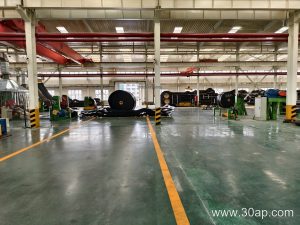
A non-standard conveyor pulley is a drum assembly built to a specific drawing rather than taken from a catalog of common sizes. Instead of forcing the conveyor layout to fit an off-the-shelf drum, the pulley is matched to the actual belt width, shaft load, bearing span, lagging requirement and mounting arrangement of the machine. This is common in limestone quarries, cement clinker lines, power plant coal handling and aggregate crushing circuits where layout space is tight and the original equipment drawings no longer match what is installed on site.
The working principle is unchanged from any other conveyor pulley: friction between the rotating shell and the conveyor belt transmits drive force, while the shaft, hubs and bearing housings carry the resulting load into the conveyor bracket. What differs is the freedom to adjust shell diameter, face width, shaft diameter, lagging pattern and end disc design together, so that the finished drum fits the frame without shimming or reworking the structure.
Construction Details That Get Customized
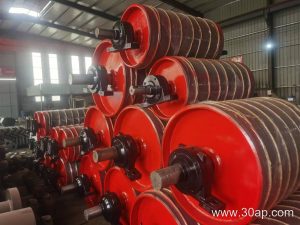
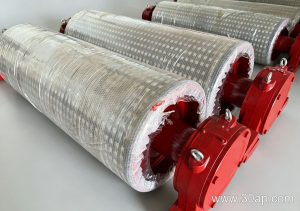
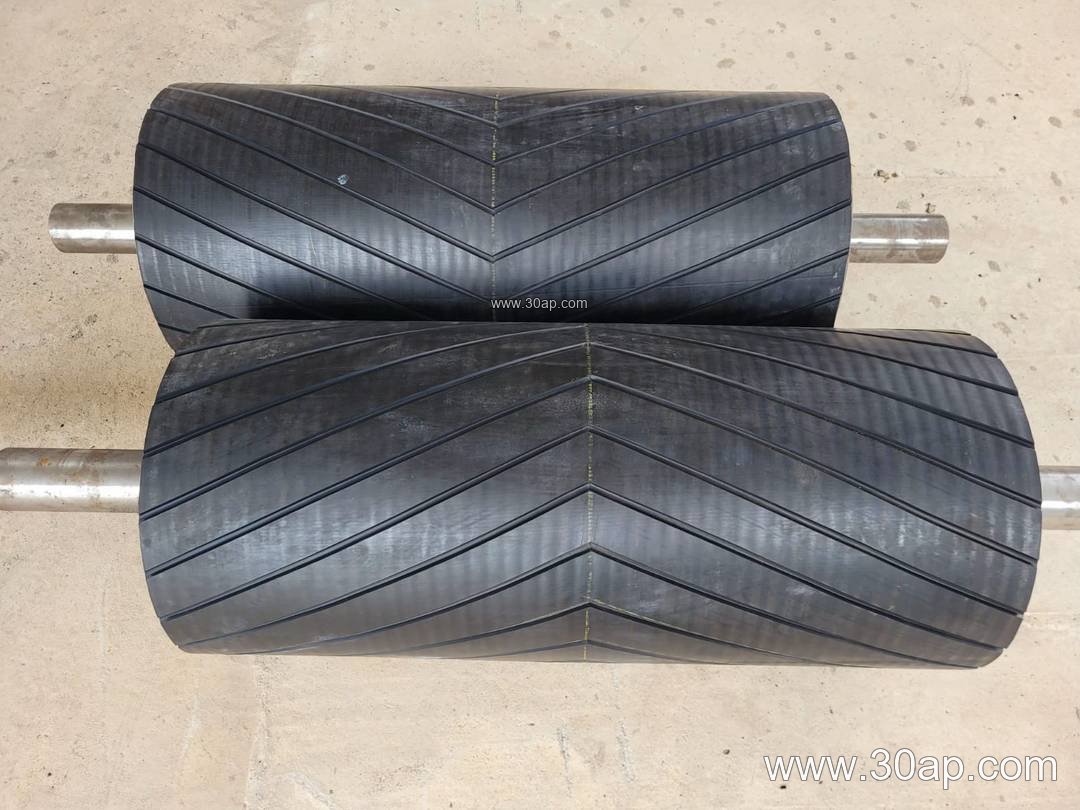
Most custom drums follow the same basic build. A rolled steel shell is welded to end discs, which are bored to accept the shaft. Hubs are keyed or shrink-fitted, and bearing housings are positioned to suit the required span. The shell surface may be plain, or it may carry rubber lagging applied by hot vulcanizing, cold bonding, or as cast rubber. Diamond and herringbone grooves are used where grip and water shedding matter, while ceramic tiles are chosen for very abrasive duty.
- Shell diameter and face width set to the belt and frame envelope
- Shaft diameter sized from torque and bending load, not from belt width alone
- Lagging thickness commonly 8, 10, 12, 15 or 20 mm depending on grip and wear
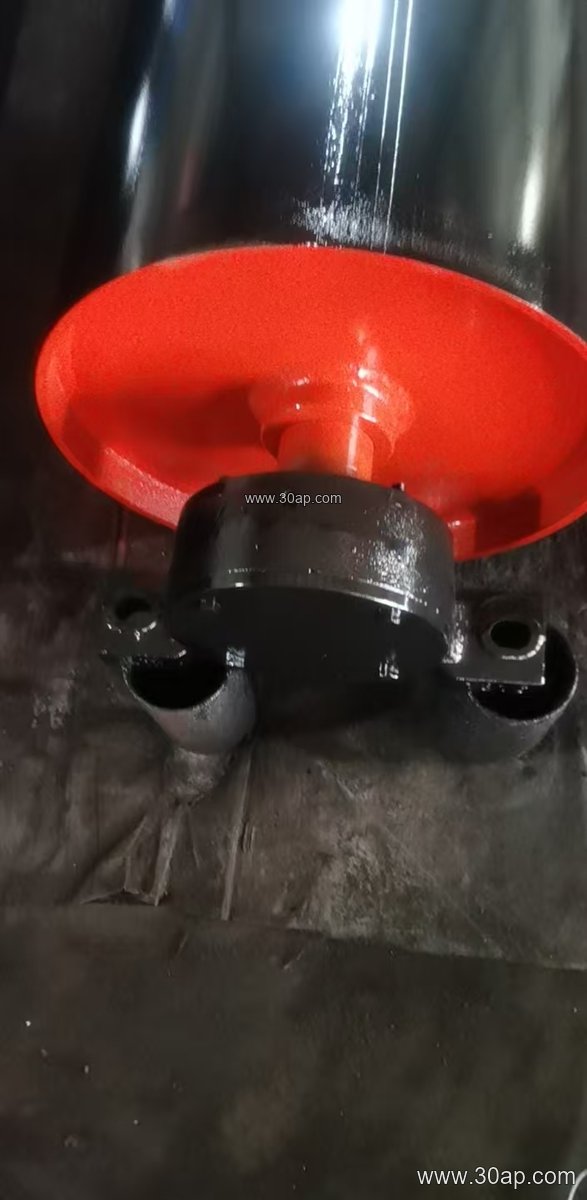
- Bearing type, sealing and lubrication point arranged for the mounting position
- Balancing and runout checked before dispatch
A drum for a B800 frame might be built as B800 x Ø500 with a plain face, while a heavier B1200 x Ø1000 unit in a primary crushing station may use diamond lagging and a larger shaft. These are examples of combinations, not rules; the correct pairing always comes from the conveyor design.
Where Custom Drums Fit in the Line
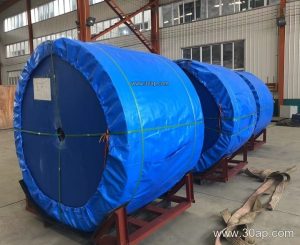
These pulleys appear wherever a standard size cannot be installed. In a limestone quarry, a head drum may need a wider face to suit a replacement EP conveyor belt that is slightly wider than the original. In a coal preparation plant, a bend drum may have to fit between existing steelwork with very little clearance. Aggregate lines often need a tail drum with a specific bearing position so the take-up frame can still travel through its full stroke.
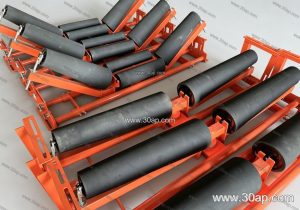
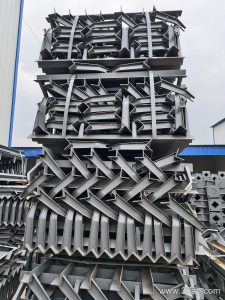
They are also used on mobile crushing and screening plants, tunnel spoil conveyors, fertilizer and grain silo systems, and port bulk terminals. In each case the drum must work with the belt, the idler roller set and the conveyor bracket as one system. A drum that grips well but overloads the shaft, or one that fits the frame but wears the belt edge, is a poor result.
Selecting the Right Specification
Buyers should prepare a short data sheet before requesting a quotation. The most useful entries are belt width, belt type, duty cycle, motor power, shaft speed, bearing span, mounting position and available space. Belt construction matters too: a steel cord conveyor belt or a high abrasion resistant conveyor belt may call for different lagging than a lightweight fabric core belt. In underground coal mining, a flame retardant conveyor belt is normally paired with lagging that also meets the fire safety requirements of the mine.
| Parameter | Typical Reference Range | Notes |
|---|---|---|
| Belt width | B400 to B2400 | Face width usually exceeds belt width, e.g. B650 about 750 mm |
| Shell diameter | Ø200 to Ø1800 | Selected from belt speed, torque and frame space |
| Shaft diameter | Ø50 to Ø200 | Determined by torque and load, not by belt width alone |
| Lagging thickness | 8 to 20 mm | Thicker lagging for high grip or heavy wear |
| Surface form | Plain, diamond, herringbone, ceramic | Matched to material and moisture |
It also helps to state whether the drum is a drive, tail, bend, take-up or snub position, because the load direction and the bearing arrangement change with the duty. A drive pulley carries the highest torque, while a bend pulley mainly redirects the belt. These roles are not interchangeable, and the drawing should name the position clearly.
Buyer Checklist Before Ordering
Ask for a dimensioned drawing and confirm the shaft material, keyway size, bearing designation and lagging hardness. Check that the face width and the conveyor bracket mounting holes match the existing frame. Confirm the balancing grade and the inspection records for weld quality and runout. For replacement work, measure the old drum before it is removed and photograph the bearing housings, since small differences in hub position can stop a new pulley from seating correctly.
Finally, keep spare lagging sheets and fasteners in the warehouse. A non-standard conveyor pulley often has a long lead time, and a small stock of wear parts can keep a crushing line or a coal handling system running while a replacement is manufactured.