What an EP400 Conveyor Belt Is
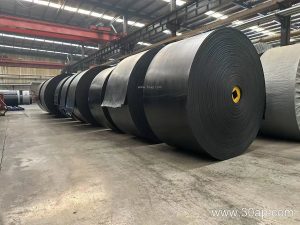
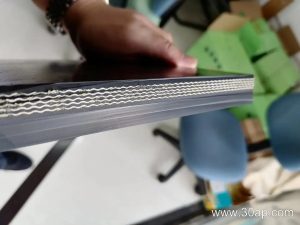
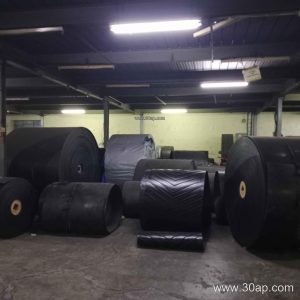
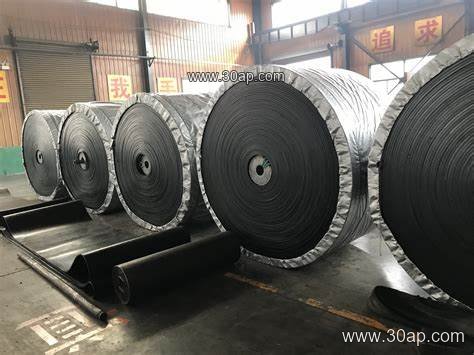
An EP400 conveyor belt is a fabric-core rubber belt built with polyester (E) and nylon (P) warp and weft yarns. The “400” refers to the belt’s nominal tensile strength, typically 400 N/mm, which places it in the mid-to-high strength range of EP fabric belts. This construction makes it a practical choice for mining, quarry, cement, power plant, and bulk material handling where moderate to heavy loads are moved continuously. Unlike a steel cord conveyor belt, which relies on steel wires for tension, the EP400 uses multiple plies of synthetic fabric, giving it flexibility, good troughability, and resistance to repeated flexing around pulleys.
Construction and Key Components
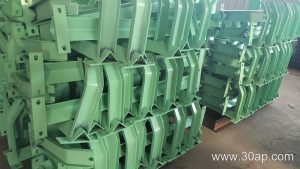
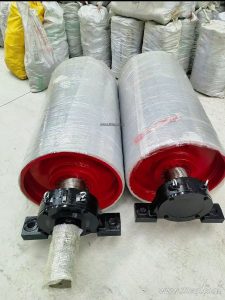
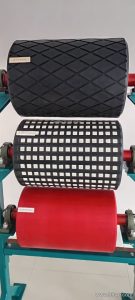
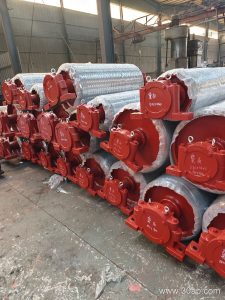
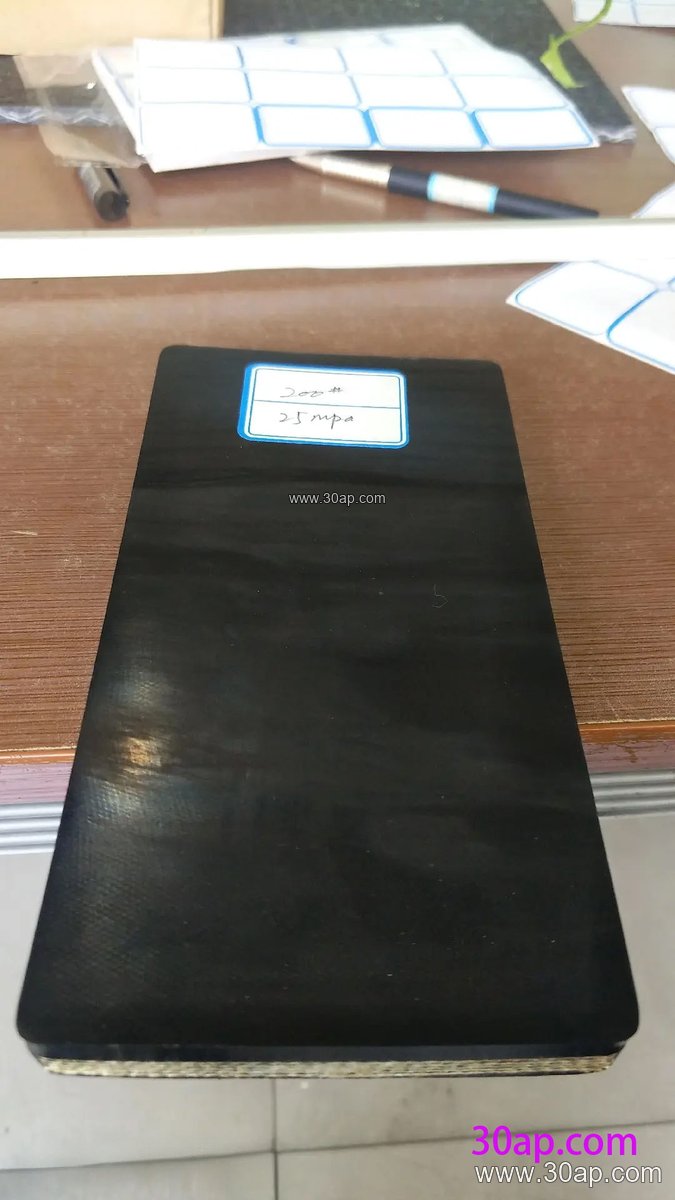
The belt body is usually made up of 2 to 6 plies of EP fabric, bonded with rubber skim layers and protected by top and bottom cover rubber. Cover thickness is selected by application—common combinations include 4+2 mm, 5+2 mm, or 6+2 mm for abrasive or impact-heavy service. The fabric core provides strength and elongation control, while the covers protect against wear, moisture, and material attack. Buyers should note that the belt works as part of a system: conveyor pulleys, idler rollers, and conveyor brackets all influence belt life and tracking. A well-aligned frame with properly sized idlers reduces edge damage and extends service life.
Typical Specifications
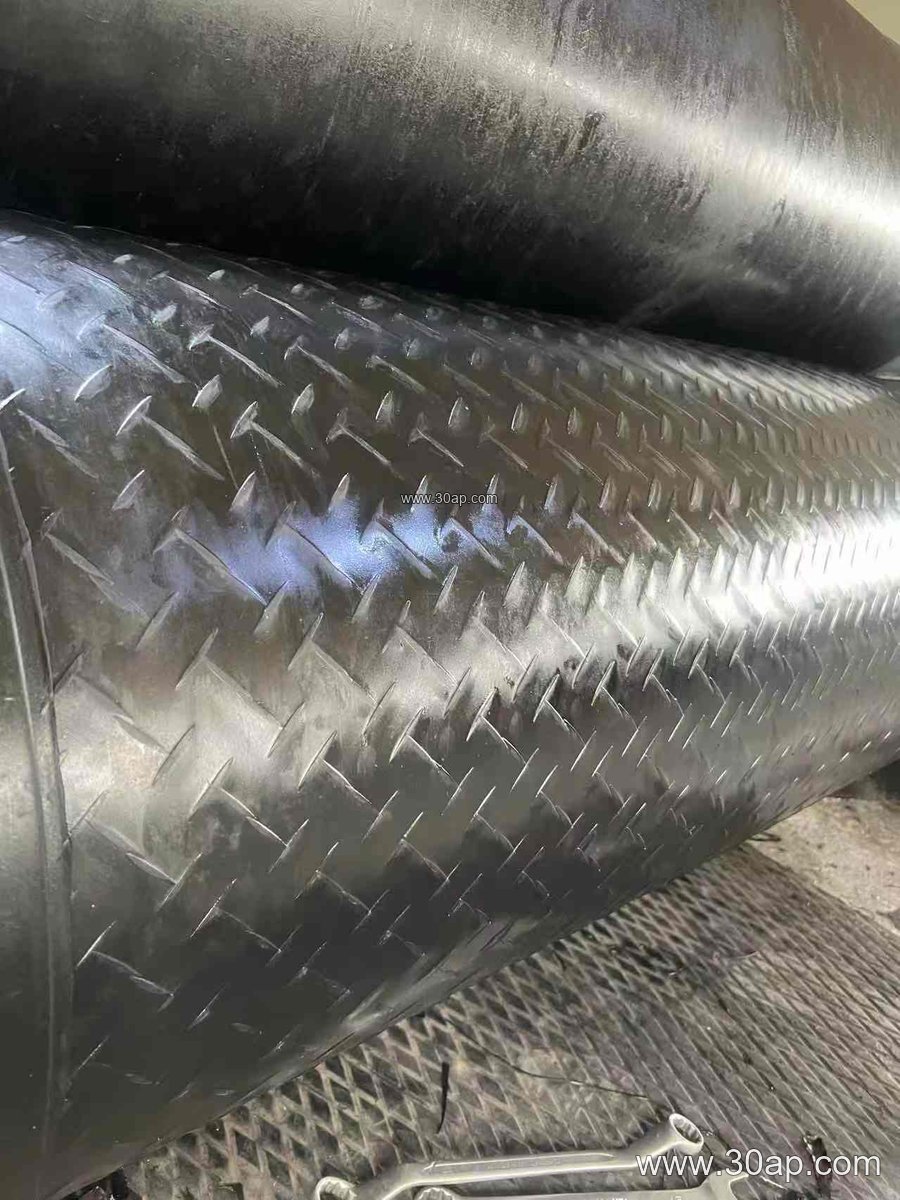
EP400 belts are available in a range of widths and cover grades. The table below shows common reference values; actual dimensions and constructions are confirmed by design and supplier documentation.
| Property | Common Reference Range |
|---|---|
| Belt type | EP400 (polyester-nylon fabric core) |
| Nominal strength | 400 N/mm |
| Number of plies | 2 to 6 |
| Belt width | B500, B650, B800, B1000, B1200, B1400, B1600 |
| Cover thickness | 4+2 mm, 5+2 mm, 6+2 mm, 8+3 mm |
| Cover grades | Abrasion resistant, heat resistant, oil resistant, flame retardant, anti-static |
These values are for orientation only. A 1000mm or 1200mm wide EP400 belt is common in aggregate and cement plants, while wider belts such as 1400mm or 1600mm may appear in high-capacity bulk terminals. Belt width and pulley diameter are matched by conveyor design, not by a fixed rule.
Where EP400 Belts Are Used
This belt class fits many industrial hauling duties. In sand and gravel operations, an EP400 conveyor belt handles crushed stone and aggregate over moderate inclines. In cement plants, it moves clinker, limestone, and raw meal. Power plants use it for coal and ash handling, often specifying a flame retardant conveyor belt grade for safety. In mining, both underground mining conveyor belts and surface ore conveyor belts may use EP fabric construction, especially where moderate strength and good flexibility are needed. The belt also appears in port conveyor systems, recycling lines, and construction material yards.
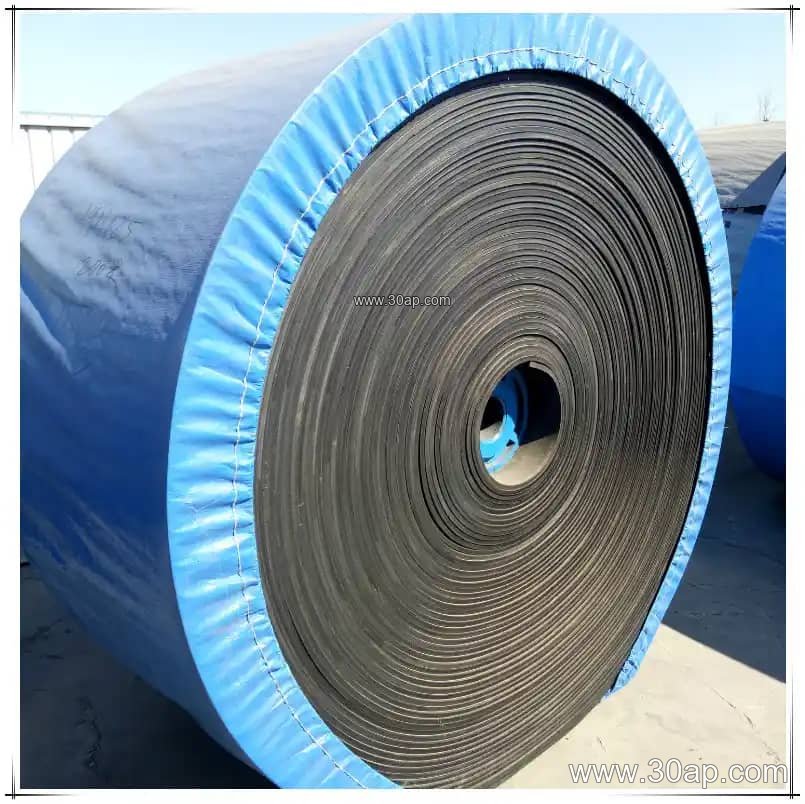
For very high tension or long overland routes, a steel cord conveyor belt or a higher-strength EP grade such as EP630 or EP800 may be more suitable. For lighter duties, an NN conveyor belt or a lower EP grade can be considered.
Selection and Maintenance Notes
- Match the belt strength to the calculated tension, not to the widest available size.
- Choose cover grade by the material: abrasion resistant for rock and ore, heat resistant for clinker, oil resistant for oily scrap, flame retardant for coal handling.
- Check pulley diameters and idler roller spacing during design; they affect belt flex life and tracking.
- Use proper conveyor brackets and idler alignment to prevent edge wear and mistracking.
- Inspect splices and edges regularly; fabric belts can be repaired, but repeated impact damage shortens life.
Whether the application is a quarry conveyor, a coal mining conveyor, or a cement plant transfer point, the EP400 fabric core belt offers a balance of strength, flexibility, and cost. Buyers should request construction details, cover grade, and dimensional tolerances from the supplier, and confirm that the belt matches the conveyor’s pulley and idler layout.