What an NN200 Conveyor Belt Is
An NN200 Conveyor Belt is a fabric-core belt built around nylon (NN) warp and weft cords, with a nominal tensile strength of 200 N/mm per ply. It belongs to the wider family of NN Conveyor Belt products, which sit alongside EP Conveyor Belt constructions in many bulk handling plants. Where an EP belt uses polyester warp and nylon weft, the all-nylon carcass of the NN200 gives good flexibility and strong resistance to fatigue, which helps on drives that see frequent starts, reversing duty, or relatively small pulley diameters.
Buyers often compare it with a Multi-Ply Fabric Core Conveyor Belt of the EP type, such as an EP200 Conveyor Belt. Both can carry similar loads, but the NN carcass usually stretches a little more and needs careful take-up allowance, while the EP carcass holds its length better under steady tension. Neither is a universal winner; the choice depends on the conveyor layout and the material being moved.
Carcass, Covers and Construction
The carcass is the load-bearing part. In a typical NN200 belt, two to five plies of nylon fabric are bonded with rubber skim compound, then protected by top and bottom cover rubber. Cover thickness is usually expressed as a pair of figures, for example 4+2 mm or 6+2 mm, where the first number is the carrying-side cover and the second is the pulley-side cover. Heavier covers suit sharp, abrasive rock; thinner covers keep the belt flexible on smaller pulleys.
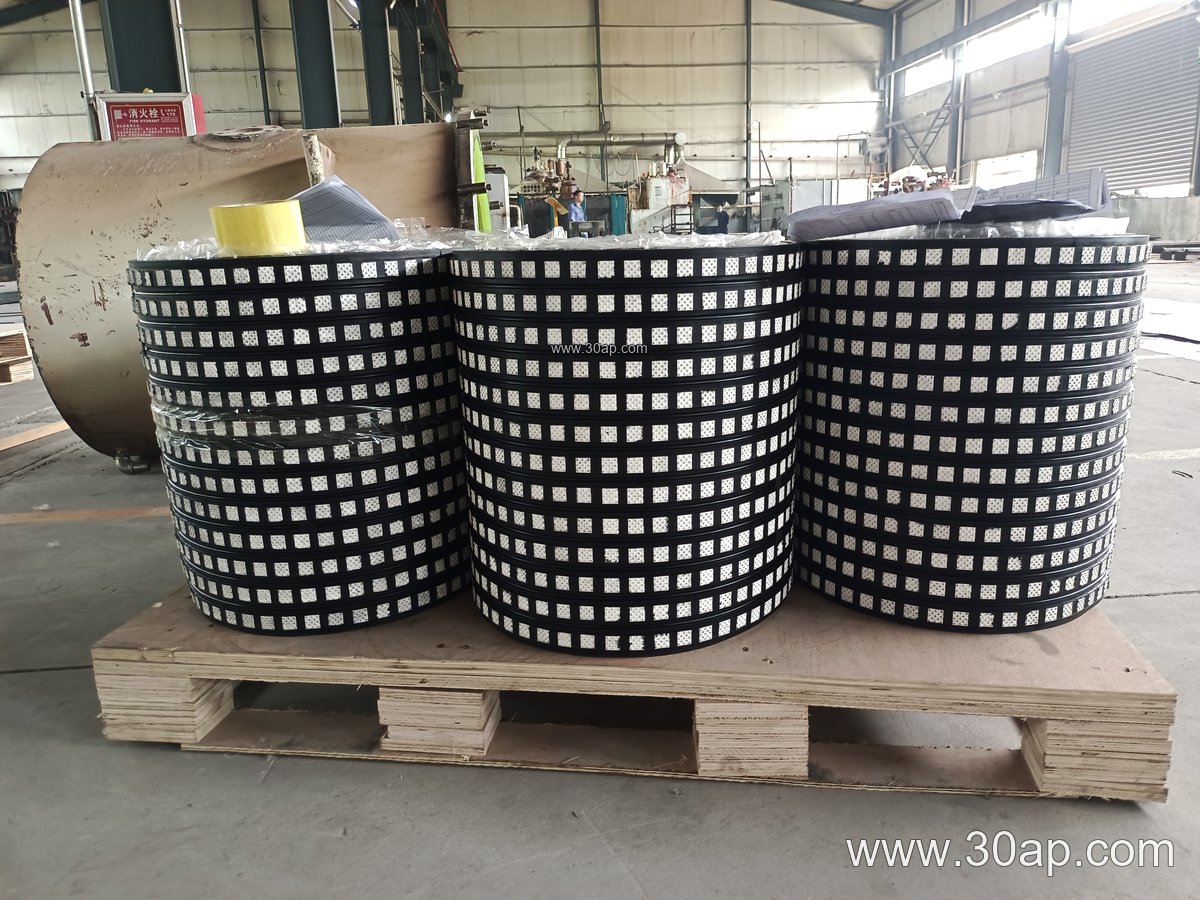
Cover compound selection matters as much as the carcass. Common options include Abrasion Resistant Conveyor Belt grades for sand and crushed stone, Heat Resistant Conveyor Belt grades for cement clinker or sinter, Oil Resistant Conveyor Belt grades for oily scrap and some mineral ores, and Flame Retardant Conveyor Belt or Anti-Static Conveyor Belt grades for coal handling where those properties are specified. A cold climate may call for a Cold Resistant Conveyor Belt compound that stays flexible below freezing.
Where It Fits in the Plant
NN200 belting appears in quarry and aggregate lines, cement plants, power stations, sand and gravel yards, and many mining and ore handling circuits. It is a practical choice for medium-duty main haulage and for transfer conveyors feeding crushers or screens. In a coal preparation plant or underground gateway, a flame retardant variant may be required, and the same carcass concept can be supplied as part of an Underground Coal Mining Conveyor Belt specification when the application demands it.
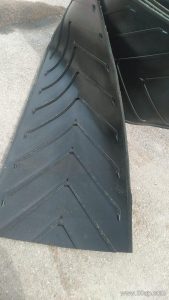
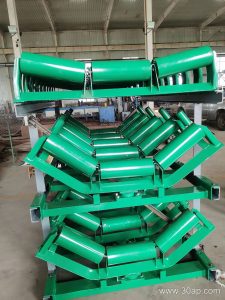
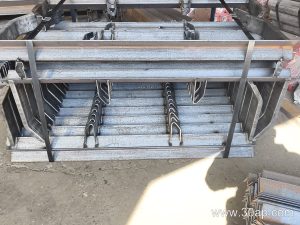
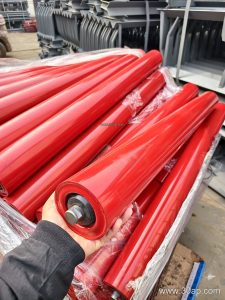
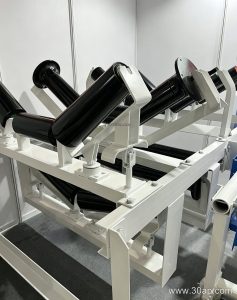
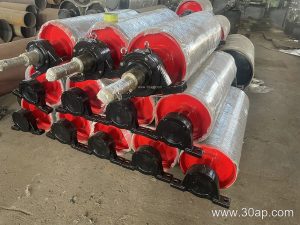
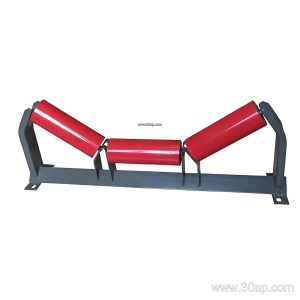
The belt does not work alone. A complete conveyor includes the conveyor pulley at the head and tail, idler roller sets along the carrying and return runs, and conveyor bracket assemblies that hold the frames and rollers in place. Drive, tail and bend pulleys each have a distinct role and are not interchangeable, so belt tension and pulley diameters should be reviewed together during design. On steep inclines, a Chevron Conveyor Belt or Corrugated Sidewall Conveyor Belt may be considered instead, because a smooth NN200 belt alone cannot hold material on a steep slope.
Common Reference Dimensions
Values below are typical reference data, not fixed supply promises. Actual construction is confirmed per order and per design.
| Parameter | Typical reference values |
|---|---|
| Nominal strength | NN200 (200 N/mm per ply) |
| Carcass plies | 2 to 6 plies, commonly 3 to 5 |
| Belt width | B500, B650, B800, B1000, B1200, B1400, B1600, B1800, B2000 |
| Cover thickness | 3+1.5, 4+2, 5+2, 6+2, 8+3 mm |
| Cover grades | abrasion, heat, oil, flame retardant, anti-static, cold resistant |
Width and strength are chosen independently of pulley size; a wider belt does not automatically dictate one specific pulley diameter, and shaft dimensions must be calculated from the actual conveyor duty.
Selection and Maintenance Notes
- Check the maximum lump size and impact energy at the loading point. A high drop height may justify an Impact Resistant Conveyor Belt cover or a thicker top cover.
- Confirm the splice method. NN belting is commonly joined mechanically or by vulcanized splice; an Endless Conveyor Belt made to length reduces splice fatigue on critical drives.
- Keep idler roller alignment and pulley lagging in good condition. Misalignment accelerates edge wear on any fabric belt.
- Allow for carcass elongation in take-up travel, especially on long or reversing conveyors.
- Match the cover grade to the real operating temperature and chemical exposure, not just to the material name.
For buyers sourcing a belt for a specific line, the practical route is to provide belt width, duty, material type, lump size, ambient and material temperature, and pulley arrangement. That information lets a supplier propose a suitable NN200 Conveyor Belt construction, or explain when an EP Conveyor Belt, a Steel Cord Conveyor Belt, or a specialized cover grade would serve the conveyor better.