What a V-Type Idler Bracket Does
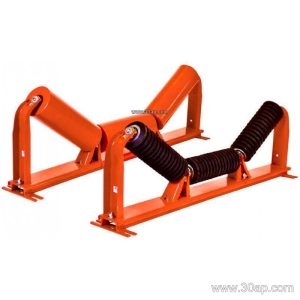
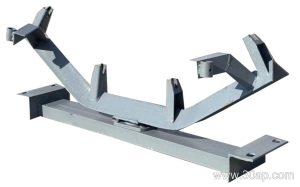
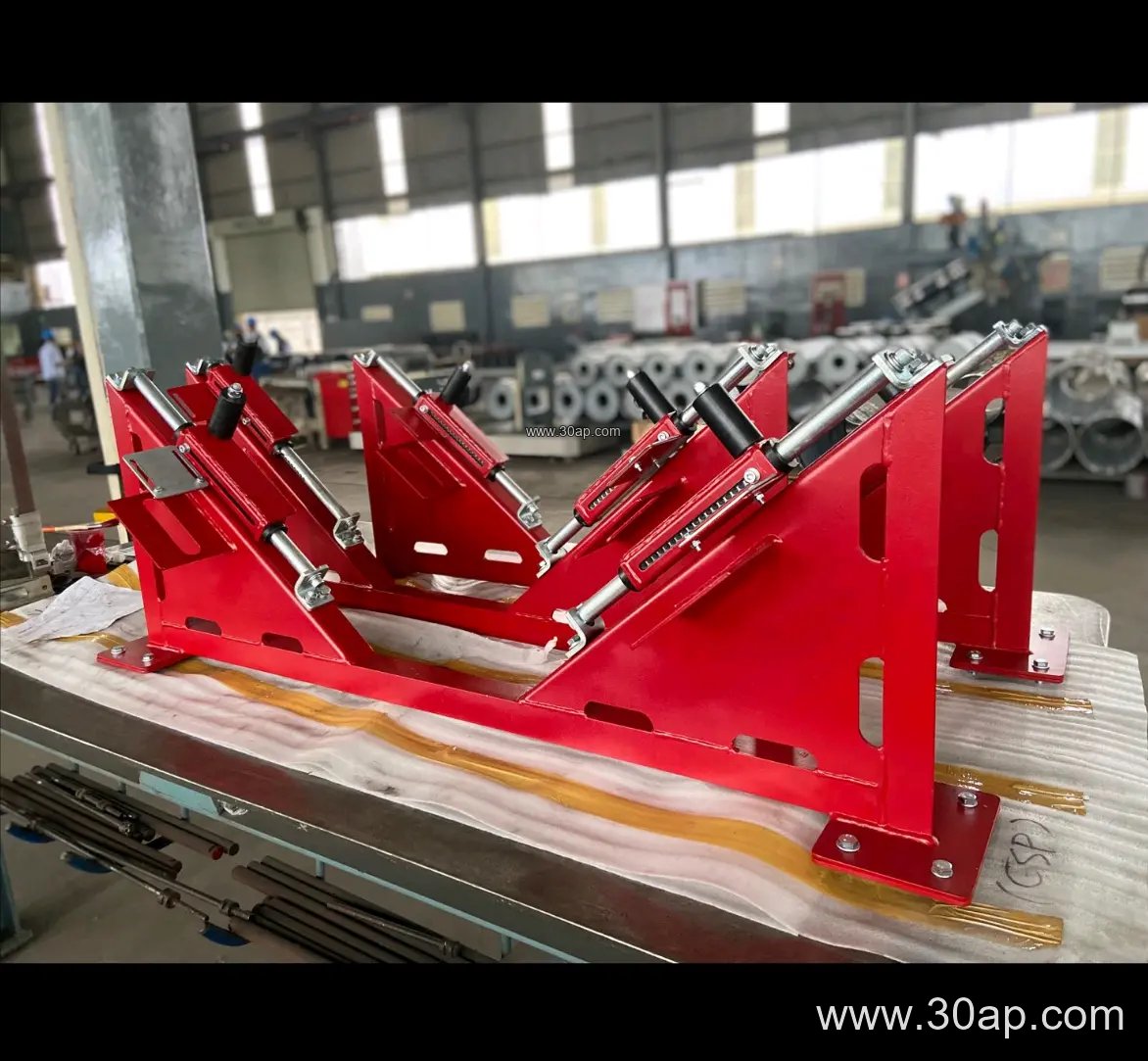
A V-Type Idler Bracket is a return-side support that holds two idler rollers in a shallow V configuration beneath the carrying belt. Instead of letting the return strand run flat, the bracket tilts the rollers inward so the belt trains toward the center of the conveyor frame. In a quarry, a coal handling plant, or a cement clinker line, this simple geometry helps control belt wander and keeps fine material from building up along the return run.
The bracket is often called a V-return bracket or V-type return idler support, and those names refer to the same component. It should not be confused with a troughing bracket on the carrying side, nor with a transition or buffer bracket, which serve different positions on the conveyor.
Construction and Mounting Position
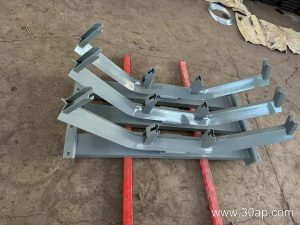
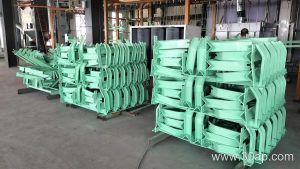
Most V-type brackets are fabricated from angle steel, channel steel, or folded steel plate. Two inclined arms meet at a central low point, and each arm carries a mounting slot or hole pattern for an idler roller. The assembly is bolted to the conveyor stringer or cross beam, usually at intervals along the return strand between the drive pulley and the tail pulley.
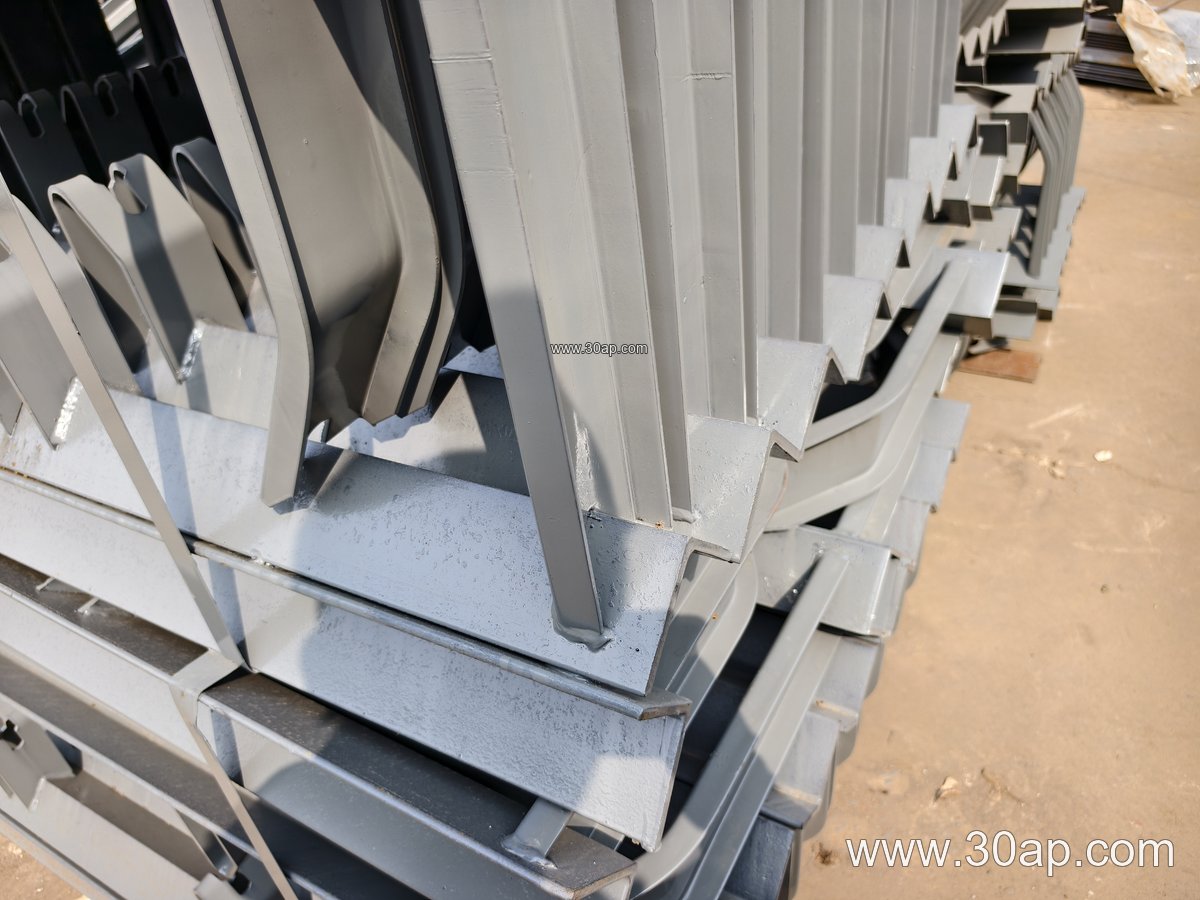
Because the two rollers sit at an angle, the belt rests in a slight trough even on the return side. This helps shed sticky fines and reduces the chance of the belt rubbing against the structure. Installation height and hole spacing are normally determined by the belt width, the chosen roller diameter, and the frame design, so buyers should confirm these details against the conveyor drawing rather than assuming a universal fit.
Where It Fits in Bulk Handling
V-type brackets are common in sand and gravel lines, limestone mines, iron ore operations, and power plant coal conveying. They also appear in crushing and screening plants and in port bulk terminals where a long return strand needs steady guidance. On a conveyor fitted with a heavy-duty mining conveyor belt or an abrasion resistant conveyor belt, the return support has to tolerate grit, moisture, and occasional spillage, so the bracket should be selected with the same duty level as the rest of the frame.
They work alongside the conveyor belt, idler roller, conveyor pulley, and conveyor bracket system. A well-aligned return side reduces edge wear on an EP conveyor belt or steel cord conveyor belt and helps the belt track correctly as it approaches the tail pulley.
Common Reference Dimensions
The table below shows typical reference values; actual selection depends on the conveyor design, load, and environment. These are examples, not fixed pairings.
| Reference Item | Common Range or Example |
|---|---|
| Belt width (B) | B500, B650, B800, B1000, B1200, B1400, B1600, B1800 |
| Roller diameter | Ø89, Ø108, Ø133, Ø159 |
| V angle | Typically 10 to 20 degrees per side, set by design |
| Material | Angle steel, channel steel, folded steel plate |
| Mounting | Bolted to stringer or cross beam; hole spacing per drawing |
A bracket for B800 with Ø108 rollers is a common reference combination, but a B1200 frame may use Ø133 rollers and a wider beam. Do not assume that one belt width matches only one roller size or one angle.
Buyer Checklist
- Confirm the belt width and the return roller diameter before ordering.
- Check the hole pattern and beam length against the conveyor frame drawing.
- Match the bracket material and finish to the site conditions, such as wet coal or abrasive ore.
- Consider whether a fixed or adjustable V bracket better suits future belt changes.
- Review the return strand layout with the conveyor pulley and idler roller positions.
For a plant handling a flame retardant conveyor belt underground or a heat resistant conveyor belt near a kiln, the bracket itself is usually steel, but the surrounding rollers and belt cover grade should suit the same duty. A small, well-chosen V-type bracket can make the return run quieter and more stable, and it is worth specifying with the same care as the carrying idlers.