What an ST1000 Conveyor Belt Is
An ST1000 Conveyor Belt is a steel cord conveyor belt with a nominal tensile strength of 1000 N/mm. The “ST” designation signals a steel cord construction, and the number refers to the belt’s rated breaking strength per unit width. In heavy-duty bulk handling, this is a mid-range steel cord grade: strong enough for long centre distances and high tonnages, yet often a practical choice where an ST1250 or ST1600 would be more capacity than the duty requires.
Unlike a Fabric Core Conveyor Belt, which relies on multiple plies of woven fabric, the ST1000 uses parallel steel cords embedded in rubber as its tension member. This gives very low elongation under load and excellent resistance to impact and tearing, which matters in Mining Conveyor Belt duties and other demanding circuits.
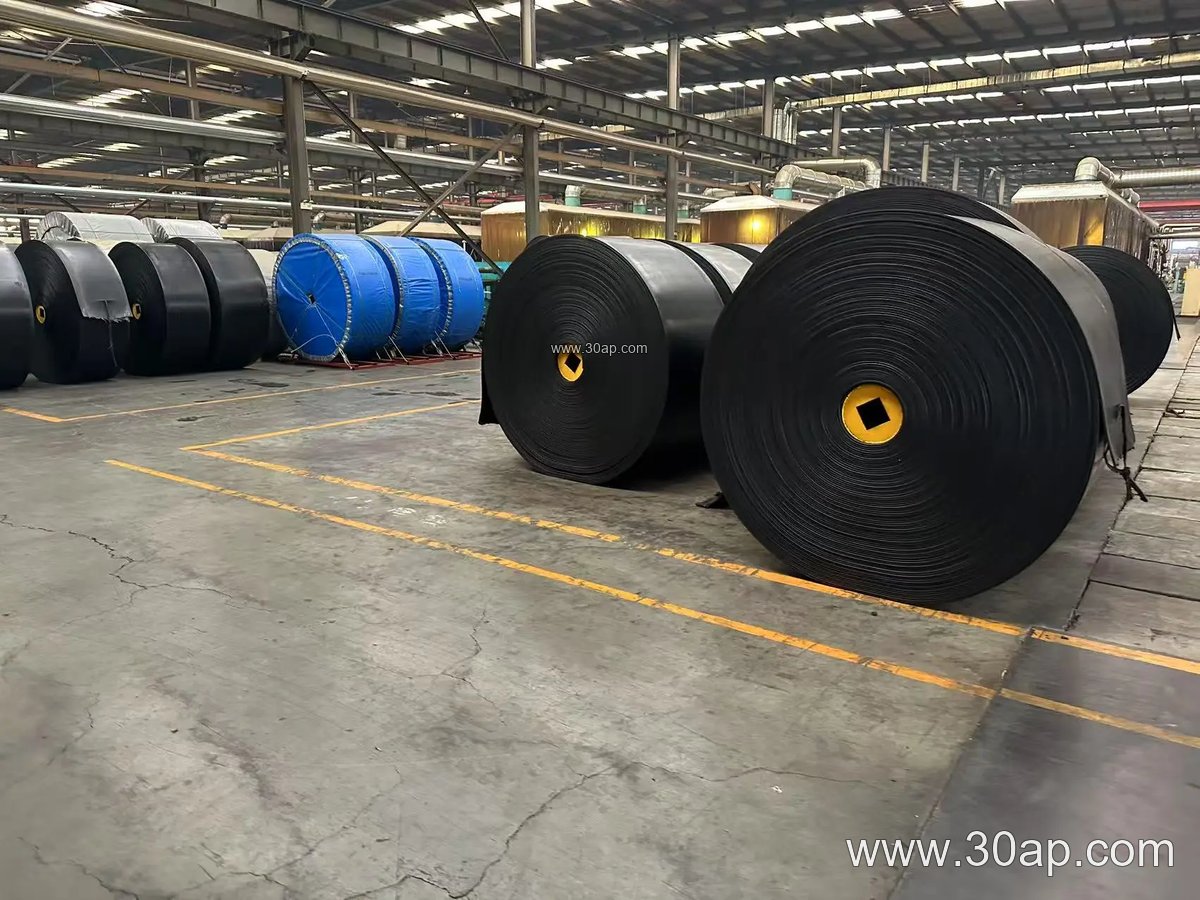
Construction and Cover Compounds
The belt body is built around a single layer of high-carbon steel cords, spaced uniformly and bonded to the surrounding rubber. A typical build includes:
- Top and bottom cover rubber, selected for the cargo and environment
- Core rubber surrounding and cushioning the steel cords
- Transverse reinforcement in some designs to resist ripping and edge damage
Cover thickness is usually specified as a pair, for example 6+2 mm or 8+3 mm, with heavier covers used on the carrying side where abrasion and impact are severe. Compound selection is often as important as cord strength. A buyer may need an Abrasion Resistant Conveyor Belt compound for crusher discharge, a Heat Resistant Conveyor Belt grade for cement clinker or sinter, a Flame Retardant Conveyor Belt build for underground coal work, or an Oil Resistant Conveyor Belt cover for oily feedstock.
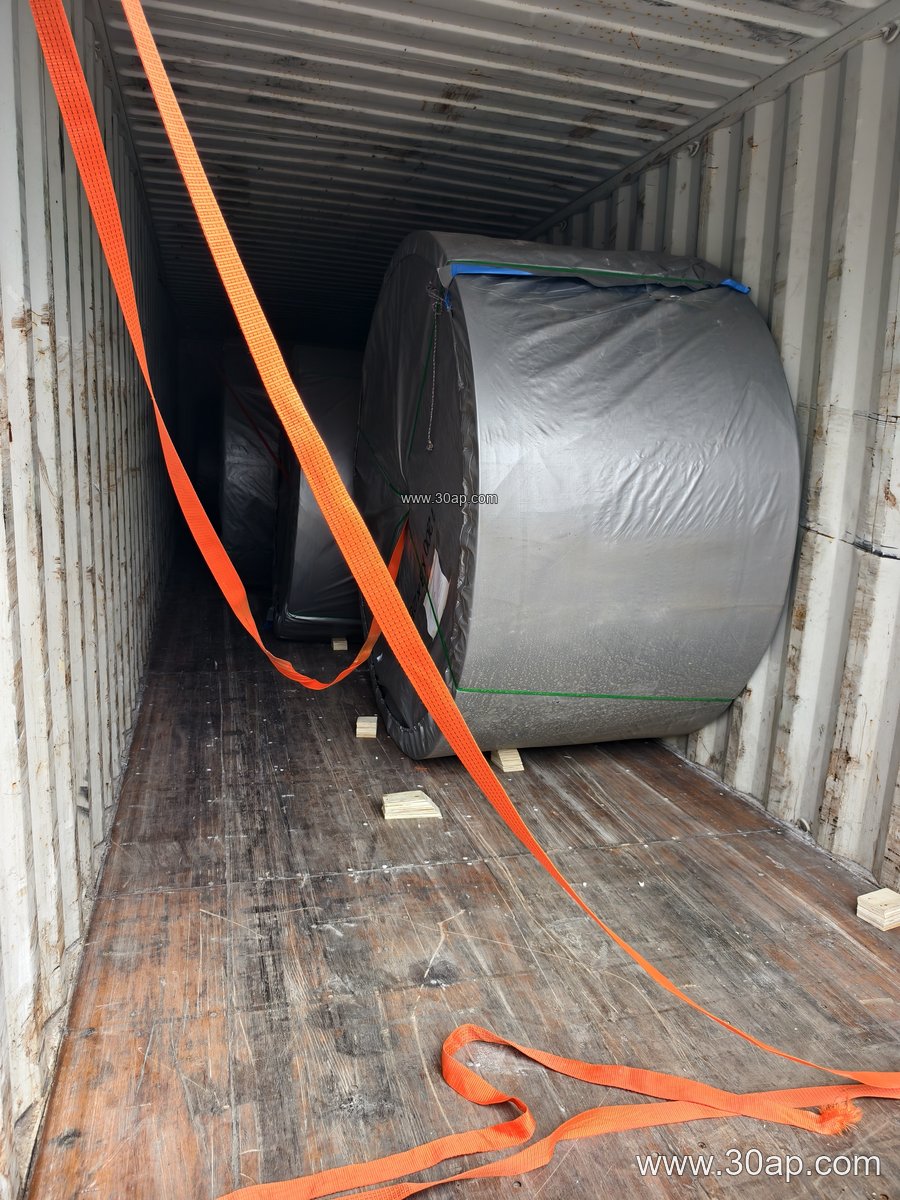
Where It Fits in a Conveyor System
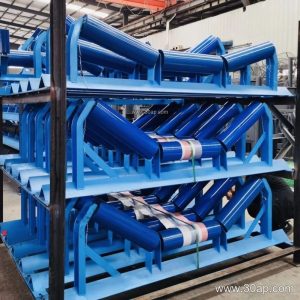
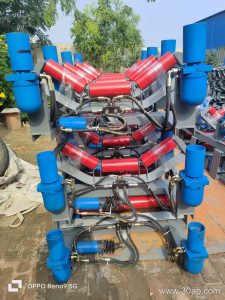
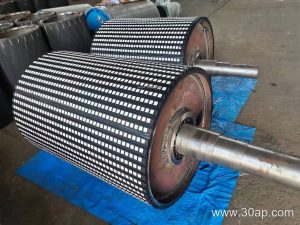
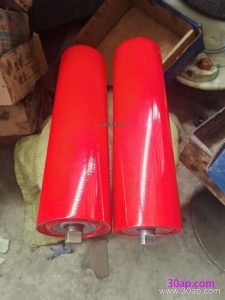
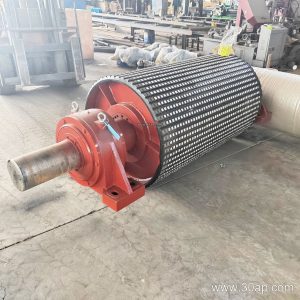
The ST1000 is at home on main haulage lines in mines, quarries, cement plants, power stations and port terminals. It moves iron ore, copper ore, coal, limestone, aggregates and other bulk materials over long distances and steep inclines. On these routes, a conveyor pulley at the drive and tail ends, plus a series of idler rollers along the carry and return sides, supports the belt and keeps it tracking.
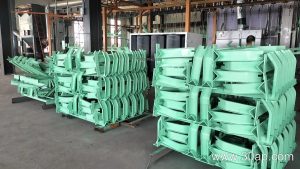
Steel cord belts are less tolerant of small pulleys than fabric belts, so belt and pulley geometry should be checked together rather than assumed. A conveyor bracket and frame layout also need to suit the belt’s stiffness. Where a fully enclosed route is required for dust control, a Pipe Conveyor Belt may be considered instead, but it is a different product concept and not a direct substitute.
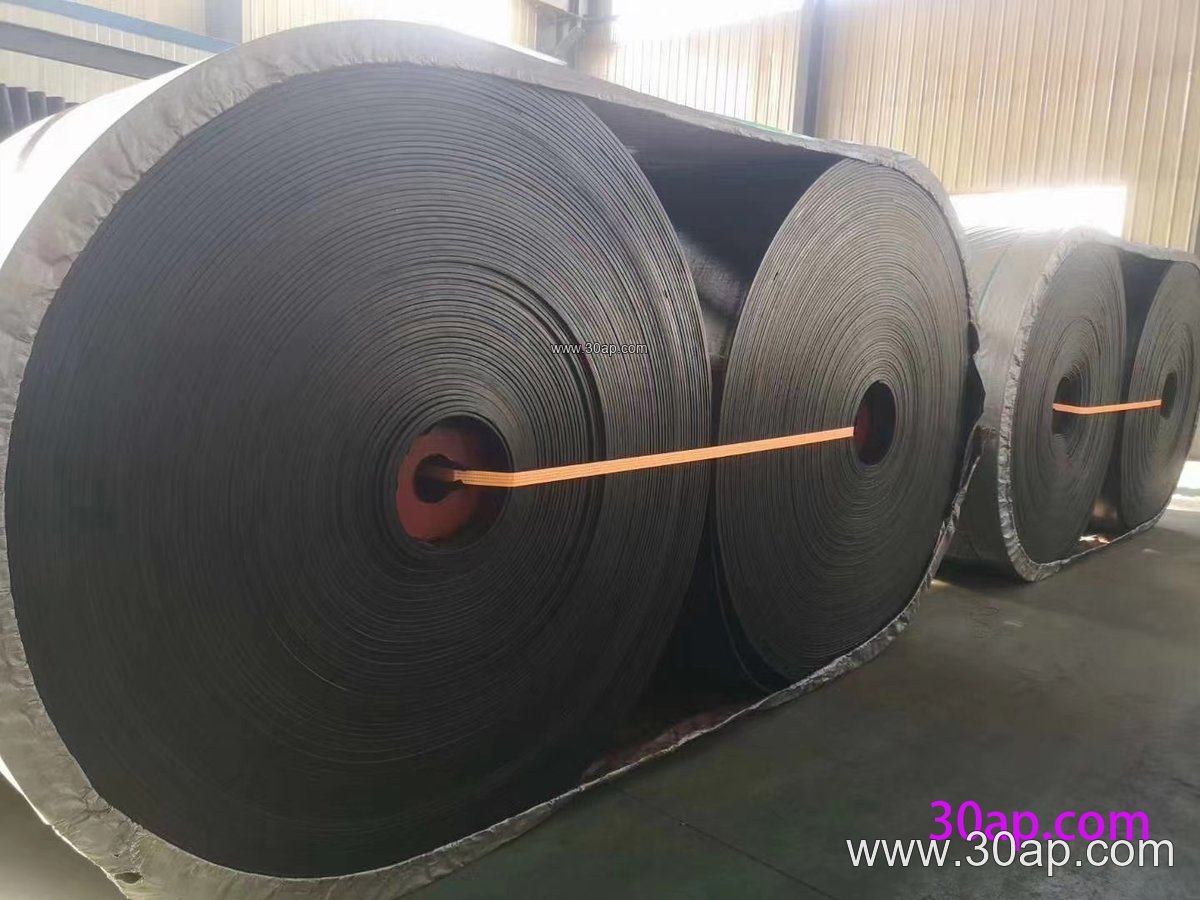
Common Reference Dimensions
The table below shows typical reference values; final specification depends on the conveyor design and should be confirmed with the belt supplier.
| Parameter | Typical reference |
|---|---|
| Strength grade | ST1000 (1000 N/mm) |
| Belt width | B800, B1000, B1200, B1400, B1600 |
| Cover thickness | 4+2, 5+2, 6+2, 8+3 mm |
| Cover compounds | Abrasion resistant, heat resistant, flame retardant, oil resistant, anti-static |
Widths such as 1000mm Conveyor Belt or 1200mm Conveyor Belt are common in main haulage, while wider belts may appear on high-capacity port and plant lines. A belt width does not dictate a single pulley diameter; the drive pulley, tail pulley and bend pulleys are sized from belt tension, cord construction and minimum bend radius requirements.
Buyer Checklist
- Confirm the required strength grade against the calculated maximum belt tension, not just the tonnage.
- Match the cover compound to the material: abrasive ore, hot clinker, oily scrap or coal with flame retardant requirements.
- State belt width, cover thickness and whether an Endless Conveyor Belt splice is needed or a mechanical joint will be used.
- Check pulley diameters, troughing idler roller angles and transition distances with the belt maker.
- Ask about cord pull-out strength, splice materials and recommended storage and handling.
For plant managers comparing grades, ST1000 sits below ST1250, ST1600 and ST2000 in strength. Choosing the right step on that ladder is a matter of tension, safety factor and expected service life, and a short review of the conveyor profile usually settles it. Matching the belt to its idlers, pulleys and brackets at the design stage pays back in longer service and fewer stoppages.